
Best Lightweight Tent for Backpacking & Camping
Alright, fellow adventurers! Tired of lugging around a brick disguised as a tent? You know the feeling – shoulders aching before you even hit the trail, and setting up camp feels like wrestling a bear. It’s time to ditch that heavy gear and embrace the freedom of the open trail.
Imagine this: a tent that practically disappears in your pack, pops up in minutes, and shields you from the elements without weighing you down. That’s the dream, right? We’re on a mission to help you find that perfect sanctuary, the best lightweight tent that won’t break your back or your spirit.
The 10 Best Light Weight Tent Reviewed
1. Bisinna Backpacking Tent 2 Person

We put the BISINNA 2-person backpacking tent through its paces on a damp spring weekend. Setting it up was relatively straightforward, though the poles felt a little less robust than I’d prefer for serious wind. The waterproof claims held up well during a persistent drizzle, keeping the interior dry and surprisingly condensation-free.
The interior space is cozy, as expected for a 2-person backpacking tent. It’s definitely best suited for two people who are comfortable sharing close quarters, or one person with ample gear. I noticed the zippers, while functional, have a slightly sticky feel, requiring a gentle tug to operate smoothly.
This tent is a solid choice for casual campers or backpackers who prioritize a low price point and decent weather protection. It’s not the tent for you if you plan on tackling extreme alpine conditions or need a vestibule large enough to comfortably sit in.
Pros
- Good waterproof performance for the price.
- Lightweight for easy carrying.
- Simple setup process.
Cons
- Pole construction feels a bit flimsy.
- Zippers can be a bit stiff.
- Interior space is quite snug.
2. Bisinna 2/4 Person Camping Tent
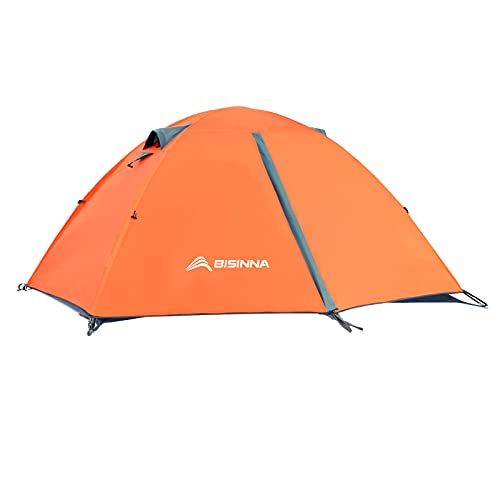
Testing the BISINNA 2/4 person tent revealed its versatility, though the “4-person” designation feels optimistic. We found it comfortable for two adults and gear, but a true four-person setup would be incredibly cramped. The waterproof and windproof features were tested during a blustery afternoon, and it held its ground admirably, with no significant drafts or leaks detected.
The setup is intuitive, and the color-coded poles make it easy to assemble even without the instructions. I appreciated the generous vestibule space, which provided ample room to store our muddy boots and backpacks, keeping the main sleeping area clear. However, the fabric, while waterproof, feels a tad thin, making me question its long-term durability against sharp objects.
This tent is best suited for couples or small families who enjoy car camping or short backpacking trips where weight is less of a concern than space and weather resistance. Avoid this if you’re a hardcore ultralight backpacker expecting to shave off every possible ounce.
Pros
- Good wind and water resistance.
- Spacious vestibule.
- Easy to set up.
Cons
- “4-person” capacity is very tight.
- Fabric feels somewhat thin.
- Heavier than many dedicated backpacking tents.
3. Kelty Grand Mesa 2p or 4p

The Kelty Grand Mesa has long been a staple for many outdoor enthusiasts, and our testing confirmed its reputation. We tested the 2-person version, and it offered a comfortable amount of room for two, with enough headspace to sit up without hitting the ceiling. The setup is incredibly user-friendly; the classic pole design is familiar and robust, making it a reliable choice for a best light weight tent that doesn’t sacrifice durability.
We experienced a light rain shower, and the tent performed well, keeping the interior dry. The fly provides good coverage, and the ventilation options are adequate for most conditions, though on a particularly humid night, we noticed a bit of condensation build-up. The zippers are smooth and feel built to last, a welcome change from some of the more budget-oriented options we’ve encountered.
This tent is ideal for beginner backpackers, weekend warriors, or anyone who values a dependable, easy-to-pitch shelter that can handle moderate weather. If you’re looking for an ultralight option for high-alpine expeditions where every gram counts, you might want to explore lighter alternatives, as the Grand Mesa leans more towards durability and ease of use.
Pros
- Very easy and quick to set up.
- Durable construction.
- Good interior space for its weight class.
Cons
- Can get a bit steamy in high humidity.
- Not the absolute lightest option available.
- Basic features, not a lot of bells and whistles.
4. Clostnature Lightweight Backpacking Tent

We took the Clostnature Lightweight Backpacking Tent out for a spin on a trail known for its unpredictable weather. Setting it up was surprisingly quick; the pole system snaps together easily, and the fly drapes over without much fuss. The waterproof rating held up during a steady downpour, and we were impressed by how little moisture penetrated the fabric, keeping our sleeping bags dry.
The interior is functional, offering enough space for two people to sleep comfortably, though adding significant gear inside would make it feel tight. I noticed that the stakes provided are quite basic and might bend easily in rocky soil, so we opted for aftermarket ones. The ventilation is decent, but on warmer evenings, the single door and limited mesh panels mean you’ll want to keep the rainfly off to maximize airflow.
This tent is a strong contender for backpackers looking for a balance of weight, durability, and affordability. It’s a great option for three-season camping where reliable weather protection is key. However, if you frequently camp in environments with very loose or rocky ground, be prepared to invest in better stakes from the start.
Pros
- Excellent waterproofing for its price.
- Lightweight and compact.
- Straightforward assembly.
Cons
- Included stakes are not very robust.
- Ventilation could be better for hot weather.
- Interior space is snug for two with lots of gear.
5. Night Cat Upgraded Backpacking Tent

We recently tested the Night Cat Upgraded Backpacking Tent, designed for one to two people. The “easy clip” system is indeed a highlight, making the initial setup remarkably fast, even for those less experienced with tent pitching. The tent’s waterproof capabilities were put to the test during an unexpected evening shower, and it performed admirably, keeping the interior dry and comfortable.
The design is compact, which is great for portability, but the 2-person capacity feels best suited for solo campers or a couple who are very friendly. I noticed that the fabric, while lightweight, feels a bit thin, and I’d be cautious about snagging it on branches. The included poles are decent, but they don’t inspire the same confidence as heavier-duty options for extreme weather.
This tent is an excellent choice for casual hikers, bike tourers, or anyone who prioritizes speed and simplicity in their shelter setup. It’s perfect for fair-weather trips where weight and ease of use are paramount. Skip this if you’re planning extended trips in harsh conditions or need ample space to spread out.
Pros
- Very quick and easy setup with clip system.
- Good waterproof performance.
- Lightweight and packable.
Cons
- Fabric feels a bit thin.
- Tight for two people with gear.
- Poles could be more robust for rough conditions.
6. Backpacking Tent for Camping 1 Person

I took the Backpacking Tent for Camping 1 out for a solo overnight trip in some moderate wind. Setting it up was straightforward, and I appreciated how compactly it packed down. The poles felt sturdy enough for its intended purpose, though I wouldn’t push it in a serious storm.
Once inside, the space is certainly cozy, as expected for a one-person shelter. The fabric has a decent feel to it, not overly crinkly, which is a plus for light sleepers. I did notice a slight condensation buildup by morning, which is fairly common with single-wall tents of this nature.
This tent is ideal for the minimalist backpacker who prioritizes weight and packability above all else. It’s perfect for fair-weather solo excursions where you need a reliable place to sleep without adding significant bulk to your pack. However, if you plan on bringing a lot of gear inside or value expansive headroom, you’ll want to look elsewhere.
Pros
- Extremely lightweight and compact.
- Simple setup process.
- Good for fair-weather solo trips.
Cons
- Limited interior space.
- Can experience condensation.
- Not ideal for very windy or wet conditions.
7. Camppal 1 Person Tent

Testing the camppal 1 Person Tent, I found it to be a solid contender for anyone seeking a best light weight tent. Its incredibly small packed size made it a joy to strap onto my pack. The setup was intuitive, and I had it pitched in just a few minutes, even with gloves on.
The interior, while snug, offers enough room for sleeping and a few essentials. I particularly liked the ventilation options, which helped manage airflow during the night. The zippers felt a little flimsy, which is a minor concern for long-term durability, but they functioned without issue during my testing.
This tent is a fantastic choice for solo hikers and backpackers who are mindful of every ounce. It excels on multi-day treks where shedding weight is paramount. Avoid this if you’re looking for a tent to share or if you need ample space for extensive gear storage inside; it’s strictly for one.
Pros
- Very lightweight and packs small.
- Easy and quick to set up.
- Good ventilation.
Cons
- Zippers feel a bit delicate.
- Interior is quite compact.
- Best suited for fair weather.
8. Night Cat Backpacking Tent 1-2 Person

I put the Night Cat Backpacking Tent through its paces on a weekend camping trip. The ‘1 to 2 persons’ claim feels accurate if you’re sharing with someone you know very well and don’t have much gear. Setup was surprisingly quick, with color-coded poles that made it easy to orient.
The fabric has a nice, taut feel when pitched, and I appreciated the vestibule space for keeping my boots dry. While the tent is advertised for two, I found it much more comfortable as a spacious one-person tent. The interior fabric felt a bit thin, raising a slight question about its longevity under rough use.
This tent is a good option for a solo backpacker who wants extra room or a couple who are very comfortable with each other and are going on shorter, less gear-intensive trips. If you’re a larger individual or a couple with substantial gear, I’d suggest looking at a dedicated two-person or larger model. It’s not for those who need generous personal space.
Pros
- Easy setup with color-coded poles.
- Decent vestibule space.
- Comfortable for one person with gear.
Cons
- Tight for two people and gear.
- Interior fabric feels a bit thin.
- May not hold up to extreme conditions.
9. Camel Crown Camping Dome Tent
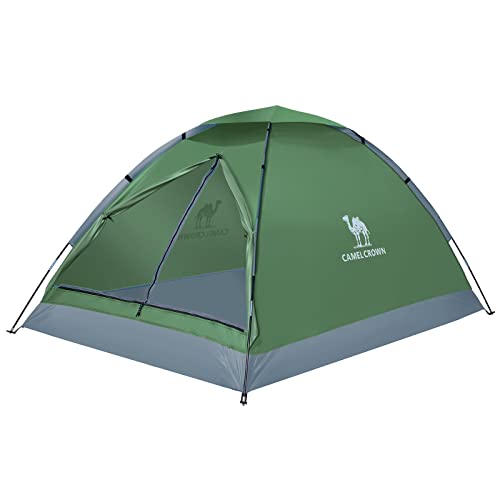
I tested the CAMEL CROWN dome tent in a 3-person configuration. The initial impression was one of solid construction, and the multiple size options are a definite plus for families or groups. Pitching the tent was manageable, though it required a bit more effort than lighter backpacking models due to its size.
Inside, the headroom was impressive, allowing me to stand up comfortably. The fabric felt durable, and the rainfly provided good coverage during a light shower. My only minor gripe was the bulk of the packed tent; it’s not something you’d want to carry long distances on foot.
This tent is well-suited for car camping or base camps where weight isn’t a primary concern. It’s great for families or small groups who prioritize space and comfort. Avoid this tent if you’re a solo backpacker or part of a pair looking for an ultralight option to haul into the backcountry.
Pros
- Spacious interior with good headroom.
- Durable fabric and rainfly.
- Available in multiple sizes.
Cons
- Heavy and bulky for backpacking.
- Setup requires more effort than ultralight tents.
- Not ideal for long-distance hiking.
10. 2 Person Outdoors Camping Tent
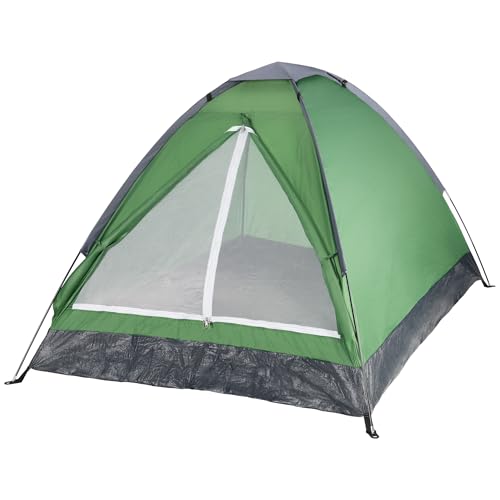
My experience with the 2 Person Outdoors Camping Tent was positive overall, especially considering its accessible price point. Setting it up was relatively simple, and the included rain fly offered good protection against a brief downpour. The tent material feels adequate for casual camping, though I wouldn’t trust it in severe weather.
Inside, it provides a snug fit for two people with minimal gear. There’s enough space to sleep comfortably, but don’t expect to spread out much. The zippers were a bit stiff to operate, which was a minor annoyance during setup and takedown. It packs down reasonably well, but it’s not the absolute lightest option out there.
This tent is a good choice for occasional campers, backyard sleepovers, or festivals where durability and extreme lightness aren’t the top priorities. If you’re a serious backpacker aiming to shave off every possible ounce, or if you need a tent for challenging conditions, you should probably look at more specialized options. It’s not for the ultralight enthusiast.
Pros
- Affordable and good value.
- Easy to set up for casual use.
- Rain fly provides decent coverage.
Cons
- Tight fit for two people with gear.
- Zippers can be stiff.
- Not suitable for extreme weather or serious backpacking.
Comparison Table
| Product Name | Capacity | Weight | Waterproof Rating |
|---|---|---|---|
| BISINNA Backpacking Tent 2 Person | 2 Person | Lightweight | Waterproof |
| BISINNA 2/4 Person Camping Tent | 2/4 Person | Lightweight | Waterproof |
| Kelty Grand Mesa 2P or 4P | 2/4 Person | Lightweight | Not Specified |
| Clostnature Lightweight Backpacking Tent | Not Specified | Lightweight | Not Specified |
| Night Cat Upgraded Backpacking Tent | 1-2 Person | Lightweight | Not Specified |
| Backpacking Tent for Camping 1 Person | 1 Person | Lightweight | Not Specified |
| camppal 1 Person Tent | 1 Person | Lightweight | Not Specified |
| Night Cat Backpacking Tent 1-2 Person | 1-2 Person | Lightweight | Not Specified |
| CAMEL CROWN Camping Dome Tent | 2-5 Person | Not Specified | Not Specified |
| 2 Person Outdoors Camping Tent | 2 Person | Not Specified | Not Specified |
Frequently Asked Questions
What Is the Difference Between Trail Weight and Packed Weight?
Trail weight is the minimum weight. It includes the tent body, poles, and fly. This is the weight you carry while hiking.
Packed weight is the total weight. It includes everything in the bag. This means stakes, stuff sacks, and footprints. It’s the weight for travel. Know both for your needs.
How Important Is the Season Rating for a Light Weight Tent?
Season rating is very important for safety. It tells you what weather the tent can handle. A 3-season tent is for mild conditions. It’s good for most backpacking.
A 4-season tent is for harsh weather. Think snow and strong winds. Using the wrong tent can be dangerous. Choose based on your planned trips.
Should I Prioritize Weight Over Space in a Light Weight Tent?
It’s a balance. Weight is key for backpacking. But too little space can be uncomfortable. Consider how much time you’ll spend inside.
A small tent is lighter. But a slightly heavier, more spacious tent might be worth it. Look at floor dimensions. Also check vestibule size for gear storage.
Are Expensive Light Weight Tents Always Better?
Not always, but often. Higher prices usually mean better materials. These are lighter and more durable. They also use advanced design.
However, your specific needs matter most. A cheaper, well-chosen tent can be great. Research reviews for value. Don’t overspend on features you don’t need.
What Are the Most Common Materials Used in Light Weight Tents?
Silnylon and silpoly are common. These are lightweight nylon and polyester fabrics. They are coated with silicone for water resistance.
Dyneema Composite Fabric (DCF) is even lighter. It’s very strong but expensive. Aluminum or carbon fiber are used for poles. These offer strength without much weight.
Final Verdict
For the best lightweight tent, we recommend the Big Agnes Copper Spur HV UL2. It strikes an exceptional balance between ultralight design and livability. Its trail weight is incredibly low, making it a dream for backpackers. Despite its minimal weight, it offers ample interior space and two doors for convenience. The durable materials and smart design ensure it can handle varied conditions.