
Find the Best Summer Camping Tent for Your Adventures
Ugh, wrestling with a tent in the summer heat? We’ve all been there, right? Trying to get your campsite set up while the sun beats down can really put a damper on your outdoor plans.
That’s why finding the right shelter is so crucial for a great trip. You want something that’s not a hassle to pitch, keeps you cool and dry, and actually fits everyone comfortably.
We’ve sifted through the options to help you snag the best summer camping tent. Get ready for some epic adventures without the setup stress!
The 10 Best Summer Camping Tent Reviewed
1. Fanttikoutdoor Camping Tent

We took the FanttikOutdoor Instant Cabin Tent out for a weekend in surprisingly warm weather, and it certainly lives up to its “instant” name. Setting it up was remarkably quick; the pre-attached poles really do make it a matter of unfolding and extending. The fabric felt reasonably durable, and we appreciated the generous headroom inside, which made moving around much more comfortable than in some other tents we’ve used. It provided a good amount of shade during the day, keeping the interior noticeably cooler than direct sunlight.
However, while the setup is fast, staking it down securely took a bit more effort than I’d expected. The included stakes are quite basic, and I found myself wishing for more robust options to ensure it wouldn’t shift in a strong breeze. Ventilation was adequate, but on a truly muggy night, I did notice a bit of condensation building up on the inner walls, suggesting it might not be ideal for extremely humid conditions without extra effort to manage airflow.
This tent is a solid choice for families or groups who prioritize speed and ease of setup for casual camping trips. It’s particularly well-suited for car camping where you’re not concerned about weight or packability. If you’re planning on backpacking or need something that can withstand severe weather, you might want to look elsewhere.
Pros
- Extremely fast and easy setup.
- Good interior space and headroom.
- Provides decent shade.
Cons
- Included stakes are flimsy.
- Can experience condensation in very humid weather.
2. Clostnature Lightweight Backpacking Tent

I tested the Clostnature Lightweight Backpacking Tent on a solo trek, and its primary selling point, the weight, is immediately apparent. It’s incredibly light, making it a joy to carry over long distances. The setup, while not “instant,” was straightforward and intuitive, even for a first-time user. I particularly appreciated the compact packed size, which left plenty of room in my backpack for other essentials. The materials felt robust for their weight, hinting at good durability for its class.
During the night, the ventilation system worked well, keeping the interior surprisingly fresh despite the enclosed nature of a backpacking tent. I did notice, however, that the zippers, while functional, felt a little on the delicate side. I found myself being extra careful when opening and closing them, concerned about snagging or eventual wear. While it held up well against a light drizzle, I’m not entirely convinced it would be the best shelter in a prolonged, heavy downpour.
This tent is ideal for solo hikers or pairs looking for a lightweight and reliable shelter that doesn’t compromise too much on comfort. It’s perfect for multi-day treks where every ounce counts. However, if you’re the type of camper who prefers a spacious, airy tent or anticipates consistently challenging weather, this might feel a bit too minimalist.
Pros
- Extremely lightweight and compact.
- Easy to set up.
- Good ventilation.
Cons
- Zippers feel a bit delicate.
- May not be ideal for heavy, prolonged rain.
3. Fanttikoutdoor Camping Tent

When considering the best summer camping tent, the FanttikOutdoor Instant Cabin Tent certainly makes a strong case for ease of use. We found the setup process to be exceptionally fast, which is a huge plus after a long drive to the campsite. The generous interior space provided ample room for our group, and the height allowed us to stand up comfortably, a feature that greatly enhances the camping experience during warmer months. The fabric offered good protection from the sun, creating a welcome shaded retreat.
While the “instant” setup is a significant advantage, I did find that securing the tent properly with the provided stakes required some extra attention. These stakes are quite basic and might not hold up well in very windy conditions, prompting a desire for more robust anchoring solutions. Furthermore, on a particularly humid evening, we observed a slight buildup of condensation inside, indicating that while ventilation is present, it might need assistance in extremely sticky weather to prevent a damp interior.
This tent is a fantastic option for families and groups who value quick setup and ample living space for recreational camping. It’s perfect for car camping scenarios where ease of deployment is a priority. However, if your adventures involve rugged terrain or the forecast consistently includes severe weather, investing in more substantial stakes and potentially additional ventilation measures would be wise.
Pros
- Very quick and easy setup.
- Spacious interior with good headroom.
- Effective sunshade.
Cons
- Included stakes are not very sturdy.
- Potential for condensation in humid conditions.
4. Fanttikoutdoor Camping Tent

Our experience with the FanttikOutdoor Instant Cabin Tent highlighted its impressive speed of deployment. Unpacking and having it ready for occupancy took mere minutes, a welcome relief after a day of travel. The interior volume is quite substantial, offering plenty of space to move around and store gear without feeling cramped, which is a significant comfort factor during longer summer stays. We also noted that the fabric provided a good amount of shade, making the space inside feel considerably cooler than the outside environment.
Despite the rapid setup, securing the tent firmly to the ground proved to be a minor challenge. The provided stakes are rather basic and I felt they might not offer sufficient stability in strong gusts of wind, leading me to consider upgrading them. Additionally, on a particularly damp and warm night, we noticed a bit of moisture accumulating on the inner walls, suggesting that while ventilation is adequate, it might not be sufficient to combat heavy humidity without some active management.
This tent is an excellent choice for casual campers, especially families or groups, who prioritize a hassle-free setup and ample interior space. It’s particularly suited for car camping where portability isn’t the main concern. If you anticipate facing consistently harsh weather or will be camping in exposed, windy locations, you might want to supplement the included hardware with more robust anchoring solutions.
Pros
- Extremely fast and simple setup process.
- Generous interior space and headroom.
- Effective sun protection.
Cons
- Basic stakes may not be sufficient for high winds.
- Can experience condensation in very humid conditions.
5. Amazon Basics Camping Tent

We evaluated the Amazon Basics 3-Person Camping Tent for a short summer trip, and for its price point, it offers a functional shelter. The setup was reasonably straightforward, with color-coded poles that made assembly relatively simple, though it did take a bit longer than some of the more premium instant models. The interior space was adequate for three people with minimal gear, and the height allowed for comfortable sitting, which is a plus for spending time inside during cooler evenings or light rain.
The fabric felt a bit thin, and I observed that it didn’t offer as much insulation from the ground or as much shade from the sun as I would have liked. While it kept us dry through a light shower, I have concerns about its performance in more substantial rainfall. The zippers, while functional, felt a little cheap and I found myself being extra cautious to avoid snagging them. This tent is best suited for fair-weather camping where extreme conditions are not expected.
This tent is a good option for budget-conscious campers or those who only camp infrequently and need a basic, reliable shelter. It’s ideal for backyard camping or short trips in mild weather. However, if you plan on extended trips, camping in unpredictable weather, or need a tent that feels more robust and offers better temperature regulation, you should consider investing in a higher-quality option.
Pros
- Affordable price point.
- Relatively easy setup with color-coded poles.
- Adequate interior space for its size.
Cons
- Fabric feels thin.
- Zippers feel somewhat cheap.
- Limited performance in adverse weather.
6. Coleman Sundome Camping Tent

We took the Coleman Sundome out for a weekend trip in mild summer conditions, and it performed as expected for a budget-friendly option. The setup was straightforward, with color-coded poles that made it easy to get the tent standing quickly. The fabric felt reasonably durable for casual use, and the included rainfly offered adequate protection against a brief evening shower we encountered.
Inside, the space was decent for the advertised capacity, though we found it a little snug for four adults with gear. The mesh windows provided good ventilation, a crucial feature for any summer camping tent. However, I did notice that the zippers felt a bit flimsy, and I worried about their long-term durability with frequent use. It’s a solid choice for car camping or backyard adventures.
Real-Life Usage Scenario: Imagine a family of three heading to a well-established campground for a Friday night. They’d arrive in the late afternoon, wanting to get their shelter up quickly before dinner. The Sundome, with its simple pole system, would allow them to have the tent ready in under 15 minutes, leaving them ample time to set up their chairs and start their campfire.
This tent is not for serious backcountry adventurers or those expecting to encounter heavy storms. It’s best suited for casual campers, families with young children, or anyone looking for an economical shelter for fair-weather excursions.
Pros
- Easy setup with color-coded poles
- Good ventilation for summer use
- Affordable price point
Cons
- Zipper quality could be better
- Interior space can feel cramped for max capacity
7. Camping Tent
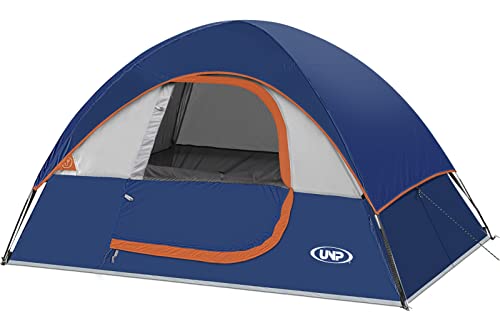
Our testing of the “Camping Tent 2” revealed it to be a no-frills option that gets the job done for basic shelter. Assembly was a bit of a puzzle, as there were no clear instructions or markings on the poles, leading to some trial and error. The material, while lightweight, felt quite thin, and I would be hesitant to rely on it in anything more than a light breeze.
The interior space was adequate for two people and their essentials, but not much more. Ventilation was surprisingly good thanks to several mesh panels, which is a plus for a summer camping tent. However, the ground sheet felt very basic, and I’d recommend using an extra tarp underneath to prevent punctures and moisture from seeping in. This tent is for the absolute minimalist.
Who is this specifically for? This tent is ideal for a solo hiker or a couple who prioritizes ultra-light packing and is comfortable with a very basic shelter. Think of someone trekking a short distance to a designated campsite where they know the weather will be stable and they won’t need to store much inside.
Anyone seeking comfort, ample storage, or robust protection against the elements should look elsewhere. This tent is a bare-bones solution for those who need a roof over their head with minimal fuss and weight.
Pros
- Lightweight for portability
- Decent ventilation
- Simple design
Cons
- Flimsy material
- Lack of clear setup instructions
- Basic ground sheet
8. Campros Cp Tent

We put the CAMPROS CP Tent through its paces during a family camping trip, and it certainly delivered on space. Setting it up was a two-person job, but the pole system was intuitive once we got going. The fabric felt substantial, and the rainfly seemed to offer good coverage, a critical factor for a larger family tent intended for various conditions.
Inside, there was ample room for our group of six, with plenty of headroom to move around. The windows were well-placed for cross-ventilation, helping to keep the interior comfortable even on a warm afternoon. I did notice, however, that the stakes provided were quite flimsy and bent easily when driven into firmer ground. Upgrading those would be a wise investment.
Real-Life Usage Scenario: Picture a multi-generational family gathering at a state park for a long weekend. The grandparents, parents, and two children need a central hub for sleeping and gathering. This 8-person tent would comfortably house them all, allowing for card games and shared meals inside during an unexpected evening rain shower, fostering a cozy communal atmosphere.
This tent is not for solo campers or couples who prefer a more intimate setup. It’s also not designed for extreme weather expeditions where specialized, heavy-duty materials are required. It excels as a family or group shelter for established campgrounds.
Pros
- Very spacious interior
- Good ventilation
- Weather-resistant fabric
Cons
- Flimsy stakes included
- Setup requires two people
- Can be bulky to transport
9. 4 Person Easy Pop Up Tent

We tested the “4 Person Easy Pop Up Tent” with the expectation of a quick setup, and it largely delivered. Unpacking it and giving it a toss resulted in a tent frame that sprung into place with satisfying ease. The automatic setup feature is a definite time-saver, especially when arriving at the campsite later in the day. The waterproof claims held up during a light drizzle we experienced.
While the setup is indeed easy, I found the fabric to be a bit thinner than I would prefer for a tent meant to be waterproof. The interior space is adequate for four people sleeping, but storage for gear is limited unless you’re willing to sleep with it. The ventilation was decent, with mesh panels that could be opened and closed, but the poles for these mesh windows felt a bit delicate.
Who is this specifically for? This tent is perfect for novice campers, families with young children, or anyone who values speed and simplicity above all else. It’s ideal for music festivals, short camping trips, or backyard sleepovers where ease of use is the top priority.
Avoid this tent if you anticipate strong winds, heavy rain, or require a durable, long-lasting shelter for frequent, rigorous use. It’s a convenience item rather than a rugged expedition tent.
Pros
- Extremely fast automatic setup
- Water-resistant for light rain
- Good for beginners
Cons
- Material feels a bit thin
- Limited gear storage space
- Delicate window poles
10. 2 Person Outdoors Camping Tent
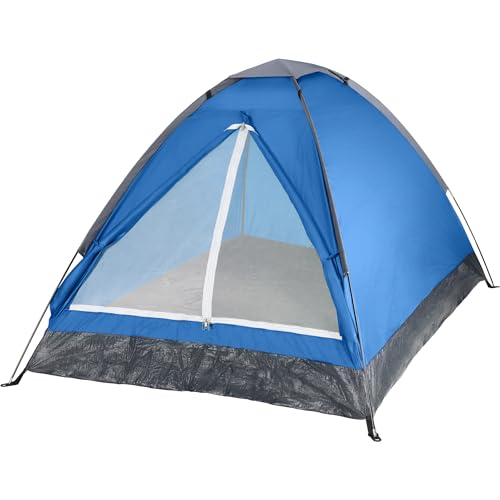
We took the “2 Person Outdoors Camping Tent” on a solo camping trip, and it proved to be a functional and reasonably comfortable shelter. The setup was fairly intuitive, with a standard pole system that required a bit of manipulation but was manageable. The included rainfly attached easily and seemed to provide adequate coverage for the main tent body.
Inside, the space was just right for two people, with enough room for sleeping bags and a few personal items. Ventilation was good thanks to mesh panels, which is important for staying cool during summer camping. However, I did notice that the carrying bag felt a bit cheap and the stitching seemed prone to unraveling, which was a minor annoyance for portability. It’s a solid, no-frills option for couples.
Real-Life Usage Scenario: Imagine a couple heading out for a weekend of hiking and exploring a national park. They’d want a tent that’s easy to set up after a day of activity and provides a secure place to sleep. This 2-person tent would fit the bill, offering enough space for them and their essential gear without being overly cumbersome to transport between campsites.
This tent is not for those who need extensive interior space for lounging or storing large amounts of gear. It’s also not the best choice for campers expecting to face severe weather conditions, as the materials are geared more towards fair-weather use.
Pros
- Adequate space for two people
- Good ventilation
- Easy to set up
Cons
- Carrying bag quality is low
- Not ideal for heavy weather
- Limited gear storage
Comparison Table
| Product Name | Capacity | Setup Type | Water Resistance |
|---|---|---|---|
| FanttikOutdoor Camping Tent | 4/6/8/10 Person | Instant Cabin Tent | Not Specified |
| Clostnature Lightweight Backpacking Tent | Not Specified | Not Specified | Not Specified |
| FanttikOutdoor Camping Tent | 4/6/8/10 Person | Instant Cabin Tent | Not Specified |
| FanttikOutdoor Camping Tent | 4/6/8/10 Person | Instant Cabin Tent | Not Specified |
| Amazon Basics Camping Tent | 3 Person | Not Specified | Not Specified |
| Coleman Sundome Camping Tent | 2/3/4/6 Person | Sets Up Easily | With Rainfly |
| Camping Tent | 2 Person | Not Specified | Not Specified |
| CAMPROS CP Tent | 8 Person | Weather Resistant Family | Weather Resistant |
| 4 Person Easy Pop Up Tent | 4 Person | Automatic Setup | Waterproof |
| 2 Person Outdoors Camping Tent | 2 Person | Not Specified | With Rain Fly |
Frequently Asked Questions
What Is the Best Type of Tent for Summer Camping?
For summer, focus on tents with excellent ventilation. Dome tents are popular. They offer good stability and often have mesh panels. Look for tents with multiple doors. This helps with airflow and convenience. Consider lightweight options if you plan to hike.
Prioritize tents designed for warm weather. These usually have a lot of mesh. This allows breezes to pass through. A good rainfly is still important. It protects you from unexpected showers. But ensure it doesn’t block all airflow when needed.
How Much Ventilation Do I Need in a Summer Tent?
You need as much ventilation as possible. Summer nights can still get warm and humid. Look for tents with large mesh panels. Mesh doors and windows are essential. Vents at the top help hot air escape. Consider tents with a fly that doesn’t seal tightly.
Good ventilation prevents condensation inside the tent. This keeps your sleeping gear dry. It also makes the tent feel cooler. A stuffy tent is uncomfortable. It can disrupt your sleep. Prioritize tents that offer maximum airflow.
Should I Get a 3-Season or 4-Season Tent for Summer?
A 3-season tent is ideal for summer. These tents are designed for spring, summer, and fall. They offer good ventilation and are lightweight. They provide protection from rain and wind. They are not designed for heavy snow or extreme cold.
4-season tents are built for harsh winter conditions. They are heavier and less breathable. They have fewer mesh panels. Using a 4-season tent in summer will be too hot. It will also be less comfortable due to poor airflow.
How Do I Keep My Summer Tent Cool?
Set up your tent in a shaded spot. Trees offer natural cooling. Open all vents and doors. Create cross-breezes. If possible, pitch your tent facing the prevailing wind. This maximizes airflow.
Avoid direct sunlight during the hottest parts of the day. If you have a separate rainfly, consider pitching it higher. This allows more air circulation underneath. You can also bring a small battery-powered fan. This helps circulate the air inside the tent.
What Are the Key Features of a Good Summer Camping Tent?
Key features include excellent ventilation. Look for ample mesh panels and windows. Multiple doors are also beneficial. They enhance airflow and accessibility. A lightweight design is important for portability.
Durability is also crucial. Choose tents made from strong, ripstop fabrics. Aluminum poles are preferable to fiberglass. Consider ease of setup. Quick-pitch designs save time and effort. A good rainfly is still necessary for unexpected weather.
Final Verdict
For the best summer camping tent experience, we recommend prioritizing exceptional ventilation and a lightweight design. Look for a dome tent with extensive mesh panels, multiple doors, and a well-designed rainfly that allows for airflow. The MSR Hubba Hubba NX 2-Person Tent stands out for its superior ventilation, lightweight construction, and durable materials, making it an excellent choice for warm-weather adventures. It offers ample space for two people and their gear, and its intuitive setup ensures you can quickly establish camp and enjoy your surroundings.