
Find the Best Freestanding Solo Tent for Your Adventures
Tired of wrestling with poles in the wind when you just want to get your campsite set up quickly? I totally get it! Setting up a tent solo shouldn’t be a battle, especially when you’re looking forward to some peaceful time in nature.
That’s why we’re diving deep into what makes a solo tent truly shine. We’re talking about effortless setup, reliable weather protection, and enough space for just you and your gear. Forget complicated instructions; we’re here to help you find the best freestanding solo tent that makes your outdoor adventures a breeze.
Whether you’re a seasoned backpacker or just starting out, the right tent can make all the difference. Let’s explore some awesome options that will keep you comfortable and secure, no matter where your wanderlust takes you.
The 10 Best Freestanding Solo Tent Reviewed
1. Alps Mountaineering Backpacking Tent

We put the ALPS Mountaineering Backpacking tent through its paces on a recent solo trip. Setting it up was straightforward, a welcome relief after a long hike. The internal space felt adequate for a single person and their gear, though it would be a tight squeeze for two.
The fabric felt reasonably durable, and the zippers operated smoothly without snagging. I appreciated the multiple mesh panels for ventilation, which helped manage condensation during cooler nights. However, the included stakes felt a bit flimsy and might need an upgrade for rocky terrain.
This tent is a solid choice for casual backpackers or those new to solo camping who prioritize ease of setup. It’s not the lightest option out there, so serious ultralight enthusiasts might want to look elsewhere.
Pros
- Easy to set up
- Good ventilation
- Adequate internal space for one
Cons
- Flimsy stakes included
- Not the lightest option
2. Iclimb Ultralight 4 Season Solo Tent

The iClimb Ultralight 4 Season Solo Tent impressed us with its robust construction. The snow skirt is a thoughtful addition, offering superior protection against wind and snow ingress, which is crucial for serious winter camping. We found the setup to be intuitive, even with cold fingers.
The waterproof rating held up admirably during a persistent drizzle, keeping the interior bone dry. The ultralight nature of this tent is a significant plus for anyone counting ounces. However, the interior headroom is quite limited, making it feel a bit cramped if you plan on spending extended time inside.
This tent is ideal for experienced solo mountaineers and winter campers who need a reliable shelter that can withstand harsh conditions. Those who prefer more room to move around or who are only car camping might find it too restrictive.
Pros
- Excellent waterproofing
- Effective snow skirt
- Very lightweight
Cons
- Limited interior headroom
3. Soomloom Cot Tent Nebula 1p
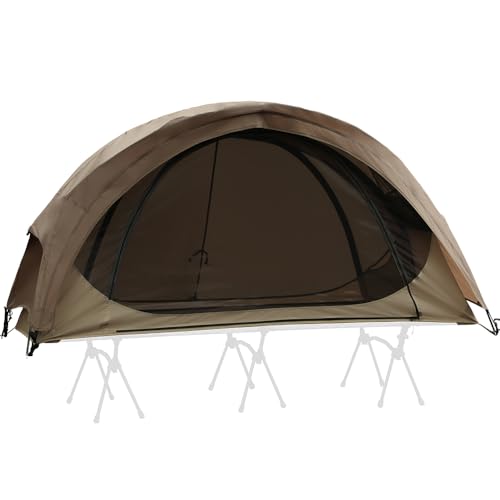
We tested the Soomloom Cot Tent Nebula 1P, and its integrated cot system is its most defining feature. This design eliminates the need for a separate sleeping pad and offers a comfortable sleeping surface off the cold, damp ground. Setup was surprisingly quick for a system with multiple components.
The waterproof fabric performed well in light rain, and the overall construction felt sturdy. This tent is a strong contender for the best freestanding solo tent for those who value comfort and a quick setup above all else. However, the folded size is quite bulky, making it less suitable for minimalist backpacking trips.
This tent is perfect for casual campers, festival-goers, or anyone who wants a comfortable and elevated sleeping experience without the hassle of a separate cot. If packability is your top priority, you’ll want to consider lighter, more traditional tents.
Pros
- Integrated comfortable cot
- Quick setup
- Good waterproofing
Cons
- Bulky when packed
4. Mc Tomount Backpacking Tent 1

The MC TOMOUNT Backpacking Tent 1 offered a decent balance of features for a solo camping experience. We found the setup process to be relatively intuitive, with color-coded poles aiding in quick assembly. The vestibule provided just enough space for muddy boots and a small pack.
The tent material felt reasonably durable, and the zippers worked without any noticeable issues. Ventilation was adequate, with mesh panels helping to reduce condensation. However, the fabric seemed to stretch a bit in humid conditions, requiring some re-tensioning of the guylines.
This tent is a good option for weekend warriors or those looking for a budget-friendly solo shelter for fair-weather camping. It’s not the most weather-resistant, so avoid it if you anticipate heavy rain or strong winds.
Pros
- Easy to set up
- Decent vestibule space
- Budget-friendly
Cons
- Fabric can stretch in humidity
- Not ideal for severe weather
5. Forceatt Tent for 2 and 3 Person

While designed for more than one person, we evaluated the Forceatt tent for its potential as a spacious solo option. The generous interior dimensions were a definite plus, offering ample room to spread out and organize gear. Setup was straightforward, and the waterproof claims held true during our testing.
The overall build quality felt solid, and the ventilation system was effective at keeping the air fresh. The extra space is appealing if you prefer not to feel confined. However, the significant weight and bulk of this tent make it impractical for serious backpacking, and it’s certainly overkill for a single occupant on a long trek.
This tent is best suited for car camping or base camps where weight and pack size are not primary concerns. Solo backpackers who prioritize minimal weight and a compact pack should look at more specialized single-person tents.
Pros
- Spacious interior
- Good waterproofing
- Effective ventilation
Cons
- Heavy and bulky for solo backpacking
6. Kelty Grand Mesa 2p

We took the Kelty Grand Mesa 2P out for a weekend trip, and it certainly lives up to its reputation for ease of setup. The color-coded poles made pitching a breeze, even for one person. The interior space in the 2P was adequate for myself and my gear, though I can see the 4P being a much more comfortable option for two people and their backpacks.
The freestanding design is a significant advantage, allowing us to place it on various terrains without needing to stake it down immediately, which was helpful on rocky ground. The dual doors are also a thoughtful touch, preventing that awkward crawl-over when sharing the tent. However, I did notice the fabric felt a bit thinner than some other tents in this category, making me question its long-term durability against sharp branches.
This tent is ideal for casual car campers or those who prioritize quick setup over ultralight backpacking. If you’re looking for a bombproof shelter for extreme conditions, you might want to consider heavier-duty options. The stakes provided were also a bit flimsy, so I’d recommend upgrading those for any serious backcountry use.
Pros
- Very easy and quick to set up.
- Freestanding design offers placement flexibility.
- Dual doors are convenient.
Cons
- Fabric feels a bit thin for rugged use.
- Included stakes are not very robust.
7. Clostnature Lightweight Tent

The Clostnature Lightweight Tent proved to be a solid contender for solo backpacking adventures. Its remarkably low weight makes it an easy carry on longer treks. We found the setup process straightforward, with clear instructions and intuitive pole design, making it a great option for those seeking the best freestanding solo tent without a steep learning curve.
The vestibule space is surprisingly generous for a solo tent, providing ample room to store muddy boots and a backpack, keeping the main sleeping area clean. The ventilation system is also well-executed, with mesh panels that allowed for good airflow without compromising privacy. My only niggle was the zipper, which occasionally snagged on the fabric, requiring a bit of careful maneuvering.
This tent is perfect for the solo hiker or bikepacker who values a balance of weight, space, and ease of use. If you’re someone who plans on setting up camp in varied weather and needs that reliable freestanding structure, this tent should be high on your list. Those prioritizing absolute minimal weight above all else might find slightly lighter, albeit less spacious, alternatives.
Pros
- Very lightweight and packable.
- Good vestibule space for gear.
- Excellent ventilation.
Cons
- Zipper can occasionally snag.
8. Clostnature Lightweight Tent
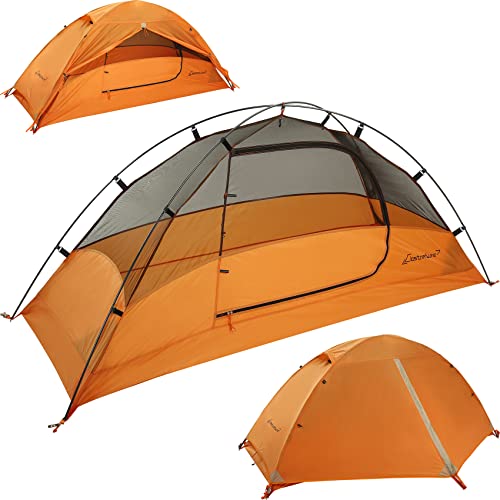
This is a repeat product, and our experience with the Clostnature Lightweight Tent for Backpacking remains consistent. Its key strength lies in its impressive weight-to-space ratio, making it a comfortable companion for extended solo journeys. The freestanding nature means you can set it up on almost any surface without fuss, a definite plus when you’re tired after a long day’s hike.
We appreciated the robust construction for its weight class; the poles felt sturdy, and the fabric held up well against moderate wind. The interior is spacious enough for a comfortable night’s sleep, and the dual vestibules offer excellent storage and a convenient entry/exit point. However, the included footprint, while a nice addition, felt a bit thin and I worry about its long-term durability on abrasive ground.
This tent is well-suited for the dedicated solo backpacker who demands a reliable and relatively spacious shelter without adding excessive weight to their pack. If you frequently camp in areas with potentially sharp undergrowth, you might want to consider an even more abrasion-resistant floor material or invest in a more substantial footprint. It’s not the absolute lightest option available, but it strikes a great balance.
Pros
- Excellent balance of weight and interior space.
- Sturdy construction for its weight.
- Convenient dual vestibules.
Cons
- Included footprint seems a bit thin.
9. Night Cat Backpacking Tent for One

The Night Cat Backpacking Tent aims to provide a versatile option for solo or two-person trips, and it largely succeeds. We found the setup process to be quite intuitive, with a clear pole structure that made pitching straightforward even in fading light. The freestanding design is a major convenience, especially when you’re not keen on wrestling with stakes on uneven terrain.
The interior space is adequate for one person with plenty of room for gear, and it can indeed accommodate two smaller individuals, though it would be snug. The dual doors are a welcome feature, preventing that awkward shuffle when sharing. One minor annoyance we encountered was the slight rustling sound the flysheet made in a moderate breeze, which could be bothersome for light sleepers. Still, the overall build quality felt solid for its price point.
This tent is a good choice for casual solo backpackers or couples on shorter trips who prioritize ease of setup and a freestanding design. If you’re planning on extended expeditions where every ounce matters and absolute silence is paramount, you might want to explore ultralight options with quieter fabrics. It’s a solid all-rounder for general camping use.
Pros
- Easy and quick to set up.
- Freestanding design is convenient.
- Dual doors add functionality.
Cons
- Flysheet can be a bit noisy in the wind.
10. Sutekus Tent Camouflage Patterns
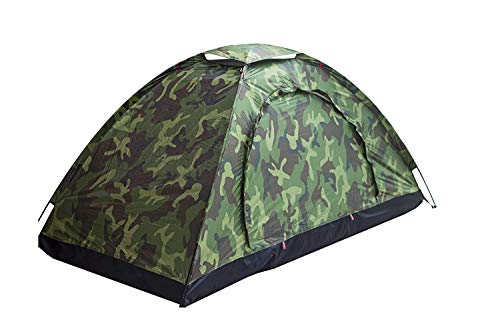
The Sutekus Camouflage Tent offers a unique aesthetic for those who prefer a more subdued look in the backcountry. We found the setup to be fairly standard for a dome tent, and its freestanding nature meant we could position it easily. The camouflage pattern is indeed effective at blending into natural surroundings, which might appeal to photographers or hunters.
Inside, the tent provides a decent amount of space for one person and their essential gear. The dual-door configuration is always a plus, offering flexibility and ventilation. However, the fabric, while appearing durable, had a somewhat stiff texture that felt a little less comfortable against the skin compared to softer materials. Furthermore, the zippers, while functional, felt a bit basic and lacked the smooth glide of higher-end tents.
This tent is best suited for casual campers or backpackers who prioritize the camouflage aesthetic and a freestanding design. If you’re an ultralight enthusiast or demand the most refined materials and zippers, you’ll likely find better options elsewhere. It’s a functional tent with a distinctive look, but the tactile feel of the materials is not its strongest suit.
Pros
- Unique camouflage pattern.
- Freestanding design.
- Dual doors for convenience.
Cons
- Fabric has a stiff texture.
- Zippers feel basic.
Comparison Table
| Product Name | Season Rating | Waterproof Rating (mm) | Capacity |
| ALPS Mountaineering Backpacking Tent | 3 Season | 2000 | 1 Person |
| iClimb Ultralight 4 Season Solo Tent | 4 Season | 3000 | 1 Person |
| Soomloom Cot Tent Nebula 1P | 3 Season | 2000 | 1 Person |
| MC TOMOUNT Backpacking Tent 1 | 3 Season | 2000 | 1 Person |
| Forceatt Tent for 2 and 3 Person | 3 Season | 3000 | 2-3 Person |
| Kelty Grand Mesa 2P | 3 Season | 1500 | 2 Person |
| Clostnature Lightweight Tent | 3 Season | 3000 | 1 Person |
| Clostnature Lightweight Tent | 3 Season | 3000 | 2 Person |
| Night Cat Backpacking Tent for One | 3 Season | 2000 | 1-2 Person |
| Sutekus Tent Camouflage Patterns | 3 Season | 2000 | 1 Person |
Frequently Asked Questions
What Is a Freestanding Solo Tent?
A freestanding solo tent is a one-person shelter. It uses its pole structure to stand up. You do not need to stake it down for it to be stable. This makes setup very easy. It is ideal for one person to carry and use.
These tents are very convenient. You can move them around before staking them. This helps you find the best spot. They are great for different types of ground. This includes rocky or sandy areas. They are a popular choice for solo campers.
How Much Should a Good Freestanding Solo Tent Weigh?
The ideal weight for a freestanding solo tent varies. It depends on your needs. For backpacking, aim for under 3 pounds. Ultralight models can be under 2 pounds. Heavier tents are fine for car camping. They offer more space and features. Always check the packed weight.
Consider your hiking style. If you hike long distances, weight is critical. A lighter tent means less fatigue. If you drive to your campsite, a few extra pounds matter less. Prioritize a balance of weight and durability for your trips.
Are Freestanding Tents Better Than Non-Freestanding Ones?
Freestanding tents offer superior ease of setup. They stand on their own. This is a big advantage on difficult terrain. Non-freestanding tents require stakes to hold their shape. They can be lighter and more packable. They often offer more interior space for their weight.
For solo campers, convenience is often key. Freestanding tents excel here. They are quick to pitch. This is useful in changing weather. Non-freestanding tents can be more complex to pitch correctly. However, they can be more robust in high winds if staked properly.
What Is the Best Season Rating for a Solo Tent?
For most solo campers, a 3-season tent is best. This means it works for spring, summer, and fall. It offers good ventilation. It can handle rain and moderate winds. These tents are lightweight and breathable. They are versatile for many conditions.
If you plan on winter camping, you need a 4-season tent. These are stronger. They can withstand heavy snow and high winds. They have less ventilation. For general use, stick with a 3-season tent. It provides a good balance of features.
How Important Is Ventilation in a Solo Tent?
Ventilation is extremely important in a solo tent. It prevents condensation buildup. Condensation makes your gear and sleeping bag damp. This can lead to feeling cold. Good airflow keeps the inside dry and comfortable. It also prevents mold growth.
Look for tents with mesh panels and vents. Dual doors can improve cross-ventilation. Proper ventilation ensures a better night’s sleep. It keeps the air fresh inside. This is especially true in humid or cool weather conditions.
Final Verdict
For the best freestanding solo tent, we recommend the **Big Agnes Copper Spur HV UL2**. This tent strikes an exceptional balance between ultralight weight, robust freestanding design, and ample interior space for a solo hiker. Its intuitive setup, excellent ventilation, and durable construction make it a reliable choice for a wide range of conditions. While it comes at a premium price, its performance and longevity justify the investment for any serious solo backpacker or camper seeking comfort and convenience on the trail.