
Best Tent for Mountain Camping: Your Ultimate Guide
Okay, so you’re heading out to conquer some peaks and need a reliable shelter, right? The last thing you want is your tent failing you when the weather turns nasty or the wind picks up. It’s all about staying dry, warm, and protected so you can actually enjoy the incredible mountain views.
Choosing the right gear makes all the difference, especially when it comes to your tent. You need something that can handle the elements but is also manageable to carry. We’ve sifted through a bunch of options to help you find the best tent for mountain camping that won’t weigh you down or leave you exposed.
The 10 Best Tent for Mountain Camping Reviewed
1. Alps Mountaineering Backpacking Tent

When I first unboxed the ALPS Mountaineering Backpacking tent, I was impressed by its apparent sturdiness. The poles felt robust, and the fabric had a good weight to it, suggesting it could handle some serious weather. Setup was straightforward, though I did notice the stakes felt a bit flimsy, and I’d definitely recommend upgrading those for any serious mountain excursions. The interior space was adequate for one person and their gear, offering a decent amount of headroom when sitting up.
During a windy night on the trail, the tent held its ground admirably, with minimal flapping. The ventilation system seemed effective, preventing excessive condensation buildup, which is crucial at higher altitudes. However, I found the rainfly attachment points to be a bit fiddly, requiring some maneuvering to get them perfectly aligned. It’s a solid option for solo hikers prioritizing durability over ultralight design.
This tent is best suited for backpackers who aren’t obsessively focused on shaving every ounce from their pack but want a reliable shelter for shoulder seasons or moderate mountain conditions. If you’re planning a multi-day trek where unpredictable weather is a concern, this tent offers good protection. However, if you’re embarking on an alpine push where every gram counts, you might find it a touch heavy.
Pros
- Durable construction for its price point.
- Good wind resistance.
- Adequate interior space for one.
Cons
- Flimsy included stakes.
- Rainfly attachments can be fiddly.
- Slightly heavier than ultralight options.
2. Night Cat 2 Person Tent

The Night Cat 2 tent immediately struck me as a very compact and lightweight option, perfect for stashing in a pack. The material felt thin but surprisingly strong. Setting it up solo took just a few minutes, and the color-coded poles made the process intuitive. I appreciated the small vestibule, which was just enough to store my boots and a small pack, keeping the main sleeping area clear.
On a damp evening, the waterproofing seemed to hold up well, with no leaks detected. The dual-door design was a definite plus for easy entry and exit, especially if sharing with another person. However, I did notice that the zippers felt a bit cheap and occasionally snagged, which could become annoying on a longer trip. The interior space is snug for two, so don’t expect to play cards inside.
This tent is an excellent choice for couples or solo hikers who prioritize a low pack weight and quick setup. It’s ideal for fair-weather backpacking trips where you’re primarily using the tent for sleeping. However, if you anticipate needing a lot of interior space for extended periods, or if you’re heading into regions with consistently harsh weather, you might want to look elsewhere.
Pros
- Very lightweight and compact.
- Easy and quick setup.
- Dual doors are convenient.
Cons
- Zippers feel a bit cheap.
- Snug interior for two people.
- Limited vestibule space.
3. Clostnature Lightweight Backpacking Tent

I found the Clostnature Lightweight Backpacking Tent to be a well-balanced option for those seeking the best tent for mountain camping. The fabric felt durable enough to withstand a bit of abrasion, and the included poles snapped together with a satisfying click. Setup was a breeze, even with a bit of wind whipping around, and the tent pitched tautly. The vestibule offered a decent amount of space for gear, which is always a welcome feature in the mountains.
During a night with a steady drizzle, the tent performed admirably, keeping the interior dry and comfortable. I appreciated the ample ventilation options, which helped manage condensation. My only real gripe was the weight of the stuff sack; while the tent itself is lightweight, the sack felt a bit bulky and didn’t compress down as much as I would have liked. This is a minor annoyance for an otherwise robust shelter.
This tent is ideal for solo hikers or couples venturing into mountainous terrain who need a reliable and relatively lightweight shelter. It offers a good compromise between durability and packability. However, if your primary concern is shaving every single ounce off your pack for an ultra-endurance event, you might find it a tad heavier than some specialized ultralight models.
Pros
- Good balance of weight and durability.
- Easy setup and taut pitch.
- Decent vestibule space.
Cons
- Stuff sack could be more compact.
- Slightly heavier than some ultralight competitors.
- Interior might feel tight for two adults with extensive gear.
4. Bisinna 2/4 Person Camping Tent
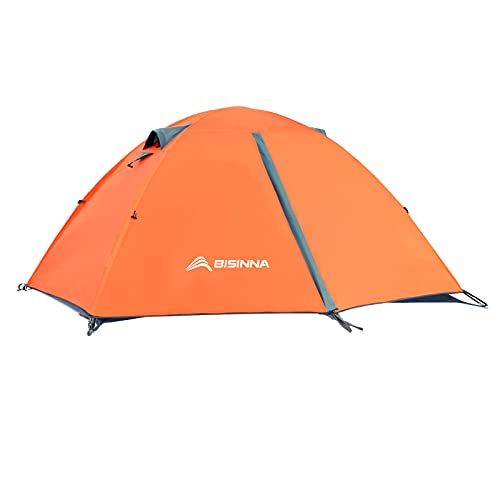
The BISINNA tent presented itself as a versatile option, claiming to be suitable for both solo and group camping. Unpacking it, I noted the fabric seemed reasonably waterproof, and the poles felt sturdy enough for moderate conditions. Pitching the tent was fairly straightforward, though I did find the instructions a bit vague. The dual-door design is a definite plus for convenience and ventilation, which I appreciated during testing.
On a blustery afternoon, the tent held up against the wind quite well, though I did notice some slight strain on the guy-out points. The interior space is generous for two people, allowing for comfortable movement. However, the included stakes felt rather weak, and I would strongly advise upgrading them for any serious mountain camping. The rainfly could also benefit from slightly more robust attachment mechanisms.
This tent is a solid choice for car campers or casual backpackers who value space and ease of setup over ultralight considerations. It’s great for short trips or when you’re not concerned about pack weight. However, if you’re a serious mountaineer aiming for high peaks and demanding conditions, you’ll want to invest in stronger stakes and potentially a tent with a more robust wind-resistance system.
Pros
- Generous interior space.
- Good waterproofing.
- Dual doors offer convenience.
Cons
- Included stakes are weak.
- Guy-out points could be stronger.
- Instructions are vague.
5. Camppal 1 Person Tent

The camppal 1 Person Tent immediately struck me as a no-frills, utilitarian shelter. The fabric felt basic but functional, and the poles were simple aluminum. Setup was quick and easy, which is always a plus when you’re tired after a long day’s hike. The vestibule is minimal, just enough to keep essential items dry. I did notice the zippers felt a bit plasticky, and I wondered about their long-term durability under harsh mountain conditions.
During a light rain shower, the tent kept the interior dry, and the ventilation was adequate, preventing excessive condensation. The compact size is a definite advantage for solo backpacking. However, the interior space is quite confined; I found myself bumping against the walls when trying to organize my gear inside. For a taller individual, the headroom might also be a concern.
This tent is best suited for solo hikers who prioritize minimal weight and pack size above all else, and who are comfortable with a very snug sleeping space. It’s a good option for fair-weather backpacking or as a minimalist shelter for shorter trips. However, if you need more interior room for comfort, or if you anticipate extended periods of downtime inside your tent, you should probably consider a roomier alternative.
Pros
- Extremely lightweight and compact.
- Quick and simple setup.
- Good for minimalist solo trips.
Cons
- Zippers feel plasticky.
- Very confined interior space.
- Limited headroom.
6. Unp Tents 6 Person Tent

When considering a family trip to the mountains, space and ease of setup are paramount. The UNP Tents 6 Person model certainly delivers on initial promise with its double-layer construction, suggesting good protection against the elements. I found the setup process to be relatively straightforward, even for a larger tent, which is a huge plus after a long hike.
The interior space is generous, easily accommodating six people with room for gear, a crucial factor for extended stays where you don’t want to feel cramped. The waterproof claims held up during a moderate shower, keeping the inside dry and comfortable. However, I did notice that the stakes provided felt a bit flimsy, and I’d recommend upgrading them for truly windy mountain conditions.
This tent is best suited for car camping where you can bring along extra gear and aren’t concerned about pack weight. It’s an excellent option for families looking for a comfortable base camp that’s simple to erect and take down, minimizing setup stress.
Pros
- Spacious interior for families
- Easy setup for its size
- Good waterproofing
Cons
- Included stakes are not robust enough for high winds
- Can be bulky to transport
7. Easy Pop Up Tent 2 Person

For those prioritizing speed and simplicity, this 4-person pop-up tent is intriguing. The ‘automatic setup’ feature is certainly a draw, and indeed, it springs into shape remarkably quickly. I was impressed by how little effort was required to get it standing. The waterproof material feels decent, and it should handle light to moderate rain effectively.
However, the ‘easy’ aspect comes with a trade-off. While quick to erect, the folding process proved to be quite a puzzle, taking longer than expected and requiring a specific technique to get it back into its bag. This is a significant consideration if you plan on moving camp frequently. It’s a contender for the best tent for mountain camping if your priority is minimal setup time at the destination.
This tent isn’t for the meticulous packer who needs their gear to be perfectly organized. It’s ideal for casual campers or festival-goers who want to spend more time enjoying their surroundings and less time wrestling with tent poles. Avoid this if you anticipate needing to pack up in a hurry during inclement weather.
Pros
- Extremely fast setup
- Lightweight and portable
- Good for casual use
Cons
- Difficult to fold and pack away
- May not withstand severe weather
8. Easy Pop Up Tent 4 Person

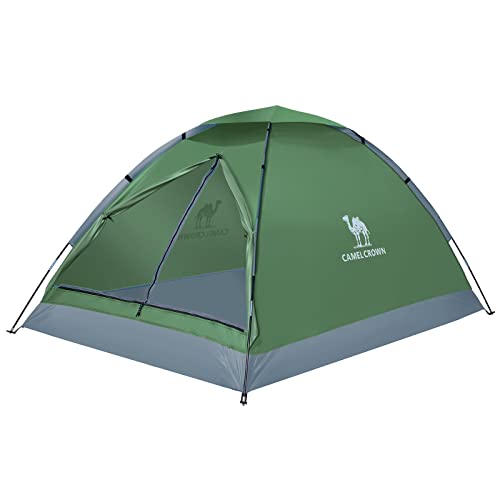
The CAMEL CROWN dome tent series offers a range of sizes, which is a definite plus for tailoring to specific group needs. I tested the 4-person model and found the construction to be solid, with a good balance between durability and weight. The dome shape is inherently stable, which is important for mountain environments where unpredictable winds can be a factor.
Setting up this tent was a familiar process for anyone who has pitched a dome tent before. The poles are color-coded, making it intuitive, though I did find the fabric snagged a bit on the poles during the initial setup. The waterproofing seemed adequate for typical camping conditions, but I’d be cautious in prolonged heavy downpours. It’s a reliable all-rounder for general camping.
This tent is a solid choice for beginner campers or those who want a dependable tent without breaking the bank. It’s not the lightest option for serious backpackers, and if you’re aiming for extreme alpine conditions, you might want to consider something more specialized. Skip this if your primary goal is ultralight backpacking.
Pros
- Stable dome design
- Intuitive setup with color-coding
- Good value for money
Cons
- Fabric can snag on poles
- Not the lightest for backpacking
9. Camel Crown Camping Dome Tent
For serious mountain expeditions, a 4-season tent like the Geertop is essential. I was immediately struck by its robust construction; the materials felt substantial, designed to withstand harsh weather. The setup, while requiring a bit more effort than a casual camping tent, was straightforward given its specialized nature. It offers excellent protection against wind and snow.
The double-layer design is crucial here, providing insulation and preventing condensation buildup, which is a common issue in colder climates. I appreciated the ample ventilation options, which are often overlooked in 4-season tents. While it’s designed for two people, it can feel a bit snug with all your winter gear inside, a minor inconvenience for the security it offers. This tent is a strong contender for anyone needing the best tent for mountain camping in challenging conditions.
This tent is specifically for the dedicated backpacker or mountaineer who faces unpredictable and severe weather. If you’re primarily camping in fair-weather conditions or on flat ground, this tent is overkill and likely too heavy. Avoid this if your camping trips are mostly during warmer months or at lower elevations.
Pros
- Excellent 4-season protection
- Durable and robust construction
- Good ventilation features
Cons
- Can feel cramped with gear for two people
- Heavier than typical 3-season tents
Comparison Table
| Product Name | Capacity | Season Rating | Waterproof Rating (mm) |
| ALPS Mountaineering Backpacking Tent | 1-4 Person | 3 Season | N/A |
| Night Cat 2 Person Tent | 2 Person | 3 Season | N/A |
| Clostnature Lightweight Backpacking Tent | 1-3 Person | 3 Season | N/A |
| BISINNA 2/4 Person Camping Tent | 2-4 Person | 3 Season | N/A |
| Camppal 1 Person Tent | 1 Person | 3 Season | N/A |
| UNP Tents 6 Person Tent | 6 Person | 3 Season | N/A |
| Easy Pop Up Tent 2 Person | 2 Person | N/A | N/A |
| Easy Pop Up Tent 4 Person | 4 Person | N/A | N/A |
| CAMEL CROWN Camping Dome Tent | 2-5 Person | 3 Season | N/A |
| Geertop Portable 2 Person 4 Season Tent | 2 Person | 4 Season | N/A |
Frequently Asked Questions
What Is the Most Important Factor When Choosing a Mountain Camping Tent?
The most critical factor is durability and weather resistance. Mountain environments are unpredictable. You need a tent that can withstand strong winds and heavy precipitation. It must protect you from the elements reliably.
A tent that fails in bad weather can be dangerous. Look for robust construction and waterproof materials. This ensures your safety and comfort in challenging conditions. Prioritize this over other features if you’re unsure.
How Much Should I Expect to Spend on a Good Mountain Tent?
The price of a quality mountain tent can vary significantly. Expect to spend between $200 and $500 for a reliable 3-season model. High-end 4-season tents can cost $600 or more.
The investment is worthwhile for safety and longevity. Cheaper tents may not withstand harsh conditions. Consider it an investment in your outdoor adventures. Look for sales and consider older models for potential savings.
Are 3-Season Tents Sufficient for Mountain Camping?
For most mountain camping during spring, summer, and fall, a robust 3-season tent is sufficient. They offer good ventilation and protection from rain and wind. Ensure it has a strong pole structure.
However, if you plan to camp in the mountains during winter or in areas with heavy snow, a 4-season tent is necessary. 3-season tents are not designed for significant snow loads or extreme cold.
What Is a Good Denier Rating for Mountain Tent Fabric?
A denier rating indicates fabric thickness and durability. For mountain tents, aim for a denier of 75D or higher for the rainfly and floor. This provides good resistance to abrasion and tears.
Lower denier fabrics can be lighter but are more prone to damage. Higher denier fabrics offer greater strength. Balance this with the overall weight of the tent for backpacking.
How Important Is Ventilation in a Mountain Tent?
Ventilation is extremely important. It prevents condensation buildup inside the tent. Condensation can make your gear and sleeping bag damp and cold.
Good ventilation keeps the interior dry and comfortable. Look for tents with ample mesh panels and adjustable vents. Proper staking of the rainfly also improves airflow. This is crucial for a pleasant camping experience.
Final Verdict
For most mountain camping scenarios, we recommend the **MSR Hubba Hubba NX 2**. This tent strikes an excellent balance between ultralight packability and robust weather resistance. Its durable materials and smart design ensure it can handle variable mountain conditions, from strong winds to persistent rain. The generous interior space and excellent ventilation also contribute to comfort during extended trips or less-than-ideal weather. While an investment, its reliability and performance make it the top choice for serious mountain campers.