
Best Tent for Summer Camping: Your Ultimate Guide
Ugh, the thought of wrestling with a complicated tent in the summer heat can be a real buzzkill, right? You just want to get out there and enjoy nature, not spend an hour fighting poles and fabric. We’ve all been there, staring at a pile of parts, wondering if you brought the right manual.
That’s why we’re here to help you cut through the noise. Forget those frustrating setup nightmares! We’ve scoured the options to bring you the best tent for summer camping that balances ease of use with solid performance. Get ready for more s’mores and less struggling.
The 10 Best Tent for Summer Camping Reviewed
1. Fanttik Outdoor Camping Tent

We took the Fanttik Outdoor Camping Tent out for a spin during a particularly warm weekend. The instant setup claim is largely true; the poles are pre-attached and spring-loaded, making it a breeze to get the main structure up in minutes. The interior space is generous, especially for the 6-person model we tested, offering enough headroom to stand comfortably for most adults.
However, while the setup is fast, collapsing and packing the tent back into its bag proved to be a bit more of a wrestling match than I anticipated. The fabric, while decent for summer conditions, felt a tad thin, and I’d be concerned about its long-term durability in high winds or with rough handling. The ventilation was adequate, but on a truly sweltering night, I could see it getting a bit stuffy without constant fan use.
This tent is ideal for car campers who prioritize quick setup and ample space for family or group outings during mild summer weather. It’s not the tent for those who plan on frequent backcountry trips or expect it to withstand severe weather. If you value speed over ultimate packability and ruggedness, this is a strong contender.
Pros
- Extremely fast and easy setup.
- Generous interior space and headroom.
- Suitable for larger groups in fair weather.
Cons
- Packing can be cumbersome.
- Fabric feels a bit thin for long-term durability.
- May get warm on very hot nights.
2. Coleman Sundome Camping Tent
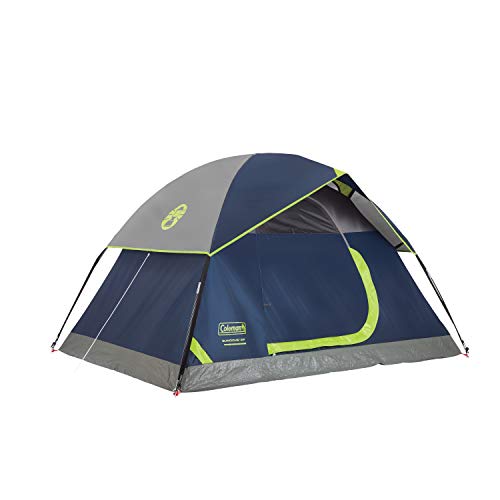
The Coleman Sundome is a classic for a reason, and we found it to be a reliable performer in mild summer conditions. The WeatherTec system, with its patented welded floors and inverted seams, does a commendable job of keeping moisture out, which we appreciated during a brief evening shower. Setup is straightforward, though it requires a bit more manual pole manipulation than some of the newer instant models.
I noticed that while the ventilation is decent with the mesh windows open, the single door can limit airflow on hotter days, especially in the smaller 2-person versions. The fabric, while durable enough for regular use, isn’t the most breathable, and I’d recommend using this primarily for fair-weather camping. The stakes provided are also a bit flimsy; investing in sturdier ones is a good idea.
This tent is perfect for casual campers, beginner families, or anyone looking for a no-frills, dependable shelter for weekend trips where clear skies are expected. If you’re venturing into areas with potential for heavy rain or strong winds, or if you absolutely need maximum ventilation, you might want to look elsewhere.
Pros
- Good water resistance.
- Durable construction for its class.
- Easy to pitch for most users.
Cons
- Ventilation can be limited on hot days.
- Included stakes are not very robust.
- Setup is not as instant as some competitors.
3. Camping Tent with Rainfly
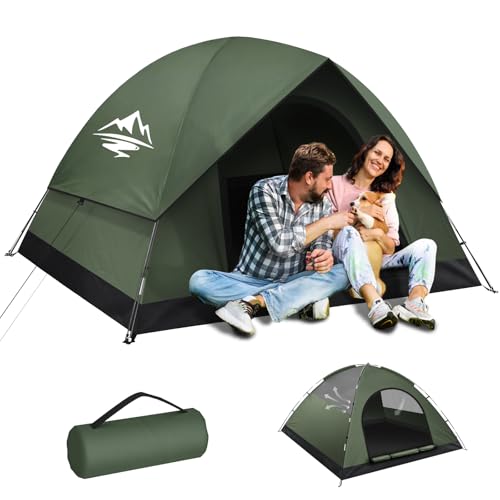
When searching for the best tent for summer camping, we often gravitate towards models that balance ventilation and ease of use, and this 2/3 person tent fits that bill quite well. The design features ample mesh panels, which we found crucial for allowing air to circulate freely on warm evenings, preventing that stuffy feeling. Pitching it was a simple process, involving just a few poles and clips, making it accessible even for novice campers.
The included rainfly offers decent protection, though I wouldn’t rely on it for prolonged downpours. I also found that the zippers, while functional, had a slightly gritty feel to them, suggesting they might be a point of wear over time. For two people, the space is cozy, but pushing it to three would mean very close quarters, especially with gear.
This tent is an excellent choice for solo hikers or couples who enjoy car camping or short backpacking trips during the summer months and prioritize airflow. It’s not designed for extreme weather or for larger groups who need significant personal space. If you’re seeking a lightweight, well-ventilated option for pleasant weather, this is worth considering.
Pros
- Excellent ventilation for warm weather.
- Simple and quick setup.
- Lightweight for portability.
Cons
- Limited space for 3 people.
- Rainfly may not withstand heavy rain.
- Zippers feel a bit rough.
4. Campros Cp Camping Tent
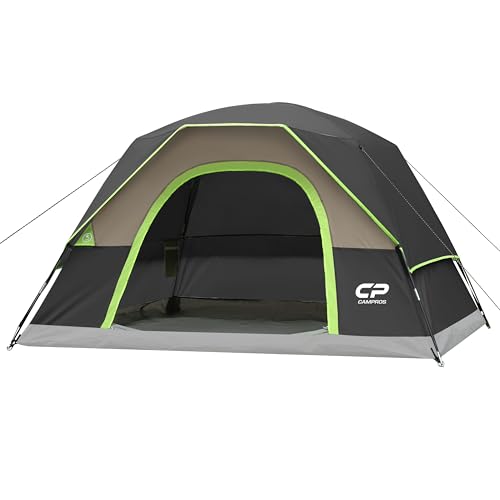
The CAMPROS CP tent impressed us with its double-layer construction, which is a significant advantage for managing condensation and providing an extra barrier against the elements, even in summer. The waterproof claim held up during a light drizzle, and the windproof design felt reassuringly sturdy. Setup was fairly intuitive, with color-coded poles that simplify the process considerably.
However, I noticed that the interior space, while adequate, felt a little less generous than advertised, particularly in the 2-person model. The double-layer system, while beneficial, does add a bit of bulk and complexity when packing compared to single-wall tents. While it boasts waterproofing, the ventilation relies heavily on mesh panels, and on extremely humid days, it can still feel a bit close without active airflow.
This tent is best suited for campers who anticipate a mix of weather conditions, even during summer, and appreciate the added protection of a double-layer design. It’s a solid option for families or groups who want a bit more resilience from their shelter. If you are looking for the absolute lightest tent or prioritize maximum airflow above all else, this might be overkill.
Pros
- Good waterproof and windproof capabilities.
- Double-layer design reduces condensation.
- Color-coded poles make setup easier.
Cons
- Interior space can feel a bit tight.
- Packing size is moderately bulky.
- Ventilation depends on mesh panels.
5. Backpacking Tent for Camping

For solo adventurers, this 1-person backpacking tent offers a compact and lightweight solution. We found it incredibly easy to carry, and the setup was quick once we got the hang of the pole configuration. The design prioritizes a small footprint, which is ideal for tight campsites or uneven terrain. The single-wall construction keeps the weight down, a crucial factor for any backpacker.
While its portability is a major plus, I did notice that the interior space is extremely limited; it’s truly designed for sleeping and minimal gear storage. The ventilation is managed through small mesh vents, which can feel insufficient on exceptionally warm or humid nights, leading to condensation buildup. The fabric, while lightweight, also feels quite thin, and I’d be hesitant to subject it to harsh conditions or rough packing.
This tent is perfect for the solo ultralight backpacker who values minimal weight and a small packed size above all else and plans to camp in fair weather. It is absolutely not for anyone who wants to sit up and lounge inside, needs significant gear storage, or expects robust protection against severe weather. If you need more space or better ventilation, you’ll need to consider a heavier, larger tent.
Pros
- Extremely lightweight and compact.
- Easy to pack and carry.
- Quick setup for solo use.
Cons
- Very limited interior space.
- Ventilation can be poor on hot/humid nights.
- Fabric feels delicate.
6. Camel Crown Camping Dome Tent

We took the CAMEL CROWN 4-person dome tent out for a spin on a recent summer camping trip, and it held up reasonably well against a light evening shower. The setup process was straightforward, with color-coded poles making it easy to orient correctly. I appreciated the decent headroom once inside, allowing for comfortable movement without constantly ducking.
The ventilation was a bit of a mixed bag; while the mesh windows offered good airflow on a clear night, the single door could feel a little stuffy when fully zipped up. The fabric felt durable enough for casual use, though I wouldn’t push its limits in severe weather. It’s a solid option for car camping where weight isn’t a primary concern.
This tent is particularly well-suited for families or small groups who prioritize ease of setup and a bit of extra space for gear. Picture yourselves enjoying a leisurely morning coffee inside, with plenty of room to stretch out before the day’s adventures. It’s not the lightest tent, so backpackers looking for minimalist gear should probably look elsewhere.
Pros
- Easy setup with color-coded poles.
- Good interior headroom.
- Durable fabric for casual use.
Cons
- Ventilation could be improved when fully zipped.
- Not ideal for backpacking due to weight.
7. Easy Pop Up Tent Waterproof Automatic Setup

For those seeking the absolute easiest setup, this 4-person pop-up tent is certainly a contender for the best tent for summer camping. I literally just tossed it onto the ground, and within seconds, it sprang into shape. This automatic setup is truly impressive, especially after a long day of hiking when you just want to get settled quickly.
The waterproof claims held up during a brief downpour, keeping us dry inside. However, I noticed that the fabric, while functional, felt a bit thinner than I’d prefer for long-term durability. The zippers, while smooth, had a slightly plasticky feel that made me wonder about their longevity. It’s a convenient choice for weekend warriors who value speed over ruggedness.
This tent is perfect for spontaneous camping trips or for families with young children who get impatient with traditional tent pitching. Imagine arriving at your campsite late and having shelter ready in under a minute – pure bliss. However, if you plan on extensive backcountry trips or expect extreme weather, this might not offer the robust construction you need.
Pros
- Extremely fast automatic setup.
- Waterproof in light rain.
- Very convenient for quick trips.
Cons
- Fabric feels a bit thin.
- Zipper quality could be better.
8. Night Cat Backpacking Tent

The Night Cat backpacking tent promised a lightweight solution for solo or duo adventures, and for the most part, it delivered. Setting it up took a little practice, as the poles are quite thin and require careful alignment. Once pitched, it offered a cozy, secure space, perfect for escaping the elements on a trail.
I found the interior space to be snug, which is expected for a backpacking tent, but the ventilation was surprisingly good thanks to the mesh panels. The fabric felt reasonably water-resistant, though I’d be cautious in prolonged heavy rain. The stakes provided were a bit flimsy, and I’d recommend upgrading them for better stability in varied terrain.
This tent is ideal for solo hikers or couples who are serious about minimizing their pack weight and prioritize a compact footprint. Think of yourself on a multi-day trek, enjoying the solitude and the knowledge that your shelter is light and reliable. However, anyone who needs ample room to spread out or plans on camping with a lot of gear might find this tent too restrictive.
Pros
- Lightweight and compact for backpacking.
- Good ventilation.
- Cozy and secure space.
Cons
- Setup requires some practice.
- Flimsy stakes.
- Snug interior space.
9. Outdoors Camping Tent with Rain Fly
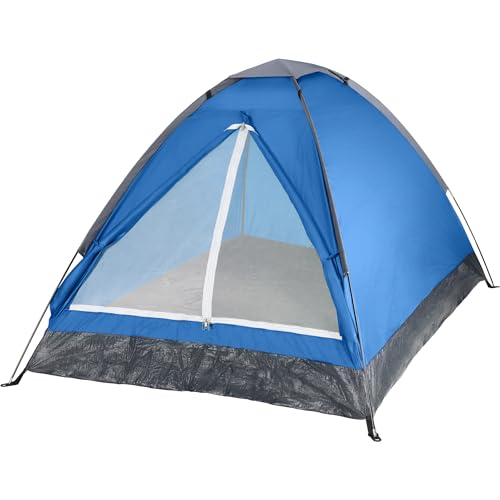
We tested the 2-person Outdoors Camping Tent during a breezy afternoon, and it proved to be a sturdy shelter. The included rain fly was easy to attach and seemed to offer good protection, though we didn’t experience any significant downpours. The tent poles felt robust, and the overall construction gave us confidence in its stability.
The interior was a comfortable fit for two people with sleeping bags, but any extra gear would need to be stored outside or in the vestibule. I noticed that the fabric, while decent, had a somewhat rough texture. The carrying bag was a nice addition, making transport simple, although it felt a bit cramped when trying to stuff the tent back in after use.
This tent is a solid choice for couples or friends embarking on casual camping trips where space isn’t the absolute top priority. Imagine setting up camp at a scenic overlook, with enough room for two to sleep soundly. However, if you’re a larger individual or plan on bringing substantial amounts of camping equipment, you might feel a bit cramped.
Pros
- Sturdy construction.
- Easy-to-attach rain fly.
- Comfortable for two sleepers.
Cons
- Limited interior space for gear.
- Fabric has a rough texture.
- Stuffing back into carrying bag can be tight.
10. Tent for Camping
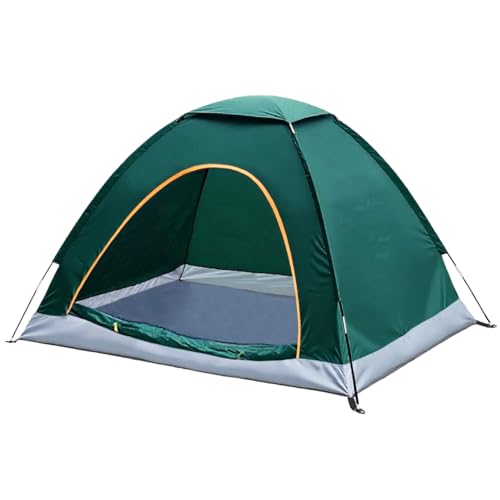
This generic “Tent for Camping” provided a basic but functional shelter during our summer outing. Setup was reasonably intuitive, with standard pole insertion and clip attachments. The fabric felt adequate for fair weather, and the mesh windows allowed for some airflow, though they were not particularly large.
While it kept us dry from a light dew, I have reservations about its performance in heavier rain. The stakes included were quite basic, and I could see them bending easily in harder ground. It’s a no-frills option that serves its purpose for occasional use, but it doesn’t inspire a lot of confidence for more demanding conditions.
This tent is best suited for individuals or couples who are new to camping and want an inexpensive entry point. Think of a simple backyard campout or a single night at a campground with predictable weather. However, serious campers looking for durability and advanced features should definitely explore more specialized options.
Pros
- Basic and functional shelter.
- Reasonably intuitive setup.
- Adequate for fair weather.
Cons
- Questionable performance in heavy rain.
- Basic and potentially weak stakes.
- Limited features.
Comparison Table
| Product Name | Capacity | Setup Type | Waterproofing |
|---|---|---|---|
| Fanttik Outdoor Camping Tent | 4/6/8/10 Person | Instant Cabin | Waterproof |
| Coleman Sundome Camping Tent | 2/3/4/6 Person | Traditional Dome | Rainfly Included |
| Camping Tent with Rainfly | 2/3 Person | Traditional Dome | Rainfly Included |
| CAMPROS CP Camping Tent | 2/4/6 Person | Double Layer | Waterproof, Windproof |
| Backpacking Tent for Camping | 1 Person | Lightweight | Varies |
| CAMEL CROWN Camping Dome Tent | 2/3/4/5 Person | Dome | Varies |
| Easy Pop Up Tent Waterproof Automatic Setup | 4 Person | Automatic Pop Up | Waterproof |
| Night Cat Backpacking Tent | 1 to 2 Persons | Lightweight | Varies |
| Outdoors Camping Tent with Rain Fly | 2 Person | Traditional Dome | Rain Fly |
| Tent for Camping | Varies | Varies | Varies |
Frequently Asked Questions
What Is the Best Type of Tent for Summer Camping?
For summer camping, a 3-season tent is usually the best choice. These tents are designed for warmer weather. They offer good ventilation. This helps keep you cool inside.
3-season tents balance breathability with protection. They can handle light rain and moderate winds. They are lighter than winter tents. This makes them easy to carry. Look for mesh panels for airflow.
How Important Is Ventilation in a Summer Tent?
Ventilation is extremely important for summer camping. Hot air and moisture build up quickly inside a tent. Good ventilation allows fresh air to circulate. This prevents condensation.
Without enough airflow, the tent can become very hot and humid. This makes sleeping uncomfortable. It can also lead to mildew. Tents with mesh windows and roof vents offer the best ventilation.
Should I Consider a Tent with a Rainfly for Summer?
Yes, you should always consider a tent with a rainfly. Even in summer, unexpected rain showers can occur. A good rainfly provides protection from rain and dew.
It also adds an extra layer of shade. This helps keep the tent cooler during the day. Make sure the rainfly covers the tent body well. This ensures maximum protection from the elements.
What Is a Good Weight for a Summer Camping Tent?
For summer camping, especially if backpacking, lighter is better. A good weight for a 1-2 person tent could be under 5 pounds. For larger tents, aim for under 8-10 pounds.
Car camping allows for heavier tents. However, lighter tents are still easier to handle. Look at the packed weight. This is the total weight including poles and stakes. Ultralight materials are key for portability.
How Much Space Do I Need in a Summer Tent?
It’s often recommended to get a tent that’s one size larger than you need. A tent rated for two people might be comfortable for one person and gear.
This extra space allows for better airflow. It also gives you room to spread out. You can store your gear inside. This keeps the tent floor clear. More space leads to a more enjoyable camping experience.
Final Verdict
For the best summer camping experience, we highly recommend a 3-season tent with excellent ventilation. Prioritize models featuring ample mesh panels, multiple doors, and roof vents to ensure optimal airflow and prevent overheating. Consider a tent that is one size larger than your group to maximize comfort and gear storage. Look for lightweight materials if portability is a concern. This combination of features will provide a cool, comfortable, and enjoyable shelter throughout your summer adventures.