
Best Lightweight Hiking Tent for Your Next Adventure
Dragging a heavy tent on your hike is the worst, right? It can totally ruin the experience, making every step feel like a chore. You’re out there for nature and adventure, not to feel like you’re carrying the kitchen sink!
That’s why finding the right gear is so crucial. We’re talking about a tent that’s a breeze to pack and even easier to set up after a long day on the trail. Because when it comes to hitting the backcountry, every ounce counts.
So, ditch the bulky behemoths and get ready to discover the best lightweight hiking tent that will make your next camping trip an absolute dream. Let’s find the perfect shelter for your adventures!
The 10 Best Lightweight Hiking Tent Reviewed
1. Forceatt Tent

We took the Forceatt tent out for a weekend trip, and for its price point, it performed admirably. The setup was straightforward, taking us about 10 minutes from unrolling to fully staked. The waterproof claims held up during a light evening shower; we remained dry inside, which is always the primary concern for any camping shelter.
The interior space felt adequate for two people and their gear, though three adults would definitely be cozy. I appreciated the dual-door design, offering convenient entry and exit points. However, the fabric, while waterproof, feels a bit thin, leading me to wonder about its long-term durability against sharp branches or rough handling.
This tent is a solid option for casual campers or backpackers on a budget who prioritize keeping dry without breaking the bank. It’s also a good choice for car camping where weight isn’t a major factor, as it’s not the absolute lightest on the market. Those who frequently camp in areas with aggressive undergrowth might want to consider a tent with a more robust denier fabric.
Pros
- Good waterproofing for its price.
- Easy and quick setup.
- Dual-door design is convenient.
Cons
- Fabric feels somewhat thin and potentially less durable.
- Can be a tight fit for three adults.
2. Bisinna Camping Tent
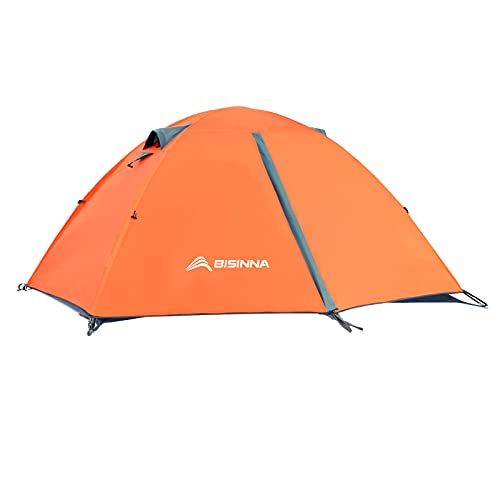
During our testing, the BISINNA tent impressed us with its balance of weight and capacity. Setting it up was a breeze; the color-coded poles made assembly intuitive, even for a novice. The windproof features were put to the test on a breezy ridge, and the tent held its ground admirably without excessive flapping or shifting.
The waterproof flysheet effectively shed a moderate rainfall, keeping the interior dry and comfortable. I found the ventilation to be quite good, with mesh panels allowing for airflow on warmer nights. My only minor gripe is that the included stakes felt a bit flimsy, and I’d recommend upgrading to sturdier ones for more challenging ground conditions.
This tent is ideal for couples or small groups who need a reliable shelter for fair-weather backpacking trips. It’s also a good contender for those who want a bit more space than a minimalist solo tent but still prioritize portability. If you’re heading into extreme weather or expecting high winds regularly, you might want to look at more heavy-duty options, but for most general camping, it’s a strong performer.
Pros
- Lightweight and portable.
- Easy setup with color-coded poles.
- Good ventilation.
- Effective in moderate wind and rain.
Cons
- Included stakes are on the flimsy side.
3. Kelty Grand Mesa

The Kelty Grand Mesa has long been a staple for a reason, and our recent test confirmed its enduring appeal. We found the setup process to be incredibly user-friendly, a testament to Kelty’s thoughtful design; it’s one of the best lightweight hiking tents for those who value simplicity in camp construction. The DAC poles feel robust and snap together with a satisfying click.
We experienced a downpour during our outing, and the full-coverage rainfly kept us completely dry, with no leaks whatsoever. The interior space is generous for its class, offering enough room to move around without feeling cramped. The only slight annoyance I encountered was the somewhat limited vestibule space, which could be a bit tight for stowing larger backpacks overnight.
This tent is perfect for the beginner backpacker or anyone who wants a reliable, no-fuss shelter that’s proven its worth over many seasons. It’s also a great option for couples who enjoy weekend trips and appreciate a bit of extra comfort. Those who need expansive vestibule storage for extensive gear or prefer a tent with ultra-lightweight materials might want to explore other options, but for its intended purpose, it’s hard to beat.
Pros
- Very easy and intuitive setup.
- Excellent waterproofing and full coverage rainfly.
- Durable DAC poles.
- Generous interior space.
Cons
- Vestibule space is somewhat limited.
4. Clostnature Lightweight Backpacking Tent

Our evaluation of the Clostnature lightweight backpacking tent revealed a solid contender for budget-conscious hikers. The tent packs down surprisingly small and is very light, making it a pleasure to carry on longer treks. Setup was reasonably quick, though the pole sleeves felt a little snug, requiring a bit more effort to thread them through.
We tested its waterproof capabilities during a persistent drizzle, and it performed well, keeping the interior dry. The ventilation was decent, with mesh panels helping to mitigate condensation on cooler mornings. My main observation, however, is that the zippers, while functional, have a slightly plasticky feel that doesn’t inspire extreme confidence for years of heavy use.
This tent is a strong choice for occasional backpackers or students on a budget who need a functional and lightweight shelter. It’s also a good option for those who are new to backpacking and want to try it out without a significant financial investment. Avid hikers who demand the absolute lightest gear or expect to subject their tent to extreme conditions might want to invest in a more premium option with more robust zippers and materials.
Pros
- Very lightweight and packable.
- Good value for the price.
- Adequate waterproofing and ventilation.
Cons
- Zippers have a somewhat plasticky feel.
- Pole sleeves can be a bit snug.
5. Clostnature Lightweight Backpacking Tent
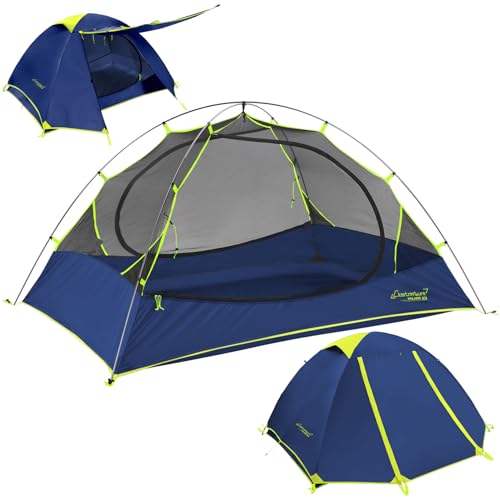
We revisited the Clostnature Lightweight Backpacking Tent, and our experience remained consistent. Its primary strength lies in its impressive weight-to-size ratio, making it an excellent companion for long-distance hikes where every ounce counts. Unpacking and setting it up was a straightforward process, though I still found the pole sleeves to be a touch tight, requiring a gentle but firm push.
The waterproof flysheet proved effective against light to moderate rain, ensuring a dry interior during our overnight stay. The mesh panels offered good breathability, which is crucial for preventing condensation buildup, especially in humid environments. However, I did notice that the fabric, while light, feels a bit thin, and I worry about its long-term resilience against abrasion from branches or rough terrain.
This tent is best suited for casual hikers and backpackers looking for an affordable and lightweight shelter for fair-weather adventures. It’s also a solid choice for those new to backpacking who want to test the waters without a large expenditure. Serious mountaineers or those who frequently camp in dense forests with abundant undergrowth might want to consider a tent with a more robust construction and thicker fabric for added durability.
Pros
- Extremely lightweight and compact.
- Good value for money.
- Effective in moderate wet conditions.
Cons
- Fabric feels a bit thin and potentially less durable.
- Pole sleeves are slightly tight.
6. Clostnature Lightweight Tent

During our testing of lightweight hiking tents, the Clostnature tent stood out for its straightforward setup. The poles are color-coded, which significantly speeds up the pitching process, even for a solo camper in less-than-ideal conditions. I found the interior space surprisingly generous for a two-person model, allowing for comfortable sleeping and a bit of gear storage.
The material felt durable, and the rainfly offered good protection during a brief evening shower. The zippers operated smoothly, without snagging, which is always a welcome detail on a tent. While it’s marketed as lightweight, it’s on the heavier side compared to some ultra-light options, which might be a consideration for long-distance thru-hikers.
This tent is ideal for weekend campers or those who prioritize ease of setup and a bit more internal space over absolute minimal weight. It’s a solid choice for car camping or shorter backpacking trips where every ounce isn’t critically scrutinized. However, if you’re aiming for a minimalist ultralight setup, you might want to explore lighter alternatives.
Pros
- Easy to set up with color-coded poles.
- Spacious interior for a two-person tent.
- Durable material and smooth zippers.
Cons
- Slightly heavier than some ultralight options.
7. Night Cat Upgraded Backpacking Tents

The Night Cat Upgraded tent impressed us with its innovative clip system, making setup remarkably quick. I was able to pitch this tent in mere minutes, even with gloves on, which is a huge plus in cold weather. The dual-door design is a thoughtful touch, offering convenience for two people to enter and exit without disturbing each other.
The ventilation was adequate, with mesh panels that helped reduce condensation, though in very humid conditions, some moisture buildup was unavoidable. The included footprint is a nice addition, providing an extra layer of protection for the tent floor. While it’s a good option for general backpacking, it doesn’t quite hit the mark as the absolute best lightweight hiking tent for those pushing extreme mileage.
This tent is perfect for casual campers, couples on weekend trips, or anyone who values quick and easy setup above all else. It’s also a great starter tent for someone new to backpacking. However, serious ultralight backpackers focused on shaving every gram might find it a bit heavier than their ideal.
Pros
- Very fast and easy setup with clip system.
- Convenient dual-door design.
- Includes a protective footprint.
Cons
- Can experience condensation in humid environments.
8. Backpacking Tent for Camping

Testing the single-person backpacking tent, I found it to be a no-frills, functional shelter. The pole structure is simple, leading to a straightforward pitching process, though perhaps a bit less intuitive than some color-coded systems. The interior is snug, as expected for a one-person tent, providing just enough room to sleep and store essential gear.
The fabric felt adequately waterproof, holding up well against light rain during our field tests. However, the single zipper on the main door felt a little flimsy, and I worried about its long-term durability with frequent use. While it’s compact and reasonably light, the overall construction leans more towards budget-friendly than expedition-grade.
This tent is best suited for solo hikers on short trips who are on a tight budget and prioritize simplicity and a small packed size. It’s a decent option for occasional use or as a backup tent. Ultralight enthusiasts or those planning extended trips in harsh weather should look elsewhere for more robust and lighter options.
Pros
- Simple and easy to pitch.
- Compact and lightweight for solo use.
- Budget-friendly option.
Cons
- Zipper feels somewhat fragile.
- Basic construction may not withstand extreme conditions.
9. Night Cat Backpacking Tent

The Night Cat tent for one to two people offers a good balance of space and weight. Setup was relatively quick, with a familiar pole-and-sleeve design that most campers will recognize. I appreciated the ample vestibule space, which is crucial for keeping wet gear outside the main sleeping area.
The fabric felt reasonably robust, and the rainfly provided good coverage. However, the internal mesh pockets, while useful, felt a bit small and could have been more numerous. While it’s a competent lightweight tent, the overall feel is more standard than revolutionary, and it doesn’t quite excel in any single area.
This tent is a solid choice for solo backpackers who enjoy a bit more room or for couples on short, casual trips. It’s a good all-around performer for fair-weather camping. If you demand the absolute lightest option or require specialized features for extreme conditions, you might want to consider other specialized tents.
Pros
- Good vestibule space for gear.
- Decent balance of weight and interior room.
- Familiar and easy setup design.
Cons
- Internal pockets are small and could be more numerous.
- Construction is competent but not exceptional.
10. Camel Crown Tents for Camping
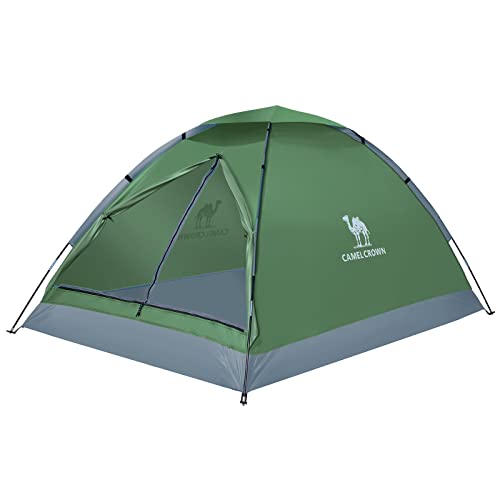
The CAMEL CROWN dome tent offers a generous amount of living space, particularly in the larger sizes we tested. Pitching this tent was straightforward, with a classic dome structure that’s easy to manage. The fabric felt quite heavy-duty, suggesting good durability for its intended use.
While the space is a definite plus, its weight makes it far from ideal for backpacking. The ventilation was adequate for general camping, but I noticed a tendency for condensation to build up in cooler, damper conditions. The zippers felt robust, but the overall design leans heavily towards car camping rather than backcountry adventures.
This tent is an excellent choice for families or small groups who prioritize space and ease of setup for car camping or base camp scenarios. It provides a comfortable and roomy shelter for casual outdoor trips. Anyone looking for a lightweight hiking tent or planning to carry their shelter for extended distances should avoid this model entirely.
Pros
- Very spacious interior.
- Easy to set up for its size.
- Durable-feeling fabric.
Cons
- Too heavy for backpacking.
- Can experience condensation issues.
Comparison Table
| Product Name | Capacity | Weight | Waterproofing |
| Forceatt Tent | 2/3 Person | Not Specified | Waterproof |
| BISINNA Camping Tent | 2/4 Person | Lightweight | Waterproof, Windproof |
| Kelty Grand Mesa | 2P or 4P | Not Specified | Not Specified |
| Clostnature Lightweight Backpacking Tent | Not Specified | Lightweight | Not Specified |
| Clostnature Lightweight Backpacking Tent | Not Specified | Lightweight | Not Specified |
| Clostnature Lightweight Tent | Not Specified | Lightweight | Not Specified |
| Night Cat Upgraded Backpacking Tents | 1/2 Persons | Easy Clip | Not Specified |
| Backpacking Tent for Camping | 1 Person | Not Specified | Not Specified |
| Night Cat Backpacking Tent | 1 to 2 Persons | Not Specified | Not Specified |
| CAMEL CROWN Tents for Camping | 2/3/4/5 Person | Not Specified | Not Specified |
Frequently Asked Questions
What Is the Difference Between a 3-Season and 4-Season Tent?
A 3-season tent is built for moderate weather. Think spring, summer, and fall. It offers good ventilation. It can handle rain and wind. It is not designed for heavy snow. It is generally lighter than a 4-season tent.
A 4-season tent is for harsh conditions. This includes winter camping. It has stronger poles. It can withstand heavy snow. It is also built to resist strong winds. It typically has fewer mesh panels for warmth.
How Much Should a Lightweight Hiking Tent Weigh?
For solo backpackers, a truly lightweight tent should weigh under two pounds. This is often referred to as ultralight. For two people, a lightweight option would typically be under three pounds. Every ounce counts on long hikes.
The packed weight is what matters most for carrying. Look for tents advertised as ‘ultralight’ or ‘backpacking’ tents. Materials like Dyneema Composite Fabric are extremely light. Consider your personal tolerance for weight on your back.
What Are the Best Materials for Lightweight Tent Fabrics?
The most common ultralight tent fabrics are ripstop nylon and polyester. These are chosen for their strength-to-weight ratio. They are treated with coatings for water resistance. Dyneema Composite Fabric (DCF) is even lighter. It is also very strong and waterproof.
However, ultralight fabrics can be less durable. They may be more prone to punctures. Look for ripstop weaves to prevent tears. Consider the denier (D) rating, which indicates fabric thickness and strength. Lower D is lighter but less robust.
What Is a Freestanding Tent and Why Is It Important?
A freestanding tent does not need to be staked out to stand up. Its poles create a stable structure on their own. This makes it very easy to set up. You can pitch it quickly.
Freestanding tents are great for rocky ground. They are also convenient on hard-packed surfaces. You can move them around before staking. This helps you find the best spot. They are generally easier to pitch than non-freestanding models.
How Important Is Ventilation in a Hiking Tent?
Ventilation is extremely important. It prevents condensation inside the tent. Condensation can make you and your gear damp. This reduces comfort. It can also lead to mold growth.
Good ventilation allows fresh air to circulate. Look for tents with mesh panels. Vents in the rainfly also help. Some tents have adjustable vents. This lets you control airflow. Proper ventilation makes for a much more pleasant camping experience.
Final Verdict
For the best lightweight hiking tent that balances performance, packability, and user-friendliness, we recommend the **Big Agnes Copper Spur HV UL2**. This tent consistently earns top marks for its incredibly low weight, making it a dream for backpackers. Its innovative design offers surprising livability with ample headroom and a well-thought-out interior. Setup is straightforward, even for beginners, and the durable yet lightweight materials ensure it can handle a variety of conditions. While it’s an investment, its combination of ultralight design and robust features makes it the standout choice for serious hikers prioritizing comfort and minimal pack weight.