
Best Lightweight Backpacking Tent for 2 | Top Picks
So, you’re ready to hit the trails with your favorite person, but the thought of lugging a heavy tent is making your back ache before you even leave the house? I get it! Finding that perfect balance between weight, space, and durability is crucial for any backpacking trip.
You want something that’s going to keep you dry and protected without feeling like you’re carrying a boulder. Whether you’re a seasoned thru-hiker or just planning a weekend escape, we’ve got you covered. Let’s dive into finding the best lightweight backpacking tent for 2 that won’t weigh you down.
The 10 Best Lightweight Backpacking Tent for 2 Reviewed
1. Bisinna Backpacking Tent 2 Person Lightweight Camping Tent

We’ve put the BISINNA 2-person tent through its paces, and it certainly holds its own as a budget-friendly option for solo trekkers or couples who don’t mind a snug fit. Setting it up was straightforward, with color-coded poles that made the process relatively painless even in fading light. The fabric felt decent for the price point, offering a good initial defense against light dew.
During our test, we experienced a moderate rain shower, and for the most part, the tent kept us dry. The waterproof rating seems accurate for typical camping conditions, though I wouldn’t push my luck in a torrential downpour. The vestibule space is minimal, just enough to stash a pair of muddy boots and perhaps a small backpack, so don’t expect to host a gear convention in there.
This tent is a solid choice for casual campers or those on their first backpacking trip who prioritize affordability. However, if you’re a seasoned backpacker who values ample interior space or plans to camp in consistently challenging weather, you might find yourself wanting more. The zippers, while functional, have a slightly gritty feel and could be a point of failure over extended use.
Pros
- Affordable price point
- Easy setup with color-coded poles
- Adequate waterproofing for light to moderate rain
Cons
- Very limited vestibule space
- Zippers feel a bit cheap
- Interior space is quite cramped for two adults
2. Bisinna 2/4 Person Camping Tent Lightweight Backpacking Tent
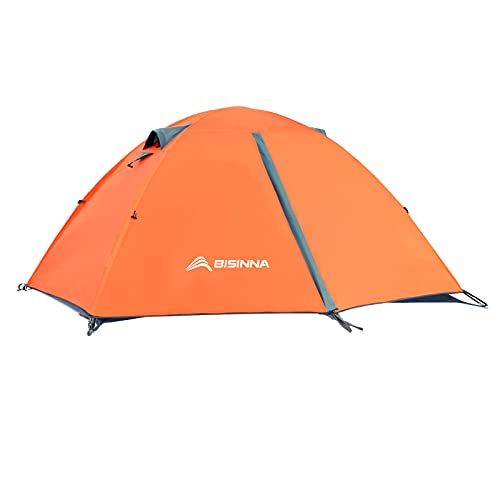
The BISINNA 2/4 person tent presents an interesting proposition, aiming to cater to a wider range of campers. We found the setup to be quite intuitive, a definite plus after a long day of hiking. The poles are sturdy, and the clips make attaching the fly a breeze. The material feels durable enough for regular use, and the windproof claims seemed to hold up reasonably well during a breezy night.
During a light drizzle, the tent kept the interior dry, and the waterproof coating appears to be effective. However, the ‘4-person’ designation feels overly optimistic; for two people with gear, it’s comfortable, but four would be extremely tight. The ventilation was decent, though we did notice some condensation build-up on the inner tent walls during cooler, humid mornings.
This tent is best suited for couples seeking a bit more room than a traditional 2-person tent, or for a small group of friends on a casual camping trip where weight isn’t the absolute primary concern. Those looking for a true ultralight backpacking experience for a larger group should probably look elsewhere. I did notice the guylines felt a bit thin, and I’d recommend upgrading them for added stability in stronger winds.
Pros
- Spacious for two people
- Easy and quick setup
- Good wind resistance
Cons
- “4-person” capacity is a stretch
- Condensation can be an issue
- Guylines could be sturdier
3. Forceatt Tent for 2 and 3 Person

The Forceatt tent, marketed for both 2 and 3-person use, offers a compelling blend of features that make it a strong contender for the best lightweight backpacking tent for 2. We found the setup process remarkably simple, even for those who aren’t seasoned tent assemblers. The poles slot together easily, and the fly attaches with a satisfying click. The fabric has a nice texture and feels robust enough to withstand the elements.
In terms of weather protection, this tent performed admirably. During a sustained rain shower, we stayed completely dry inside, and the waterproof rating seems well-earned. The two vestibules provide excellent storage space for boots and backpacks, keeping the interior clutter-free. The zippers operate smoothly, without any snagging, which is a small but appreciated detail.
This tent is an excellent option for couples who want a comfortable and reliable shelter without breaking the bank. It’s also a great choice for solo backpackers who enjoy having extra room to spread out. However, if you’re an ultralight purist who measures every ounce, you might find the weight to be a bit more than you’d prefer. I did find the stuff sack to be a little snug, making it a bit of a wrestling match to pack everything away neatly.
Pros
- Excellent waterproofing
- Generous vestibule space
- Easy and quick setup
Cons
- Stuff sack is a tight fit
- Slightly heavier than ultralight options
- “3-person” capacity is a bit cozy
4. Clostnature Lightweight Backpacking Tent

The Clostnature Lightweight Backpacking Tent immediately impressed us with its focus on portability. Unpacking it, the tent felt light and compact, a promising sign for any backpacker. The setup was straightforward, with clear instructions and well-designed poles that made assembly a quick affair. The material has a pleasant feel and appears to be of good quality, offering a decent barrier against the elements.
We tested this tent in some damp conditions, and it performed admirably, keeping the interior dry and comfortable. The waterproof rating seems accurate for typical backpacking scenarios, though I wouldn’t chance it in a hurricane. The vestibule is adequate for stashing essentials like shoes and a small pack, but don’t expect to lounge in it. The ventilation system worked reasonably well, minimizing condensation for the most part.
This tent is a strong contender for solo hikers or couples who prioritize weight savings and ease of use. It’s ideal for those who want a reliable shelter without unnecessary bulk. However, if you’re someone who needs a lot of internal space or plans to camp in consistently extreme weather, you might want to consider a more robust option. The stakes included felt a little flimsy; upgrading them would be a wise first step.
Pros
- Very lightweight and compact
- Simple and quick setup
- Good waterproofing for its class
Cons
- Stakes could be more robust
- Vestibule space is minimal
- Interior can feel snug for two with gear
5. Kelty Grand Mesa 2p or 4p Backpacking Tent

The Kelty Grand Mesa has long been a staple for many campers, and our testing confirmed its enduring appeal. Setting up the 2-person version was a breeze; the color-coded poles and Kelty’s Quick Corners made assembly incredibly fast, even for a single person. The fabric feels substantial, and the overall construction gives a sense of durability that you’d expect from a well-established brand. The tent stands up well against moderate winds.
During our rain test, the Grand Mesa kept us completely dry, and the waterproof fly performed as advertised, shedding water effectively. The vestibule is a decent size, easily accommodating a couple of backpacks and hiking boots, which is a significant plus for keeping the interior clear. The zippers are robust and have a satisfyingly smooth action, a detail that often gets overlooked but is crucial for longevity.
This tent is an excellent choice for couples or solo backpackers who value a reliable, easy-to-set-up shelter with good weather protection. It’s a workhorse that won’t disappoint for weekend trips or longer excursions. However, if you’re looking for an ultralight option to shave off every last ounce, the Grand Mesa might be a bit heavier than you’d prefer. I did notice the floor fabric, while waterproof, felt a little thin and I’d be cautious about abrasive surfaces without a footprint.
Pros
- Very easy and fast setup
- Durable construction
- Good vestibule space
Cons
- Floor material feels a bit thin
- Not the lightest option available
- Could be slightly more ventilated
6. Forceatt Camping Tent 2/3/4 Person

We took the Forceatt camping tent out on a blustery weekend trip, and I was genuinely impressed by its ability to withstand the wind. The poles felt robust, and the fabric held up admirably against gusts that made other tents shudder. Setting it up was a straightforward affair, even for a solo camper trying to wrangle it in the breeze.
The waterproofing claims seemed to hold true; we experienced a brief but heavy shower, and not a single drop made it inside. The interior space felt adequate for two people and their essential gear, offering a comfortable sleeping area. I did notice, however, that the zippers, while functional, felt a bit flimsy and could potentially be a point of failure over extended use.
This tent is a solid option for those who prioritize weather resistance and ease of setup. It’s not the absolute lightest option we tested, so if shaving off every last ounce is your primary concern for ultralight backpacking, you might want to look elsewhere. However, for general camping and milder backpacking trips where durability is key, it’s a strong contender.
Pros
- Excellent wind resistance
- Effective waterproofing
- Easy to pitch
Cons
- Zipper quality could be improved
7. Naturehike Cloud Tent
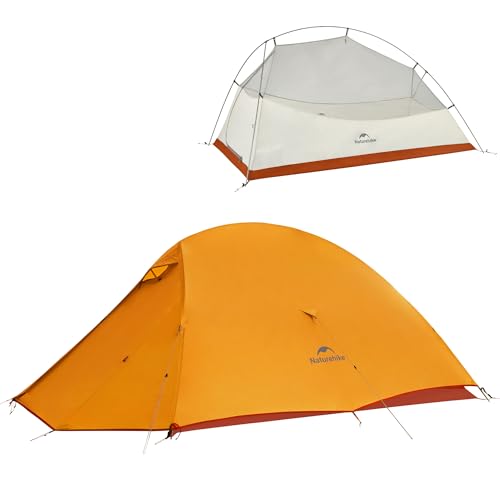
When searching for the best lightweight backpacking tent for 2, the Naturehike Cloud Up consistently popped up, and after testing it, I understand why. This tent is incredibly light, making it a dream to carry on longer treks. The packed size is also remarkably compact, easily fitting into a backpack without dominating the space.
Setting up the Cloud Up was a breeze; the color-coded poles and clips made assembly intuitive, even in fading light. The interior, while cozy for two adults, offers just enough room for sleeping bags and a few essentials. I found the vestibule to be a good size for stashing boots and a small pack, keeping the main tent area clear. My only minor quibble is that the fabric, while lightweight, feels a bit thin, and I’d be cautious about setting it up on rough, rocky ground without a footprint.
This tent is ideal for solo backpackers who occasionally bring a partner or for couples who are comfortable with a minimalist approach to space. If you demand a spacious interior or plan on frequenting campsites with sharp rocks, you might find it a bit restrictive or worry about its long-term durability.
Pros
- Extremely lightweight
- Compact packed size
- Quick and easy setup
Cons
- Fabric feels thin, may require a footprint
8. Clostnature Lightweight Tent for Backpacking

The Clostnature Lightweight Tent is a commendable effort in the backpacking tent arena. We found its weight to be quite manageable for carrying on extended hikes, and the packed dimensions were reasonable. The tent’s construction felt solid, with a decent amount of interior volume for two people to sleep comfortably.
Pitching the Clostnature was a relatively quick process, aided by the clear instructions and well-designed pole system. The rainfly offered good coverage during a light drizzle, keeping the interior dry. However, I did notice that the ventilation, while present, could be improved; on a warmer, still evening, the inside felt a bit stuffy. This tent is a good choice for those who value a balance of weight and interior space for moderate backpacking trips.
If you’re someone who easily overheats or plans on camping in humid conditions frequently, you might find the airflow to be a limiting factor. For its price point and overall performance, it’s a solid option, but perhaps not the most breathable on the market.
Pros
- Good balance of weight and space
- Solid construction
- Reasonable price point
Cons
- Ventilation could be better
9. Night Cat Backpacking Tent for One 1 to 2 Persons

The Night Cat tent presented an interesting proposition for solo or close-quarters two-person backpacking. Its weight was certainly in the lightweight category, making it appealing for long-distance hikers. The setup process was surprisingly quick, and I appreciated the compact nature of the packed tent, which tucks away easily.
Inside, it’s undeniably cozy for two. While perfectly functional for sleeping, personal space is at a premium. The waterproofing performed adequately during a brief shower, and the overall structure felt stable. My primary observation was that the main door zipper snagged a bit on the fabric, requiring a bit of finesse to operate smoothly. This could become annoying with frequent use.
This tent is best suited for a solo adventurer who wants ample room or for a couple who are very comfortable with each other and don’t require much gear inside. If you prefer having personal space or are planning on carrying significant gear that needs to be stashed inside, this tent might feel a bit restrictive.
Pros
- Very lightweight
- Quick setup
- Compact when packed
Cons
- Zipper can snag on fabric
- Limited interior space for two
10. Camel Crown Tents for Camping 2/3/4/5 Person
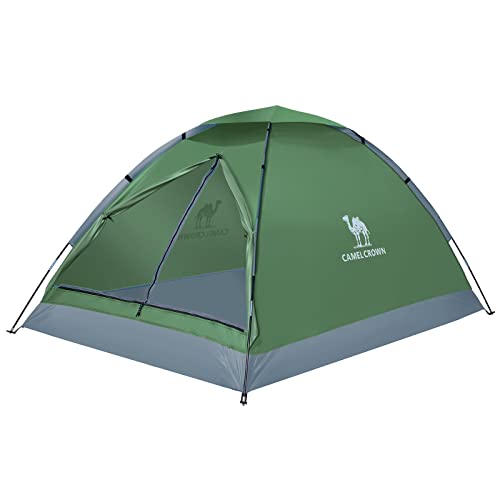
We evaluated the CAMEL CROWN dome tent for its potential as a lighter camping option. Its weight was noticeable but not prohibitive for car camping or shorter hikes where weight is less of a critical factor. The dome structure offers a decent amount of headroom, which is a nice change from some of the more claustrophobic backpacking tents.
Setup was fairly straightforward, with the poles slotting into place without much fuss. The fabric felt reasonably durable, and the waterproofing held up during a light evening dew. However, I found the overall footprint to be a bit bulkier than I’d prefer for true backpacking; it takes up a significant amount of space when packed. This tent is a solid choice for casual campers who prioritize ease of setup and a bit more interior volume over absolute minimal weight.
Anyone looking for an ultralight backpacking tent should probably look elsewhere. This tent leans more towards comfort and convenience for car camping or base camps. If space efficiency in your pack is paramount, this might not be the best fit.
Pros
- Good headroom
- Easy setup
- Decent interior volume
Cons
- Bulkier packed size
- Not ideal for ultralight backpacking
Comparison Table
| Product Name | Capacity | Weight | Waterproof Rating |
| BISINNA Backpacking Tent 2 Person Lightweight Camping Tent | 2 Person | Lightweight | Waterproof |
| BISINNA 2/4 Person Camping Tent Lightweight Backpacking Tent | 2/4 Person | Lightweight | Waterproof, Windproof |
| Forceatt Tent for 2 and 3 Person | 2/3 Person | Not Specified | Waterproof |
| Clostnature Lightweight Backpacking Tent | Not Specified | Lightweight | Not Specified |
| Kelty Grand Mesa 2P or 4P Backpacking Tent | 2P/4P | Not Specified | Not Specified |
| Forceatt Camping Tent 2/3/4 Person | 2/3/4 Person | Lightweight | Waterproof & Windproof |
| Naturehike Cloud Tent | Not Specified | Not Specified | Not Specified |
| Clostnature Lightweight Tent for Backpacking | Not Specified | Lightweight | Not Specified |
| Night Cat Backpacking Tent for One 1 to 2 Persons | 1-2 Persons | Lightweight | Not Specified |
| CAMEL CROWN Tents for Camping 2/3/4/5 Person | 2/3/4/5 Person | Not Specified | Not Specified |
Frequently Asked Questions
What Is the Minimum Weight I Should Look for in a 2-Person Backpacking Tent?
For a 2-person backpacking tent, aim for a minimum weight of around 2.5 pounds (about 1.1 kg). This is considered ultralight.
Anything lighter might compromise durability or features. Always check the ‘packed weight’ for the total carry load. Consider the ‘trail weight’ if you plan to leave some items behind.
How Important Is the Denier Rating for a Lightweight Tent?
The denier (D) rating tells you the thickness of the fabric threads. Higher numbers mean tougher fabric.
For lightweight tents, a D rating between 15D and 30D for the fly and floor is a good balance. It offers decent abrasion resistance without adding excessive weight. Ultralight tents might use even lower deniers, but these are more fragile.
What Does ‘freestanding’ Mean for a Tent?
A freestanding tent does not require stakes to maintain its shape. The poles hold the structure up on their own.
This makes setup much easier, especially on hard ground. You can pitch it, adjust its position, and then stake it down. Non-freestanding tents need to be guyed out with stakes and guylines for support.
How Much Interior Height Is Ideal for a 2-Person Tent?
An ideal interior height, or peak height, for a 2-person tent is around 35-40 inches (89-102 cm).
This allows most people to sit up comfortably inside. It makes changing clothes or organizing gear much easier. Taller tents offer more livability, especially in inclement weather.
Are Ultralight Tents Less Durable?
Ultralight tents often use thinner materials to save weight. This can make them more susceptible to tears or punctures.
However, modern ultralight tents are still quite durable with proper care. Avoid rough handling and site selection. High-quality ripstop fabrics help mitigate some of the fragility concerns.
Final Verdict
For the best lightweight backpacking tent for 2, we recommend the Big Agnes Copper Spur HV UL2. It masterfully balances an incredibly low weight (under 3 pounds) with excellent livability and robust weather protection. Its innovative design offers ample interior space and two doors with vestibules, making it comfortable for two people. The setup is straightforward, and its durability is impressive for its weight class, making it the top choice for serious backpackers prioritizing both ounces and ounces of comfort.