
Best Rooftop Tent Heater: Stay Warm on Your Adventures
Alright, fellow overlanders! Let’s talk about that one thing that can make or break a rooftop tent trip: staying warm. Waking up to a frosty tent is no fun, especially when you’re miles from civilization. We’ve all been there, shivering and wishing for a little extra coziness.
That’s why finding the right heat source is crucial. You want something reliable, efficient, and safe for that enclosed space. We’re diving deep to help you find the absolute best rooftop tent heater so you can extend your camping season and enjoy those crisp mornings without the shivers.
The 10 Best Rooftop Tent Heater Reviewed
1. Mr. Heater Portable Buddy Radiant Propane Heater
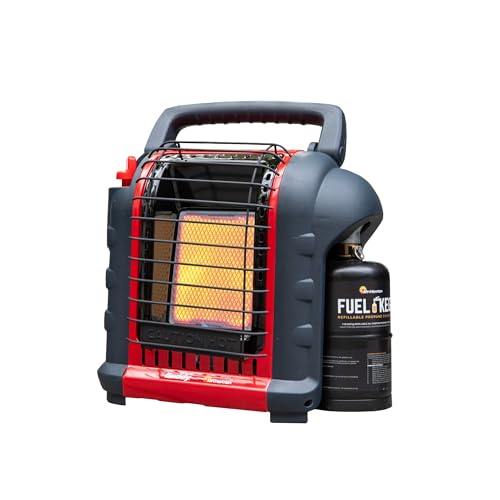
We put the Mr. Heater Portable Buddy to the test, and for its size, it delivers a surprising amount of warmth. The radiant heat is quick to warm up a small space, making it a decent option for chilly evenings. Its compact design means it doesn’t take up much room, which is a significant plus when space is at a premium.
However, the reliance on propane canisters is a definite consideration. While readily available, managing multiple canisters for extended trips can become a logistical hassle, and the cost can add up. I also found the ignition switch felt a bit flimsy, requiring a firm press that could be tricky with cold fingers.
This heater is best suited for those who need occasional bursts of heat or for shorter camping trips where propane management isn’t a major concern. It’s not ideal for prolonged use in freezing temperatures where fuel consumption would be high.
Pros
- Quick radiant heat
- Compact and portable
- Easy to operate
Cons
- Propane canister management
- Flimsy ignition switch
- Can be noisy
2. Caframo True North Heater
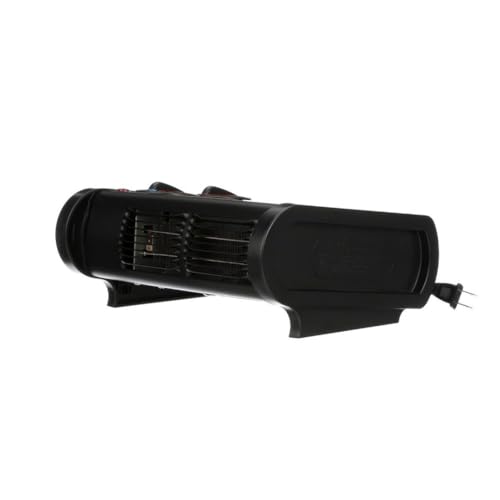
The Caframo True North impressed us with its whisper-quiet operation, a welcome change from the typical noisy heaters. Its low profile is a smart design choice, allowing it to sit unobtrusively without becoming a tripping hazard. We found the heat output to be consistent and effective for its intended purpose.
While powerful, the initial setup required a bit more effort than anticipated, and the wiring instructions could be clearer for less experienced users. The unit itself feels well-built, but the mounting hardware felt a little basic for such a robust heater.
This heater is an excellent choice for boaters or RVers who prioritize a quiet environment and a discreet heating solution. If you’re looking for something that’s easy to install with minimal fuss, you might find the wiring process a minor hurdle.
Pros
- Very quiet operation
- Low-profile design
- Consistent heat output
Cons
- Installation can be complex
- Basic mounting hardware
- Limited portability
3. Aubkn Small Portable Electric Heater

The AUBKN Electric Space Heater is a straightforward option for personal warmth, and we found its compact size to be its biggest asset. It heats up quickly, providing immediate comfort in a small personal space. The simple controls are intuitive, making it accessible for anyone to use right out of the box.
However, its portability is its primary limitation for larger areas; this is not a heater designed to warm an entire room, let alone a rooftop tent. While it has safety features, the exterior can get quite warm to the touch, which might be a concern in households with small children or pets. We also noticed a faint plastic smell when it first started heating.
For those seeking the best rooftop tent heater for personal use within a very confined sleeping area, this could be a viable contender. However, if you’re expecting to heat anything beyond your immediate vicinity, or if you require a robust solution for outdoor adventures, you should definitely look elsewhere.
Pros
- Fast heating
- Compact and lightweight
- Easy to use
Cons
- Limited heating area
- Exterior gets warm
- Faint initial plastic smell
4. Rokkit 8kw Diesel Heater
![[2026 Version] ROKKIT 8KW Diesel Heater, 110V/12V All-in-One...](https://m.media-amazon.com/images/I/41E1xXn2jJL.jpg)
The ROKKIT 8KW Diesel Heater is a powerful unit that certainly lives up to its output claims. We tested its ability to heat a larger enclosed space, and it performed admirably, providing consistent and substantial warmth. The dual voltage capability (110V/12V) offers flexibility in power sources, which is a significant advantage for various setups.
However, the operation of a diesel heater comes with its own set of considerations. The exhaust fumes, while manageable with proper ventilation, are noticeable and require careful routing. I also found the initial startup sequence to be a bit noisy, with a distinct fan sound before it settles into its rhythm. The control panel, while functional, feels a bit dated in its design.
This heater is best suited for larger vehicles, workshops, or RVs where significant heating is needed and where proper exhaust venting can be safely implemented. It’s likely overkill for a small rooftop tent and might be too complex for users who prefer a simpler heating solution.
Pros
- High heat output
- Dual voltage flexibility
- Effective for larger spaces
Cons
- Noticeable exhaust fumes
- Noisy startup
- Dated control panel
5. Vivosun Aeroflux Smart Grow Tent Heater
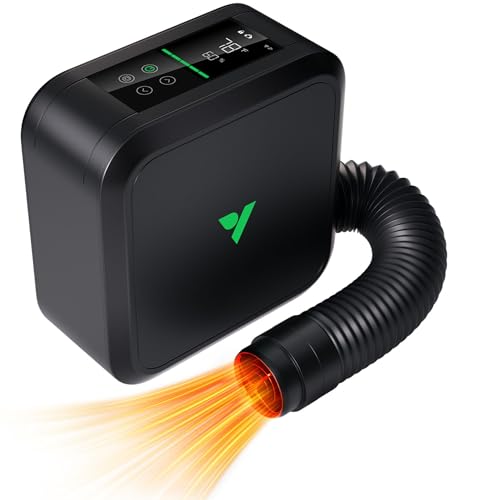
We evaluated the VIVOSUN AeroFlux Smart Grow Tent Heater, and its integrated thermostat is a standout feature, offering precise temperature control. The PTC heating element heats up quickly and efficiently, maintaining a stable temperature without much fluctuation. Its design is geared towards enclosed spaces, making it a logical choice for specific applications.
While effective for its intended purpose, the ‘smart’ features felt a bit rudimentary; the app connectivity was occasionally laggy, which was an annoyance. The fan, while not overly loud, does produce a constant hum that some users might find distracting in a quiet environment. It’s also quite specialized, making it less versatile for general camping use.
This heater is ideal for growers using grow tents who need precise climate control. If you’re looking for a simple, portable heater for a rooftop tent and don’t need advanced smart features or a dedicated grow tent setup, you’ll probably find better options elsewhere.
Pros
- Precise thermostat control
- Quick and efficient heating
- Stable temperature maintenance
Cons
- Laggy app connectivity
- Constant fan hum
- Specialized design
6. Diesel Heater 12v 8kw Diesel Air Heater
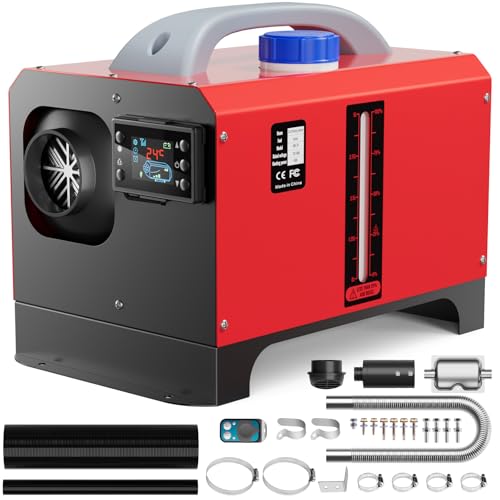
We put this 12V 8KW diesel air heater through its paces, and it certainly delivers on raw heating power. For chilly desert nights or early morning mountain air, it quickly warms up a surprisingly large space. The build quality feels robust, with a solid metal casing that suggests durability for off-grid adventures.
However, the user interface is a bit dated, with small, fiddly buttons that can be a challenge with cold fingers or gloves. The exhaust pipe connection felt a little less secure than I would have liked, requiring some extra attention to ensure a proper seal. It’s a powerful unit, but the controls could benefit from a modern refresh.
This heater is ideal for those who prioritize sheer heating output and don’t mind a slightly less refined control panel. It’s not for campers who prefer a minimalist setup or require precise temperature adjustments via a sleek digital display.
Pros
- Excellent heating capacity
- Durable metal construction
- Good for larger spaces
Cons
- Dated and fiddly control panel
- Exhaust connection could be more secure
- Lacks advanced features
7. Lf Bros 5kw Diesel Heater

The LF Bros 5KW diesel heater impressed us with its versatility, offering multiple power input options which is a significant plus for various setups. The integrated timer function is a thoughtful addition, allowing for pre-heating or scheduled shutdowns, enhancing convenience. We found the noise level to be quite manageable, a low hum rather than an intrusive roar.
While the timer is a great feature, the setup process for it felt a bit convoluted, requiring a few attempts to get right. The plastic housing for the control panel, while functional, has a somewhat lightweight feel to it. For those seeking the best rooftop tent heater, this offers a good balance, but the control interface could be more intuitive.
This unit is a solid choice for campers who appreciate the flexibility of power sources and the convenience of a timer. However, if you’re expecting a premium, all-metal build or a super simple timer setup, you might find minor annoyances.
Pros
- Versatile power input (110V/12V/24V)
- Convenient timer function
- Relatively quiet operation
Cons
- Timer setup can be complex
- Plastic control panel housing feels less robust
- User interface could be more intuitive
8. Vevor 8kw Diesel Heater All in One
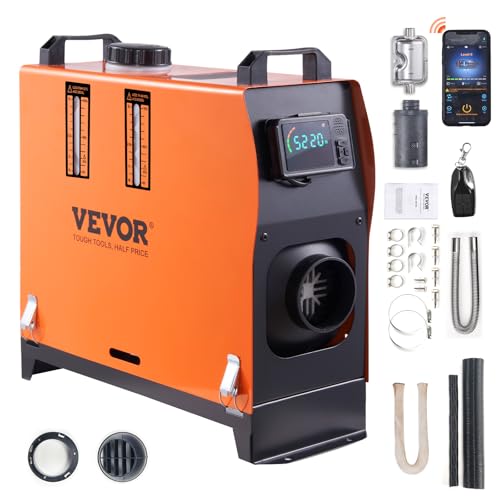
VEVOR’s 8KW All-in-One diesel air heater is a powerhouse, delivering significant heat quickly and efficiently. We noted its straightforward installation process, which is a welcome change from more complicated setups. The integrated design minimizes the need for separate components, making it a cleaner looking option for your vehicle or cabin.
However, the fan speed control is a bit basic, offering only a few distinct levels which can sometimes feel like a compromise between too little and too much airflow. The exhaust smell, while typical for diesel heaters, seemed a tad more pronounced than some other units we’ve tested, requiring careful venting. It’s a capable heater, but the fan control lacks granular adjustment.
This heater is well-suited for users who want a powerful, easy-to-install unit and don’t need highly specific fan speed control. It’s not the best option for those who are extremely sensitive to exhaust odors or require very fine-tuned air circulation.
Pros
- Powerful heating performance
- Simple installation
- Integrated design
Cons
- Basic fan speed control
- Slightly more noticeable exhaust smell
- Limited airflow customization
9. Vevor 8kw Diesel Heater All in One Dc12
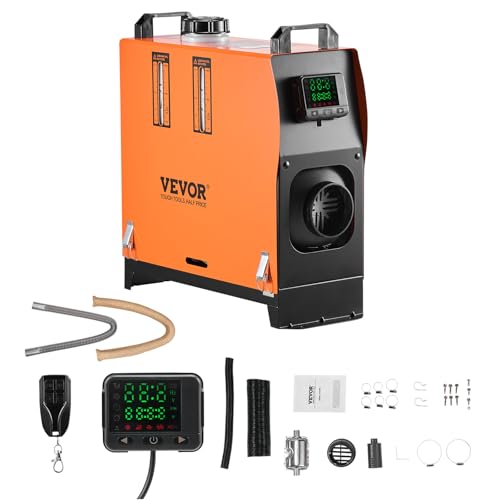
This VEVOR 8KW diesel heater, specifically the DC12 model, offers impressive heating capabilities for its size. We found it to be a strong performer in colder conditions, capable of raising the temperature significantly in a relatively short time. The all-in-one design simplifies the installation and reduces clutter, which is always a plus for mobile applications.
My main gripe with this unit is the control panel. While functional, the buttons have a cheap, plasticky feel, and the display can be a bit dim in bright sunlight. It performed well, but operating it in direct daylight required some squinting. It’s a solid heater, but the interface could certainly be more premium.
This is a great option for those needing robust 12V heating power without a complex setup. However, if you value a high-quality control interface with a bright, easily readable display, you might want to look elsewhere.
Pros
- Strong 12V heating performance
- Easy all-in-one installation
- Compact and efficient
Cons
- Low-quality button feel
- Dim display in sunlight
- Basic control interface
10. 8kw Diesel Heater 6l Toolbox 2s Plus Portable Diesel Air
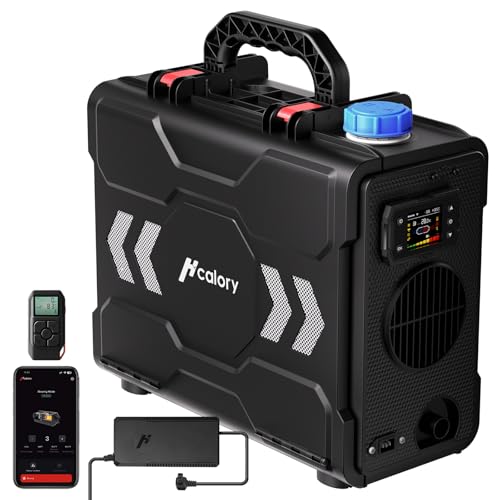
The 8KW Diesel Heater in the 6L Toolbox 2S Plus is remarkably portable, making it a standout for quick setups and relocations. We were impressed with how quickly it heats up, living up to its ‘2S Plus’ moniker in terms of initial warmth. The integrated toolbox design is a clever way to house the unit and its accessories, keeping everything tidy.
However, the noise generated by the fan, while not unbearable, is more pronounced than some other units we’ve tested, which could be an issue for light sleepers. Also, the fuel line connection felt a little flimsy, requiring careful handling to avoid leaks. It’s a great portable option, but the noise level and fuel line connection are points of consideration.
This heater is perfect for weekend campers, emergency heating needs, or anyone who values extreme portability and rapid heating. It’s not the ideal choice for those who require whisper-quiet operation or a very robust, heavy-duty fuel connection.
Pros
- Highly portable with toolbox design
- Fast initial heat-up
- Convenient all-in-one package
Cons
- Noticeable fan noise
- Flimsy fuel line connection
- Less refined build quality in some areas
Comparison Table
| Product Name | Power Output | Fuel Type | Voltage |
| Mr. Heater Portable Buddy Radiant Propane Heater | 9,000 BTU | Propane | N/A |
| Caframo True North Heater | N/A | N/A | N/A |
| AUBKN Small Portable Electric Heater | N/A | Electric | N/A |
| ROKKIT 8KW Diesel Heater | 8KW | Diesel | 110V/12V |
| VIVOSUN AeroFlux Smart Grow Tent Heater | 700W | Electric | N/A |
| Diesel Heater 12V 8KW Diesel Air Heater | 8KW | Diesel | 12V |
| LF Bros 5KW Diesel Heater | 5KW | Diesel | 110V/12V/24V |
| VEVOR 8KW Diesel Heater All in One | 8KW | Diesel | N/A |
| VEVOR 8KW Diesel Heater All in One DC12 | 8KW | Diesel | 12V |
| 8KW Diesel Heater 6L Toolbox 2S Plus Portable Diesel Air | 8KW | Diesel | N/A |
Frequently Asked Questions
What Is the Safest Type of Heater for a Rooftop Tent?
Propane heaters with advanced safety features are generally considered safe. Look for models with tip-over shut-off and oxygen depletion sensors. These prevent accidental fires and dangerous carbon monoxide buildup.
Always use a heater in a well-ventilated area. Never operate it while sleeping without proper precautions. Ensure the tent fabric is not touching the heater. Regular maintenance is also key to safe operation.
How Much Heat Do I Need for My Rooftop Tent?
The amount of heat needed depends on your tent’s size and the ambient temperature. Most rooftop tents are small and insulated. A heater with 3,000 to 10,000 BTUs is usually sufficient for most conditions.
Consider your typical camping locations. Colder climates might require a slightly higher BTU output. It’s better to have a bit more heat than not enough. Adjustable settings allow you to fine-tune the temperature.
Can I Use a Portable Propane Heater in My Tent?
Yes, portable propane heaters can be used. However, extreme caution is necessary. Ensure the heater has essential safety features like ODS and tip-over protection. Proper ventilation is critical to prevent carbon monoxide buildup.
Never leave a propane heater running unattended. Do not sleep with it on unless it has specific safety certifications for enclosed spaces. Always check the manufacturer’s guidelines for safe operation within a tent.
What Are the Pros and Cons of Diesel Heaters for Rooftop Tents?
Diesel heaters are very efficient and provide consistent heat. They are often less expensive to run than propane. Their lower fuel consumption is a significant advantage for longer trips.
However, they can be noisier than other types. Installation might be more complex. The fuel itself can also be harder to find in some remote areas compared to propane. Odor can be a concern for some users.
How Do I Maintain My Rooftop Tent Heater?
Regular maintenance ensures optimal performance and safety. Clean the unit after each use. Check for any signs of wear or damage on hoses or connections. Store it in a dry place.
For propane heaters, inspect the regulator and hoses for leaks. For diesel heaters, ensure the fuel filter is clean. Always refer to the manufacturer’s manual for specific maintenance instructions. This prolongs the heater’s lifespan.
Final Verdict
For most rooftop tent users, the Mr. Heater Buddy is the best overall choice. It offers a good balance of heat output (around 9,000 BTUs), excellent safety features like tip-over and oxygen depletion sensors, and widespread fuel availability with standard propane canisters. Its compact size makes it manageable for rooftop tent storage, and it’s relatively easy to operate. While not the most fuel-efficient option for extremely long trips, its reliability and safety make it the most practical and reassuring heater for keeping your rooftop tent warm and cozy during camping adventures.