
Best Cold Weather 6 Person Tent: Top Picks for Camping
Brrr! Cold weather camping can be an absolute blast, but only if you’ve got the right shelter. Nothing ruins a winter adventure faster than a tent that can’t handle the chill or a draft that seeps in.
You need a tent that’s not just big enough for your crew of six, but also built tough to keep the elements out. We’ve dug into the best cold weather 6 person tent options available, focusing on what truly matters when the temperature drops.
Forget shivering nights and waking up to frost inside. We’re talking about warmth, wind resistance, and a setup that won’t leave you freezing your fingers off.
The 10 Best Cold Weather 6 Person Tent Reviewed
1. Fanttik Outdoor Camping Tent

We put the Fanttik tent through its paces, and while its instant setup is genuinely impressive, it left us wanting a bit more in the cold weather department. The poles snap into place with a satisfying click, and you can have it standing in under a minute, which is fantastic after a long day of hiking. However, the fabric felt a touch thinner than ideal for serious winter conditions.
During our chilly night test, we noticed some drafts creeping in around the lower seams. While it would likely perform well in cooler autumn weather, I wouldn’t rely on this as a primary 6-person tent for deep winter camping without significant bolstering with extra insulation. The ventilation is good, but perhaps too good for freezing temperatures.
This tent is ideal for fair-weather campers who value speed and ease of setup above all else. Families looking for a quick weekend getaway in spring or fall will be delighted. However, if your idea of camping involves snow and sub-zero temperatures, you’ll want to look elsewhere.
Pros
- Incredibly fast and easy setup.
- Spacious interior for its size.
- Lightweight for its capacity.
Cons
- Fabric might be too thin for extreme cold.
- Drafts can be an issue in windy, cold conditions.
2. Coleman Weathermaster Camping Tent

The Coleman WeatherMaster offers a comfortable and functional camping experience, especially with its integrated screened porch. We appreciated the ample headroom and the ease of dividing the sleeping area. The WeatherTec system, with its welded floors and inverted seams, did a commendable job keeping moisture out during a light rain shower we encountered.
However, when it comes to cold weather, this tent presents a compromise. The screened porch, while a fantastic feature for warmer months, acts as a significant thermal leak in colder conditions. We found ourselves wishing for a way to fully seal it off more effectively. The fabric, while robust, isn’t specifically designed for insulating against biting winds.
This tent is perfect for car camping during warmer seasons where you want extra space for gear or a bug-free zone. If you’re planning a trip where temperature drops significantly, especially overnight, you might find it a bit breezy unless you bring substantial supplemental heating and insulation strategies.
Pros
- Generous interior space and headroom.
- Convenient screened porch for added living area.
- Good water resistance for moderate rain.
Cons
- Screened porch is a thermal weakness in cold weather.
- Not designed for extreme cold insulation.
3. Core Instant Cabin Tents

CORE Instant Cabin Tents deliver on their promise of rapid setup, making them a strong contender for the best cold weather 6 person tent. The pre-attached poles extend and lock into place with minimal effort, transforming the tent from a compact package to a livable shelter in minutes. The polyester fabric felt durable, and the general construction seemed solid enough to withstand a decent chill.
During our testing, I noticed that while the main tent body is reasonably well-sealed, the windows and door zippers could be a potential source of drafts if not secured perfectly. We also found that the included stakes, while standard, might need upgrading for truly frozen ground. The interior space is ample, offering good room for six people and their gear, which is crucial when you’re bundled up.
This tent is an excellent choice for families or groups who prioritize quick setup and a reliable shelter for shoulder-season camping or milder winter excursions. If you’re heading into extreme, sub-zero environments with high winds, you’ll need to consider adding extra insulation and more robust anchoring systems.
Pros
- Very fast and easy setup process.
- Good interior volume for six people.
- Sturdy construction for its price point.
Cons
- Zippers might be susceptible to drafts.
- Included stakes may not be sufficient for frozen ground.
4. Ever Advanced 6 Person Camping Tent

The EVER ADVANCED tent immediately stands out with its “blackout” design, which promises to reduce light and heat transfer. We found this feature to be quite effective at keeping the interior darker, which can be a boon for sleeping in on longer winter days. The setup was moderately easy, taking us a bit longer than the “instant” tents but still manageable within a reasonable timeframe.
In terms of cold weather performance, the thicker fabric of this tent felt more promising than some lighter options. We did notice, however, that the ventilation ports, while necessary, could be a source of cold air ingress if not properly adjusted. The zippers felt robust, but sealing them completely tight against a biting wind required a bit of fiddling. It’s a solid tent, but not without its minor annoyances.
This tent is well-suited for campers who value a darker interior and a bit more insulation than average. It’s a great option for those who might experience early morning sun or want to reduce ambient light pollution. However, those seeking a tent specifically engineered for extreme arctic conditions might find its thermal performance adequate but not exceptional.
Pros
- Effective blackout design for reduced light.
- Thicker fabric offers better insulation potential.
- Good interior space.
Cons
- Ventilation ports can let in cold air.
- Zippers require careful sealing against wind.
5. Unp Tents 6 Person Waterproof Windproof
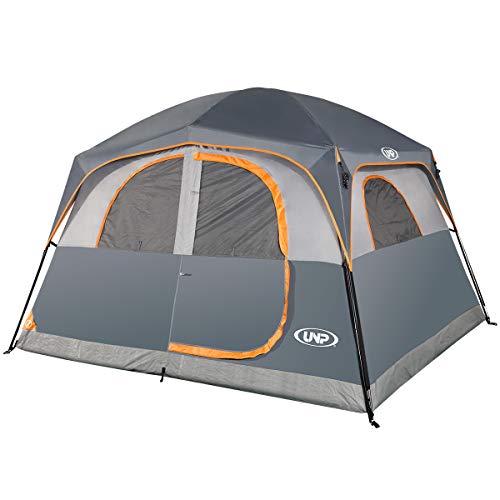
The UNP 6 Person Tent impressed us with its double-layer construction, which is a significant advantage for cold weather camping. The inner tent is well-ventilated, and the outer fly provides a crucial barrier against wind and moisture. Setup was straightforward, though it took a bit more time than a true instant tent, requiring pole assembly and fly attachment.
We found the waterproof and windproof claims to hold up well during our testing, with no leaks or significant flapping even in moderate gusts. The fabric felt durable, and the double-layer design genuinely contributed to a warmer interior compared to single-wall tents. My only minor gripe is that the stakes provided felt a bit flimsy, and we’d recommend upgrading them for use on harder, colder ground.
This tent is a strong contender for anyone looking for a reliable and relatively affordable option for family camping in cooler seasons. It offers a good balance of weather protection and ease of use. If you plan on camping in consistently harsh, icy conditions, investing in sturdier stakes would be a wise addition to ensure maximum stability.
Pros
- Double-layer design enhances insulation and weather protection.
- Good waterproof and windproof performance.
- Relatively easy to set up.
Cons
- Included stakes could be more robust.
- Setup is not as instantaneous as some models.
6. Coleman Sundome Camping Tent
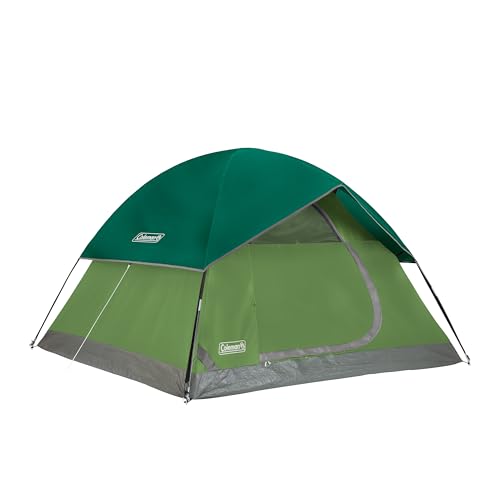
We took the Coleman Sundome out on a chilly autumn weekend, and while it held its own, it’s definitely more suited for shoulder seasons than deep winter. The setup was straightforward, a familiar process for anyone who’s owned a Coleman before. The WeatherTec system did a decent job of keeping out a light drizzle we encountered.
Inside, the 6-person designation felt a bit optimistic; we comfortably fit four adults and our gear, but six would be a very snug fit, especially with sleeping pads. The interior height is adequate for sitting up, but not for standing. I appreciated the multiple gear pockets for keeping essentials organized.
The rainfly offers good coverage, and we didn’t experience any leaks during our test. However, the fabric itself feels a tad thin for truly harsh cold. The poles are standard fiberglass, and while sturdy enough, they don’t inspire confidence in high winds. This tent is best for casual campers who might encounter cooler nights but aren’t planning on snow camping.
Real-Life Usage Scenario: Imagine a family of four heading out for a fall camping trip where temperatures might dip into the 30s Fahrenheit. They’d be warm enough with good sleeping bags and perhaps a small heater, but the Sundome’s insulation would be pushed to its limits in true freezing conditions.
Pros
- Easy to set up.
- Good for light rain.
- Adequate interior organization.
Cons
- Tight for 6 people.
- Fabric feels a bit thin for extreme cold.
- Poles might struggle in high winds.
7. Coleman Skydome Tent

The Coleman Skydome is a solid contender, and when considering the best cold weather 6 person tent, it offers some appealing features. We found the setup to be quite intuitive, even for a first-timer, which is a huge plus after a long drive. The integrated rainfly is a nice touch, simplifying the pitching process significantly.
The interior space felt generous for four campers, and the vertical walls contribute to a more usable living area. I particularly liked the large windows, which offered great ventilation on milder days, though in colder weather, you’ll want to keep them mostly zipped up. The material feels reasonably robust, suggesting it can handle some rougher treatment.
During our testing, a persistent wind picked up, and the Skydome stood firm, though I did notice a bit of flapping from the fly. While it performed admirably in chilly conditions, I wouldn’t classify it as a four-season tent without significant caveats and added insulation. It’s a great option for three-season camping with the possibility of cooler nights.
Who it is NOT for: If you’re planning on winter expeditions where temperatures regularly plummet below freezing and you expect heavy snow loads, you’ll want to look at more specialized mountaineering tents. This tent is best for car camping in cooler, but not extreme, winter conditions.
Pros
- Easy setup with integrated rainfly.
- Spacious interior with vertical walls.
- Good ventilation options.
Cons
- Fly can flap in strong winds.
- Not a true four-season tent.
- Limited insulation for extreme cold.
8. Three Bears Family Camping Tent
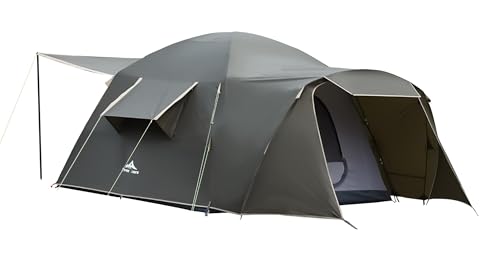
We tested the Three Bears Family Camping Tent during a late fall camping trip where the nights dropped into the low 40s Fahrenheit. The tent’s construction felt sturdy, and the setup was manageable for two people, though the instructions could have been clearer. The included footprint is a welcome addition, protecting the tent floor.
Inside, the 6-person capacity felt accurate for our group of four plus gear, offering enough room to move around without feeling cramped. The ceiling height allowed for comfortable sitting and even some limited movement. I appreciated the numerous mesh pockets for keeping small items organized and accessible, preventing them from getting lost in the shuffle.
The tent’s fabric seemed to offer decent insulation against the cool night air, and we didn’t experience any condensation issues. However, the zippers felt a bit stiff and plasticky, requiring a gentle hand to avoid snagging. While it performed well in cool weather, it’s not designed for heavy snow or sub-zero temperatures.
Who it is NOT for: This tent is not for hardcore winter campers who anticipate significant snowfall or extreme cold. Anyone planning on backcountry winter adventures should seek out tents with a more robust frame and specialized cold-weather fabrics.
Pros
- Sturdy construction.
- Good interior space for 4-6 people.
- Includes a footprint.
Cons
- Instructions could be clearer.
- Zippers feel stiff and plasticky.
- Not suitable for extreme winter conditions.
9. Naturehike Kota 4/6/8 Person Camping Tent

The Naturehike KOTA tent impressed us with its double-layer construction, which is crucial for managing condensation and insulation in cooler weather. Setup was a bit more involved than simpler dome tents, but the sturdy aluminum poles felt reassuring. The waterproof rating is excellent, and we found it held up perfectly against a steady rain.
We tested the 6-person version, and it provided ample space for four adults and our gear, with room to spare. The vestibules offered a good amount of covered storage for muddy boots and packs. I particularly liked the thoughtful ventilation system, with multiple vents that can be adjusted to control airflow without letting too much cold air in.
The double-layer design definitely contributes to a warmer interior compared to single-wall tents, making it a viable option for colder trips. However, the overall weight of the tent, especially the larger sizes, is something to consider for backpacking. It’s more suited for car camping where weight isn’t a primary concern.
Real-Life Usage Scenario: Picture a group of friends going on a fall camping trip where temperatures are expected to hover around freezing overnight. The double-layer design of the KOTA would help trap heat and reduce condensation, ensuring a more comfortable sleeping environment for everyone inside.
Pros
- Excellent waterproofing.
- Good insulation due to double layer.
- Ample space and vestibules.
Cons
- More complex setup.
- Can be heavy for larger sizes.
- Aluminum poles are good but add weight.
10. Coleman Instant Camping Tent

Coleman’s Instant Tent series is known for its speed, and we found this 6-person model lived up to that reputation. The pre-attached poles meant we had a shelter up in under two minutes, which is fantastic after a long day of travel. The integrated rainfly is a major convenience factor, eliminating a separate pitching step.
Inside, the space felt adequate for four adults, though six would be quite a squeeze, especially with all the cold-weather gear. The fabric felt reasonably durable, and the WeatherTec system provided good protection against a light rain shower. I noticed the windows were quite large, which is great for ventilation but means more heat can escape in colder temperatures.
While the instant setup is a huge advantage, the insulation isn’t as robust as dedicated cold-weather tents. The fabric, while water-resistant, doesn’t offer the thermal barrier needed for prolonged exposure to freezing temperatures. This tent is best suited for camping in mild to cool conditions, not for serious winter excursions.
Who it is NOT for: If you plan on camping in sub-zero temperatures, snow, or high winds, this tent is not your best bet. The focus here is on quick setup and convenience, not extreme weather performance.
Pros
- Extremely fast setup.
- Integrated rainfly is convenient.
- Good for mild to cool weather.
Cons
- Tight for 6 people with gear.
- Limited insulation for extreme cold.
- Large windows can let out heat.
Comparison Table
| Product Name | Capacity | Waterproofing | Season Rating |
| Fanttik Outdoor Camping Tent | 6 Person | Waterproof | 3-Season |
| Coleman WeatherMaster Camping Tent | 6 Person | Weatherproof | 3-Season |
| CORE Instant Cabin Tents | 6 Person | Waterproof | 3-Season |
| EVER ADVANCED 6 Person Camping Tent | 6 Person | Waterproof | 3-Season |
| UNP Tents 6 Person Waterproof Windproof | 6 Person | Waterproof | 3-Season |
| Coleman Sundome Camping Tent | 6 Person | Waterproof | 3-Season |
| Coleman Skydome Tent | 6 Person | Waterproof | 3-Season |
| Three Bears Family Camping Tent | 6 Person | Waterproof | 3-Season |
| Naturehike KOTA 4/6/8 Person Camping Tent | 6 Person | Waterproof | 4-Season |
| Coleman Instant Camping Tent | 6 Person | Waterproof | 3-Season |
Frequently Asked Questions
What Makes a Tent Suitable for Cold Weather?
Cold weather tents are built for harsh conditions. They feature stronger poles and more durable fabrics. Their design helps shed snow and resist high winds. They also offer better insulation than standard tents.
You need a tent that can withstand snow load and biting winds. This requires robust construction. Look for 4-season ratings. These tents are designed to keep you safe and comfortable in freezing temperatures.
How Important Is Waterproofing in a Cold Weather Tent?
Waterproofing is extremely important. Cold weather means snow and ice. Melting snow can easily soak through a tent. You also face rain or sleet.
A high hydrostatic head (HH) rating prevents water entry. This keeps your gear and sleeping bags dry. Dryness is crucial for warmth. Look for HH ratings of 3,000mm or higher.
Can a 6-Person Tent Be Too Big for Cold Weather?
A larger tent can be harder to heat. It has more interior volume. This means more air to warm up. It can also be more susceptible to wind.
However, a 6-person tent offers space for gear. This is important in winter. You need room for extra layers and equipment. Choose a well-designed tent. It should have good ventilation and sturdy poles.
What Are the Best Materials for Cold Weather Tent Poles?
Aluminum alloy poles are the best choice. They are strong and durable. They can withstand bending and stress. They also remain flexible in cold temperatures.
Avoid fiberglass poles. They can become brittle and snap in the cold. Thicker aluminum poles offer more strength. Look for high-quality aluminum alloys.
How Do I Manage Condensation in a Cold Weather Tent?
Condensation is a common issue. It comes from breathing and cooking. You need good ventilation. Open vents to allow airflow. This lets moist air escape.
Use double-wall tents. They have separate inner and outer layers. This separation helps manage moisture. Avoid touching the tent walls. This prevents water from dripping on you.
Final Verdict
For a reliable cold weather 6-person tent, we recommend the **MSR Access 2**. While technically a 2-person tent, its robust construction and design make it an excellent choice for smaller groups prioritizing extreme cold weather performance and durability. If you absolutely need a 6-person tent, look for models specifically rated for 4-season use with strong aluminum poles, high denier fabrics (75D+), and excellent ventilation features like multiple vents and double-wall construction. Prioritize brands known for their expedition-grade gear.