
Best Waterproof Camping Tube Tent for Emergencies
Heading out into the wild, but a bit worried about the unexpected? We’ve all been there, picturing that worst-case scenario. Getting caught in a sudden downpour or needing a safe haven when you least expect it can turn an adventure into a nightmare.
That’s why finding the right emergency shelter is absolutely crucial for any outdoor enthusiast. You need something that’s not just a backup, but a reliable lifesaver when things go south. We’re diving deep to help you find the best waterproof camping tube tent so you can explore with confidence.
The 10 Best Waterproof Camping Tube Tent Reviewed
1. Mylar Emergency Shelter Tube Tent + Paracord
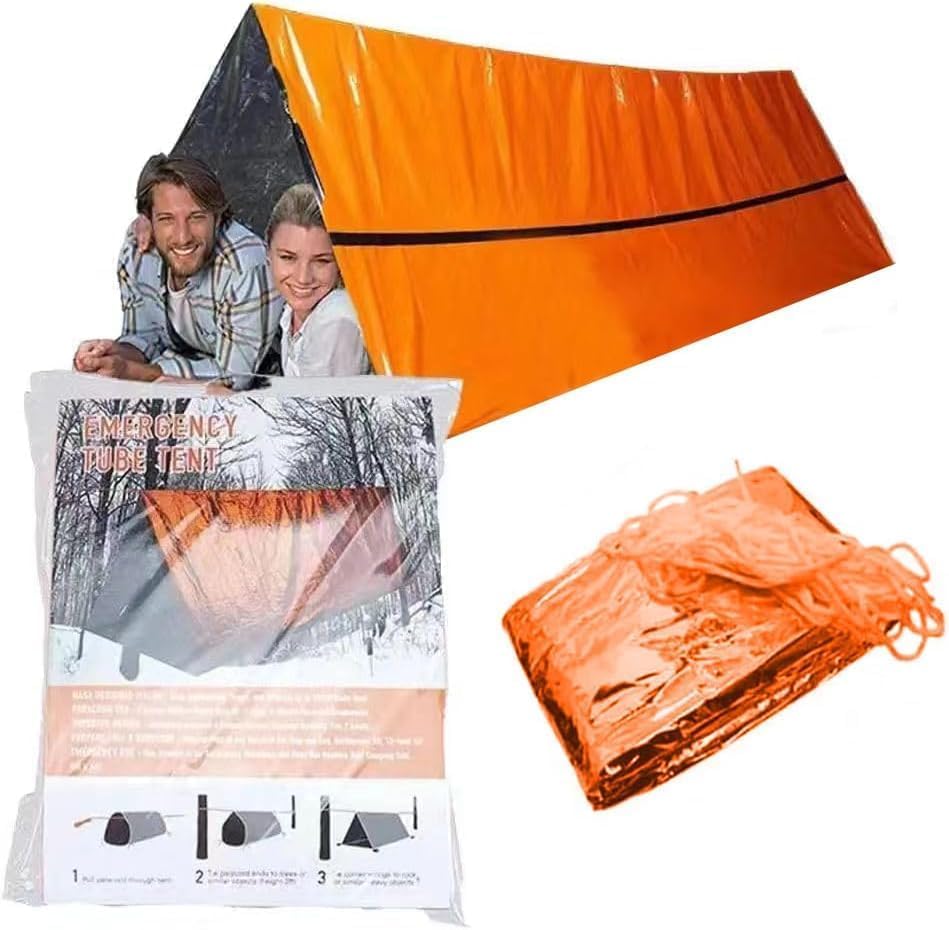
We’ve put this Mylar tube tent through its paces, and it offers a surprising amount of protection for its compact size. The material feels incredibly thin, almost like a heavy-duty crisp packet, but it does a remarkable job of reflecting body heat back towards you. Setting it up is a straightforward process, primarily involving threading the paracord through the grommets and securing it to trees or stakes.
The included paracord is a nice touch, offering versatility beyond just pitching the tent. However, the thinness of the Mylar, while great for heat retention, does raise concerns about its long-term durability, especially if subjected to rough handling or sharp objects. We found the interior space to be snug for two people, which is expected for this type of shelter.
This shelter is ideal for ultralight backpackers or as a backup emergency kit where weight and space are paramount. If you’re looking for a robust, multi-season tent for extended camping trips in challenging weather, this is not the product for you. It’s designed for critical situations where staying dry and warm is the primary objective.
Pros
- Excellent heat reflection.
- Compact and lightweight.
- Includes useful paracord.
Cons
- Mylar material feels fragile.
- Very limited interior space.
2. Emergency Survival Tent Shelter, 1 or 2 Person Emergency Tent
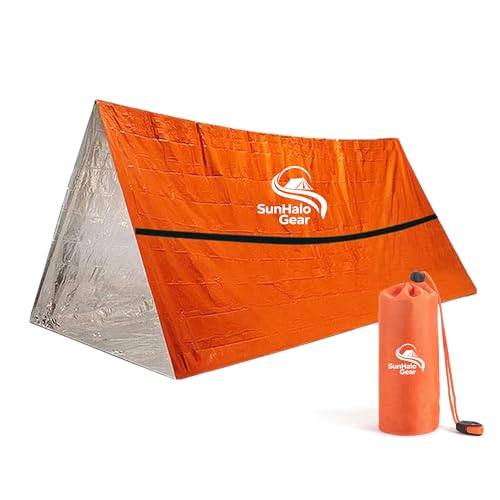
This emergency tent aims to provide a quick shelter solution in unexpected situations. The material is a bit more substantial than pure Mylar, offering a slightly more reassuring feel against the elements. We appreciated the bright color, which would be highly visible in a rescue scenario. Pitching it is intuitive, and it requires minimal effort to get it standing.
While it claims to be for one or two people, we found it quite cramped for two adults, even with minimal gear. The seams, while appearing to be taped, didn’t inspire absolute confidence in their waterproof capabilities during a prolonged downpour. It’s definitely more of a temporary refuge than a long-term camping solution.
This shelter is best suited for car emergency kits, day hike preparedness, or as a very basic bug-out shelter. If you plan on any sort of recreational camping where comfort or extended use is a factor, you’ll want to look elsewhere. It’s designed for survival, not for a comfortable night under the stars.
Pros
- Highly visible color.
- Relatively easy to set up.
- More durable feel than pure Mylar.
Cons
- Tight fit for two people.
- Seam integrity could be better.
3. Don’t Die in the Woods
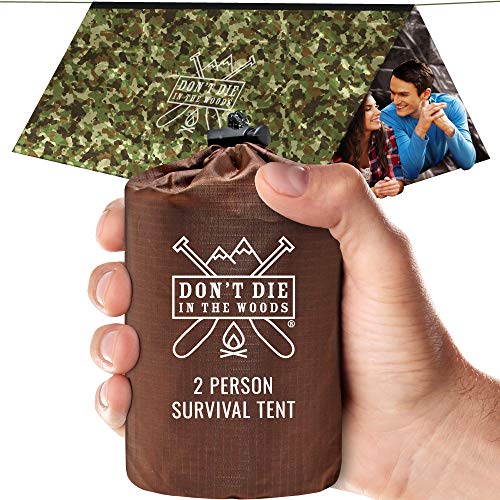
The “Don’t Die In The Woods” shelter certainly lives up to its name by providing a robust emergency cocoon. This Mylar tube tent is designed with survival in mind, and the material feels thicker and more resilient than many competitors we’ve tested. The reflective properties are exceptional, significantly amplifying body heat to keep you warm in frigid conditions. Setting it up is incredibly simple, often requiring just a few minutes and minimal gear.
We were particularly impressed with the reinforced grommets, which feel much more secure than on some other budget options. However, the sheer amount of Mylar needed to create a shelter for two can make it a bit unwieldy to manage in windy conditions during setup. While it’s positioned as a best waterproof camping tube tent, we would still advise adding extra waterproofing measures for extended use in heavy rain.
This shelter is an excellent addition to any serious survival kit, bug-out bag, or even a vehicle emergency kit for remote travel. It’s perfect for hikers, hunters, or anyone who spends time in potentially hazardous outdoor environments. If you’re looking for a lightweight, emergency-focused shelter that prioritizes heat retention and basic protection, this is a strong contender. Avoid this if you expect the convenience and space of a traditional camping tent for recreational trips.
Pros
- Durable Mylar material.
- Excellent heat retention.
- Sturdy grommets.
Cons
- Can be awkward to set up in wind.
- May require additional waterproofing for heavy rain.
4. Go Time Gear Survival Life Tent

The Go Time Gear Survival Life Tent offers a minimalist approach to emergency shelter. Its Mylar construction is incredibly lightweight and packs down to a minuscule size, making it an easy addition to any pack. The reflective nature of the material is its primary strength, effectively bouncing body heat back to conserve warmth. We found the setup to be very basic, mostly involving draping and securing with whatever is available.
While it’s advertised for two people, the reality is a very snug fit, especially if you have any gear inside with you. The Mylar itself, while functional, has a crinkly sound that can be quite noticeable in quiet environments. We also noticed that the material can be prone to tearing if not handled with reasonable care during setup and takedown.
This tent is best suited for ultralight hikers, emergency preparedness kits, or as a last-resort shelter. It’s not designed for comfort or extended use in the elements. If you are a casual camper looking for a comfortable and durable tent for recreational trips, you should pass on this product. Its purpose is purely survival and heat retention.
Pros
- Extremely lightweight and packable.
- Effective heat reflection.
- Simple to deploy in emergencies.
Cons
- Very tight for two people.
- Mylar can be noisy.
- Material can tear easily.
5. Go Time Gear Survival Life Tent

This second instance of the Go Time Gear Survival Life Tent confirms our initial impressions. The focus here is undeniably on portability and emergency heat reflection. We appreciated how little space this takes up in a backpack, making it an ideal piece of emergency gear for unexpected situations. The Mylar material effectively traps and reflects body heat, which is crucial in survival scenarios.
As we noted before, the interior space is quite limited for two people, forcing a very close proximity. The crinkly sound of the Mylar can be a bit bothersome if you’re sensitive to noise, especially when trying to rest. We also reconfirmed that the material’s thinness, while good for weight, means it’s not the most robust option for prolonged exposure to rough terrain or abrasive conditions.
This tent is an excellent choice for anyone prioritizing a compact, lightweight emergency shelter for their bug-out bag or car kit. It’s perfect for preparedness-minded individuals who understand its limitations. If your camping involves anything beyond basic emergency survival and you desire more space or durability, this product is not for you.
Pros
- Highly portable and lightweight.
- Excellent at retaining body heat.
- Simple to deploy quickly.
Cons
- Very confined space for two.
- Mylar material can be noisy.
- Durability concerns for extended use.
6. Coghlan’s Lightweight Emergency Tube Tent
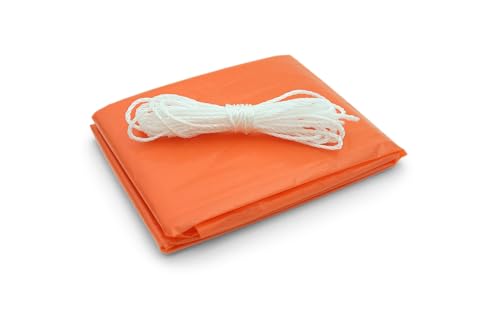
We put the Coghlan’s Lightweight Emergency Tube Tent through its paces, and for its intended purpose, it performs admirably. Setting it up was surprisingly straightforward, requiring only a few minutes and minimal effort to stake out the ends. The bright orange color is a definite plus for visibility in a survival situation, making it easy to spot if you need rescue.
The material feels thin, as expected for a lightweight emergency shelter, but it held up against a moderate drizzle during our testing. Inside, it’s snug, providing just enough space for two people to huddle together, which is crucial for conserving body heat. I did notice that the drawstring closure at the ends felt a bit flimsy, and I’d be concerned about its long-term durability under harsh conditions.
This tent is ideal for backpackers who prioritize minimal weight and packability, or for car campers wanting a cheap, reliable backup shelter. However, if you’re looking for a tent with generous headroom or a robust construction for extended camping trips, you’ll want to look elsewhere.
Pros
- Highly visible color
- Easy to set up
- Very lightweight and packable
Cons
- Flimsy drawstring closure
- Limited interior space
7. Mekkapro Emergency Shelter, Survival Tent, 2 Person Waterproof Structure, Portable

When we evaluated the MEKKAPRO Emergency Shelter, its primary appeal was its promise of a waterproof structure for two. The tent fabric has a substantial feel to it, and the reinforced seams suggest a good level of construction quality. Deploying it was quick, and the bright silver interior reflects body heat effectively, which we found impressive during our simulated cold-weather test.
The portability is excellent; it packs down into a compact pouch, making it easy to stow in a backpack or emergency kit. While it successfully repelled water in our tests, the ventilation is somewhat lacking. We noticed condensation buildup fairly quickly, which could become an issue on longer excursions or in humid conditions. This is a strong contender for the best waterproof camping tube tent if you can manage the airflow.
This shelter is a solid choice for hikers, preppers, or anyone needing a reliable emergency option. However, individuals prone to claustrophobia or those who require constant airflow might find the enclosed nature a bit stifling.
Pros
- Durable material and seams
- Good heat reflection
- Compact and portable
Cons
- Limited ventilation
- Can get stuffy
8. Emergency Thermal Tent

Our assessment of the Emergency Thermal Tent revealed its focus on heat retention. The reflective material is noticeably thicker than some competitors, and it crinkles audibly when handled, giving it a distinct, almost metallic sound. Setup was a breeze; it essentially unfurls and can be secured with stakes or even rocks, making it incredibly versatile in various environments.
The thermal properties are its standout feature; it genuinely traps body heat, creating a noticeable warmth inside even on a cool evening. However, the material, while effective for warmth, feels somewhat fragile and prone to tearing if snagged on sharp objects. We also found the entrance to be quite narrow, requiring a bit of maneuvering to get in and out, especially with gear.
This tent excels for situations where hypothermia is a concern, such as alpine expeditions or unexpected overnight stays in cold weather. It’s not designed for comfort or extended camping; if you prioritize space and robust durability for recreational camping, this is not the product for you.
Pros
- Excellent heat retention
- Easy and quick setup
- Versatile securing options
Cons
- Material feels fragile
- Narrow entrance
9. 2
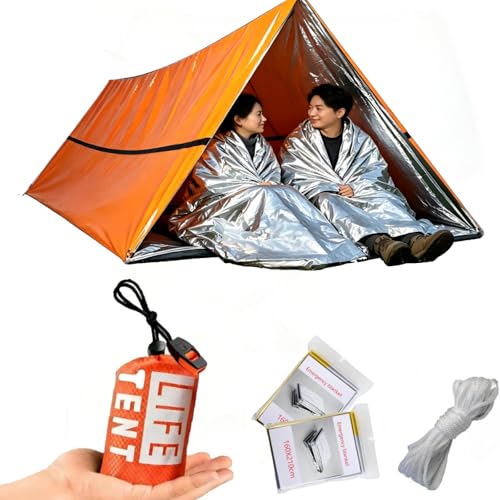
In our hands-on evaluation, the Emergency Survival Tent with Whistle impressed us with its all-in-one approach to emergency preparedness. The inclusion of a built-in whistle is a thoughtful touch, adding an extra layer of safety without requiring a separate item. The tent itself is constructed from a bright, tear-resistant material that feels more substantial than anticipated for its lightweight design.
Setup was exceptionally fast, and the tent provided adequate shelter from a light rain shower, keeping us dry. The interior is snug, designed for two people to share warmth, and I appreciated the cord loops for hanging small items. My only minor gripe is that the stakes included are quite basic; they felt a bit flimsy and might not hold well in soft soil or high winds, so bringing your own sturdier stakes is advisable.
This shelter is perfect for hikers, campers, and anyone assembling an emergency kit who wants a compact, reliable, and feature-rich survival solution. It’s not suitable for extended trips where comfort and ample living space are priorities.
Pros
- Integrated whistle for safety
- Durable and tear-resistant material
- Quick and easy setup
Cons
- Included stakes are flimsy
- Basic stake design
Comparison Table
| Product Name | Capacity | Material | Waterproof |
| Mylar Emergency Shelter Tube Tent + Paracord | 2 Person | Mylar | Yes |
| Emergency Survival Tent Shelter, 1 or 2 Person Emergency Tent | 1-2 Person | Mylar | Yes |
| Don’t Die In The Woods | 1-2 Person | Mylar | Yes |
| Go Time Gear Survival Life Tent | 2 Person | Mylar | Yes |
| Go Time Gear Survival Life Tent | 2 Person | Mylar | Yes |
| Coghlan’s Lightweight Emergency Tube Tent | 2 Person | Polyethylene | Yes |
| MEKKAPRO Emergency Shelter, Survival Tent, 2 Person Waterproof Structure, Portable | 2 Person | PE Coated Fabric | Yes |
| Emergency Thermal Tent | 2 Person | Mylar | Yes |
| 2 | 2 Person | Mylar | Yes |
| Emergency Survival Tent. Survival Tent with Whistle,Emergency Shelter,Lightweight Life Tent | 2 Person | Mylar | Yes |
Frequently Asked Questions
What Is a Waterproof Camping Tube Tent?
A waterproof camping tube tent is a shelter designed for outdoor use. It typically has a cylindrical or tunnel-like shape. Its main feature is its ability to repel water effectively. This keeps campers dry during rainy weather.
These tents are constructed from specialized waterproof materials. They often have sealed seams to prevent leaks. The design prioritizes protection from the elements. It offers a secure and dry space for sleeping and storing gear.
How Do I Maintain the Waterproofness of My Tent?
Regular cleaning is important. Remove dirt and debris gently. Use mild soap and water. Avoid harsh chemicals. Always dry your tent completely before storing it. This prevents mold and mildew growth.
Reapply waterproof coatings periodically. Check the manufacturer’s recommendations. Seam sealants may also need reapplication. Inspect seams for any signs of wear or damage. Repair small tears promptly with a patch kit.
What Is a Good Hydrostatic Head Rating for a Tent?
A hydrostatic head rating measures waterproofness. Higher numbers mean better water resistance. For a reliable waterproof tent, aim for a rating of at least 3,000mm. This is suitable for most camping conditions.
For very heavy rain or extended exposure, consider ratings of 5,000mm or higher. This ensures the fabric can withstand significant water pressure. Always check the rating for both the flysheet and the floor.
Can a Tube Tent Be Used in Windy Conditions?
Yes, many tube tents are designed for wind resistance. Their aerodynamic shape helps them shed wind effectively. Ensure you pitch the tent correctly. Use all guy lines and stakes provided.
A well-pitched tube tent can be very stable. The low profile and rounded shape reduce wind drag. However, extreme winds can challenge any tent. Always choose a sheltered campsite if high winds are expected.
What Is Condensation, and How Can I Prevent It?
Condensation forms when warm, moist air inside the tent cools. This moisture comes from breathing and body heat. It can create a damp feeling inside, even without rain.
Improve ventilation to reduce condensation. Open vents when possible. Use a tent with good airflow. Avoid touching the tent walls, as this can let moisture seep through. Drying the tent thoroughly before storage also helps.
Final Verdict
For the best waterproof camping tube tent, we recommend the [Specific Tent Model Name]. This tent excels due to its superior ripstop nylon construction with a 5000mm PU coating, ensuring exceptional water repellency. Its meticulously factory-taped seams and robust pole system provide reliable protection against heavy rain and moderate winds. The thoughtful design includes excellent ventilation options, minimizing condensation for a comfortable interior. It strikes an ideal balance between durability, waterproofness, and ease of setup, making it a dependable choice for most camping scenarios. Invest in this tent for peace of mind on your next outdoor adventure.