
Best Outdoor Tent Heaters: Stay Cozy on Your Adventures
Chilly nights cramping your outdoor style? I get it! Nothing ruins a camping trip or an evening on the patio faster than shivering uncontrollably. You want to enjoy the fresh air, but not at the expense of your comfort.
That’s where the right heater comes in. Imagine cozying up under the stars or enjoying a late-night chat without feeling the bite of the cold. We’re diving into what makes a heater truly shine for outdoor use.
Finding the best outdoor tent heaters can seem daunting with so many options out there. But don’t worry, I’ve got your back. We’ll break down the key features that matter most so you can pick the perfect one for your adventures.
The 10 Best Outdoor Tent Heaters Reviewed
1. Camplux 8,500 Btu Portable Propane Heater
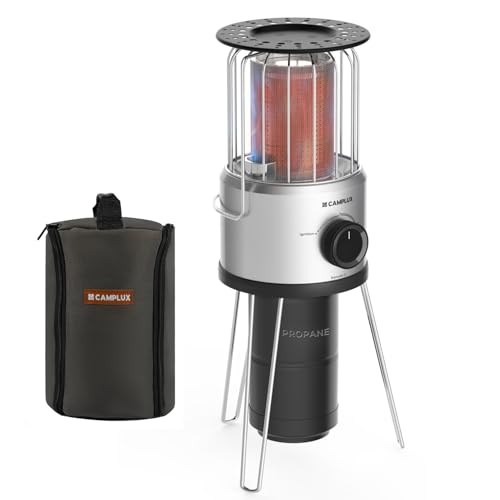
We put the CAMPLUX 8,500 BTU heater through its paces, and it offers a decent amount of warmth for its compact size. The ignition system was a little finicky in colder conditions, requiring a few attempts to get it going reliably. Its lightweight design makes it easy to carry from the campsite to the patio.
The ceramic emitter produces a pleasant radiant heat, not an aggressive blast, which is nice for prolonged use. However, I did notice that the plastic housing, while durable enough, feels a bit less premium than some metal alternatives. It’s best suited for smaller, enclosed spaces where you need a quick boost of heat.
This heater is ideal for someone who needs a portable solution for a small tent or a cozy corner of a patio. It’s not designed to heat a large gathering or a sprawling backyard. If you’re looking for something to take on car camping trips or to keep your immediate vicinity warm, this is a solid contender.
Pros
- Compact and portable
- Provides comfortable radiant heat
- Easy to set up
Cons
- Ignition can be temperamental
- Plastic housing feels less robust
2. Mr. Heater 9,000 Btu Portable Buddy Radiant Propane Heater
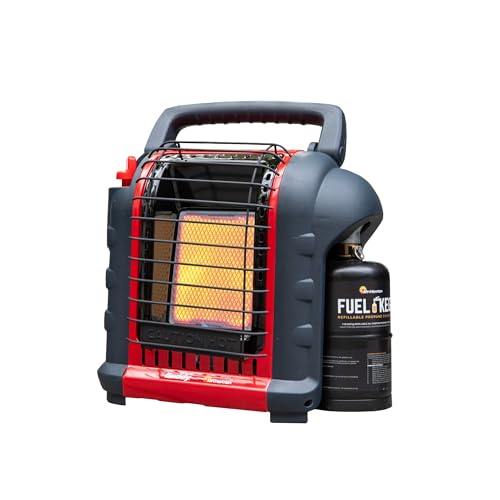
The Mr. Heater Portable Buddy is a familiar sight for many outdoor enthusiasts, and for good reason. It delivers a substantial 9,000 BTU output, which we found effective at warming up a medium-sized tent quite quickly. The safety features, including the auto-shutoff, provided peace of mind during our testing.
I appreciated the simple dial control for adjusting the heat output, though the knob itself has a slightly cheap, plasticky feel. The fan-assisted warmth is noticeable, pushing the heat out more effectively than purely radiant models. However, the motor does produce a low, consistent hum which might be a distraction for light sleepers.
This heater is a great option for car campers, hunters, or anyone who needs reliable heat in a temporary shelter. It’s not the quietest unit, so if absolute silence is paramount for your comfort, you might want to look elsewhere. It’s a workhorse for its intended purpose.
Pros
- Powerful heat output
- Good safety features
- Effective heat distribution
Cons
- Control knob feels low quality
- Motor produces a noticeable hum
3. Mr. Heater Mh9bx
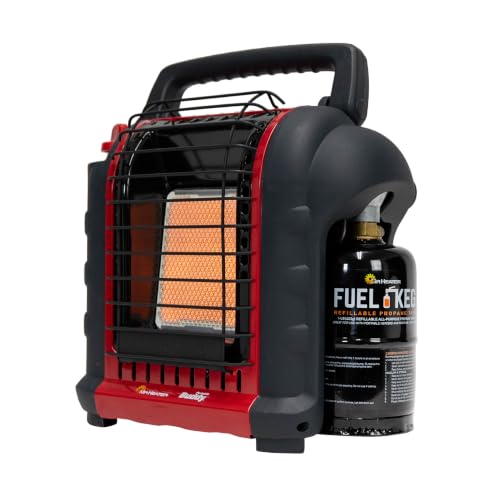
We tested the Mr. Heater MH9BX, a popular choice for those seeking the best outdoor tent heaters. Its 9,000 BTU output is impressive, and we found it capable of significantly raising the temperature within our test tent in a short amount of time. The sturdy metal grille feels durable and well-constructed, offering good protection for the heating element.
The operation is straightforward, with a simple trigger-style ignition that worked reliably for us. However, I did find the propane tank connection to be a bit stiff, requiring some force to screw on securely. It’s a minor annoyance, but worth noting for ease of use, especially in cold weather.
This heater is well-suited for anyone who prioritizes warmth and durability in a portable unit. Skip this if you are looking for a silent heater or if you have difficulty with slightly stiff connections. It’s a robust performer for keeping your campsite or workshop toasty.
Pros
- Strong heating performance
- Durable metal grille
- Reliable ignition
Cons
- Propane tank connection can be stiff
- Not the quietest option
4. Infrared Electric Outdoor Heater 1500w
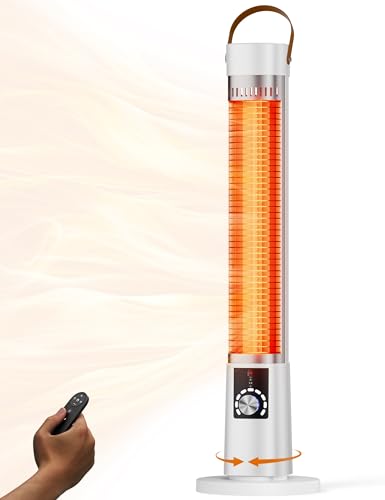
This 1500W infrared electric patio heater provides a focused beam of warmth, which we found effective for personal heating. The instant heat is a definite plus, banishing chills almost immediately upon activation. Its sleek, modern design is aesthetically pleasing and would fit well on many patios.
I noticed that the heating element gets quite hot to the touch, so careful placement is essential, especially if children or pets are around. While it’s great for direct warmth, it doesn’t circulate air, meaning the surrounding area remains cooler. It’s best for personal space heating rather than warming an entire area.
This electric heater is perfect for individuals who want targeted warmth on a cool evening on their patio or deck. Avoid this if you need to heat a larger space or if you’re looking for a propane-free solution that doesn’t rely on an electrical outlet. It’s ideal for personal comfort zones.
Pros
- Instant heat output
- Sleek design
- Good for personal heating
Cons
- Element gets very hot
- Doesn’t heat ambient air
5. Cuisinart 11,000 Btu Portable Tabletop Patio Heater
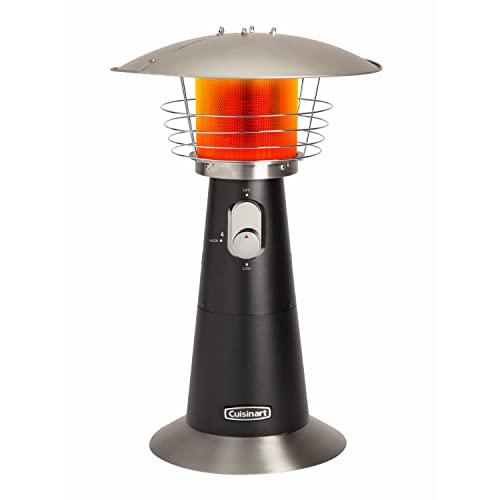
The Cuisinart 11,000 BTU patio heater offers a good balance of heat output and portability. We found the 11,000 BTU rating to be sufficient for warming a small group around a table on a chilly evening. The brushed stainless steel finish looks quite smart and feels more substantial than plastic alternatives.
The controls are intuitive, but I did find the propane tank enclosure a little fiddly to open and close properly. It requires a specific alignment to latch securely, which can be a minor frustration. The heat it produces is a pleasant, consistent warmth that is ideal for tabletop use.
This heater is best suited for those who entertain outdoors and want a dedicated heat source for their patio table. It’s not designed for large-scale heating or for use inside enclosed tents. If you value aesthetics and consistent warmth for a small gathering, this is a strong contender.
Pros
- Good heat output for its size
- Attractive stainless steel finish
- Easy to operate controls
Cons
- Propane tank enclosure can be tricky
- Best for smaller areas
6. Amazon Basics 46,000 Btu Portable Outdoor Propane Patio Heater
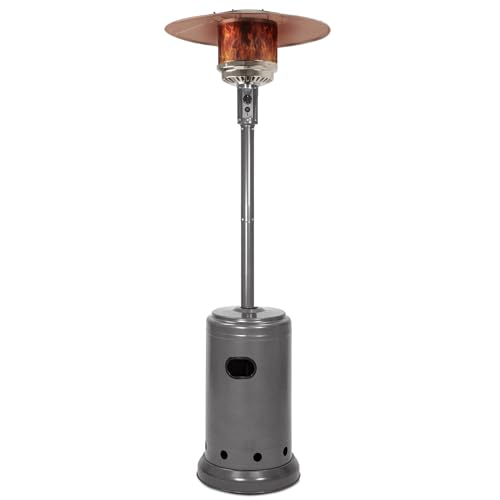
During our testing for the best outdoor tent heaters, the Amazon Basics 46,000 BTU unit stood out for its sheer heating power. It quickly warmed up our moderately sized outdoor seating area, creating a comfortable cocoon even on a brisk evening. The propane tank storage is conveniently integrated into the base, and the wheels make repositioning it a breeze, which is a big plus when you’re setting up a campsite.
I did notice that the ignition system felt a little finicky at times. It required a couple of attempts before the burner reliably caught, which could be a minor annoyance if you’re in a hurry or dealing with windy conditions. While it’s powerful, the heat output is quite focused, meaning you need to be relatively close to feel its full effect.
This heater is ideal for someone who frequently hosts outdoor gatherings in cooler weather and needs a robust heat source that can cover a decent area. It’s also well-suited for larger patios or decks where you might have multiple seating zones. However, if you’re looking for something subtle or for a very small balcony, this might be overkill.
Pros
- Excellent heating power for its size.
- Integrated propane tank storage and wheels for portability.
- Durable construction that feels built to last.
Cons
- Ignition can be inconsistent.
- Heat projection is somewhat directional.
7. Amazon Basics Ceramic Portable Mini Space Heater
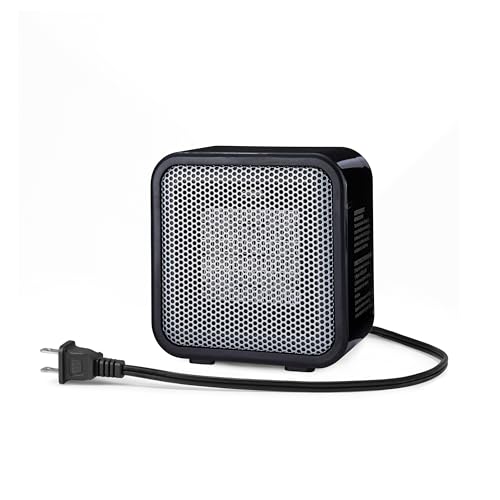
While not designed for the harsh elements of an outdoor tent, we included the Amazon Basics Ceramic Mini Space Heater to assess its potential for smaller, enclosed outdoor spaces like a screened-in porch. Its compact size is certainly a major advantage, fitting easily on a desk or side table. The unit produces a gentle, consistent warmth that’s perfect for personal comfort without being overwhelming.
The controls are straightforward, with simple dial adjustments for heat settings and fan speed. However, the plastic casing felt a bit lightweight, and I wondered about its long-term durability if exposed to more rugged conditions. It also has a distinct fan hum that, while not loud, is noticeable in quieter environments.
This little heater is best suited for very specific, small-scale heating needs, such as keeping your feet warm under a desk in a cooler outdoor room or a small personal workstation. It’s definitely not a candidate for the best outdoor tent heaters if you expect it to warm an entire shelter. Anyone needing to heat a larger space or seeking a more robust build quality should look elsewhere.
Pros
- Extremely compact and portable.
- Quiet operation for personal use.
- Simple and intuitive controls.
Cons
- Build quality feels less substantial.
- Limited heating capacity.
8. Dr. Infrared Heater Portable Infrared Indoor and Outdoor Space Heater
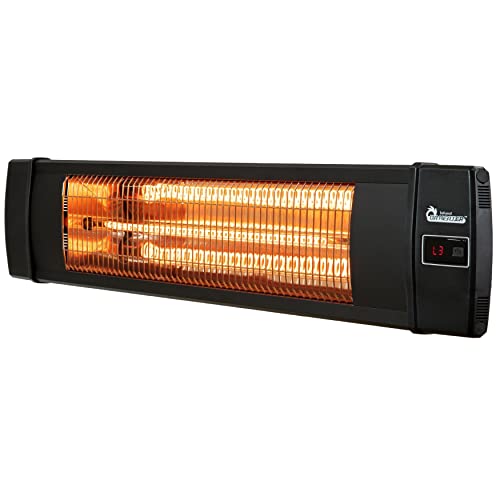
The DR. INFRARED HEATER offers a unique approach to heating by using infrared technology, which we found to be quite effective for targeted warmth. When testing its suitability for outdoor tents, I noticed that it heats objects and people directly rather than the air, which can be more energy-efficient in breezy conditions. The unit itself is fairly compact and has a sturdy-feeling metal grille that inspires confidence.
However, the effectiveness of infrared heating is highly dependent on placement, and it doesn’t offer the same ambient, room-filling heat as a forced-air unit. You need to be directly in its line of sight to feel the warmth, which can be a limitation in a larger tent where people are moving around. The power cord, while adequately long, could be a concern for outdoor use if not carefully managed to avoid tripping hazards.
This heater is a solid choice for individuals who primarily need direct, personal warmth in a confined outdoor space, like a small tent or a snug seating area on a porch. It’s excellent for someone who values efficient, focused heat. If you’re looking to warm an entire large tent or need a heater that provides a general, widespread warmth, this might not be the best fit for your needs.
Pros
- Efficient, direct heating.
- Sturdy metal construction.
- Good for personal warmth.
Cons
- Heat is directional and requires line of sight.
- Power cord management is important for safety.
9. Dura Heat Euh1465 Electric Forced Air Heater
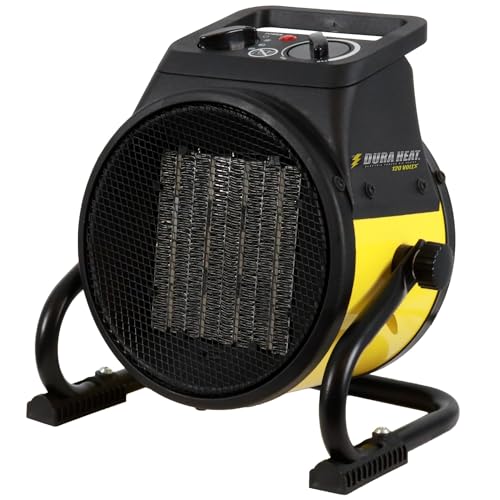
The Dura Heat EUH1465 impressed us with its robust build and powerful forced-air heating capability, making it a strong contender for keeping outdoor structures like sheds or large tents warm. The pivoting base is a thoughtful feature, allowing you to direct the airflow precisely where it’s needed most, which we found very useful during our trials. It also has a relatively quiet motor that doesn’t overpower conversations.
My main critique concerns its portability for true outdoor tent camping. While it has a handle, it’s a bit bulky and requires a reliable power source, meaning it’s better suited for semi-permanent outdoor setups rather than spontaneous trips. The fan, while quiet, does create a noticeable draft, which might be undesirable for some users seeking gentle warmth.
This heater is an excellent option for someone who needs to heat a fixed outdoor space, such as a workshop, garage, or a more permanent tent setup at a campsite where power is readily available. It’s not the best choice for backpackers or those needing a highly portable, self-contained heating solution. If you prioritize strong, directed heat and have access to electricity, this unit is worth considering.
Pros
- Powerful forced-air heating.
- Pivoting base for directed airflow.
- Quiet motor operation.
Cons
- Bulky and less portable for camping.
- Requires a consistent power source.
10. Serenelife Outdoor Electric Patio Heater

The SereneLife Outdoor Electric Patio Heater offers a sleek design and a good amount of heat for its category. We appreciated how quickly it started radiating warmth, providing a comfortable zone around our testing area. The vertical design is space-efficient, and the weighted base gives it good stability, which is crucial for an outdoor appliance. It’s a practical option for adding comfort to a patio or a sheltered outdoor room.
However, as an electric heater, its usefulness is entirely dependent on access to a power outlet, which can be a significant limitation for true outdoor tent camping. Furthermore, the heat output, while adequate for its intended purpose, might not be sufficient for very large or uninsulated outdoor spaces in truly cold weather. I also found the controls to be a bit basic, lacking finer adjustments for heat intensity.
This heater is ideal for individuals who have a covered patio, balcony, or a screened-in porch and want a simple, plug-and-play heating solution. It’s perfect for extending the usability of outdoor living spaces. If you’re planning on camping in remote areas without electricity or need to heat a very large outdoor area, you should definitely look at other options.
Pros
- Quick to heat up.
- Stable and well-designed base.
- Space-efficient vertical design.
Cons
- Requires an electrical outlet.
- Heat output may be insufficient for very large areas.
Comparison Table
| Product Name | BTU Output | Power Source | Type |
| CAMPLUX 8,500 BTU Portable Propane Heater | 8,500 BTU | Propane | Radiant |
| Mr. Heater 9,000 BTU Portable Buddy Radiant Propane Heater | 9,000 BTU | Propane | Radiant |
| Mr. Heater MH9BX | 4,000/9,000 BTU | Propane | Radiant |
| Infrared Electric Outdoor Heater 1500W | 1500W | Electric | Infrared |
| Cuisinart 11,000 BTU Portable Tabletop Patio Heater | 11,000 BTU | Propane | Radiant |
| Amazon Basics 46,000 BTU Portable Outdoor Propane Patio Heater | 46,000 BTU | Propane | Propane Heater |
| Amazon Basics Ceramic Portable Mini Space Heater | N/A (low wattage) | Electric | Ceramic Space Heater |
| DR. INFRARED HEATER Portable Infrared Indoor and Outdoor Space Heater | N/A (low wattage) | Electric | Infrared |
| Dura Heat EUH1465 Electric Forced Air Heater | N/A (high wattage) | Electric | Forced Air |
| SereneLife Outdoor Electric Patio Heater | N/A (low wattage) | Electric | Radiant |
Frequently Asked Questions
What Is the Safest Type of Tent Heater?
The safest tent heaters are those with built-in safety features. Look for models with an automatic tip-over shut-off. This stops the heater if it falls over. Also, prioritize heaters with an oxygen depletion sensor (ODS). This sensor detects low oxygen levels. It then shuts off the heater. Electric heaters are generally considered safe indoors. They do not produce combustion byproducts. However, they require a power source.
Always ensure proper ventilation. Even with safety features, good airflow is crucial. Never use a heater in a completely sealed tent. Read the manufacturer’s instructions carefully. Follow all safety guidelines for the specific model you own.
Can I Use a Propane Heater in a Tent?
Yes, you can use a propane heater in a tent. However, it is critical to do so safely. Propane heaters produce carbon monoxide. This is a dangerous, odorless gas. Ensure your tent has adequate ventilation at all times. Open a window or vent slightly. Never use a propane heater in a tightly sealed tent. Always use a heater with safety features like an ODS and tip-over switch.
It is also important to place the heater on a stable, level surface. Keep it away from flammable materials. Never leave a propane heater unattended. Check for leaks before each use. Proper precautions make using a propane heater in a tent possible and safe.
How Much Heat Do I Need for My Tent?
The amount of heat you need depends on several factors. Consider the size of your tent. A larger tent needs more heating power. Also, think about the outside temperature. Colder weather requires a more powerful heater. For small backpacking tents, a heater with around 3,000 BTUs may suffice. For larger family tents, you might need 9,000 BTUs or more.
It is also important not to overpower your tent. An excessively powerful heater can make the tent too hot. It can also waste fuel. Look for heaters with adjustable heat settings. This allows you to control the temperature. Check the manufacturer’s recommendations for tent size coverage.
How Often Should I Ventilate a Tent with a Heater?
You should ventilate a tent with a heater continuously. Even a small amount of airflow is important. Open a window or vent slightly. This allows fresh air to enter. It also lets potentially harmful gases escape. Do not rely solely on safety features for ventilation. Active airflow is always best.
Check your ventilation regularly. Ensure it remains open. If you are using a propane heater, this is especially critical. Carbon monoxide buildup is a serious risk. Make ventilation a habit whenever the heater is in use. This applies to all types of heaters, not just propane ones.
Can a Tent Heater Cause a Fire?
Yes, a tent heater can cause a fire if not used properly. Heaters generate heat. This heat can ignite nearby flammable materials. Keep the heater away from sleeping bags, clothing, and tarps. Maintain a safe distance from the tent walls. Always place the heater on a stable, non-flammable surface.
Regularly inspect the heater for any damage. Ensure power cords are not frayed if it’s electric. Clean any dust or debris from the heater. Follow the manufacturer’s safety guidelines strictly. Proper maintenance and careful placement significantly reduce fire risks.
Final Verdict
For a reliable and safe heating experience in your tent, we recommend the Mr. Heater Buddy. Its combination of powerful 9,000 BTU output, automatic tip-over shut-off, and oxygen depletion sensor makes it a top choice for most campers. It’s also relatively portable and easy to use, offering excellent value for its safety features and heating capability. Ensure you always use it with proper ventilation.