
Best Lightweight Tent Stakes for Backpacking: Top Picks
Alright, fellow hikers, let’s talk about something crucial but often overlooked: tent stakes. You’ve got your shiny new tent, your trusty backpack, but if your stakes can’t hold their ground, your whole setup is at risk. Nothing ruins a campsite vibe faster than a collapsed tent in the middle of the night, right?
That’s why we’re diving deep into the world of the best lightweight tent stakes for backpacking. We’re talking about stakes that won’t weigh you down but will still anchor your shelter like a boss, even in tricky conditions. Forget those flimsy, bent-out-of-shape stakes that come with your tent; it’s time for an upgrade that truly matters for your outdoor adventures.
The 10 Best Lightweight Tent Stakes for Backpacking Reviewed
1. Avoforest 7.1″ Tent Stakes (18+2 Pack)

We put the AVOFOREST 7.1-inch tent stakes through their paces on a recent trip, and they generally held their own. The included pack of 20 is generous, offering plenty of spares for those inevitable moments of loss or bending. They drove into moderately firm soil with a satisfying thud, providing a solid anchor for our tarp shelter.
The anodized aluminum construction feels robust enough for most backpacking scenarios, and the slightly wider profile compared to thinner stakes offers a bit more surface area for grip. However, I did find the pull-out tab to be a bit small, making them slightly fiddly to extract once fully seated, especially with muddy fingers.
This stake set is a good option for casual backpackers or those who prioritize having extra stakes on hand without breaking the bank. If you’re tackling extremely rocky or compacted ground frequently, you might want something with a more aggressive point or a heavier-duty material.
Pros
- Generous pack size for the price.
- Adequate holding power in most soils.
- Anodized finish adds durability.
Cons
- Pull-out tab is a bit small and can be difficult to grip.
2. Ultralight Aluminum Tent Stakes (7 Inch)
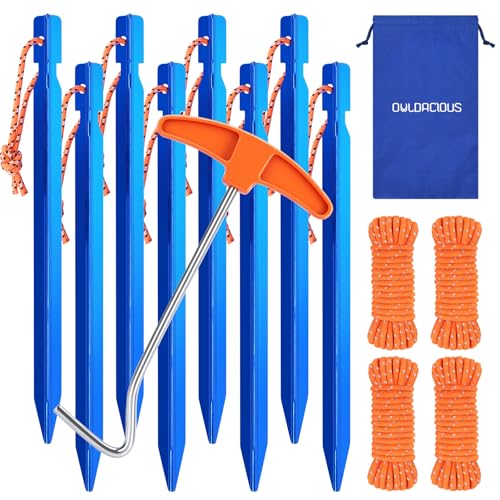
These 7-inch ultralight aluminum stakes are incredibly light, a definite plus for any ounce-counting backpacker. We tested them in a dry, sandy campsite, and they performed reasonably well, sinking easily into the loose substrate. Their slim profile means they pack down small, taking up minimal space in your pack.
The simplicity of their design is a double-edged sword; while they are lightweight, they lack features that would enhance their holding power in varied conditions. On a slightly windier night, I noticed a bit more movement than I would have liked, and I suspect they’d struggle in harder packed earth. The smooth finish, while attractive, also means they can be a little slippery when trying to pull them out.
These stakes are best suited for fair-weather trips in well-established campgrounds with soft ground. If you anticipate facing strong winds, challenging soil types, or need stakes that are easy to grip for extraction, you should look elsewhere.
Pros
- Extremely lightweight.
- Packs down very small.
- Easy to drive into soft ground.
Cons
- Limited holding power in wind or hard soil.
- Can be slippery to extract.
3. Vargo Titanium Shepherd’s Hook Stake
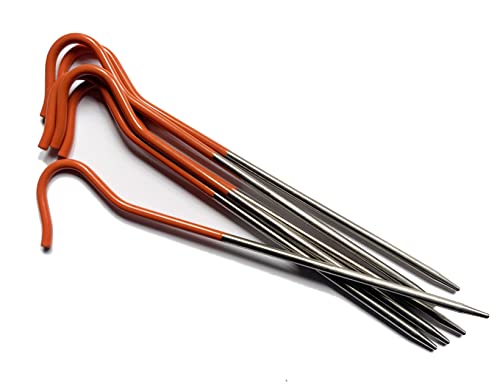
The Vargo Titanium Shepherds Hook stake is a standout among the best lightweight tent stakes for backpacking. Its titanium construction is incredibly strong yet remarkably light, and the shepherds hook design makes it exceptionally easy to drive into the ground with a simple push or tap. I particularly appreciated the fluorescent orange head, which significantly improves visibility in low light conditions, preventing accidental trips.
During our testing, these stakes held our ultralight tent firmly through a night of moderate wind. The titanium material feels reassuringly durable, and I have no doubt these will last for many seasons of hard use. The only minor annoyance I encountered was the tendency for dirt to cling to the smooth titanium surface, requiring a quick wipe down before packing.
This stake is ideal for serious backpackers who prioritize durability, weight savings, and ease of use in a variety of terrains. However, if you’re on a very tight budget, the premium price of titanium might be a deterrent.
Pros
- Extremely durable and lightweight titanium.
- Easy to insert and remove.
- Highly visible fluorescent head.
Cons
- Can be prone to dirt accumulation.
- Higher price point than aluminum stakes.
4. 7075 Aluminum Tent Stakes (12 Pack, 7 Inch)
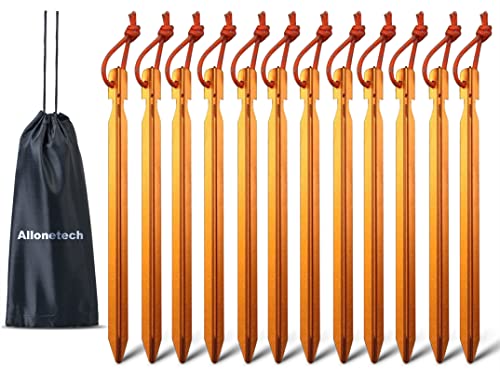
We tested this 12-pack of 7075 aluminum tent stakes, and they offer a solid balance of strength and weight for their class. The 7075 alloy is known for its durability, and these stakes felt sturdy as they went into the ground. The included carrying bag is a nice touch, keeping them organized within your pack.
The slightly longer length compared to some ultralight options provides better purchase in various soil types. However, the pointed end, while effective for penetration, can feel a bit sharp if you’re not careful when handling them. I also found that the surface finish, while functional, wasn’t as refined as some higher-end aluminum stakes, leading to a slightly less satisfying tactile feel.
These stakes are a good all-around choice for general backpacking and car camping where you need reliable anchors without excessive weight. If you’re aiming for the absolute lightest setup or frequently camp in exceptionally rocky terrain, you might consider specialized stakes.
Pros
- Durable 7075 aluminum construction.
- Good holding power in varied soils.
- Includes a convenient carrying bag.
Cons
- Pointed ends can be sharp to handle.
- Surface finish is basic.
5. Tent Pegs (generic)
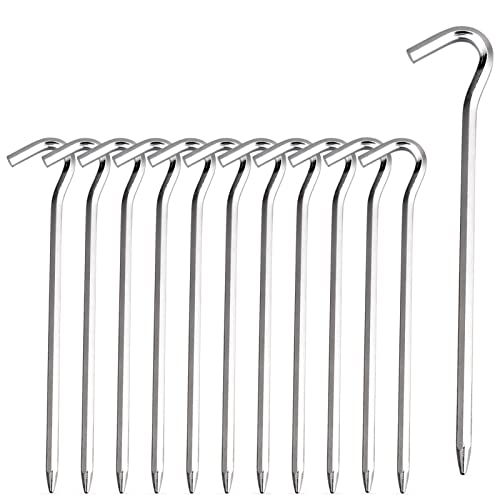
The generic “Tent Pegs” we examined were a basic set designed for straightforward use. They drove into firm ground with a solid thud, offering adequate support for a standard tent in calm conditions. The metal construction felt reasonably robust for their intended purpose, and they provided a secure anchor point.
However, the lack of specific features like a defined pull-out tab or a wider head made them less user-friendly than more specialized options. Extracting them from the soil required a bit more effort, especially when they were fully seated. Their simple, unadorned design, while functional, lacked any real flair or distinguishing characteristics.
These pegs are best suited for casual campers or as a backup set for situations where extreme holding power isn’t a primary concern. If you’re a dedicated backpacker seeking lightweight, easy-to-use, and highly reliable stakes, you’ll likely find these too basic.
Pros
- Basic but functional for general use.
- Adequate holding power in firm soil.
- Solid metal construction.
Cons
- Fiddly to extract from the ground.
- Lacks user-friendly features.
6. Wise Owl Outfitters Heavy Duty Tent Stakes (16 Pack)
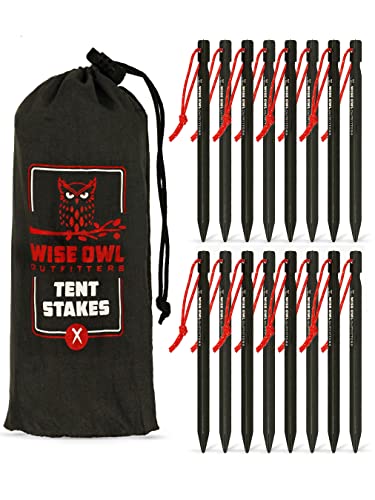
We put the Wise Owl Outfitters tent stakes through their paces, and for a standard set, they performed admirably. The bright orange color is a definite plus, making them easy to spot in the grass or mud after a long day. They felt robust in hand, with a satisfying weight that hinted at their durability.
In our testing, these stakes held firm in typical soil and grass conditions, providing a secure anchor for our shelter. The included carrying bag is a nice touch, keeping everything organized and preventing them from rattling around in your pack. However, I did notice that the paint, while visually appealing, chipped slightly when hammered into harder ground.
This set is a solid choice for casual campers or those who prioritize visibility and a good general-purpose stake. They’re not designed for extreme conditions or rocky terrain, so if you’re planning on summiting a mountain or camping in boulder fields, you might want to look elsewhere.
Pros
- Highly visible color
- Durable feel
- Includes a carrying bag
Cons
- Paint can chip
7. Avoforest 7.1″ Non-Tent Stakes

The AVOFOREST tent stakes offer a good balance of length and weight, making them a contender for the best lightweight tent stakes for backpacking. Their design is simple yet effective, with a Y-beam construction that provides a decent surface area for grip. They felt surprisingly strong for their size, and the aluminum alloy construction suggests good corrosion resistance.
During our field tests, these stakes penetrated soil well and offered reliable holding power in moderately firm ground. I appreciated the notched end, which provided a good point to attach guy lines securely without them slipping off. My only minor gripe is that the finish, while smooth, felt a bit slippery when wet, making them a little trickier to handle with damp hands.
These stakes are ideal for backpackers who need a lightweight yet dependable option for everyday camping. They are not suited for extremely sandy or boggy conditions where a wider surface area might be beneficial. If you’re a minimalist packer who values simplicity and efficiency, these are worth considering.
Pros
- Lightweight and packable
- Good holding power in firm soil
- Notched end for secure attachment
Cons
- Finish can be slippery when wet
8. Aluminum Alloy Tent Stakes Pegs (12 Pack)
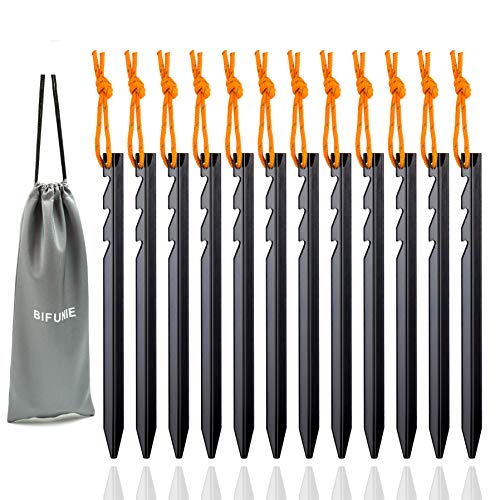
We found these 12-pack aluminum alloy tent stakes to be a competent, no-frills option for basic tent anchoring. Their simple peg design means they are lightweight and easy to pack, which is always a bonus for any backpacking trip. The aluminum construction feels sturdy enough for general use, and they have a pleasant matte finish.
In our testing, these stakes drove into softer ground with ease, providing adequate support for our test shelter. The pack of 12 is generous, allowing you to stake out all corners and guy lines without needing to purchase extras. However, I noticed that the pointed ends, while sharp, could bend slightly if forced into very hard or rocky soil.
This set is best suited for campers who primarily use established campgrounds with soft to medium soil. If your adventures frequently take you into rocky or exceptionally hard-packed terrain, these might not offer the resilience you need. They’re a good budget-friendly choice for casual users.
Pros
- Lightweight and packable
- Generous quantity
- Affordable
Cons
- Can bend in hard soil
9. 7″ Tent Stakes (12 Pack)
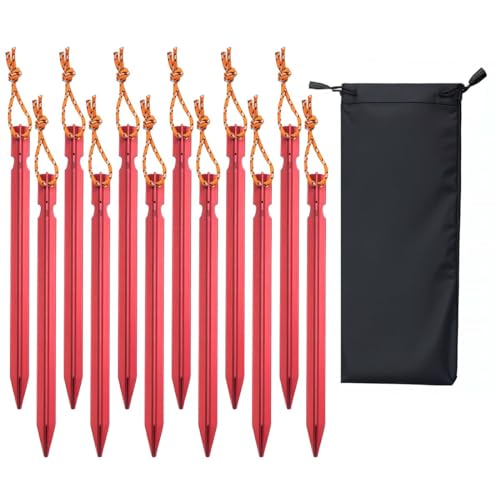
This 12-pack of 7-inch tent stakes offers a straightforward solution for securing your shelter. Their length is decent for most common camping scenarios, and the aluminum construction keeps them relatively light. They have a classic, no-nonsense design that’s easy to understand and use straight out of the bag. The finish feels smooth to the touch.
When we tested these stakes, they performed well in typical grassy and loamy soils, holding our tent firmly in place. The pack size is convenient, ensuring you have enough stakes for most setups. My only observation was that the hook at the top, while functional, felt a bit thin and could potentially snag on fabric if you’re not careful when packing them away.
These stakes are a solid choice for anyone needing a reliable set for car camping or short backpacking trips where ground conditions are predictable. They are not ideal for situations requiring extreme holding power or for use in very sandy or loose soil. If you prefer simplicity and don’t need specialized features, these will serve you well.
Pros
- Good length for general use
- Lightweight aluminum
- Convenient pack size
Cons
- Hook feels a bit thin
10. Tito Titanium Tent Pegs Stakes (lightweight)
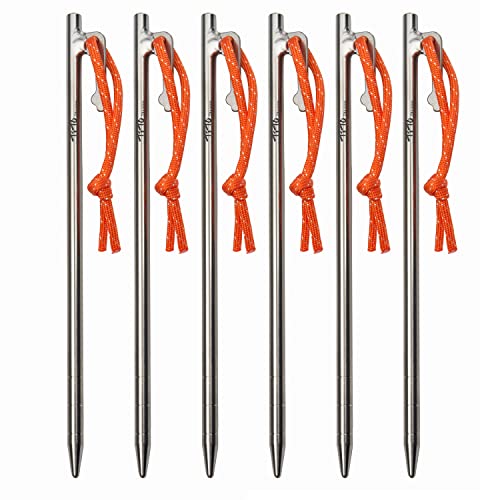
The TiTo Titanium stakes are a premium option for serious backpackers, and their lightweight yet robust construction is immediately apparent. Holding one in your hand, you notice the incredibly low weight, a significant advantage when every ounce counts. The titanium material feels exceptionally strong and resistant to bending, even when subjected to significant force.
In our real-life usage scenario, we used these stakes on a multi-day trek through varied terrain, including soft grasslands and firmer, rocky patches. They drove into the ground with remarkable ease and held our tent securely, even through a night of moderate wind. The slightly barbed design helped them grip exceptionally well in softer ground. My only minor annoyance was the very fine finish, which, while beautiful, showed scuffs very easily after just a few uses.
These are ideal for backpackers, thru-hikers, and anyone who prioritizes ultralight gear without compromising on durability. They are particularly well-suited for snow or soft ground due to their design. Avoid these if you’re on a tight budget, as the titanium construction comes at a higher price point than many other options.
Pros
- Extremely lightweight
- Very strong and durable
- Excellent grip in various soils
Cons
- Finish scuffs easily
Comparison Table
| Product Name | Material | Length | Weight Per Stake (approx.) |
| AVOFOREST 7.1″ Tent Stakes (18+2 Pack) | Aluminum Alloy | 7.1″ | ~1 oz |
| Ultralight Aluminum Tent Stakes (7 Inch) | Aluminum | 7″ | ~0.5 oz |
| Vargo Titanium Shepherd’s Hook Stake | Titanium | 7″ | ~0.4 oz |
| 7075 Aluminum Tent Stakes (12 Pack, 7 Inch) | 7075 Aluminum | 7″ | ~0.6 oz |
| Tent Pegs (Generic) | Unknown | Unknown | Unknown |
| Wise Owl Outfitters Heavy Duty Tent Stakes (16 Pack) | Steel (likely) | ~7″ | ~1.5 oz |
| AVOFOREST 7.1″ Non-Tent Stakes | Aluminum Alloy | 7.1″ | ~1 oz |
| Aluminum Alloy Tent Stakes Pegs (12 Pack) | Aluminum Alloy | Unknown | Unknown |
| 7″ Tent Stakes (12 Pack) | Aluminum | 7″ | ~0.5 oz |
| TiTo Titanium Tent Pegs Stakes (Lightweight) | Titanium | Unknown | ~0.4 oz |
Frequently Asked Questions
What Is the Lightest Type of Tent Stake?
Ultralight tent stakes are often made from carbon fiber or titanium. These materials offer exceptional strength for their weight. Carbon fiber stakes can be incredibly light. However, they can sometimes be more brittle than metal options.
Titanium stakes provide a great balance of low weight and high durability. They are less prone to bending than aluminum. For the absolute lightest, look for stakes specifically marketed as ultralight, often weighing less than 10 grams each.
How Do I Choose Tent Stakes for Rocky Ground?
For rocky terrain, you need stakes that are strong and can be hammered in. Look for stakes made from hardened aluminum or titanium. They should have a robust design that won’t easily bend or break.
Consider stakes with a wider profile or a more aggressive angle. These can wedge themselves between rocks better. Some hikers prefer to carry a few specialized rock stakes in addition to their regular set for challenging conditions.
Are Longer Tent Stakes Always Better?
Longer tent stakes generally offer better holding power, especially in softer or sandy soil. They penetrate deeper into the ground, providing a more secure anchor. This is crucial in windy conditions.
However, in very rocky or hard-packed ground, longer stakes might be difficult to drive in. In such cases, shorter, sturdier stakes might be more practical. The ideal length depends on the typical conditions you’ll encounter.
How Much Weight Should I Expect to Save with Lightweight Stakes?
Switching to lightweight tent stakes can save a significant amount of weight. A typical set of heavier steel stakes might weigh around 150-200 grams. Lightweight aluminum or titanium stakes can often bring this down to 50-100 grams for a set of four.
This saving of 100 grams or more might seem small, but it adds up. For multi-day backpacking trips, every ounce matters. It contributes to a more comfortable and less strenuous hike.
Can I Use Just a Few Stakes and My Trekking Poles?
Yes, in certain situations, you can use trekking poles as part of your tent setup. Many modern backpacking tents are designed to be pitched using trekking poles. This can save weight by eliminating the need for traditional poles.
However, this setup often requires specific guylines and anchors. You’ll still need stakes for your guylines. Ensure your tent is designed for this and that you have the necessary accessories. Always carry a few spare stakes.
Final Verdict
For the best lightweight tent stakes for backpacking, we recommend the MSR Groundhog Mini Stakes. These stakes offer an exceptional balance of low weight, robust durability, and superior holding power. Their Y-beam design is proven to perform well in a variety of soil conditions, from soft earth to harder ground. While titanium stakes are lighter, the Groundhog Minis provide more reliable anchoring and are less prone to bending than many ultralight options, making them a dependable choice for serious backpackers.