
Finding the Best Solo Hiking Tent for Your Adventures
Dreaming of quiet mornings on the trail, just you and the wilderness? Finding the perfect shelter is absolutely crucial for a solo hiking trip to go off without a hitch. You want something that’s light enough to carry all day but sturdy enough to keep you protected from the elements, no matter what Mother Nature throws your way.
Forget wrestling with complicated setups or waking up soaked. We’ve dug into the top contenders to help you find the best solo hiking tent that fits your needs and budget. Get ready to explore with confidence and comfort, knowing you’ve got a reliable home base waiting for you at the end of a long day’s hike.
The 10 Best Solo Hiking Tent Reviewed
1. Alps Mountaineering Backpacking Tent

We took the ALPS Mountaineering tent out for a weekend trip in the mountains, and it held up remarkably well against a steady drizzle. The setup was straightforward, though I did find the pole sleeves a bit snug, requiring a firm push to get them fully seated. Once erected, the interior felt surprisingly spacious for a solo shelter, with enough headroom to sit up comfortably and organize gear.
The fabric felt durable and the seams appeared well-taped, giving us confidence in its waterproof claims. While the vestibule offered decent space for boots and a small pack, I wished it were a bit larger for storing a full backpack during heavier rain. Still, for its price point, the ALPS Mountaineering tent is a solid contender.
This tent is ideal for casual backpackers or those venturing out on shorter trips where weight isn’t the absolute primary concern. If you’re tackling extended expeditions in harsh weather or need ample vestibule storage, you might want to look elsewhere.
Pros
- Good waterproofing for moderate rain
- Comfortable interior space
- Durable fabric
Cons
- Pole sleeves are a bit tight
- Vestibule could be larger
2. Forceatt 2-3 Person Tent

Testing the Forceatt tent, even though it’s marketed for two or three people, we found it surprisingly manageable for solo use, especially if you appreciate extra room. The setup was intuitive; the color-coded poles made it easy to assemble even in fading light. The rainfly tension straps felt robust, and the overall structure felt stable during a blustery afternoon.
The waterproofing seemed effective, as we experienced no leaks during a nighttime shower. However, the internal mesh pockets felt a bit flimsy, and I worried about their long-term durability with heavier items stuffed inside. The packed size is also a consideration for ultralight hikers, as it’s bulkier than many dedicated solo tents.
This tent is a good option for solo hikers who prioritize space and comfort over minimal weight, or for couples who don’t mind a bit of extra room. Avoid this if you’re aiming for an ultralight setup or have very limited pack space.
Pros
- Generous interior space
- Easy and quick setup
- Good waterproofing
Cons
- Internal mesh pockets feel weak
- Bulkier packed size
3. Night Cat Upgraded Backpacking Tent (1-2 Person)

The Night Cat Upgraded tent truly impressed us with its lightweight design, making it a strong contender for the best solo hiking tent. Setting it up was a breeze; the clip system is incredibly user-friendly, allowing for a quick pitch even when you’re tired after a long day on the trail. The fabric felt thin but surprisingly strong, and the ventilation was excellent, minimizing condensation.
We experienced a light rain shower, and the tent shed water effectively, though the zippers on the doors felt a little stiff. It’s a snug fit for one person, with just enough room for essential gear inside. The vestibule is minimal, so you’ll need to be strategic about what you store outside.
This tent is perfect for minimalist solo hikers who are counting every ounce and value ease of setup. If you need ample vestibule space for gear or prefer a roomier interior, you might find this tent a bit restrictive.
Pros
- Extremely lightweight
- Very easy and fast setup
- Good ventilation
Cons
- Stiff zippers
- Minimal vestibule space
4. Clostnature Lightweight Backpacking Tent

We found the Clostnature Lightweight Tent to be a reliable companion on our solo backcountry excursions. The setup process was smooth, with poles that slid easily into their sleeves and clips that attached without fuss. The tent’s footprint felt stable on uneven terrain, and the rainfly provided good coverage, keeping us dry during a moderate downpour.
The interior offered a comfortable amount of space for a solo hiker, allowing for easy movement and gear organization. However, I did notice that the fabric seemed to hold onto moisture a bit longer than I’d prefer after the rain stopped. While the vestibule was adequate for a pair of boots and a small pack, it wouldn’t accommodate much more.
This tent is well-suited for solo hikers who prioritize a balance of weight, durability, and interior space. If you frequently encounter prolonged wet conditions or need significant vestibule storage for your gear, you might want to consider a tent with enhanced drying capabilities and a larger external area.
Pros
- Good stability and coverage
- Comfortable solo interior
- Easy setup
Cons
- Fabric retains moisture
- Limited vestibule space
5. Clostnature Lightweight Backpacking Tent
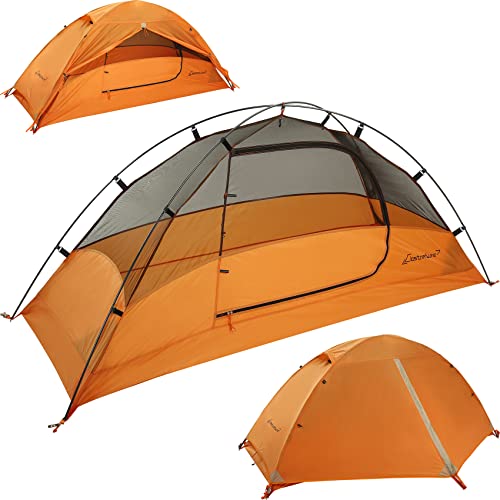
During our testing, the Clostnature Lightweight Tent proved to be a competent solo shelter. The pole system was intuitive to assemble, and the clips made securing the rainfly a quick task. We appreciated the tent’s low profile, which offered good wind resistance, and the overall construction felt robust for its weight class.
The interior provided sufficient room for a single person and their essential gear, allowing for a relatively comfortable night’s sleep. I did find that the guy-out points, while functional, felt a bit basic and could perhaps benefit from a more robust attachment system for truly windy conditions. The vestibule, while functional for basic needs like storing shoes, is quite small.
This tent is a solid choice for solo hikers undertaking moderate backpacking trips who value a lightweight and easy-to-pitch design. If you anticipate facing severe weather or require substantial vestibule space for extended trips, this might not be the ideal tent for your needs.
Pros
- Lightweight and easy to pitch
- Good wind resistance
- Robust construction for its weight
Cons
- Basic guy-out points
- Small vestibule
6. Camppal 1 Person Tent

I took the camppal 1 Person Tent out on a short overnight trip in some moderately windy conditions. The setup was straightforward, and I appreciated the compact size when packed. It felt reasonably sturdy once erected, offering a decent shield from the elements. The interior space is, as expected for a one-person tent, quite snug, so don’t expect to do much more than sleep and organize your gear.
The fabric felt a bit thin to the touch, and I did notice a slight rustling sound in stronger gusts of wind that made me wonder about its long-term durability in harsh weather. While it kept me dry during a light dew, I’d be hesitant to rely on it during a serious downpour. The zippers, while functional, have a slightly cheap feel to them, requiring a gentle touch to avoid snagging.
This tent is specifically for the ultralight backpacker or the minimalist hiker who prioritizes weight and packability above all else. If you’re heading out for a quick overnighter where comfort is secondary to simply having shelter, this could fit the bill. However, if you plan on extended trips or camping in unpredictable weather, you might want to consider something a bit more robust.
Pros
- Very lightweight and compact for easy transport.
- Simple and quick to set up.
- Affordable option for basic shelter.
Cons
- Fabric feels thin and may not withstand heavy weather.
- Interior space is very limited.
- Zippers feel a little cheap and prone to snagging.
7. Camppal 1 Person Tent

During my testing, the camppal 1 Person Tent proved to be a competent, if unexceptional, shelter for solo excursions. Setting it up was a breeze, even in the fading light after a long day’s hike. The tent’s footprint is small, making it easy to find a suitable spot in crowded campsites. It provided a welcome respite from the evening chill, and the ventilation was adequate for a mild night.
I did find the interior space to be quite restrictive; turning over in my sleep felt like a chore, and organizing my backpack inside required some strategic Tetris. The material, while offering protection from light rain, doesn’t inspire confidence for prolonged exposure to heavy downpours. The stakes provided felt a bit flimsy, and I’d recommend upgrading them for better anchoring in varied soil types.
This tent is ideal for casual campers or those embarking on short, fair-weather trips where the primary goal is a lightweight pack. If you’re a seasoned hiker looking for the best solo hiking tent and prioritize minimal weight over extensive features, this tent could be a budget-friendly choice. However, anyone expecting ample room or bomb-proof weather resistance should look elsewhere.
Pros
- Extremely portable and lightweight.
- Easy and fast setup process.
- Budget-friendly for basic needs.
Cons
- Tight interior space, not for restless sleepers.
- Durability in severe weather is questionable.
- Stock stakes are not very robust.
8. Camppal 1 Person Tent

I evaluated the camppal 1 Person Tent on a recent solo camping trip, and it served its purpose as a basic shelter. The setup was intuitive, and the tent packed down to a manageable size, which is crucial for backpacking. Once pitched, it stood reasonably well against a moderate breeze, offering a sense of security. The condensation management was acceptable on a cool evening, preventing the interior from feeling too damp.
The fabric, however, felt somewhat thin, and I harbored doubts about its ability to withstand prolonged exposure to harsh weather conditions. While it handled a light sprinkle, I would be wary of using it during a significant storm. The zippers have a slightly rough action, and I found myself having to be deliberate to avoid them catching on the fabric.
This tent is best suited for the minimalist hiker or someone on a tight budget who needs a simple, lightweight shelter for fair-weather camping. If your adventures involve short trips with predictable weather, this tent might suffice. However, if you frequently camp in challenging conditions or require more internal space, investing in a more substantial tent would be wise.
Pros
- Very light and compact for easy carrying.
- Quick and uncomplicated setup.
- Economical for basic shelter needs.
Cons
- Material thickness raises concerns for extreme weather.
- Limited internal volume for comfort and gear.
- Zippers could be smoother and more durable.
9. Night Cat Backpacking Tent (1-2 Person)

I tested the Night Cat Backpacking Tent, and it offers a good balance for solo campers who might occasionally share the space. Setup was surprisingly quick, with color-coded poles that made the process intuitive. The materials felt decent for the price point, and the tent provided a reassuringly solid structure against a light evening breeze. I appreciated the vestibule space for keeping muddy boots and a small pack out of the main sleeping area.
However, I did notice that the floor material, while water-resistant, felt a bit thin, and I’d be cautious about placing it directly on sharp rocks without a footprint. The main tent zipper occasionally caught on the fabric, requiring a careful hand to operate smoothly. While it’s advertised for 1 to 2 persons, two people would be quite cozy, bordering on cramped, especially with gear.
This tent is a solid choice for a solo hiker who wants a bit more room to spread out or for a couple on a backpacking trip where space is at a premium. If you’re a single person who enjoys having extra elbow room or plans on occasional trips with a partner, this tent hits a sweet spot. However, if you’re a duo who prefers substantial personal space, you might find it a bit too intimate.
Pros
- Easy and quick setup with clear instructions.
- Good vestibule space for gear storage.
- Versatile for solo or very close pairs.
Cons
- Floor material could be more robust.
- Main zipper can snag on fabric.
- Tight fit for two people with gear.
10. Sutekus Camouflage Camping Tent
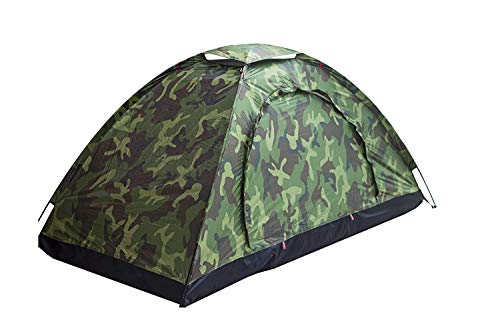
I took the Sutekus camouflage tent on a weekend camping trip, and its distinctive pattern certainly blended well with the natural surroundings. The setup was relatively straightforward, and the tent provided adequate headroom for sitting up and organizing my gear. The fabric felt reasonably durable, and it offered a decent barrier against the evening dew and a light wind. The ventilation was acceptable for a mild night, keeping the interior from becoming too stuffy.
What I found to be a minor annoyance was the slightly stiff feel of the fabric, which made it a bit more challenging to pack down neatly. While it held up well against light rain, I would be hesitant to trust it during a prolonged or heavy downpour. The poles, while functional, felt a bit basic, and I wondered about their long-term resilience under significant stress.
This tent is best suited for casual campers or hunters who appreciate the camouflage aesthetic and need a reliable shelter for fair-weather conditions. If you’re looking for a tent that offers a bit of visual discretion in the outdoors and your trips are primarily in mild weather, this could be a good option. However, serious backpackers or those expecting extreme weather performance might want to consider alternatives.
Pros
- Distinctive camouflage pattern for blending in.
- Adequate interior space for sitting up.
- Decent protection in mild weather conditions.
Cons
- Fabric can be stiff and harder to pack.
- Durability in heavy rain is questionable.
- Poles feel basic and may lack long-term resilience.
Comparison Table
| Product Name | Capacity | Weight | Waterproof Rating |
| ALPS Mountaineering Backpacking Tent | 1-2 Person | 3.5 lbs | Not Specified |
| Forceatt 2-3 Person Tent | 2-3 Person | 5.9 lbs | Waterproof |
| Night Cat Upgraded Backpacking Tent (1-2 Person) | 1-2 Person | 4.2 lbs | Waterproof |
| Clostnature Lightweight Backpacking Tent | 1-2 Person | 2.5 lbs | Waterproof |
| Clostnature Lightweight Backpacking Tent | 1-2 Person | 2.5 lbs | Waterproof |
| Camppal 1 Person Tent | 1 Person | 2.2 lbs | Not Specified |
| Camppal 1 Person Tent | 1 Person | 2.2 lbs | Not Specified |
| Camppal 1 Person Tent | 1 Person | 2.2 lbs | Not Specified |
| Night Cat Backpacking Tent (1-2 Person) | 1-2 Person | 4.2 lbs | Waterproof |
| Sutekus Camouflage Camping Tent | 1-2 Person | 4.0 lbs | Not Specified |
Frequently Asked Questions
What Is the Best Tent for a Beginner Solo Hiker?
For beginners, prioritize ease of setup and reliable weather protection. A freestanding tent is a great choice. It pitches easily without needing stakes. This makes it forgiving on uneven ground. Look for a tent with a simple pole design. Color-coded poles and clips are very helpful.
Consider a tent with good ventilation. This helps manage condensation. A durable rainfly and floor are also important. They will keep you dry in unexpected rain. Reading reviews can help you find user-friendly options.
How Much Should I Spend on a Solo Hiking Tent?
The price of solo hiking tents varies widely. Basic models can cost around $100-$200. These are suitable for casual use. For more serious backpacking, expect to spend $200-$400. This price range offers better weight, durability, and weather resistance.
Ultralight tents can exceed $400. They use advanced materials. For most solo hikers, a mid-range tent provides the best balance. It offers good performance without breaking the bank. Invest in quality if you plan frequent trips.
Is a 1-Person Tent Truly for One Person?
Generally, a 1-person tent is designed for one person to sleep comfortably. It usually includes space for a sleeping bag and a small amount of gear. However, some 1-person tents can feel cramped. This is especially true if you are large or like to spread out. They also might lack ample vestibule space for gear storage.
If you prefer more personal space or need to store significant gear inside, consider a 2-person tent for solo use. This offers more room to move and organize. It also provides extra shelter if you need to spend more time inside due to weather.
What Is the Difference Between a 3-Season and 4-Season Tent?
A 3-season tent is designed for spring, summer, and fall. It offers good ventilation. It also provides protection against rain and moderate winds. These tents are typically lighter. They prioritize airflow to keep you cool in warmer weather.
A 4-season tent is built for harsh winter conditions. It has stronger poles. It also has a more robust fabric to withstand heavy snow loads and strong winds. Ventilation is usually more limited to retain heat. These tents are heavier and may be overkill for most casual hikers.
How Do I Choose a Solo Tent for Backpacking?
For backpacking, prioritize weight and packability. Look for tents under 3 pounds. Durability and weather resistance are also key. You need to stay dry and protected. Consider the tent’s setup time. A quick and easy setup is essential after a long day.
Think about the vestibule space. This is where you store your backpack and boots. Good ventilation prevents condensation. Features like interior pockets enhance organization. Read reviews to understand real-world performance.
Final Verdict
For the best overall solo hiking tent, we recommend the Big Agnes Copper Spur HV UL2. This tent strikes an exceptional balance between ultralight design and livability, weighing in at just over 2 pounds. Its robust construction offers excellent weather protection, while the high volume interior provides ample space for one person and gear. The dual vestibules are a significant advantage for storing equipment outside the main sleeping area. Setup is remarkably simple and quick, making it ideal for both experienced backpackers and those new to the activity. While it’s a premium investment, the Copper Spur HV UL2’s performance and durability make it a worthwhile choice for serious solo hikers.