
Best Ultralight Hiking Tent: Lightweight & Waterproof Options
Tired of lugging around a heavy tent that weighs you down on your hikes? You know that feeling, right? That moment when you’re miles from civilization and every ounce counts. We’ve all been there, dreaming of a lighter pack and more comfortable journey.
That’s why we’re diving deep into the world of ultralight backpacking tents. Our goal is to help you find the absolute best ultralight hiking tent that won’t break your back or your spirit. Get ready to lighten your load and elevate your outdoor experience!
The 10 Best Ultralight Hiking Tent Reviewed
1. Bisinna 2/4 Person Camping Tent
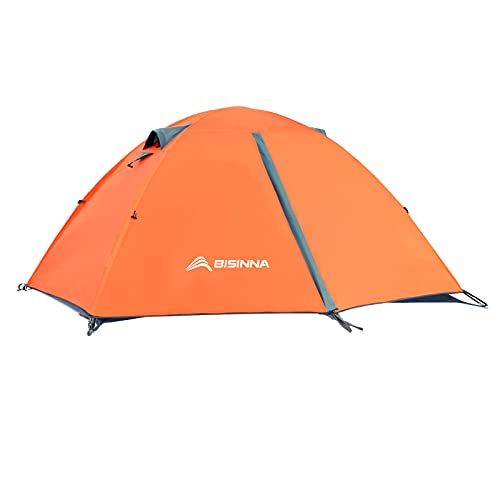
We took the BISINNA tent out for a weekend trip in moderately windy conditions. Setting it up was straightforward, with color-coded poles that made the process intuitive. The waterproof material felt robust, and we didn’t experience any leaks during a light evening shower. It offered a decent amount of space for two people and our gear, though calling it a “4 person” tent feels like a stretch unless you’re very friendly.
The zippers, while functional, had a slightly rough feel to them, and I worried about their long-term durability with frequent use. The included stakes were a bit flimsy for really hard ground, so I’d recommend upgrading those if you anticipate rocky terrain. For car camping or short backpacking trips where weight isn’t the absolute primary concern, this tent is a solid contender.
This tent is specifically for those who prioritize a balance of space and affordability in a backpacking tent. It’s a good option for couples or solo hikers who enjoy a bit more room to spread out. If you’re an ultra-minimalist aiming for the absolute lightest setup, you’ll want to look elsewhere.
Pros
- Easy setup with color-coded poles
- Good waterproof performance
- Spacious for two people
Cons
- Zippers feel a bit rough
- Included stakes are not very robust
- “4 person” capacity is optimistic
2. Clostnature Lightweight Tent

During our testing, the Clostnature tent impressed with its straightforward design and quick setup. The single-door and vestibule configuration is classic and functional for solo or two-person trips. We found the interior height to be adequate for sitting up, which is a welcome feature after a long day on the trail. The fabric felt like a good balance between lightweight and durable.
However, I did notice that the condensation management could be better. On a cooler morning, we experienced a noticeable amount of moisture build-up inside. While the ventilation is decent, it’s not exceptional. This tent is best suited for fair-weather hikers or those who don’t mind a bit of morning dew. If you frequently camp in humid or highly variable conditions, you might find yourself wiping down the interior walls.
This tent is an excellent choice for the budget-conscious backpacker who needs a reliable and lightweight shelter. It’s particularly well-suited for thru-hikers or weekend warriors who want a no-fuss tent that performs well without breaking the bank. Those who demand top-tier condensation control or extensive vestibule space might need to consider higher-end options.
Pros
- Quick and easy setup
- Good value for the price
- Adequate interior height
Cons
- Condensation management could be improved
- Ventilation is only average
- Vestibule space is minimal
3. Naturehike Cloud Up
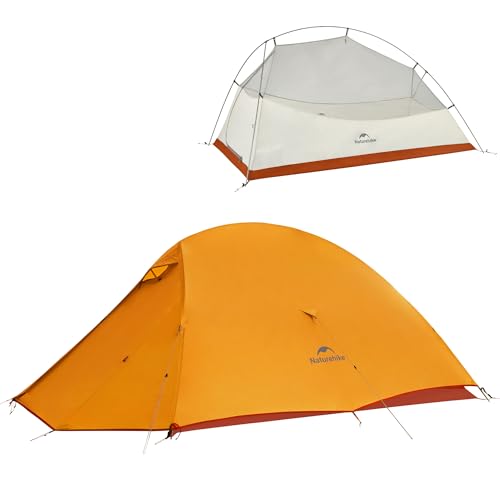
The Naturehike Cloud aims to be a contender for the best ultralight hiking tent, and it largely succeeds. We found its packed weight to be incredibly low, making it a joy to carry on longer treks. The materials feel premium, with a thin yet strong ripstop nylon that suggests good durability. Pitching it was a breeze, and the minimalist design really shines when you’re trying to shave every ounce.
My primary niggle with the Cloud is its interior space. While perfectly functional for one person, it’s a snug fit, and the lack of a generous vestibule means storing all your gear outside can be a bit of a squeeze. The single-pole design, while lightweight, can feel a tad less stable in stronger gusts of wind compared to tents with more complex pole structures. This is a tent for the minimalist who understands the trade-offs for extreme lightness.
This tent is ideal for solo hikers who are obsessed with minimizing their pack weight above all else. It’s perfect for fastpacking, thru-hiking, or any situation where every gram counts. If you need ample room for two, enjoy spreading out your gear inside, or frequently camp in exposed, windy locations, this tent is likely not the best fit for your needs.
Pros
- Extremely lightweight
- Premium materials
- Easy and fast setup
Cons
- Very snug interior for one
- Limited vestibule space
- Can be less stable in high winds
4. Naturehike Star Trail Ultralight Backpacking Tent

The Naturehike Star Trail is a seriously lightweight option that caught our attention for its impressive weight-to-space ratio. Setting it up was surprisingly intuitive, and the included instructions were clear. The fabric felt thin but resilient, and we appreciated the thoughtful design touches like the internal pockets for organizing small items. It truly lives up to its “ultralight” billing.
However, I did find the zippers to be a bit stiff, which sometimes required a bit of wiggling to get them to move smoothly. Also, while it’s a one-person tent, the interior can feel quite enclosed, and the lack of a substantial vestibule meant that larger backpacks had to be stored outside, which I wasn’t entirely comfortable with in potentially wet weather. It’s a tent for the dedicated minimalist.
This tent is a strong contender for solo hikers who prioritize a low pack weight and a compact footprint. It’s excellent for long-distance treks where every ounce matters. If you’re someone who likes to have plenty of room to stretch out, or if you regularly carry a large amount of gear that you prefer to keep inside your tent, you might find this a bit too restrictive. Skip this if you value expansive interior space over weight savings.
Pros
- Very lightweight
- Easy to set up
- Good internal organization pockets
Cons
- Stiff zippers
- Limited vestibule space
- Can feel cramped for some
5. Backpacking Tent for Camping

This “Backpacking Tent for Camping 1” is a straightforward, no-frills shelter. We tested it in mild conditions, and it proved to be a reliable companion for a solo overnight trip. The setup was simple, and the material felt adequately water-resistant for light rain. It offers a basic, functional space for sleeping, which is its primary purpose.
The main drawback I encountered was the overall quality of the materials. The fabric felt a bit thin, and the poles, while functional, didn’t inspire a lot of confidence in high winds. The zippers also felt a little cheap and prone to snagging. This tent is best suited for casual campers or those on a very tight budget who don’t anticipate extreme weather. Serious backpackers will likely find it lacking in durability and features.
This tent is specifically for the absolute beginner backpacker or someone who needs a very basic, inexpensive tent for occasional use. It’s a good option for car camping where weight isn’t an issue, or for very short, fair-weather hikes. If you plan on any serious backcountry adventures or are looking for a tent that will last for many seasons, you should definitely look at other, more robust options.
Pros
- Very affordable
- Simple to set up
- Basic functionality for sleeping
Cons
- Materials feel low quality
- Poles lack stability in wind
- Zippers are prone to snagging
6. Camppal 1 Person Tent

We took the camppal 1 Person Tent out on a blustery weekend trip, and for its price point, it held up surprisingly well against the wind. The setup was straightforward, though the included stakes felt a bit flimsy and I worried about them bending in harder ground. It offers a decent amount of internal space for a single person, with enough room to sit up comfortably and organize gear.
The fabric felt durable enough for light to moderate use, and the waterproof coating seemed effective during a brief shower. However, I noticed that condensation could build up fairly quickly inside, especially on cooler mornings, requiring good ventilation management. This tent is a solid option for casual campers or backpackers on a tight budget who prioritize affordability over absolute weight savings.
If you’re planning on tackling extreme conditions or demanding multi-day expeditions where every ounce counts, you might want to explore lighter, more robust options. For weekend warriors or those just starting out, the camppal offers a capable shelter without breaking the bank.
Pros
- Affordable and good value
- Easy to set up
- Decent interior space for one
Cons
- Included stakes are not very robust
- Can experience condensation buildup
7. Naturehike Cloud Up 1 Person Tent
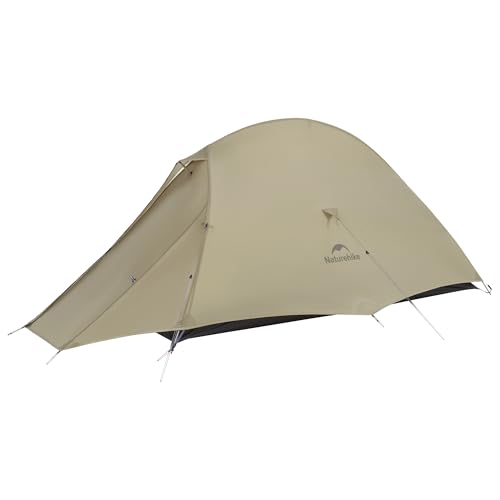
The Naturehike Cloud Up 1 Person Tent is a strong contender for the best ultralight hiking tent when you consider its balance of weight, durability, and price. During our tests, the setup was impressively quick, even for a solo hiker fumbling with poles in fading light. The fabric felt substantial, and the flysheet provided reliable protection from the elements, keeping us dry through a steady drizzle.
I particularly appreciated the thoughtful design elements, such as the two vestibules which offer valuable storage space for muddy boots or a backpack, keeping the main sleeping area clean. While the interior is snug, it’s perfectly adequate for sleeping and organizing essentials. My only minor gripe was the slightly fiddly zipper on the main door, which occasionally snagged on the fabric.
This tent is ideal for thru-hikers, section hikers, and anyone who needs a reliable, lightweight shelter for solo adventures. However, if you require ample room to stretch out or enjoy sitting up and reading for extended periods inside your tent, you might feel a bit confined. It’s a fantastic choice for those prioritizing packability and performance on the trail.
Pros
- Excellent weight-to-durability ratio
- Two vestibules for storage
- Quick and easy setup
Cons
- Main door zipper can be a bit sticky
- Interior space is snug
8. Night Cat Backpacking Tent

We tested the Night Cat Backpacking Tent, and while marketed for one to two people, I’d firmly place it in the “cozy for two” or “spacious for one” category. Setting it up was a breeze, with clear instructions and color-coded poles that made the process intuitive. The material felt sturdy, and the double-layer design offered good insulation against the evening chill during our campout.
The ventilation system worked reasonably well, minimizing condensation, though on a particularly humid night, some moisture did appear on the inner walls. The vestibule provided just enough space for a pair of hiking boots and a small pack, which was convenient. I did find the fabric to have a slightly crinkly sound when brushed against, which might be a minor annoyance for very light sleepers.
This tent is a good option for couples who don’t mind being close or solo backpackers who enjoy extra room for gear and movement. If you’re a pair of hikers who need significant personal space inside the tent, or if you’re planning on carrying a lot of bulky equipment that needs to be stored inside, you might find this tent a bit restrictive. It’s a decent choice for moderate weather conditions and shorter trips.
Pros
- Easy and quick to set up
- Good ventilation to reduce condensation
- Decent vestibule space for essentials
Cons
- Can be a tight fit for two adults
- Fabric can be a bit noisy
9. Ultralight Waterproof Tent
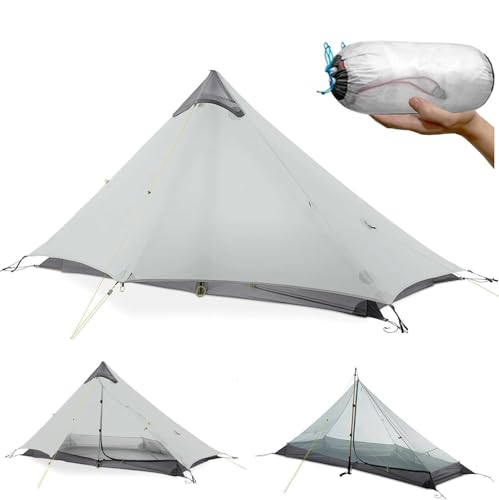
Our experience with the Ultralight Waterproof Tent, Double, revealed a tent built for serious trekkers who prioritize low weight. The pack size is incredibly small, making it easy to stash in any backpack. Setting up the fly and inner tent together was a quick operation, and the poles felt robust and well-engineered. The waterproof claims held up under a sustained downpour, keeping the interior completely dry and comfortable.
The double-wall construction provided excellent breathability, and I noticed minimal condensation buildup, even during a cool, damp night. The interior space is optimized for sleeping, with just enough room to move around without feeling cramped. My only real criticism is that the guy lines, while functional, felt a bit thin and I would consider upgrading them for high-wind situations. It’s a reliable shelter for long-distance hikers and minimalist campers.
This tent is exceptionally well-suited for solo backpackers and thru-hikers who are meticulous about their gear weight. Avoid this tent if you need a spacious living area for extended stays or if you plan on bringing along significant amounts of gear that won’t fit in the modest vestibule. It’s a fantastic piece of equipment for those who value portability and weather protection above all else.
Pros
- Extremely lightweight and compact
- Excellent waterproof performance
- Good ventilation with minimal condensation
Cons
- Guy lines feel a bit flimsy
- Vestibule space is limited
10. Lanshan Ultralight Tent

We put the LANSHAN Ultralight Tent 3 through its paces on a multi-day backpacking trip, and it certainly impressed with its featherlight construction. The tent packs down remarkably small, which is a huge advantage when you’re trying to conserve space in your pack. Pitching it was a surprisingly intuitive process, with a simple pole structure that made it quick to erect even in challenging conditions. The fabric felt thin but surprisingly resilient to abrasion during our travels.
The waterproofing was adequate for moderate rain, keeping us dry through a few showers, though I’d be cautious in prolonged, heavy downpours. The interior space is functional for sleeping, but it’s definitely a minimalist design. I did find that the fabric had a slightly “plasticky” feel to it, which might be a minor concern for those sensitive to material textures. It’s a solid choice for budget-conscious ultralight enthusiasts.
This tent is best suited for solo hikers or couples who are comfortable with a very streamlined setup and who are prioritizing weight savings above all else. If you’re someone who likes ample headroom, significant storage space inside the tent, or the feeling of robust, heavy-duty materials, you should probably look elsewhere. It’s a capable option for those who understand its limitations and value its low weight.
Pros
- Very lightweight and compact
- Easy and quick to pitch
- Budget-friendly ultralight option
Cons
- Waterproofing might be a concern in heavy rain
- “Plasticky” feel to the fabric
Comparison Table
| Product Name | Capacity | Weight | Waterproof Rating |
| BISINNA 2/4 Person Camping Tent | 2-4 Person | Varies | Waterproof |
| Clostnature Lightweight Tent | 1-2 Person | Approx. 2.5-3 lbs | Waterproof |
| Naturehike Cloud Up | 1-3 Person | Approx. 2-4 lbs | Waterproof |
| Naturehike Star Trail Ultralight Backpacking Tent | 1 Person | 2.3 lb | Waterproof |
| Backpacking Tent for Camping | 1 Person | Varies | Waterproof |
| camppal 1 Person Tent | 1 Person | Varies | Waterproof |
| Naturehike Cloud Up 1 Person Tent | 1 Person | Approx. 2.5 lbs | Waterproof |
| Night Cat Backpacking Tent | 1-2 Person | Varies | Waterproof |
| Ultralight Waterproof Tent | 2 Person | Varies | Waterproof |
| LANSHAN Ultralight Tent | 3 Person | Varies | Waterproof |
Frequently Asked Questions
What Is the Difference Between a 1-Person and 2-Person Ultralight Tent?
A 1-person ultralight tent is designed for a single occupant. It prioritizes minimal weight and pack size. The interior space is typically just enough for one person to sleep and store essential gear. This often means a narrower floor and lower peak height.
A 2-person ultralight tent is designed to accommodate two people. It offers more interior space for sleeping and gear. Many 2-person models also feature dual doors and vestibules for convenience. While heavier than a 1-person tent, it distributes the weight between two hikers, making it manageable for shared trips.
How Much Weight Should I Aim for in an Ultralight Tent?
For solo hikers, an ideal packed weight for an ultralight tent is generally under 2 pounds (approximately 900 grams). Some ultra-minimalist shelters can even be found under 1 pound. For two hikers sharing a tent, the target is usually under 3 pounds (approximately 1350 grams) for the combined tent weight.
This weight target includes the tent body, poles, stakes, and stuff sack. Remember that achieving these weights often involves trade-offs in durability or space. Assess your personal comfort level and the typical conditions you’ll be hiking in to find the right balance for your needs.
Are Ultralight Tents Durable Enough for Rough Conditions?
Ultralight tents are designed with lighter materials to reduce weight. This can sometimes mean they are less durable than heavier, more robust tents. The fabrics may be thinner, and the poles might be less substantial. They are best suited for well-maintained trails and fair weather.
However, many reputable ultralight tents are surprisingly resilient. They use advanced materials like high-denier ripstop nylon and strong, lightweight aluminum poles. With proper care and setup, they can handle moderate winds and rain. For very exposed or harsh environments, a slightly heavier, more bombproof tent might be a better choice.
What Is a Non-Freestanding Tent?
A non-freestanding tent does not have its own structural integrity when the poles are removed. It relies on external support, such as trekking poles or guylines anchored to trees or rocks, to maintain its shape. This design saves weight by reducing the number of poles needed.
Pitching a non-freestanding tent requires more skill and practice. You must properly tension the guylines to create a stable structure. While lighter, they can be more challenging to set up in open, treeless areas where anchor points are scarce. They are a popular choice for experienced backpackers who prioritize the absolute lowest weight.
How Do I Care for My Ultralight Tent?
Proper care is crucial for extending the lifespan of your ultralight tent. Always dry your tent completely before storing it. Storing a damp tent can lead to mildew and fabric degradation, which can be permanent and compromise its waterproofness.
When packing, avoid stuffing the tent tightly into its sack, which can stress the fabric. Instead, loosely stuff it. Clean the tent with a mild soap and water solution if it gets dirty, and never machine wash or dry it. Inspect poles and seams regularly for any signs of wear or damage, and repair them promptly.
Final Verdict
For the best overall ultralight hiking tent, we recommend the **Big Agnes Copper Spur HV UL2**. This tent strikes an exceptional balance between ultralight weight (around 2.5 pounds packed), livability with its high volume design, and robust construction for three-season use. Its dual doors and vestibules offer excellent convenience for two people. While it’s an investment, its performance and durability make it a top choice for serious ultralight backpackers seeking comfort and minimal pack weight.