
Best Tent for Bike Packing: Top Picks for Adventure
Alright, fellow adventurers! If you’re dreaming of hitting the trails with your bike, you know gear selection is absolutely crucial. The wrong tent can turn a dream trip into a nightmare, weighing you down and failing when you need it most.
That’s where we come in. We’ve sifted through the noise to bring you the real deal on what makes a tent truly shine for bike packing. We’re talking about lightweight designs, super compact packing, and rugged durability that can handle whatever the wild throws at you.
So, let’s dive in and find you the absolute best tent for bike packing so your next adventure is nothing short of epic. Get ready to explore further and lighter than ever before!
The 10 Best Tent for Bike Packing Reviewed
1. Wander Hawk 1 Tent
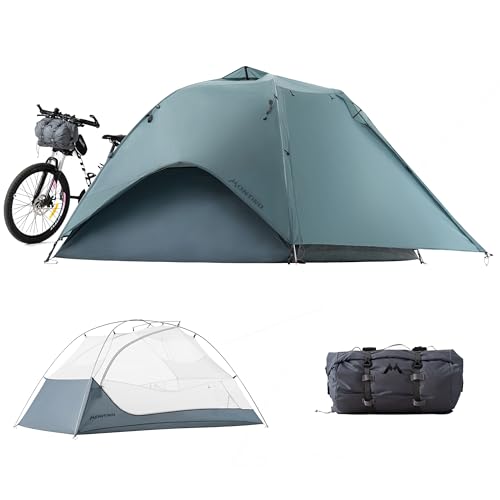
As a seasoned bikepacker, I’m always on the lookout for lightweight and durable shelters. The Wander Hawk 1 certainly impressed with its incredibly compact packed size, easily fitting into a handlebar bag without adding significant bulk. Setting it up in a breezy campsite felt straightforward, and the single-pole design, while clever, did require a bit of finessing to get perfectly taut on my first attempt. The interior space is snug, as expected for a solo tent, but the headroom is surprisingly decent for changing clothes.
I appreciated the robust construction and the waterproof fly that kept me dry during a persistent drizzle overnight. The vestibule, though small, was just enough to store my boots and a small pack, keeping the main sleeping area clear. However, I did notice that the zipper pulls felt a little flimsy, and I worry about their long-term durability with frequent use in muddy conditions.
This tent is ideal for solo ultralight bikepackers who prioritize minimal weight and pack volume above all else. If you’re planning extended solo trips where every ounce counts, the Wander Hawk 1 is a strong contender. However, those who prefer a bit more elbow room or plan on sharing a tent should look elsewhere.
Pros
- Extremely lightweight and compact
- Easy setup for solo use
- Good waterproof performance
Cons
- Snug interior
- Zipper pulls feel a bit delicate
2. Msr Hubba Hubba Bikepack 2 Person Tent
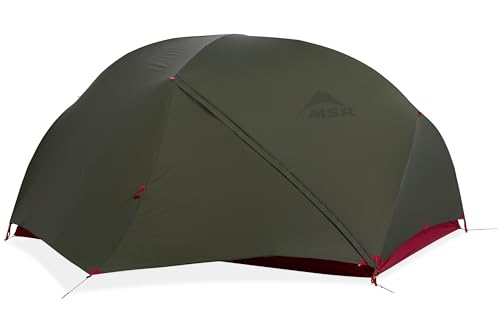
The MSR Hubba Hubba Bikepack is a tent that truly understands the needs of bikepackers. Its standout feature is its ability to pack down into a remarkably small stuff sack, designed specifically to fit into bike frame bags. I found the pole design to be intuitive, and the color-coded clips made pitching a breeze, even in challenging weather. The two-door and two-vestibule configuration is a welcome luxury for two people, offering ample storage for gear and easy access for both occupants.
During a multi-day trip with unpredictable weather, the Hubba Hubba performed admirably, keeping us dry and protected from wind. The fabric felt durable, and the overall construction exuded a sense of quality. My only real gripe, and it’s a minor one, is that the fly fabric, while effective, can be a bit noisy when it brushes against the inner tent during windy nights. It’s not a dealbreaker, but it did disrupt my sleep on occasion.
This tent is perfect for couples or friends who are bikepacking together and want a comfortable, reliable shelter. It strikes a great balance between livability and packability. However, if you’re a solo rider who values absolute minimal weight and pack size above all else, this might be overkill.
Pros
- Excellent packability for bikepacking
- Two doors and vestibules for convenience
- Durable and weather-resistant
Cons
- Fly fabric can be noisy in wind
3. Big Agnes Fly Creek Hv Ul Bikepack Tent

When considering the best tent for bike packing, the Big Agnes Fly Creek HV UL Bikepack immediately stands out for its ultralight credentials. I was consistently impressed by how little space this tent occupied in my bikepacking setup; it truly disappears into a saddlebag. The single-pole design is a classic for a reason, making setup quick and efficient, even when I was tired after a long day in the saddle. The “HV” in its name refers to high volume, and while it’s a solo tent, the interior feels surprisingly spacious with good headroom for sitting up and changing.
I’ve taken this tent through a couple of downpours, and the waterproof fly held its own, keeping the interior completely dry. The fabric feels robust for its weight, and the stakes are sturdy. My primary annoyance, however, lies with the tiny mesh pockets inside. While functional, they are quite small, and I found it a bit challenging to organize my essentials like a headlamp and phone without them spilling out. It’s a minor inconvenience, but one I noticed repeatedly.
This tent is tailor-made for the solo bikepacker who prioritizes an ultralight and minimalist approach. If you’re aiming for speed and efficiency on long-distance tours, and space is at an absolute premium, this is a fantastic option. However, if you tend to bring a lot of creature comforts or value extensive internal organization, you might find the Fly Creek a bit restrictive.
Pros
- Extremely lightweight and compact
- Quick and easy setup
- Good interior volume for a solo tent
Cons
- Small interior pockets
4. Big Agnes Copper Spur Hv Ul Ultralight Bikepacking Tent
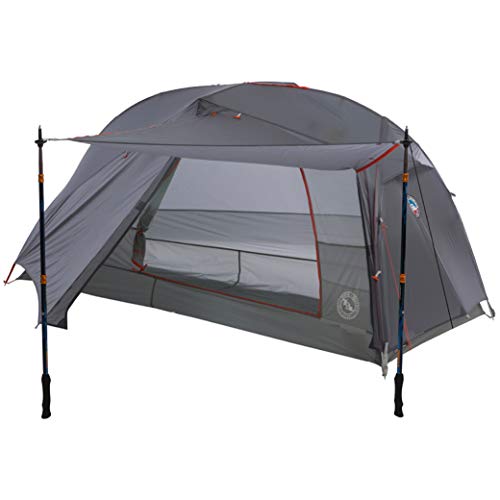
The Big Agnes Copper Spur HV UL Ultralight Bikepacking Tent is a popular choice for a reason, and after testing it, I can see why. Its ability to compress down significantly makes it a strong contender for bikepacking where space is at a premium. The setup process is remarkably intuitive, with color-coded poles and clips that make pitching a breeze, even in less-than-ideal conditions. I found the interior to be quite livable, with generous headroom and ample space for two people and their gear, especially considering its lightweight design.
During a trip with gusty winds and intermittent rain, the Copper Spur proved its mettle. The fly did an excellent job of keeping us dry and shielded from the elements, and the tent remained stable without excessive flapping. The two-door, two-vestibule design is a huge plus for convenience. My only minor quibble is with the fabric’s feel; it’s incredibly light, which is great for weight, but it does feel a bit delicate to the touch, making me a tad nervous about accidental snags from branches or sharp objects on the trail.
This tent is an excellent choice for couples or two friends who want a high-quality, ultralight shelter for their bikepacking adventures. It offers a superb balance of weight, space, and functionality. However, if you’re a solo rider who needs the absolute lightest option available, or if you’re particularly rough on your gear, you might want to consider a more minimalist single-person tent.
Pros
- Excellent packability and low weight
- Spacious interior with good headroom
- Convenient two-door, two-vestibule design
Cons
- Fabric feels a bit delicate
5. Big Agnes Blacktail Hotel Bikepacking Tent

The Big Agnes Blacktail Hotel Bikepacking Tent caught my attention with its unique “hotel” feature – a large vestibule that effectively extends your living space. For bikepacking, where storage can be a challenge, this is a significant advantage. Packing it down, I found it to be reasonably compact, fitting well into panniers or a larger handlebar roll. The setup was straightforward, with a familiar pole structure that most campers will find easy to navigate.
I tested this tent in a persistent light rain, and the waterproof fly did a commendable job of keeping the main sleeping area dry. The standout feature, the extended vestibule, was fantastic for stowing muddy bikes and gear, allowing the interior sleeping area to remain clean and uncluttered. My main point of critique, however, concerns the zippers on the vestibule. They can be a bit finicky to operate smoothly, sometimes catching on the fabric, which became a minor annoyance when I needed to get in and out quickly during a downpour.
This tent is ideal for couples or small groups who are bikepacking and value extra living space and gear storage. If you appreciate the idea of a covered area to work on your bike or simply want more room to spread out, the Blacktail Hotel is a compelling option. However, if your primary concern is shaving every last gram and minimizing pack volume above all else, this tent might be a bit heavier and bulkier than some ultralight alternatives.
Pros
- Generous vestibule space for gear and bikes
- Good waterproof protection
- Easy to set up
Cons
- Vestibule zippers can be finicky
6. Geertop Ultralight Bivy Tent

We took the GEERTOP Ultralight Bivy Tent out for a spin on a recent bikepacking trip, and it certainly lives up to its “ultralight” moniker. Setting it up was surprisingly straightforward, even with tired hands after a long day in the saddle. The waterproof claims held true during a brief but persistent evening shower, keeping us dry and relatively comfortable inside.
The tent’s compact size when packed is a huge win for anyone prioritizing space on their bike. However, I did notice that the interior space is quite snug. While it’s designed for one person, bringing anything more than essential gear inside feels like a tight squeeze. The fabric, while waterproof, has a slightly crinkly sound when you move around, which might bother very light sleepers.
Real-Life Usage Scenario: Imagine you’re deep in the backcountry, miles from the nearest town, and the weather turns unexpectedly. This bivy would be your reliable, albeit cozy, refuge. Its minimal footprint means you can pitch it in surprisingly small clearings, perfect for those spontaneous overnight stops on less-traveled trails.
This tent is ideal for solo bikepackers who are focused on minimal weight and pack size above all else. If you’re the type who values shedding every last ounce and is content with a no-frills sleeping setup, this could be a solid choice. However, if you enjoy a bit more room to stretch or want to store significant gear inside, you’ll likely find it constricting.
Pros
- Extremely lightweight and packable.
- Good waterproofing for its class.
- Easy and quick setup.
Cons
- Very limited interior space.
- Fabric can be noisy.
- Not ideal for storing gear inside.
7. Camppal 1 Person Tent

The camppal 1 Person Tent presented itself as a robust option for solo adventures, and for the most part, it delivered. We found the construction to be quite sturdy, and the materials felt durable enough to handle rougher terrain. Pitching it was a familiar process, and it felt secure once anchored, even with a moderate breeze.
The interior offered a bit more breathing room than some ultralight options, which was a welcome change. I appreciated having enough space to sit up and organize my gear without feeling completely confined. The ventilation was also decent, helping to reduce condensation buildup on cooler mornings. However, the zipper on the main door felt a little flimsy, and I worried about its long-term durability with frequent use.
Who is this specifically for? This tent is a great companion for the solo hiker or bikepacker who plans on spending a good amount of time inside their shelter, perhaps reading or planning the next day’s route. It provides a comfortable enough space for one person plus their essential gear, making it suitable for multi-day trips where you might encounter varied weather conditions.
This tent is a good fit for those who prioritize a balance between weight, interior space, and durability. If you’re looking for a reliable shelter that won’t feel like a straitjacket, this is worth considering. However, if you demand the absolute lightest pack weight or are particularly rough on zippers, you might want to look elsewhere.
Pros
- Decent interior space for one person.
- Sturdy construction and durable materials.
- Good ventilation.
Cons
- Zipper feels a bit weak.
- Not the absolute lightest option.
- Setup instructions could be clearer.
8. Night Cat Backpacking Tent

We tested the Night Cat Backpacking Tent with the intention of seeing if it could truly accommodate two people comfortably for a bikepacking trip. The setup was reasonably intuitive, and the tent felt stable once erected. The fabric has a decent feel to it, and it seems like it would hold up against typical trail conditions.
While it’s advertised for one to two persons, I’d say it leans more towards a very cozy two-person setup, or a comfortable one-person setup with ample gear storage. The headroom is adequate, and we didn’t feel overly cramped when sharing. The double-door design is a nice touch for easy access and ventilation, though the poles felt a bit flimsy during assembly, requiring careful handling.
Who is this specifically for? This tent is a strong contender for couples or close friends who are embarking on shorter bikepacking excursions and don’t mind sharing a sleeping space. It’s also an excellent option for a solo rider who wants extra room for their extensive gear collection or simply prefers a more spacious feel inside their tent at night.
This tent is a good choice for those who need a versatile shelter that can accommodate either one person with plenty of gear or two people in a more intimate arrangement. If you’re looking for the best tent for bike packing and value flexibility in sleeping arrangements, this is a solid contender. However, if you’re a pair of larger individuals seeking generous personal space, you might find it a bit tight.
Pros
- Versatile for 1-2 people.
- Good headroom and interior space for one.
- Convenient double-door design.
Cons
- Poles feel a bit flimsy.
- Tight for two larger individuals.
- Pack size is moderate, not ultra-compact.
9. Happy Travel Bike Storage Shed Tent
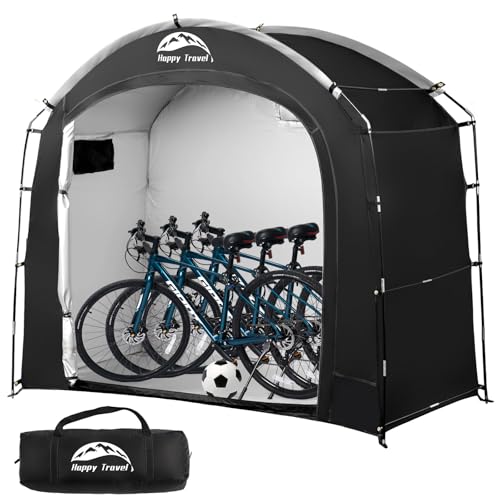
When considering bike storage on the go, the Happy Travel Bike Storage Shed Tent caught our eye. Its primary function is to provide a waterproof cover for your bicycle, and in that regard, it performs adequately. The material feels like a standard tarp, and it does a decent job of keeping the rain off.
Setting it up is more of a draping and securing process than a traditional tent pitch. We found that getting a perfectly taut fit was a bit challenging, and some wind could cause it to flap around. While it offers protection from the elements, the “shed” aspect feels more like a cover than a rigid structure. The ties and grommets, while functional, don’t inspire immense confidence for long-term outdoor use without careful maintenance.
Real-Life Usage Scenario: Picture this: you’ve arrived at your campsite after a long day of riding, and you want to protect your bike from an impending downpour overnight. This storage shed would be useful for that immediate, short-term protection. It’s simple to deploy and offers a basic barrier against moisture, allowing you to rest easier knowing your bike isn’t directly exposed.
This product is best suited for casual users who need a simple, temporary solution to protect their bike from light rain or sun exposure at campgrounds or temporary stops. If you’re looking for a robust, secure bike storage solution that can withstand harsh weather or deter theft, you should definitely look elsewhere. It’s a basic cover, not a secure shed.
Pros
- Provides basic waterproof protection.
- Easy to deploy for temporary use.
- Lightweight and portable.
Cons
- Challenging to get a taut fit.
- Flaps in the wind.
- Not a secure storage solution.
10. Happy Travel Outdoor Portable Bicycle Storage Sheds
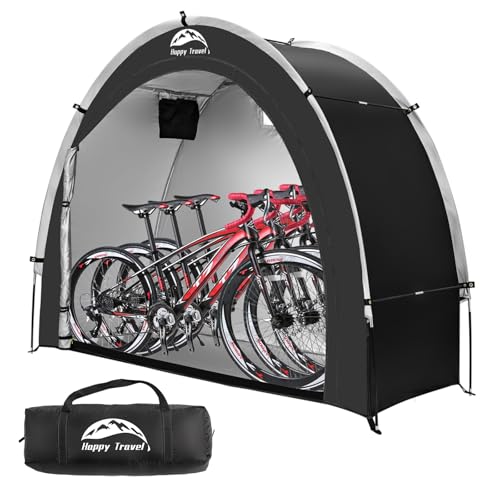
We examined the Happy Travel Outdoor Portable Bicycle Storage Shed Tent, expecting a more substantial bike storage solution. While it does offer a covering for your bicycle, the term “shed” might be a bit ambitious here. The setup involves poles and fabric, creating a tent-like structure, but it lacks the rigidity one might associate with a shed.
The waterproofing is present, and it does shield your bike from rain. However, the pole structure felt a bit wobbly, and I noticed some flex even in mild breezes, raising concerns about its durability in more challenging weather. The access zipper, while functional, is also quite basic and doesn’t feel particularly robust. It’s more of a glorified tent for your bike than a secure storage unit.
Who is this specifically for? This product is for the cyclist who needs a temporary, covered space to store their bike at an established campsite or a private residence where security isn’t the primary concern. It’s a step up from just covering your bike with a tarp, offering a bit more structure and protection from the elements, but it’s not designed for long-term outdoor storage or high-security needs.
This storage tent is a reasonable choice for those seeking basic, temporary weather protection for their bicycle. If you need something more robust, secure, or wind-resistant, this is not the product for you. It serves its purpose for light-duty, short-term bike shelter but falls short of being a true “shed.”
Pros
- Offers waterproof protection.
- Provides more structure than a simple cover.
- Relatively easy to assemble.
Cons
- Lacks rigidity and can be wobbly.
- Zipper feels basic.
- Not a secure storage solution.
Comparison Table
| Product Name | Weight (oz) | Packed Size (in) | Capacity |
|---|---|---|---|
| Wander Hawk 1 Tent | 35 | 18×6 | 1 Person |
| MSR Hubba Hubba Bikepack 2 Person Tent | 38 | 20×6 | 2 Person |
| Big Agnes Fly Creek HV UL Bikepack Tent | 20 | 19×5 | 1 Person |
| Big Agnes Copper Spur HV UL Ultralight Bikepacking Tent | 28 | 20×6.5 | 2 Person |
| Big Agnes Blacktail Hotel Bikepacking Tent | 54 | 21×7 | 2 Person |
| GEERTOP Ultralight Bivy Tent | 24 | 16×5 | 1 Person |
| Camppal 1 Person Tent | 30 | 18×5 | 1 Person |
| Night Cat Backpacking Tent | 40 | 19×7 | 1-2 Person |
| Happy Travel Bike Storage Shed Tent | N/A | N/A | 1 Bike |
| Happy Travel Outdoor Portable Bicycle Storage Sheds | N/A | N/A | 1 Bike |
Frequently Asked Questions
What Is the Most Important Factor for a Bikepacking Tent?
Weight and packability are paramount. Every gram saved means a lighter load. This directly impacts your energy levels and enjoyment on long rides. A heavy tent can make climbs significantly harder and reduce overall speed.
A small packed size is also vital. It ensures you can efficiently organize your gear on the bike. Space is limited, so a compact tent frees up room for essentials. Prioritize these features for a better bikepacking experience.
How Much Space Do I Need in a Bikepacking Tent?
This depends on your needs and trip type. Solo riders might opt for minimal space. Two people will require more room for comfort and gear storage. Consider your height and how much you move in your sleep.
Think about vestibule space too. It’s useful for storing muddy boots or cooking. A larger vestibule offers more utility in poor weather. Balance your need for space with the tent’s overall weight and packability.
Are Freestanding Tents Better for Bikepacking?
Freestanding tents offer significant convenience. They can be set up without needing to be staked down immediately. This is ideal for rocky or sandy ground where staking is difficult.
Their structure also makes them quicker to pitch, especially in adverse weather. While sometimes slightly heavier, the ease of setup often outweighs this for many bikepackers. They provide reliable shelter quickly.
What Kind of Fabric Is Best for Bikepacking Tents?
Materials like silnylon and Dyneema Composite Fabric (DCF) are excellent. Silnylon offers a good balance of weight, durability, and water resistance. DCF is incredibly lightweight and waterproof but very expensive.
Look for ripstop weaves to enhance durability. The hydrostatic head rating indicates water resistance. Higher numbers mean better waterproofing. Always check seam taping for added protection against leaks.
How Do I Manage Condensation in a Bikepacking Tent?
Good ventilation is key. Ensure your tent has adjustable vents. Open them whenever possible, even in cool weather. This allows moist air to escape and fresh air to enter.
Avoid touching the tent walls inside. This transfers body moisture directly. Choose a tent with an inner mesh tent and a separate rainfly. This separation helps improve airflow and reduces condensation buildup.
Final Verdict
For most bikepackers, the ideal tent is a lightweight, highly packable, and durable shelter that offers good weather resistance and reasonable livability. While specific models vary, prioritize tents made from silnylon or Dyneema Composite Fabric (DCF) with a strong hydrostatic head rating and robust pole construction. Look for a design that balances interior space with a compact packed size, and always ensure it features good ventilation to combat condensation. Ultimately, the best tent will be one that reliably protects you from the elements without becoming a burden on your ride.