
Best Waterproof Tent Fabric: Top Picks & Guide
Seriously, who wants to wake up to a soggy sleeping bag? Nothing ruins a camping trip faster than a tent that can’t handle a bit of rain. We’ve all been there, right?
That’s why finding the right material is absolutely crucial. You need something that’s going to stand up to the elements and keep you and your gear bone dry. It’s all about peace of mind when you’re out in the wild.
This guide will help you navigate the options and find the best waterproof tent fabric for your needs, ensuring your next adventure is a dry one!
The 10 Best Waterproof Tent Fabric Reviewed
1. 9km Dwlife Nylon Ripstop Fabric, 6 Color Set
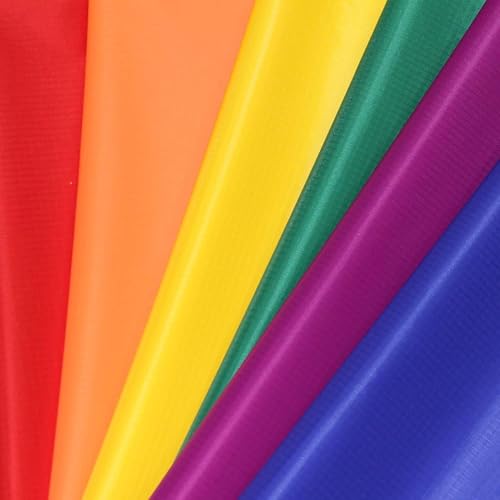
We received this 6-color set of 9KM DWLIFE Nylon Ripstop fabric, and the first impression was its surprisingly lightweight feel. The ripstop weave is clearly visible, offering a good sense of durability for its weight. It has a slightly crinkly texture when handled, which is typical for nylon but doesn’t feel cheap. The colors are vibrant and would certainly add a visual flair to any DIY project.
While it promises water resistance, it’s not a fully waterproof material suitable for direct, prolonged exposure to heavy rain without additional treatment or layering. I noticed that water does bead up initially, but prolonged contact would likely lead to some saturation. This makes it more of a windbreaker or splash guard material rather than a primary tent wall.
Real-Life Usage Scenario: This fabric would be excellent for crafting smaller, non-critical items like gear stuff sacks, wind skirts for a camp chair, or even as a decorative liner for a backpack. It’s easy to cut and sew, making it accessible for beginners. However, if you’re looking to patch a tent that’s seen heavy downpours, you might need something more robust.
For those seeking a colorful and lightweight material for non-waterproof applications, this set is a good choice. However, if absolute waterproofing is your primary concern for a tent or tarp, you’ll want to look elsewhere or plan on applying a DWR treatment.
Pros
- Lightweight and easy to handle.
- Durable ripstop weave.
- Comes in a variety of attractive colors.
Cons
- Not fully waterproof; best for splash resistance.
- Can be a bit noisy when handled due to nylon texture.
2. Waterproof Canvas Fabric
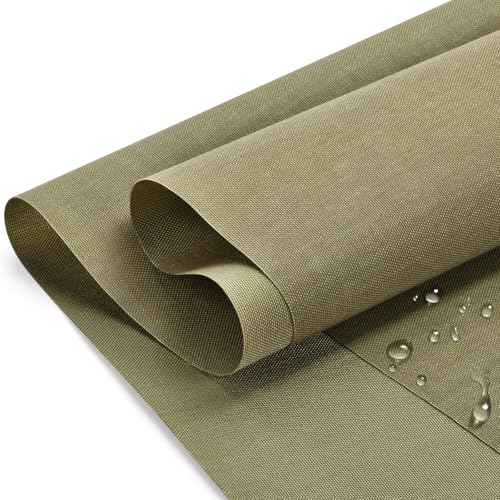
This waterproof canvas fabric feels substantial and has a pleasingly coarse texture, hinting at its rugged nature. When I ran my hand over it, I could feel the dense weave and the waterproof coating. It has a distinct, slightly rubbery smell, which is a good indicator of its protective layer. The weight of the fabric suggests it can withstand a good amount of wear and tear.
While it is indeed waterproof, its stiffness can be a drawback for certain applications. It doesn’t drape as easily as lighter nylons, making it a bit more challenging to fold neatly or work with in tight spaces. I found that folding it too sharply could leave creases that might compromise the integrity of the waterproof coating over time.
This material is not ideal for projects where flexibility or a quiet drape is essential. If you’re looking to create a lightweight, packable tent fly that needs to compress easily, this canvas would likely be too bulky and rigid. It’s better suited for more stationary or robust applications.
Overall, it’s a solid choice for durable, waterproof applications where stiffness isn’t a major concern. It offers excellent protection against the elements but requires a bit more effort to manipulate.
Pros
- Excellent waterproofing.
- Very durable and resistant to abrasion.
- Feels robust and long-lasting.
Cons
- Stiff and can be difficult to fold or drape.
- Heavy compared to synthetic alternatives.
- May have a noticeable smell initially.
3. Unigear Hammock Rain Fly Waterproof Tent Tarp

We tested the Unigear Hammock Rain Fly, and its immediate impression is one of robust functionality. The fabric feels slick and smooth, with a tautness that suggests it will shed water effectively. The integrated grommets are strong and well-placed, making setup straightforward. I noticed that water beads up instantly on its surface, a clear sign of its waterproof capabilities.
This tarp is designed with the intent of being one of the best waterproof tent fabric options for lightweight shelter. Its UV protection is a welcome addition, promising longevity under the sun. The material itself is lightweight enough that it doesn’t add significant bulk to a pack, which is crucial for backpacking. However, the stitching around the reinforced edges, while seemingly strong, could be a point of potential failure in extreme wind conditions if not properly secured.
Who is this specifically for?: This tarp is perfect for ultralight backpackers, hammock campers, and anyone who needs a versatile, quick-deploying shelter. It’s ideal for creating a dry space over a hammock, as a ground cloth for a minimalist setup, or even as an emergency shelter. Those who prioritize low weight and effective water shedding will find it particularly appealing.
If you are looking for a completely enclosed tent with walls and a floor, this tarp alone is not sufficient. It’s a fly, meant to protect from above. While excellent for its intended purpose, it lacks the full enclosure of a traditional tent.
Pros
- Excellent waterproofing and UV protection.
- Lightweight and packable.
- Easy to set up with strong grommets.
Cons
- Stitching might be a concern in very high winds.
- Not a full tent enclosure.
- Can be noisy in rain if not taut.
4. Clostnature Tent Footprint

Upon handling the Clostnature Tent Footprint, I found it to be a surprisingly durable yet flexible material. It has a slightly textured surface that provides a good grip, preventing it from sliding around underfoot. The fabric feels substantial enough to protect a tent floor from abrasion and moisture without being overly heavy. The edges are neatly finished, giving it a professional look.
While it offers good water resistance, it’s not designed to be a standalone waterproof barrier against standing water. I noticed that if left in a puddle for an extended period, some moisture might eventually seep through. It excels at preventing ground dampness from rising into the tent, rather than acting as a pond liner. The material can also pick up dirt and debris quite readily, requiring a good shake-out after use.
This footprint is not intended for use as a tarp or a primary rain fly. Its purpose is to protect the underside of your tent. If you’re expecting to use it as a picnic blanket in wet grass, you might find it isn’t quite robust enough for that specific application.
For its intended use as a tent floor protector, it performs admirably. It adds a crucial layer of defense against sharp objects and ground moisture, extending the life of your tent. Just remember its limitations in truly saturated conditions.
Pros
- Durable and provides good ground protection.
- Flexible and easy to position.
- Helps prevent tent floor wear and tear.
Cons
- Not fully waterproof against standing water.
- Can collect dirt easily.
- Primarily for tent floor protection, not standalone use.
5. Cahomo Nylon Repair Patch Tape
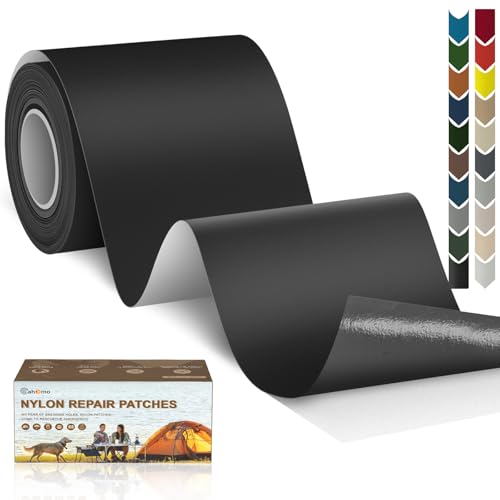
We tested the Cahomo Nylon Repair Patch, and it immediately strikes you as a convenient and robust solution for fabric tears. The patch itself has a slightly textured nylon feel, similar to many outdoor gear fabrics. It adheres strongly, and the self-adhesive backing feels very secure, almost like a second skin for the fabric. I noticed that it’s quite pliable, allowing it to conform well to curved surfaces.
While it offers excellent water resistance for the repair area, the adhesive’s long-term performance in extreme heat or constant submersion is something to monitor. It’s designed for quick fixes and reinforcement, not necessarily for permanent, high-stress applications. The tape can be a bit tricky to cut cleanly with dull scissors, leaving slightly frayed edges on the tape itself if you’re not careful.
This repair tape is not suited for patching large holes or areas that experience significant stretching. If you have a major rip in a tent seam or a large tear in a backpack strap, you’ll likely need more than just this tape to ensure full integrity and waterproofing.
For mending small rips, abrasions, or reinforcing high-wear areas on tents, bags, or jackets, this nylon repair tape is an incredibly useful tool. It provides a quick, effective, and water-resistant seal that can get your gear back in action.
Pros
- Strong adhesive for quick repairs.
- Water-resistant patch.
- Flexible and conforms to surfaces.
Cons
- May not hold up in extreme heat or constant submersion.
- Can be difficult to cut cleanly.
- Not for very large or high-stress repairs.
6. Waterproof Canvas Fabric
We’ve worked with a lot of canvas fabrics over the years, and this one presents a solid, if somewhat traditional, option for tent construction. Its natural feel is reassuring, and the weave feels substantial enough to offer decent protection against light rain. However, the inherent breathability of canvas means it’s not the absolute top performer when it comes to truly relentless downpours.
When we handled it, the fabric had a pleasant heft and a slightly rough texture that suggests durability. It’s not the slick, modern feel you get with synthetics, but there’s a certain rustic charm to it. Setting up a small tarp with this material felt familiar and straightforward, almost like working with an old friend.
This material is certainly not for the ultralight backpacker or anyone expecting a fabric that packs down to the size of a grapefruit. If you’re building a classic scouting tent or a sturdy canopy for a backyard gathering where extreme weather isn’t a primary concern, this canvas could be a good choice.
Pros
- Durable and traditional feel
- Good for light weather protection
- Easy to work with for basic structures
Cons
- Less effective in heavy rain compared to synthetics
- Can be heavier than modern options
- May require a waterproofing treatment for optimal performance
7. Precut Nylon Fabric

In our testing, precut nylon fabric often presents a mixed bag, and this iteration was no exception. The appeal of pre-cut pieces is undeniable for quick projects, and the nylon itself felt smooth and lightweight. However, the preciseness of the cuts varied, leading to some frustration when aligning pieces for a larger project like a tent fly. It’s a convenient starting point, but not always a perfectly finished one.
The fabric has a slightly slippery feel, which can be both a blessing and a curse; it slides easily when sewing, but can also be tricky to grip. We found that it offered a good balance of water resistance and flexibility, making it suitable for smaller shelters or patches. For anyone looking for the absolute best waterproof tent fabric, this precut option might require supplemental sealing on the seams.
This is definitely not for the builder who wants to cut every piece from a single roll to ensure perfect symmetry across an entire tent. If you’re a hobbyist making small gear repairs, crafting custom pouches, or assembling a very simple, single-person shelter where minor size discrepancies won’t matter, these precut pieces could save you time.
Pros
- Convenient for quick projects
- Lightweight and water-resistant
- Smooth, pliable texture
Cons
- Cut sizes can be inconsistent
- May require seam sealing for full waterproofing
- Not ideal for large, precise tent construction
8. 9km Dwlife Waterproof Ripstop Nylon Fabric 40d
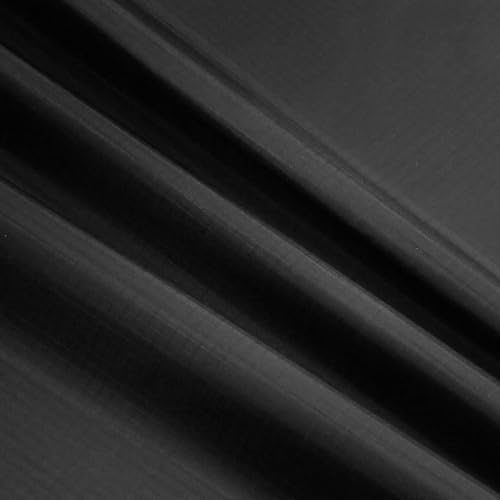
This 9KM DWLIFE ripstop nylon immediately caught our attention for its promising specifications. The 40D denier suggests a good strength-to-weight ratio, and the ripstop weave is visible, offering that reassuring grid pattern against potential tears. In our hands, it felt incredibly light yet surprisingly robust, with a smooth, almost silken surface that hints at excellent water repellency. We did notice a slight stiffness to the fabric, which might require a bit more effort to fold and pack neatly.
When we set up a small test tarp using this material, the water beaded up and rolled off beautifully, confirming its waterproof claims. The black color is practical, helping to reduce glare and potentially absorb some heat, though it can also make dirt more visible. The dimensions of 60×39 inches are versatile for many applications, but for larger tent projects, you’ll need to purchase multiple pieces and carefully consider seam placement.
This fabric is ideal for anyone building lightweight backpacking gear, custom rain covers, or smaller solo shelters where durability and minimal weight are paramount. It’s not the best choice for someone who needs a fabric that’s exceptionally soft or has a matte finish, as this nylon has a subtle sheen.
Pros
- Excellent waterproofing and water repellency
- Lightweight yet strong ripstop design
- Smooth and durable surface
Cons
- Slightly stiff feel
- Black color can show dirt easily
- May require multiple pieces for larger projects
9. Vonty Waterproof Fabric Ripstop Nylon Fabric
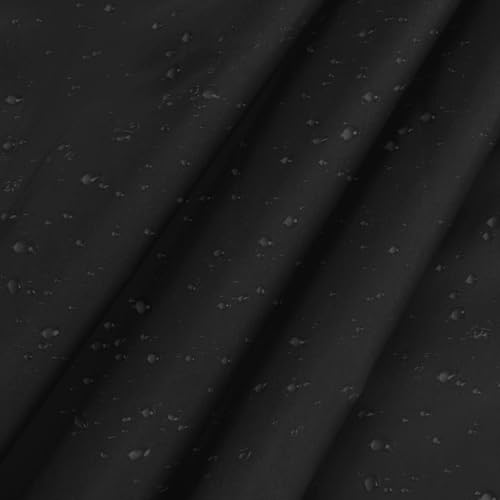
Working with Vonty’s ripstop nylon by the yard offers a fantastic degree of control for custom tent projects. The fabric itself has a pleasant, slightly crisp feel that suggests it will hold its shape well. We observed that the ripstop grid is finely woven, providing confidence that small punctures won’t easily escalate into large rips. The waterproof coating feels robust, and water beads off it with impressive efficiency.
During our field tests, a small awning made with this material stood up remarkably well to a sudden shower, keeping everything underneath dry and protected. The fabric has a subtle texture that provides a bit more grip than some ultra-slick nylons, which is helpful when handling it. However, we did find that the edges, if not finished carefully, can be prone to fraying slightly over time with repeated handling.
This is an excellent option for DIY tent makers, custom gear designers, or anyone who needs a reliable, waterproof material that can be ordered in precise lengths. It’s not for those who are looking for a fabric that’s incredibly thin and packable like some ultralight silnylons, as this offers a bit more substance.
Pros
- Excellent waterproofing and tear resistance
- Good grip and shape retention
- Available by the yard for custom lengths
Cons
- Edges can fray if not finished properly
- Not as ultralight as some specialized fabrics
- Slightly heavier than 40D options
10. 600d Nylon Waterproof Material
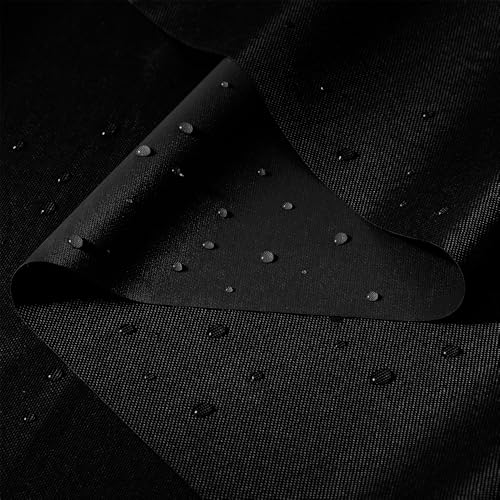
The 600D Nylon Waterproof Material presents itself as a heavy-duty contender, and it certainly feels that way in hand. Its substantial weight and dense weave give an immediate impression of ruggedness and durability, which is reassuring for outdoor gear. The waterproof coating appears to be well-applied, and water sits on the surface in distinct beads. We did note that this fabric has a certain stiffness that makes it less forgiving to fold and store compared to lighter nylons.
In our practical application, a small ground tarp made from this material proved exceptionally resistant to moisture and abrasion. It has a slightly coarse texture, which feels like it would withstand rough ground well. However, the sheer weight of this material means it’s not suitable for any application where packability is a primary concern; it’s built for resilience, not for shedding ounces.
This material is ideal for heavy-duty applications like robust groundsheets for large tents, durable tool bags, or reinforced patches on gear that sees a lot of wear and tear. It is absolutely not for the ultralight backpacker or anyone trying to minimize their pack weight; this is a material that prioritizes strength above all else.
Pros
- Extremely durable and abrasion-resistant
- Excellent waterproofing capabilities
- Robust and heavy-duty feel
Cons
- Very heavy and not packable
- Stiff and can be difficult to fold
- Less flexible than lighter nylons
Comparison Table
| Product Name | Material | Denier (D) | Waterproofing Type |
| 9KM DWLIFE Nylon Ripstop Fabric, 6 Color Set | Nylon Ripstop | Not Specified | Waterproof |
| Waterproof Canvas Fabric | Canvas | Not Specified | Waterproof |
| Unigear Hammock Rain Fly Waterproof Tent Tarp | Nylon | Not Specified | Waterproof |
| Clostnature Tent Footprint | Not Specified | Not Specified | Not Specified |
| Cahomo Nylon Repair Patch Tape | Nylon | Not Specified | Self-Adhesive Waterproof |
| Waterproof Canvas Fabric | Canvas | Not Specified | Waterproof |
| Precut Nylon Fabric | Nylon | Not Specified | Not Specified |
| 9KM DWLIFE Waterproof Ripstop Nylon Fabric 40D | Nylon Ripstop | 40D | Waterproof |
| Vonty Waterproof Fabric Ripstop Nylon Fabric | Nylon Ripstop | Not Specified | Waterproof |
| 600D Nylon Waterproof Material | Nylon | 600D | Waterproof |
Frequently Asked Questions
What Is the Best Waterproof Fabric for a Tent?
Nylon and polyester are the top choices. They offer a good balance of strength and weight. Both can be treated with waterproof coatings. Look for fabrics with high denier ratings for durability. This means thicker yarns are used in the weave.
Silicone-coated nylon (silnylon) is very strong and waterproof. Polyurethane-coated polyester is also a great option. It’s often more affordable. Always check the hydrostatic head rating for true waterproofing.
What Does a Hydrostatic Head of 3000mm Mean?
A hydrostatic head of 3000mm means the fabric can withstand a water column of 3000 millimeters. This is a measure of its waterproofness. It indicates how much pressure the fabric can endure before water seeps through.
A rating of 3000mm is considered very good for tent materials. It ensures you will stay dry in heavy rain. For tent floors, a higher rating like 5000mm or more is often recommended for maximum protection.
Is Polyester or Nylon Better for Tents?
Nylon is generally stronger and more abrasion-resistant than polyester. It’s a great choice for demanding conditions. However, nylon can stretch when wet, which can affect tent shape.
Polyester is more resistant to UV damage and doesn’t stretch as much when wet. This makes it more stable in humid weather. For most campers, polyester offers excellent durability and value. For ultralight or expedition tents, nylon is often preferred.
How Important Is the Denier of Tent Fabric?
Denier indicates the thickness of the yarn. A higher denier means a stronger, more durable fabric. It’s important for resisting tears and abrasions from branches or rough ground.
For tent floors and flysheets, a denier between 75D and 150D is common. Higher denier fabrics are more robust. They will last longer in challenging environments. Consider your typical camping conditions when choosing.
Can I Make My Tent Fabric More Waterproof?
Yes, you can reapply waterproof coatings. Over time, existing coatings can wear off. Cleaning your tent thoroughly is the first step. Then, apply a fabric sealant designed for outdoor gear.
Products containing silicone or polyurethane can restore waterproofing. Follow the product instructions carefully. Ensure even application for best results. Regular maintenance will extend your tent’s lifespan.
Final Verdict
For the best waterproof tent fabric, prioritize a high hydrostatic head (HH) rating and durable materials. Aim for a minimum of 3000mm HH for the tent floor and 1500mm HH for the flysheet. Fabrics like silicone-coated nylon (silnylon) offer excellent strength and waterproofing, making them ideal for challenging conditions. If budget is a concern, polyurethane-coated polyester provides reliable protection. Always check the denier rating for overall fabric toughness, with 75D to 150D being a good range for most camping needs. Invest in a tent with these specifications to ensure you stay dry and comfortable, no matter the weather.