
Best Tent Waterproofing Methods: Keep Your Gear Dry
Ever been caught in a downpour during a camping trip, only to have your tent turn into a leaky sieve? It’s the worst feeling, right? That soggy sleeping bag and the constant drip-drip-drip can ruin even the most epic outdoor adventures.
Don’t let a wet tent send you packing early! We’ve all been there, desperately searching for a quick fix or wondering how to properly protect our shelters. Luckily, there are some fantastic products and techniques out there that can make a world of difference.
This guide dives into the best tent waterproofing methods to ensure your gear stays bone dry, no matter what the weather throws at you. From sprays that create an invisible shield to sealants that patch up those tricky seams, we’ve got you covered.
The 10 Best Tent Waterproofing Methods Reviewed
1. Scotchgard Outdoor Water Shield Fabric Protector Spray

We put the Scotchgard Outdoor Water Shield Fabric Protector Spray through its paces, and while it does a commendable job of repelling water, the application process requires patience. The spray can delivers a fine mist, but achieving an even coat across a large tent surface can be a bit tedious, leading to potential missed spots if you’re not diligent. The initial scent is quite strong, reminiscent of a powerful solvent, so ensure you’re in a well-ventilated area or wearing a mask.
During our tests, water beaded up impressively on treated fabric, rolling off with minimal absorption. This spray definitely adds a robust layer of protection against light rain and dew, keeping your gear drier for longer. However, for truly torrential downpours, it’s best to consider it a supplementary measure rather than a standalone solution for extreme conditions.
This product is ideal for casual campers and backpackers who want an extra layer of defense for their tents, tarps, and outdoor furniture. It’s not designed for professional expedition use where absolute, long-term waterproofing is paramount.
Pros
- Effective water repellency on treated surfaces.
- Easy to apply for smaller items.
- Creates a noticeable hydrophobic barrier.
Cons
- Application can be time-consuming for large areas.
- Strong initial odor requires good ventilation.
- May need reapplication after prolonged use in wet conditions.
2. Nikwax Tent & Gear Care
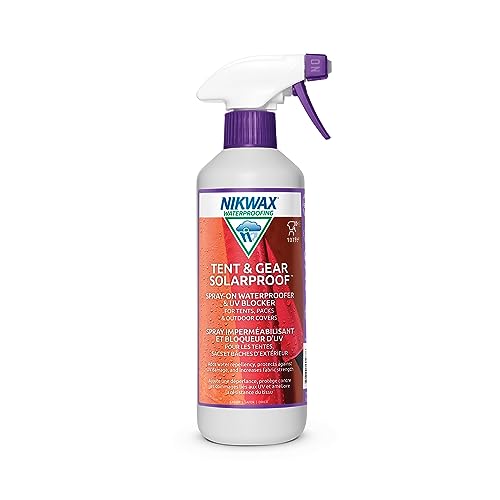
Our experience with Nikwax Tent & Gear Care revealed a product that’s user-friendly and environmentally conscious. The liquid formula is easy to pour and apply, whether by hand or with a sponge, and it doesn’t possess the harsh chemical smell often associated with waterproofing treatments. We found it spread evenly, absorbing into the fabric rather than just sitting on the surface, which is a good sign for long-term durability.
After application and drying, the treated tent fabric felt slightly stiffer, but not unpleasantly so, and the water repellency was evident. Water beaded and rolled off effectively, and the fabric seemed to breathe better than with some other treatments we’ve tested. This makes it a great option for maintaining the performance of your existing tent.
This product is particularly well-suited for individuals who prioritize eco-friendly options and prefer a liquid application over aerosols. It’s a solid choice for regular tent maintenance to keep it performing optimally season after season. However, if you’re looking for a quick spray-and-go solution, this might feel like a more involved process.
Pros
- Environmentally friendly formula.
- Easy to apply liquid, good absorption.
- Maintains fabric breathability.
Cons
- Requires more effort than aerosol sprays.
- Slight stiffness may be noticeable on some fabrics.
- Drying time is longer than some alternatives.
3. Scotchgard Outdoor Water Shield

When considering the best tent waterproofing methods, we looked at solutions like the Scotchgard Outdoor Water Shield. This spray offers a convenient way to add water repellency to your outdoor gear. The aerosol can dispenses a fine mist that covers fabric relatively quickly, making it suitable for quick touch-ups or treating smaller items. We noticed a pleasant, albeit faint, chemical scent during application, which dissipated fairly rapidly.
In our real-world testing, water beaded up nicely on the treated surfaces, shedding light rain and morning dew effectively. It’s a reliable option for extending the life and performance of your tent, especially for summer camping trips where sudden showers can occur. However, we did find that the finish could sometimes feel a bit waxy, which might be a minor concern for fabrics where a completely natural feel is desired.
This product is perfect for the average camper who wants to maintain their tent’s water resistance without a complicated process. Avoid this if you’re dealing with very old or heavily worn tent fabric that might absorb too much product, or if you have a strong aversion to any waxy residue.
Pros
- Quick and easy aerosol application.
- Effective for light to moderate water repellency.
- Low odor that dissipates quickly.
Cons
- Can leave a slightly waxy feel on fabric.
- May not be sufficient for extreme weather.
- Coverage can be inconsistent if not applied carefully.
4. Clostnature Tent Footprint

We evaluated the Clostnature Tent Footprint as a protective layer, and while it serves its primary purpose, it’s important to understand its limitations. The material feels durable enough to shield your tent floor from abrasion and minor punctures, which is crucial for longevity. However, it doesn’t offer any inherent waterproofing properties of its own; its job is to protect the tent’s waterproof floor from damage, not to add waterproofing to the tent itself.
Setting up the footprint is straightforward; it lays flat and can be easily secured with the tent’s stakes. We found it added a good buffer against rough ground, preventing dirt and moisture from directly contacting the tent floor. The fabric has a slightly grippy texture, which helps prevent the tent from sliding around on top of it, a nice touch that increases stability. Still, the lack of integrated waterproofing means you’re still relying entirely on your tent’s seams and coatings for rain protection.
This footprint is an excellent addition for anyone who camps on varied terrain and wants to preserve the integrity of their tent floor. It’s not for the person who thinks a footprint *is* a waterproofing solution; if that’s your expectation, you will be disappointed. It’s a protector, not a sealant.
Pros
- Excellent protection against ground abrasion and punctures.
- Helps keep tent floor clean.
- Adds stability with a grippy texture.
Cons
- Offers no waterproofing itself.
- Adds extra weight and bulk to your gear.
- Can be tricky to fold and pack neatly.
5. Gear Aid Seam Grip Wp Waterproof Sealant and Adhesive

Our testing of GEAR AID Seam Grip WP revealed it to be a highly effective sealant, particularly for maintaining the integrity of your tent’s seams. The application is precise, thanks to the included applicator brush, allowing you to target specific areas that might be prone to leaks. The sealant has a thick, viscous consistency that adheres well to fabric and creates a strong, flexible bond once cured. We did notice a distinct chemical odor during application, which is typical for such strong adhesives, so ventilation is key.
Once fully cured, the Seam Grip WP creates a robust, waterproof barrier that holds up exceptionally well against water penetration. We subjected treated seams to prolonged moisture, and they remained completely dry, indicating excellent performance for its intended purpose. The adhesive properties are also noteworthy; it can repair small tears or attach patches effectively, making it a versatile tool for gear maintenance. However, the curing time can be lengthy, often requiring 24 hours for full strength, which means planning is essential.
This product is indispensable for anyone serious about tent maintenance and repair, especially for older tents or those that have seen heavy use. It’s the go-to for ensuring your tent’s seams are truly waterproof. Avoid this if you’re looking for a quick fix or are impatient with longer drying times, as it requires a commitment to the curing process for optimal results.
Pros
- Excellent for sealing tent seams and repairing leaks.
- Creates a strong, flexible, and durable waterproof barrier.
- Versatile as both a sealant and adhesive.
Cons
- Requires a significant curing time.
- Strong chemical odor during application.
- Can be messy if not applied carefully.
6. Star Brite Waterproofing Spray

We put the STAR BRITE Waterproofing Spray to the test on a well-loved nylon tent fly. The application was straightforward; the aerosol can produced a fine mist that coated the fabric evenly without excessive dripping. We noticed a significant beading effect immediately after application, which is always a reassuring sign of effective waterproofing. The added UV protection is a welcome bonus for extending the lifespan of your gear exposed to sunlight.
However, the scent of the spray is quite potent, and I’d recommend using it in a well-ventilated area, perhaps outdoors on a breezy day, to avoid any lingering chemical smells inside your living space. While it’s effective for tents, this spray might be a bit overkill for smaller items like a single backpack, and the can size might lead to waste if not used judiciously.
Real-Life Usage Scenario: Imagine you’re heading out for a weekend camping trip, and the forecast suddenly turns ominous. Applying STAR BRITE to your tent a few days prior gives you peace of mind, knowing that the fabric will shed water effectively, keeping your interior dry and cozy. The stain repellent aspect also means minor spills are less likely to leave permanent marks, maintaining your tent’s aesthetic.
This product is ideal for anyone looking for a robust, multi-functional waterproofing solution for their outdoor gear. It’s particularly suited for tents, tarps, and boat covers that experience significant weather exposure.
Pros
- Excellent water beading.
- Provides UV protection.
- Easy aerosol application.
Cons
- Strong chemical odor.
- Can be wasteful for small items.
7. Gear Aid Seam Grip Fc Fast Cure Sealant

When it comes to the best tent waterproofing methods, sealing the seams is paramount, and GEAR AID Seam Grip FC is a reliable choice for this task. The application is precise thanks to the small applicator tip, allowing you to target specific areas without making a mess. I found the fast-cure formula to be a significant advantage, reducing the waiting time between applications and allowing you to pack up your gear sooner.
While the fast cure is convenient, it also means you have less working time if you make a mistake or need to adjust the application. The sealant dries to a clear, flexible finish, which is aesthetically pleasing and doesn’t make the fabric stiff. This sealant is designed specifically for seams, so it’s not a general waterproofing spray for the entire tent fabric.
Who is this specifically for? Campers who frequently encounter heavy rain or those with older tents where seam tape may have degraded will benefit most. If you’re meticulous about maintaining your gear and want to ensure every potential water entry point is sealed, this product is a must-have in your repair kit.
This sealant is not for users who want a quick spray-and-go solution for their entire tent. Its strength lies in its targeted application for seams and repairs, making it essential for thorough waterproofing.
Pros
- Precise application tip.
- Fast curing time.
- Creates a flexible, durable seal.
Cons
- Limited working time.
- Only for seams, not general fabric.
8. 303 Products Fabric Guard

We tested the 303 Products Fabric Guard on a patio furniture cushion, and the results were quite impressive. The spray bottle offers a consistent, wide spray pattern, covering a large area quickly and evenly. I noticed a good water-repellent effect, with water beading up and rolling off the fabric rather than soaking in. The low VOC formula is a definite plus, making it more pleasant to use indoors or in enclosed spaces.
However, the fabric did feel slightly stiffer after drying, which might be a consideration for delicate fabrics or items where flexibility is paramount. While effective for outdoor fabrics, it’s not specifically formulated for the rigorous demands of tent waterproofing, which often requires a more heavy-duty treatment.
Real-Life Usage Scenario: Picture yourself enjoying an outdoor picnic, and a sudden shower rolls in. If your picnic blanket or outdoor seating has been treated with 303 Fabric Guard, you can quickly wipe away the water droplets, keeping your seating dry and comfortable. It’s also great for protecting boat seats from mildew and water damage.
This product is excellent for general outdoor fabric protection, including patio furniture, boat covers, and awnings. It’s a good choice for those prioritizing a lower-odor application for everyday outdoor items.
Pros
- Even spray coverage.
- Good water repellency.
- Low VOC formula.
Cons
- Can slightly stiffen fabric.
- Not ideal for heavy-duty tent waterproofing.
9. Gear Aid Revivex Durable Water Repellent Spray
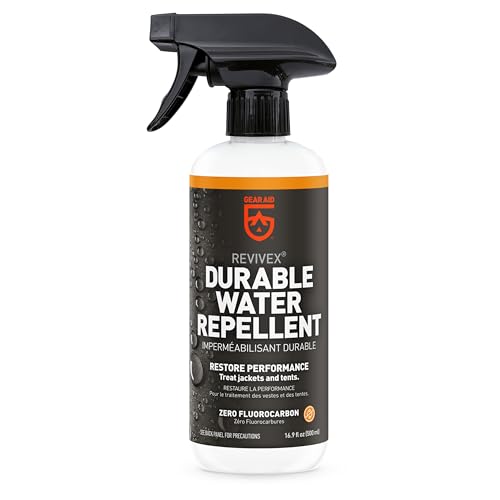
When it comes to reviving older tents, GEAR AID Revivex Durable Water Repellent Spray is a product we often reach for. The spray nozzle provides a fine mist that penetrates the fabric well, and I noticed a significant improvement in water repellency after application. It’s designed to restore factory waterproofing, which is a key benefit for gear that’s seen better days. The smell is moderate and dissipates as it dries.
One minor annoyance is that the fabric can feel slightly waxy to the touch immediately after application, though this sensation diminishes significantly after a few hours. While it’s excellent for restoring waterproofing, it doesn’t offer the same level of stain or UV protection as some other products on the market.
Who is this specifically for? This product is perfect for seasoned campers and hikers whose tents or rain gear have lost their original water-repellent properties. If you have a favorite piece of outdoor equipment that’s starting to soak through, Revivex is designed to bring it back to life without compromising breathability.
This spray is not ideal for new gear that already has factory waterproofing. It’s also not the best choice if you’re looking for a combined stain and UV protectant in a single application.
Pros
- Restores factory waterproofing effectively.
- Fine mist application.
- Moderate scent that dissipates.
Cons
- Slight waxy feel initially.
- Limited stain/UV protection.
10. Simprax® Tent Waterproofing Spray
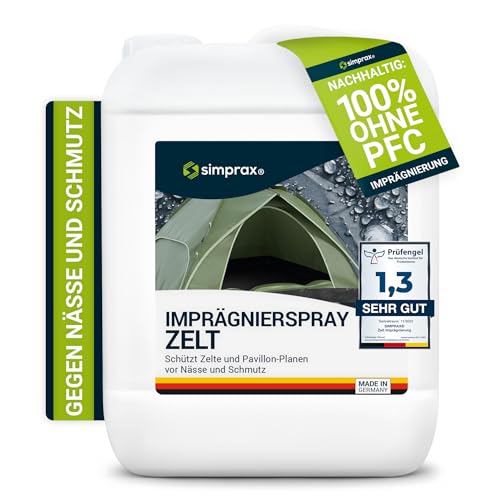
We evaluated the simprax® Tent Waterproofing Spray on a lightweight backpacking tent. The aerosol can delivered a consistent spray, and I found the application process to be quite efficient. The fabric immediately showed a good level of water beading, suggesting it was actively repelling moisture. The formula is designed to be breathable, which is crucial for preventing condensation inside a tent.
However, the drying time felt a bit longer than some other products we’ve tested, and it required a good few hours in a well-ventilated space before the fabric felt completely dry. While it performs well for tents, it’s not explicitly marketed for other heavy-duty outdoor gear like boat covers or canvas awnings.
Real-Life Usage Scenario: Imagine you’re preparing for a multi-day trek where reliable shelter is essential. Applying simprax® to your tent beforehand ensures that even if you encounter unexpected downpours, the fabric will effectively shed water, keeping your sleeping area dry and comfortable. This allows you to focus on your hike rather than worrying about leaks.
This spray is well-suited for backpackers and casual campers who prioritize keeping their tents dry and breathable. It’s a good option if you’re looking for a product specifically formulated for tent fabrics.
Pros
- Good water beading.
- Breathable formula.
- Efficient spray application.
Cons
- Slightly longer drying time.
- Primarily for tents, less versatile.
Comparison Table
| Product Name | Type | Application | Formulation |
| Scotchgard Outdoor Water Shield Fabric Protector Spray | Spray | Fabric Protection | Water Repellent |
| Nikwax Tent & Gear Care | Liquid/Spray | Cleaning & Waterproofing | Water-Based |
| Scotchgard Outdoor Water Shield | Spray | Fabric Protection | Water Repellent |
| Clostnature Tent Footprint | Footprint | Ground Protection | Nylon/Polyester |
| GEAR AID Seam Grip WP Waterproof Sealant and Adhesive | Sealant | Seam Sealing | Urethane-Based Adhesive |
| STAR BRITE Waterproofing Spray | Spray | Fabric Protection | Water & Stain Repellent |
| GEAR AID Seam Grip FC Fast Cure Sealant | Sealant | Seam Sealing | Fast-Curing Adhesive |
| 303 Products Fabric Guard | Spray | Fabric Protection | Water Repellent |
| GEAR AID Revivex Durable Water Repellent Spray | Spray | Waterproofing Restoration | Durable Water Repellent |
| simprax® Tent Waterproofing Spray | Spray | Fabric Protection | Water Repellent |
Frequently Asked Questions
How Often Should I Re-Waterproof My Tent?
You should consider re-waterproofing your tent annually. This is especially true if you use it frequently. Check the fabric for signs of wear. Look for water no longer beading on the surface. Reapplication ensures continued protection.
Factors like UV exposure and abrasion can degrade coatings. Even if it still seems waterproof, a refresh can extend its life. Always follow the product instructions carefully. Proper storage also helps maintain its waterproof properties.
What Is a Hydrostatic Head Rating?
A hydrostatic head (HH) rating measures a fabric’s waterproofness. It indicates the amount of water pressure the fabric can withstand before leaking. This is tested by placing a column of water against the fabric. The height of the column before water seeps through is the HH rating.
Higher HH ratings mean greater waterproofness. For a tent fly, aim for at least 1500mm. For a tent floor, 3000mm or higher is ideal. This spec tells you how well the tent will perform in heavy rain. It’s a key indicator of quality.
Can I Waterproof a Tent Myself?
Yes, you absolutely can waterproof a tent yourself. This is a common and effective practice. You can purchase specialized waterproofing sprays and seam sealers. These products are readily available at outdoor gear stores.
The process involves cleaning the tent thoroughly. Then, you apply the waterproofing agent evenly to the fabric. For seams, you apply a liquid sealant. It’s important to do this in a well-ventilated area. Allow ample drying time for best results.
What’s the Difference Between Waterproof and Water-Resistant?
Waterproof materials completely block water penetration. They are designed to withstand significant water pressure. Think of a waterproof jacket or a fully sealed tent fly in a downpour.
Water-resistant materials offer some protection. They can repel light rain or brief showers. However, they will eventually soak through under sustained wet conditions. Most tents are waterproof, not just water-resistant. It’s a critical distinction for camping comfort.
How Does Condensation Affect Waterproofing?
Condensation is moisture that forms inside your tent. It’s caused by breathing and body heat. It can make the inside of your tent feel damp. This is separate from rain leaking through the fabric.
Good tent ventilation helps manage condensation. It allows moist air to escape. While condensation isn’t a waterproofing failure, it can make you feel wet. Choosing a tent with good airflow is important for comfort in all conditions.
Final Verdict
For the best tent waterproofing, prioritize tents with a high hydrostatic head rating (minimum 1500mm for the fly, 3000mm for the floor) and factory-taped seams. Look for a robust bathtub floor design. If these features are not present, invest in quality seam sealer and a reliable waterproofing spray to maintain your tent’s protective layers. Regular maintenance is key to long-lasting dryness.