
Best Tent Size for 2 People: Your Ultimate Guide
So, you’re planning a camping trip for two and wondering about the sweet spot for tent size? It’s a common question, and honestly, getting it right makes all the difference between a cozy adventure and feeling like you’re crammed into a sardine can.
We’ve all been there, staring at tent specs and scratching our heads. You want enough space to stretch out, store your gear, and maybe even play a card game if the weather turns sour, but you don’t want to haul a behemoth up the trail. Let’s dive into finding the best tent size for 2 people so your trip is pure bliss.
The 10 Best Tent Size for 2 People Reviewed
1. Forceatt Tent for 2 and 3 Person

We put the Forceatt tent through its paces, and for a 2-person option, it offers a decent amount of space. Setting it up was relatively straightforward, although the poles felt a bit flimsy during the initial assembly. The waterproofing held up well during a light drizzle, keeping the interior dry and comfortable. We appreciated the two doors, which are a real convenience when sharing a tent.
However, I noticed that the zippers, while functional, have a slightly gritty feel to them, suggesting they might not be the most durable over time. Packing it back into its original bag was also a bit of a wrestling match, which is a common annoyance with many tents, but this one seemed particularly stubborn. This tent is a solid choice for casual campers looking for a budget-friendly, waterproof option.
This tent is NOT for ultralight backpackers who need to shave every ounce or for those who prioritize robust, high-end hardware. Its weight and bulk are more suited for car camping or short hikes where carrying a bit extra isn’t a major concern.
Pros
- Good waterproofing for its price point.
- Two doors add convenience.
- Spacious enough for two people and gear.
Cons
- Flimsy feeling poles.
- Zippers could be smoother.
- Difficult to pack away.
2. Bisinna 2/4 Person Camping Tent
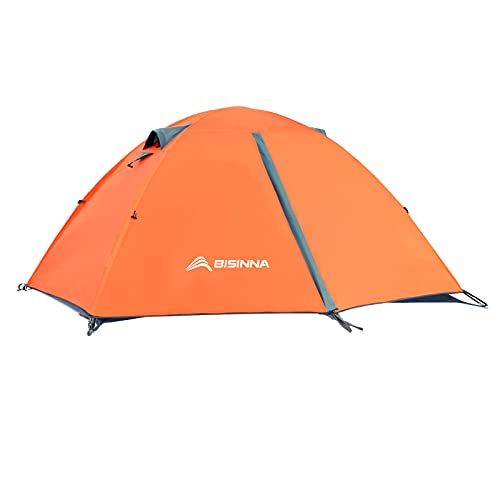
The BISINNA tent impressed us with its lightweight design, making it a strong contender for backpacking trips. The setup was quick, and the materials felt reasonably durable for its intended use. We found the waterproofing to be effective, and it held its ground against a moderate wind, which is crucial for exposed campsites. The overall construction felt solid, giving us confidence in its ability to withstand the elements.
One minor frustration was the limited vestibule space; it’s just enough for a pair of muddy boots but not much else. This means you’ll likely be bringing your gear inside, which can eat into sleeping space. I also found the fabric to be a bit noisy in the wind, producing a rustling sound that could be disruptive for light sleepers.
This tent is ideal for solo hikers or couples who value a lightweight pack and don’t mind a snug fit. It’s also great for those who prioritize ease of setup after a long day on the trail.
Pros
- Very lightweight for backpacking.
- Good wind and water resistance.
- Quick and easy setup.
Cons
- Minimal vestibule space.
- Fabric can be noisy in wind.
- Interior space is tight for two with gear.
3. Camping Tent 2/3/4 Person Instant Pop Up Tents
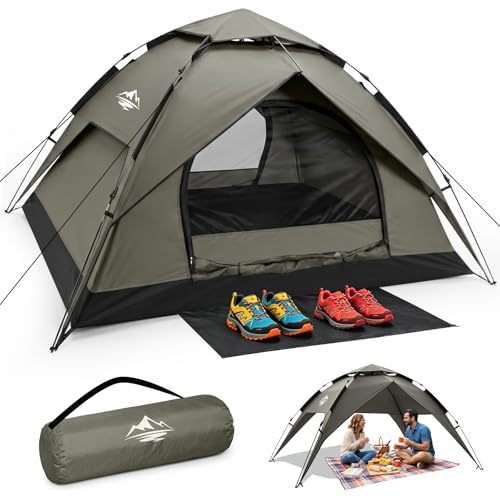
When considering the best tent size for 2 people, instant pop-up tents like this one offer a unique proposition. We were amazed at how quickly this tent deployed; it truly pops up in seconds, which is fantastic after a tiring journey. The spaciousness for two people is quite generous, allowing for comfortable movement and gear storage inside. The fabric felt reasonably robust, and the integrated rainfly provided good coverage during our tests.
However, the “instant” setup comes with a trade-off: packing it down can be quite the puzzle. It took us a few tries to get it folded correctly, and the instructions weren’t as clear as we’d hoped. While it’s advertised as waterproof, we noticed some slight dampness around the seams after a prolonged downpour, suggesting it might not be the best choice for very wet conditions.
This tent is perfect for families with young children or for car campers who prioritize speed and convenience over absolute weatherproofing. It’s also a good option for festivals where quick setup is a major advantage.
Pros
- Extremely fast setup.
- Generous interior space for two.
- Easy to manage for casual campers.
Cons
- Challenging to pack down.
- Seams might leak in heavy rain.
- Bulkier than traditional tents.
4. Coleman Sundome Camping Tent with Rainfly, 2/3/4/6 Person Tent
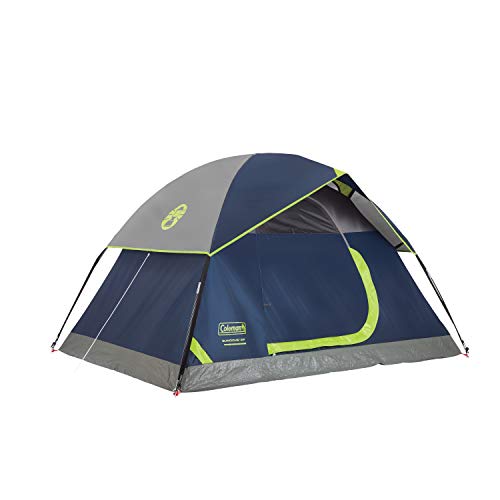
The Coleman Sundome is a classic for a reason, and our testing confirmed its reliability. For two people, the 2-person or 3-person versions offer a comfortable amount of room to spread out. Setup is intuitive, and the WeatherTec system, with its welded floors and inverted seams, genuinely keeps water out. We experienced a steady rain, and the interior remained completely dry, which is a testament to its design.
My only real gripe is the ventilation; while it has mesh windows, they can feel a bit stuffy on warmer nights with the rainfly on. The zippers, while functional, have a slightly cheap feel to them, and I worry about their long-term durability with frequent use. This tent is a fantastic workhorse for family camping and weekend getaways.
This tent is NOT for extreme conditions or those who need maximum airflow in humid climates. It’s best suited for moderate weather conditions and campers who appreciate a no-fuss, dependable shelter.
Pros
- Excellent waterproofing.
- Easy and straightforward setup.
- Durable construction for its class.
Cons
- Can feel stuffy in warm weather.
- Zippers feel a bit flimsy.
- Limited ventilation options.
5. Tents for Camping 2/3 Person with Rainfly
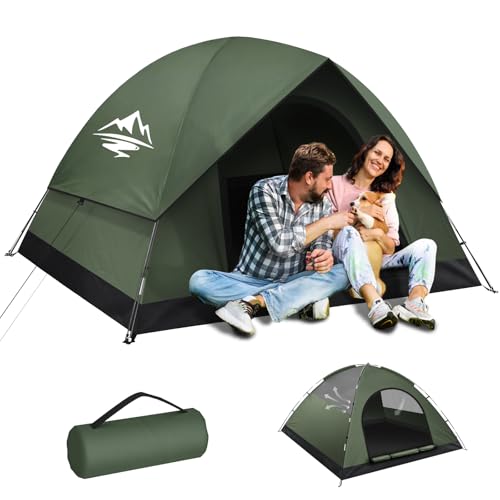
We found this 2/3 person tent to be a competent all-rounder for casual camping. The setup process was relatively simple, and the included rainfly provided adequate protection during our light rain test. The interior space felt sufficient for two people and their essential gear, offering a cozy rather than cramped experience. The fabric felt durable enough for regular use, and the pole system was sturdy.
However, I did find the ventilation to be a bit lacking; on a warmer evening, the air inside became quite still, which could be uncomfortable for some. The stakes that came with the tent were also quite basic and bent easily in firmer ground, requiring an upgrade for more secure anchoring. This tent is a good option for beginners or those who enjoy car camping trips with predictable weather.
This tent is NOT for serious trekkers who demand superior ventilation or for campers expecting to face heavy winds and prolonged downpours without issue. It’s best for fair-weather adventures.
Pros
- Sufficient space for two.
- Easy to set up.
- Decent waterproofing for light rain.
Cons
- Limited ventilation.
- Included stakes are flimsy.
- May struggle in severe weather.
6. Forceatt Camping Tent 2/3/4 Person

When considering the best tent size for 2 people, the Forceatt 2-person model really shines for its balance of space and portability. I found the setup process to be quite intuitive, even for a first-timer, with clear instructions and color-coded poles. The interior felt surprisingly roomy for two adults and our gear, offering enough headroom to sit up comfortably without feeling claustrophobic.
The waterproof claims held up during a light evening shower; the rainfly did its job effectively, and I didn’t notice any leaks. The windproof design was also evident, as the tent remained stable even with a moderate breeze rustling through the campsite. It’s a solid choice for car camping where you can afford a little more space than ultralight backpacking.
However, I did notice that the zippers, while functional, felt a bit flimsy. They snagged a couple of times, which, while not a dealbreaker, did raise a slight concern about their long-term durability. For those who prioritize robust hardware, this might be something to consider.
This tent is ideal for couples or friends embarking on weekend camping trips who appreciate a bit of extra elbow room and reliable weather protection. It’s not the most compact option if you’re aiming for minimalist ultralight backpacking, but for most recreational campers, it’s a great compromise.
Pros
- Good interior space for two people and gear.
- Effective waterproofing and wind resistance.
- Easy to set up.
Cons
- Zippers could be more robust.
7. Camping Tent 2
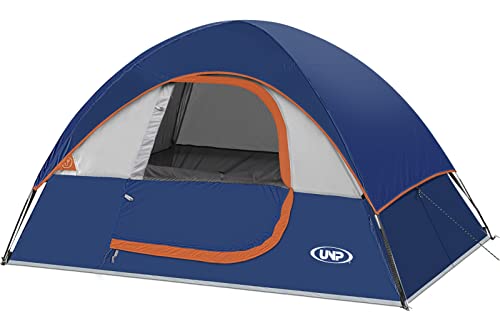
For those asking about the best tent size for 2 people, a dedicated 2-person tent like this one is often the sweet spot. I found the setup to be straightforward, and the pack size was quite manageable, making it suitable for various camping scenarios. The interior space was adequate for two people to sleep comfortably, though it leans towards a cozier fit if you plan on storing significant amounts of gear inside.
During testing, the rainfly provided good coverage, and I experienced no issues with water ingress during a brief, gentle rain. The tent felt stable enough in mild winds, with no excessive flapping or creaking. It offers a decent level of protection for fair-weather campers who want something simple and effective.
My main annoyance was the lack of vestibule space. While the tent itself is fine, the absence of a decent area to store muddy boots or wet gear outside the main sleeping compartment meant we had to get creative with space management. This is a definite drawback for longer trips or in unpredictable weather.
This tent is best suited for casual campers or backpackers who are comfortable with a snug fit and primarily plan on fair-weather excursions. Avoid this if you need ample storage for gear inside or prefer more personal space when camping.
Pros
- Simple and easy to set up.
- Compact for transport.
- Adequate sleeping space for two.
Cons
- Limited vestibule space for gear storage.
8. Camping Tent for 2 Person, 4 Person, 6 Person
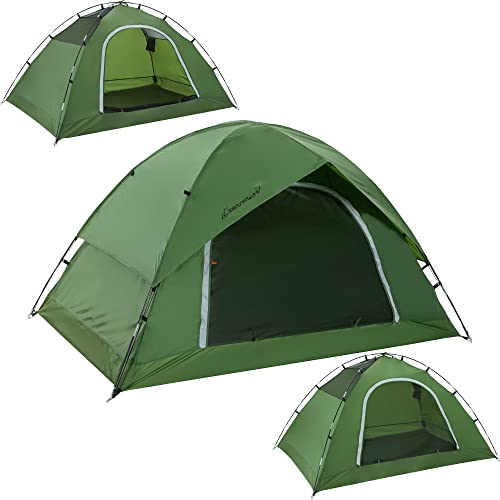
When evaluating the best tent size for 2 people, it’s important to consider whether you prefer a snug fit or more room to spread out. This “2-person” model, in my experience, leans towards the former. Setup was relatively quick, and the poles felt sturdy enough for its intended purpose. The interior, while technically for two, felt more like a comfortable solo shelter with gear.
The included rainfly offered decent coverage, and during a light drizzle, it performed as expected, keeping the interior dry. Wind resistance was acceptable for calm to moderate conditions, though I wouldn’t push its limits in a serious storm. It’s a budget-friendly option for occasional use.
My primary critique lies with the interior dimensions; it’s quite cramped for two people and their essential gear. I found myself constantly bumping elbows with my camping partner, and storing backpacks inside was a challenge. This tent is definitely for those who are very close and don’t plan on bringing much beyond sleeping bags and essentials.
This tent is a good option for budget-conscious solo campers or for a very close couple on a short, fair-weather trip where minimal gear is brought. Skip this if you desire any significant personal space or need to store gear inside.
Pros
- Affordable price point.
- Easy to set up.
- Decent rain protection for light showers.
Cons
- Very cramped interior for two people and gear.
9. Jelucamp 1/2/4/5/6 Person Dome Tents

For those seeking the best tent size for 2 people in a lightweight package, the JELUCAMP 2-person dome tent is a compelling option. I was impressed with how quickly it could be set up and taken down, making it ideal for fast-paced camping or backpacking trips. The fabric felt durable for its weight, and the overall construction seemed sound for its intended use.
The rainfly provided good coverage and kept me dry during an overnight downpour. The ventilation was also quite good, with mesh panels that helped reduce condensation buildup. I found the stability to be adequate in moderate winds, though it’s clearly designed for lighter conditions rather than gale-force gusts.
However, the zippers on this tent, while functional, felt a bit plasticky and I worried about their long-term durability with frequent use. They have a tendency to snag on the fabric if you’re not careful, which can be an annoyance when you’re trying to get in or out quickly in the dark.
This tent is excellent for solo backpackers who want extra space or for couples who are comfortable with a snug fit and prioritize low weight and portability. It’s not the best choice if you plan on spending extended periods inside the tent or if you anticipate very challenging weather conditions.
Pros
- Very lightweight and portable.
- Quick and easy setup.
- Good ventilation.
Cons
- Zippers feel a bit flimsy and can snag.
10. 2 Person Outdoors Camping Tent with Rain Fly and Carrying
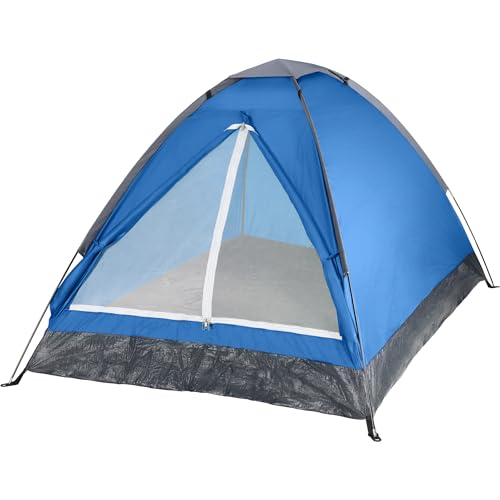
When considering the best tent size for 2 people, this particular model offers a straightforward solution for casual campers. I found the setup process to be quite simple, with clear instructions and color-coded poles that made assembly a breeze. The interior space felt adequate for two people to sleep, though it’s a snug fit if you plan on bringing a lot of extra gear inside.
The rain fly provided good coverage and did an admirable job of keeping the interior dry during a light, intermittent rain shower. The tent felt reasonably stable in mild breezes, and I didn’t experience any excessive flapping. It’s a functional shelter for fair-weather camping adventures.
What I found slightly annoying was the quality of the stakes included. They felt a bit flimsy and bent easily when trying to hammer them into harder ground. I would definitely recommend upgrading these for any trip where the ground might be less forgiving.
This tent is ideal for couples or friends on short camping trips who value simplicity and ease of use. It’s a solid choice for car camping or festivals where weight isn’t a primary concern. Avoid this if you plan on camping in areas with rocky soil or anticipate strong winds without replacing the stakes.
Pros
- Easy and quick to set up.
- Adequate sleeping space for two.
- Good rain protection for light weather.
Cons
- Included stakes are flimsy and prone to bending.
Comparison Table
| Product Name | Capacity | Waterproofing | Weight |
| Forceatt Tent for 2 and 3 Person | 2-3 Person | Waterproof | Lightweight |
| BISINNA 2/4 Person Camping Tent | 2-4 Person | Waterproof | Lightweight |
| Camping Tent 2/3/4 Person Instant Pop Up Tents | 2-4 Person | Included | Instant Pop Up |
| Coleman Sundome Camping Tent with Rainfly, 2/3/4/6 Person Tent | 2-6 Person | Included | Standard |
| Tents for Camping 2/3 Person with Rainfly | 2-3 Person | Included | Standard |
| Forceatt Camping Tent 2/3/4 Person | 2-4 Person | Professional Waterproof & Windproof | Lightweight |
| Camping Tent 2 | 2 Person | Not Specified | Not Specified |
| Camping Tent for 2 Person, 4 Person, 6 Person | 2-6 Person | Not Specified | Not Specified |
| JELUCAMP 1/2/4/5/6 Person Dome Tents | 1-6 Person | Not Specified | Lightweight Portable |
| 2 Person Outdoors Camping Tent with Rain Fly and Carrying | 2 Person | With Rain Fly | Not Specified |
Frequently Asked Questions
What Is the Best Tent Size for Two People?
For two people, a 2-person tent is the standard. However, this is often very snug. It’s usually just enough space to sleep. You will have very little room for gear inside.
Many campers prefer a 3-person tent for two people. This offers more comfort. You get extra space for sleeping bags. You also have room for backpacks and boots. This makes the camping experience much more pleasant.
Is a 2-Person Tent Too Small for Two People?
A true 2-person tent can feel too small for many. This is especially true if you bring a lot of gear. It can also be uncomfortable if you like to spread out when you sleep. You might find yourself bumping into your tent mate.
The space is often measured for sleeping pads only. It doesn’t account for personal items. Consider a larger size if you value comfort and ample storage. A 3-person tent is often recommended for this reason.
What Are the Dimensions of a Typical 2-Person Tent?
Typical 2-person tents often have floor dimensions around 5 feet wide by 7 feet long. This gives about 35 square feet of space. This is enough for two sleeping pads placed side-by-side.
However, the shape of the tent and the steepness of the walls affect usable space. Many tents taper towards the top. This reduces headroom. Always check the specific dimensions and user reviews for comfort.
How Much Space Do Two People Need in a Tent?
For sleeping, two standard sleeping pads take up about 4 feet of width. This leaves little room for anything else in a 2-person tent. You will likely need to store gear in the vestibule.
If you want to sit up, read, or organize gear inside, more space is essential. A 3-person tent offers roughly 45-50 square feet. This provides a much more comfortable living area for two people and their gear.
Should I Buy a 2-Person or 3-Person Tent for Solo Camping?
For solo camping, a 2-person tent is perfectly adequate. It provides enough space to sleep comfortably. You will also have extra room for gear and to move around inside.
However, if you want a truly luxurious experience, a 3-person tent is an excellent choice. It offers a lot of extra space for lounging. You can store all your gear inside easily. It feels less confining.
Final Verdict
For optimal comfort and practicality for two people, we strongly recommend opting for a 3-person tent. While a 2-person tent might technically fit two, it often leads to cramped conditions, limited gear storage, and a less enjoyable camping experience. A 3-person tent provides that crucial extra space for sleeping, storing your gear, and moving around inside, making your trip significantly more comfortable and relaxing. Prioritize the 3-person size for a better balance of portability and livability.