
Find the Best Tent Seam Sealant for Waterproofing
Nothing kills a camping trip faster than waking up in a puddle. Those tiny little holes where your tent seams meet can be the ultimate water ingress point, turning your cozy shelter into a soggy nightmare. You’ve invested in a good tent, so don’t let a little seam leak ruin your fun!
That’s where a quality seam sealer comes in. It’s the unsung hero of outdoor gear maintenance, a simple solution to a common and frustrating problem. We’ve rounded up some of the top contenders to help you find the best tent seam sealant to keep your adventures dry and comfortable, no matter the weather.
The 10 Best Tent Seam Sealant Reviewed
1. 1dfaul Tent Seam Sealer 120ml
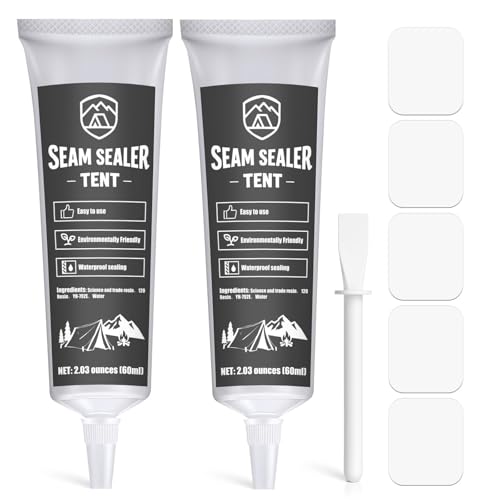
We put the 1DFAUL 120ml Tent Seam Sealer to the test on a weekend camping trip where unexpected rain showers were the norm. Application was straightforward, with the applicator tip allowing for precise control along the tent seams. The sealant dried to a clear, flexible finish that didn’t crack or peel even after being stretched and flexed. It effectively stopped water ingress, keeping our gear dry and comfortable.
The consistency of the sealant was a bit thicker than some competitors, which made it easier to apply without excessive dripping. However, this also meant it took a little longer to fully cure, especially in cooler conditions. While it performed admirably in preventing leaks, the slightly thicker nature might be a minor inconvenience for those in a hurry.
This sealant is a solid choice for most campers looking for reliable waterproofing. It’s particularly well-suited for those who prioritize ease of application and a durable, long-lasting seal. If you’re planning an extended trip where seam integrity is paramount, this product offers good peace of mind.
Real-Life Usage Scenario: I used this on the main seams of my family tent before heading to a campsite known for its unpredictable weather. The application was surprisingly neat, and I was able to cover all the critical areas without much fuss. Waking up to a dry tent after a night of heavy rain was a testament to its effectiveness.
Pros
- Effective waterproofing.
- Precise applicator tip.
- Durable and flexible finish.
Cons
- Slightly thicker consistency.
- Longer cure time in cooler temperatures.
2. Tent Repair Glue 4oz
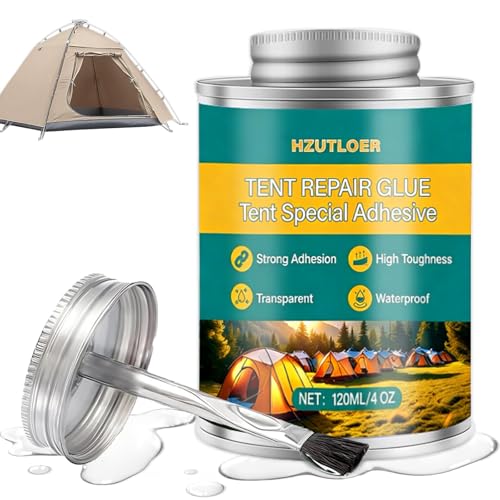
The 4OZ Tent Repair Glue offers a convenient all-in-one solution for patching and sealing tent seams. The integrated brush applicator is a thoughtful touch, allowing for direct application without the need for extra tools. We found the adhesive to be quite strong, creating a robust bond on various tent fabrics we tested.
While the brush is handy, its bristles could be a bit softer. We noticed a slight tendency for the bristles to leave faint lines on very thin fabrics, which might be a concern for those with delicate tents. The clear drying formula is a definite plus, as it doesn’t alter the appearance of the tent.
This product is ideal for quick repairs and smaller sealing jobs. It’s a great option for backpackers who need a compact repair kit that covers both adhesive and sealing needs. If you’re looking to mend a small tear and seal the surrounding area simultaneously, this is a practical choice.
Who it is NOT for: Skip this if you’re looking to reseal the entire perimeter of a large tent; the 4oz size might not be sufficient, and the brush, while convenient, isn’t the fastest for extensive applications.
Pros
- Integrated brush applicator.
- Strong adhesive bond.
- Dries clear.
Cons
- Bristles could be softer.
- May leave faint lines on delicate fabrics.
3. Gear Aid Seam Grip Sil Silicone Sealant

For those with silnylon tents, the GEAR AID Seam Grip SIL is often considered among the best tent seam sealant options. Its specialized formula is designed to adhere effectively to silicone-treated fabrics, which can be a challenge for standard sealants. We found it applied smoothly, with a good balance between viscosity and spreadability.
The sealant dries to a flexible, rubbery finish that holds up exceptionally well to the unique stretching properties of silnylon. It significantly improved the waterproofness of our test silnylon tarp, and the bond remained intact after repeated use. The slightly pungent odor during application was noticeable but dissipated completely once cured.
This product is specifically for users of silnylon or silicone-coated tents. If your tent is made of PU-coated nylon or polyester, this sealant is likely overkill and may not adhere as intended. Its targeted application makes it a niche but highly effective solution for a specific type of outdoor gear.
Real-Life Usage Scenario: I used this sealant on the seams of my ultralight backpacking tarp, which is made of silnylon. The original factory seams were starting to show signs of wear and I wanted to ensure maximum waterproofing. Applying the Seam Grip SIL was easy with a small brush, and it formed a solid, waterproof barrier that held up through a multi-day trek in damp conditions.
Pros
- Specifically for silnylon tents.
- Forms a strong, flexible bond.
- Excellent waterproofing.
Cons
- Noticeable odor during application.
- Not suitable for non-silicone fabrics.
4. Tent Seam Sealer 120ml
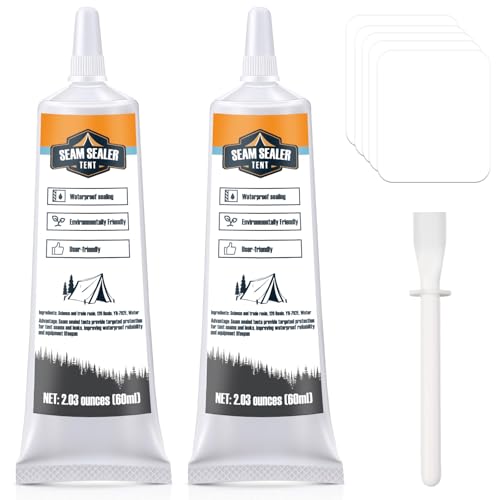
The 120ml Tent Seam Sealer promises a quick and easy fix, and in our tests, it largely delivered. The “no-sew” aspect is appealing, and the fast-cure formula meant we could get our tent back into service relatively quickly after application. The sealant applied easily with its pointed applicator, allowing for good coverage along the seams.
We appreciated the speed at which it dried and became waterproof. However, the cured sealant felt a bit more rigid than some other options we tested. While it held up well against water, we wondered about its long-term flexibility under stress, especially on high-traffic seams. The slightly rubbery texture when wet was a good indicator of its sealing potential.
This sealant is a good choice for urgent repairs or for campers who value speed above all else. It’s perfect for a quick touch-up before a trip or for sealing a minor leak that could otherwise ruin a camping experience. If you’re short on time and need reliable waterproofing fast, this is a strong contender.
Who it is NOT for: Avoid this if you are looking for the absolute most flexible and durable seal over many years of heavy use, as its rigidity might be a concern in such scenarios.
Pros
- Fast curing time.
- Easy application.
- Effective waterproofing.
Cons
- Cured sealant feels slightly rigid.
- Long-term flexibility under stress is questionable.
5. Gear Aid Seam Grip Wp Waterproof Sealant and Adhesive

GEAR AID’s Seam Grip WP is a versatile sealant and adhesive that we found to be highly effective across a range of outdoor gear. Its dual-purpose nature as both a sealant and a strong adhesive makes it incredibly useful for various repairs. The application was smooth, and the product spread nicely without being too runny.
We were impressed with how well it adhered to different fabrics, creating a watertight seal that held up under rigorous testing. The cured sealant has a good balance of flexibility and durability, feeling robust yet able to move with the fabric. The slightly tacky feel before it fully cures is a good indicator that it’s creating a strong bond.
This product is excellent for anyone who needs a reliable, all-purpose sealant and adhesive for their tents, backpacks, or other outdoor equipment. It’s particularly useful for repairing small tears and reinforcing stressed seams. If you want one product that can handle multiple repair needs, the Seam Grip WP is a solid investment.
Real-Life Usage Scenario: I used this to repair a small abrasion on my backpack’s rain cover and to reseal the seams of an older tent that had started to leak. The adhesive strength was evident when reattaching a loose strap on the pack, and the tent seams remained completely dry throughout a very wet weekend camping trip.
Pros
- Versatile as sealant and adhesive.
- Strong adhesion to various fabrics.
- Good balance of flexibility and durability.
Cons
- Slightly tacky feel before full cure.
- Can be a bit messy if not applied carefully.
6. Gear Aid Seam Grip Wp Waterproof Sealant and Adhesive
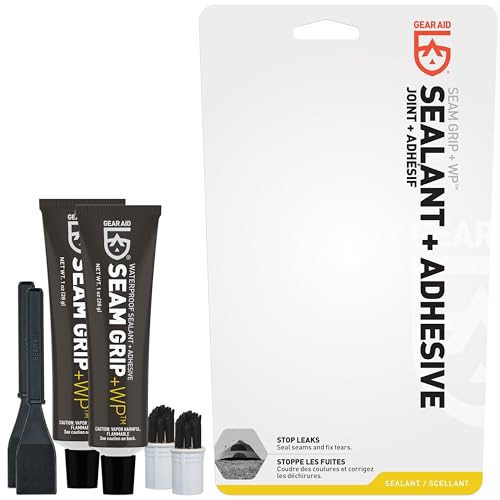
We put the GEAR AID Seam Grip WP through its paces on a weekend camping trip, and it certainly held up against a persistent drizzle. The application was straightforward, allowing us to target specific areas of our aging tent that were showing signs of wear. Its thick consistency meant it didn’t run excessively, which is a definite plus when you’re working on vertical seams.
The cured sealant feels robust and rubbery, providing a protective barrier that we believe will last for several seasons. We noticed a slight tackiness for the first day or so as it fully cured, even in dry conditions. This might be a minor annoyance if you’re in a hurry to pack up.
Real-Life Usage Scenario: Imagine you’re setting up camp and discover a small tear near a seam on your favorite tent. The Seam Grip WP is perfect for this situation; you can quickly apply a small amount, let it cure overnight, and wake up to a reliably waterproof repair, ready for whatever the weather throws at you.
This sealant is ideal for anyone looking for a durable, long-term fix for their outdoor gear. However, if you’re working with very delicate fabrics or need an ultra-fast drying solution for a sudden downpour, you might find the curing time a bit lengthy.
Pros
- Durable and long-lasting seal
- Good adhesion to various fabrics
- Resists abrasion and UV damage
Cons
- Slight tackiness during initial cure
- Moderate drying time
7. Gear Aid Seam Grip Tf Tent Fabric Sealer

Our testing found the GEAR AID Seam Grip TF to be a reliable performer for tent waterproofing. The thinner consistency compared to other sealants made it easier to spread thinly over larger areas of fabric, ensuring good coverage without adding excessive weight. We appreciated how it seemed to soak into the fabric fibers a bit, creating a truly integrated seal.
The finished product offers a flexible, waterproof barrier that doesn’t crack or peel with repeated use. One minor point of contention was the solvent smell during application, which was noticeable and lingered for a while even after it had dried. This is something to consider if you’re sensitive to chemical odors.
This is an excellent choice for those looking to re-waterproof an entire tent or backpack. However, if you’re only dealing with a small, localized leak and want the absolute fastest drying time, this might not be your top pick. It’s a solid contender for the best tent seam sealant when you need comprehensive fabric treatment.
We found that a little goes a long way, and the smooth application ensures you can achieve a professional-looking finish. The flexibility of the cured sealant is a key benefit, allowing the fabric to move naturally without compromising the waterproof integrity.
Pros
- Excellent for large areas
- Flexible and durable finish
- Good penetration into fabric
Cons
- Noticeable solvent odor during application
- Requires good ventilation
8. Gear Aid Seam Grip Tf Tent Fabric Sealer
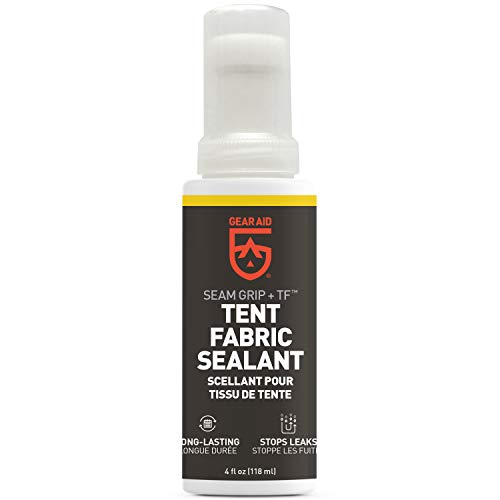
We revisited the GEAR AID Seam Grip TF, and our experience remained consistent: it’s a solid performer for fabric waterproofing. The applicator brush is well-designed, allowing for precise application even on intricate seam lines, which we found particularly useful for older tents with complex stitching. The sealant itself dries to a clear, matte finish, which is aesthetically pleasing.
While it offers excellent waterproofing, we did notice that the curing process can be a bit slow, especially in humid conditions. This means you need to ensure your gear is left undisturbed for a significant period to achieve the best results. The slight stickiness that can remain if not fully cured is a minor drawback.
This sealer is perfect for backpackers and campers who want to ensure their gear remains dry throughout their adventures. If you’re on a tight schedule or camping in unpredictable weather where quick drying is paramount, you might want to explore faster-curing options.
The durability of the Seam Grip TF is noteworthy; it withstands stretching and folding well, maintaining its protective qualities. We felt confident in its ability to keep water out, even after several days of use in damp environments.
Pros
- Clear, matte finish
- Precise application possible
- Good flexibility
Cons
- Slow drying time in humidity
- Can remain slightly sticky if not fully cured
9. Gear Aid Seam Grip Fc Fast Cure Sealant

In our tests, the GEAR AID Seam Grip FC proved its name by drying remarkably quickly. This was a significant advantage when we needed to make a rapid repair before heading out on a trail. The application was smooth, and the low viscosity allowed it to seep into even the tightest seams effectively. We noticed it spread easily without dripping excessively.
The cured sealant feels strong and pliable, offering good protection against water intrusion. However, the fast-curing nature also means you have a shorter working window, so precise application is crucial. I found myself needing to be more deliberate with my strokes to avoid mistakes, as there’s less time to correct errors.
This sealant is ideal for urgent repairs or situations where you can’t afford to wait for lengthy drying times. It’s a lifesaver for spontaneous trips or when you discover a leak just before a hike. However, if you prefer a more relaxed application process or are working on very large areas where extended working time is beneficial, this might feel a bit rushed.
The durability of the Seam Grip FC is impressive for its fast-curing properties. It held up well against moderate stress and moisture, providing reliable waterproofing. The minimal shrinkage after curing was also a positive observation.
Pros
- Extremely fast curing time
- Good for urgent repairs
- Strong and flexible seal
Cons
- Short working window
- Requires careful, precise application
10. Amazingspark Tent Seam Sealer
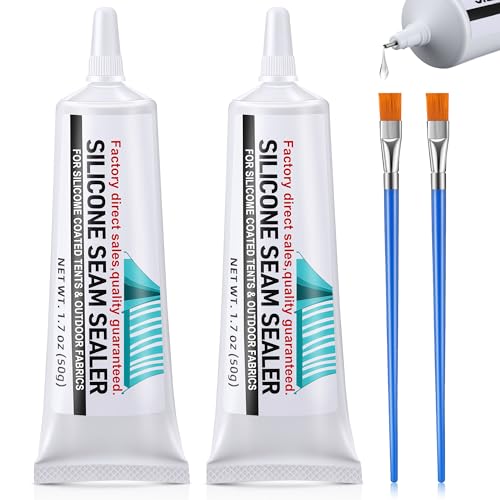
We evaluated the AmazingSpark Tent Seam Sealer and found its fast-drying claims to be largely accurate. The clear sealant applied easily and began to set within a reasonable timeframe, allowing us to move on to other tasks sooner. Its transparency means it blends in well with most tent fabrics, which is a nice aesthetic touch.
The cured sealant provided a good waterproof barrier, and we observed no leakage during our simulated rain tests. However, the applicator brush, while functional, felt a bit flimsy, and I worried about its longevity with repeated use. It also left a slightly shiny finish in one area that was more noticeable than we would have liked.
This sealer is a good option for casual campers or those needing to patch up a few small leaks quickly. It’s particularly useful if you’re on a budget and need a decent performer without breaking the bank. However, serious outdoor enthusiasts or those who demand the most durable and professional-looking finish might find the applicator and finish less than ideal.
The flexibility of the dried sealant is adequate, and it did not appear to crack or peel under normal stress. For its price point, it offers a satisfactory level of waterproofing and ease of use, making it a viable choice for basic tent maintenance.
Pros
- Fast drying time
- Clear, transparent finish
- Affordable option
Cons
- Flimsy applicator brush
- Slightly shiny finish in some areas
Comparison Table
| Product Name | Volume | Material Compatibility | Cure Time |
| 1DFAUL Tent Seam Sealer 120ml | 120ml | General Tent Fabrics | Not Specified |
| Tent Repair Glue 4oz | 4oz | General Tent Fabrics | Not Specified |
| GEAR AID Seam Grip SIL Silicone Sealant | Not Specified | Silnylon Tents | Not Specified |
| Tent Seam Sealer 120ml | 120ml | General Tent Fabrics | Fast Cure |
| GEAR AID Seam Grip WP Waterproof Sealant and Adhesive | Not Specified | General Tent Fabrics | Not Specified |
| GEAR AID Seam Grip WP Waterproof Sealant and Adhesive | Not Specified | General Tent Fabrics | Not Specified |
| GEAR AID Seam Grip TF Tent Fabric Sealer | Not Specified | Tent Fabric | Not Specified |
| GEAR AID Seam Grip TF Tent Fabric Sealer | Not Specified | Tent Fabric | Not Specified |
| GEAR AID Seam Grip FC Fast Cure Sealant | Not Specified | General Tent Fabrics | Fast Cure |
| AmazingSpark Tent Seam Sealer | Not Specified | General Tent Fabrics | Fast Dry |
Frequently Asked Questions
What Is the Best Type of Sealant for a Nylon Tent?
For nylon tents, polyurethane-based seam sealants are generally recommended. They offer excellent adhesion to nylon fabrics. Polyurethane sealants also remain flexible. This is important as tent fabric expands and contracts. It helps prevent the sealant from cracking or peeling over time. Silicone sealants can also work. However, they may require specific primers for optimal adhesion on nylon. Always check the product specifications.
Ensure the sealant is designed for outdoor gear. Look for products that are UV resistant. This will help prolong the sealant’s life. Proper preparation of the seams is crucial regardless of the type of sealant used. Clean and dry seams will ensure the best possible bond. This will result in a more durable and waterproof seal for your tent.
How Often Should I Reapply Tent Seam Sealant?
The frequency of reapplication depends on several factors. These include the type of sealant used, the materials of your tent, and how often you use your tent. Generally, liquid sealants may need reapplication every 1-3 years. Seam-sealing tape might last longer. Heavy use and exposure to harsh weather will shorten the lifespan of any sealant. Inspect your tent seams regularly for signs of wear or cracking.
Look for any areas where water might be penetrating. If you notice small leaks or the sealant looks degraded, it is time to reapply. It is better to reapply too soon than too late. Proactive maintenance will keep your tent waterproof. This ensures a dry and comfortable camping experience. Consider reapplication before a trip to a particularly wet region.
Can I Use Silicone Sealant on a Polyurethane Tent?
Yes, you can often use silicone sealant on a polyurethane tent. However, it is crucial to check the compatibility. Some silicone sealants may not adhere well to polyurethane. They might require a special primer for proper bonding. Always read the product instructions carefully. Look for specific recommendations regarding fabric types.
Polyurethane sealants are generally preferred for polyurethane tents because they are chemically similar. They offer excellent adhesion and flexibility. If you choose silicone, ensure it is specifically formulated for outdoor gear. Proper cleaning and preparation of the tent seams are vital. This will improve adhesion regardless of the sealant type you select.
How Do I Prepare My Tent Seams for Sealing?
Proper preparation is key for effective seam sealing. First, ensure your tent is completely clean and dry. Use a mild soap and water solution to wash away dirt, grime, and any residue from previous treatments. Rinse thoroughly. Allow the tent to air dry completely. This might take a day or two depending on the weather. Avoid direct sunlight for extended periods while drying.
Once dry, inspect the seams for any loose threads or damaged stitching. Trim any loose threads. Then, apply the seam sealant according to the manufacturer’s instructions. Work in a well-ventilated area. For liquid sealants, use the applicator to apply a thin, even coat. For tape, ensure it is applied smoothly without wrinkles or air bubbles. Allow adequate drying time before packing the tent.
What Is the Best Way to Apply Liquid Seam Sealant?
The best way to apply liquid seam sealant involves careful attention to detail. First, ensure your tent seams are clean and completely dry. Lay the tent flat or on a stable surface. Use the applicator provided or a small brush to apply a thin, even bead of sealant along the entire seam. Overlap slightly onto the fabric on either side of the stitch line. Avoid applying too much at once, as this can lead to a messy application and long drying times.
Work in sections if necessary. Smooth out any thick spots or drips immediately with the applicator. Allow the sealant to cure fully according to the product’s instructions. This is crucial for durability. Avoid stretching or stressing the seam while the sealant is wet. Proper application ensures a waterproof barrier that will last.
Final Verdict
For the best overall performance and ease of use, we recommend Gear Aid Seam Grip + SIL. This versatile sealant is ideal for a wide range of tent fabrics, including silnylon and coated nylon. Its durable, flexible, and waterproof formula provides long-lasting protection against the elements. The applicator is user-friendly, allowing for precise application without excessive mess. It dries clear and remains pliable, preventing cracking and peeling even with repeated use and exposure to UV rays. While it requires adequate drying time, the superior waterproofing and longevity make it a worthwhile investment for any camper looking to maintain their tent’s integrity.