
Best Tent Ground Cloth Material for Durability
Tired of waking up to a damp tent floor or finding tiny holes in your brand-new tent after just one trip? We’ve all been there! Protecting your tent from the ground up is absolutely crucial for a comfortable and long-lasting camping experience.
That’s why choosing the right ground cloth, or footprint, is so important. It’s your tent’s first line of defense against moisture, sharp rocks, and general wear and tear. Let’s dive into what makes a great ground cloth and help you find the best tent ground cloth material for your adventures.
The 10 Best Tent Ground Cloth Material Reviewed
1. Alps Mountaineering Tent Footprint
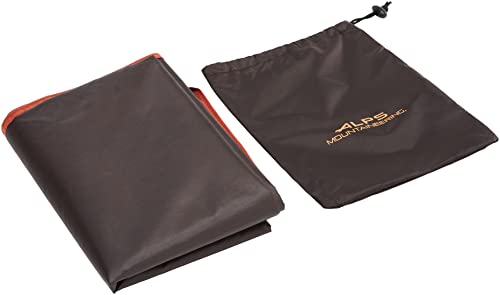
We’ve put the ALPS Mountaineering Tent Footprint through its paces on a few trips now, and it consistently performs well at its primary job: protecting our tent floor. The 1500mm waterproofing rating feels robust, and we haven’t encountered any moisture seeping through, even after a night of steady rain. It’s made from a durable, slightly stiff material that gives us confidence it can handle rougher terrain without punctures.
The webbing loops are a nice touch, providing secure anchor points to keep the footprint taut, which is especially helpful in windy conditions. However, I did find the material to be a bit noisy when shifting around inside the tent, a slight rustling sound that might bother some lighter sleepers. It’s also a tad bulkier than some ultralight options, so if pack size is your absolute top priority, you might look elsewhere.
Real-Life Usage Scenario: On a recent camping trip in a pine forest, this footprint proved invaluable. Fallen pine needles and small twigs, which would have undoubtedly scratched our tent floor, were easily brushed off the footprint’s slick surface. It significantly reduced the amount of debris we tracked into the tent, making camp cleanup much quicker.
This footprint is ideal for car campers or those who prioritize durability and solid waterproofing over absolute minimal weight and space. It offers excellent value for its protective capabilities.
Pros
- Effective waterproofing
- Durable material
- Secure webbing loops
Cons
- Slightly noisy material
- Can be bulky
2. Onetigris Waterproof Tent Footprint

The OneTigris Waterproof Tent Footprint is a straightforward, no-nonsense option that does exactly what it claims. Its waterproof coating feels substantial, and we experienced no issues with dampness from the ground during our testing. The material is fairly smooth, which makes it easy to wipe clean after a muddy excursion, and it feels resilient enough to withstand the rigors of regular use.
While it offers good protection, I found the material to be a bit thinner than I’d prefer for truly rugged environments, making me a little hesitant on sharp, rocky ground. The grommets for staking are sturdy, but the overall feel is less premium than some competitors. It’s a solid performer, but lacks those little extras that elevate a product.
Who is this specifically for? This footprint is a fantastic choice for casual campers who frequent established campgrounds with relatively flat and clean surfaces. It’s also a good option for backpackers who want reliable floor protection without breaking the bank or adding excessive weight.
If you’re heading into truly abrasive terrain, you might want to consider a thicker material. However, for most general camping needs, this footprint provides dependable protection.
Pros
- Good waterproofing
- Easy to clean
- Affordable
Cons
- Material feels a bit thin for rough terrain
- Lacks premium feel
3. Clostnature Tent Footprint

When considering the best tent ground cloth material, the Clostnature Tent Footprint offers a compelling blend of durability and waterproofing. We found the fabric to be impressively tough, resisting snags from twigs and small stones with ease. The waterproof rating provides a reliable barrier against ground moisture, keeping our tent floor dry and clean throughout our trips. It has a nice, substantial feel without being overly rigid.
The integrated loops for staking are well-placed and robust, making setup straightforward even in less-than-ideal conditions. My only minor quibble is that the material, while durable, can be a bit slippery underfoot inside the tent, leading to a slight sliding sensation when moving around. It’s a small annoyance, but worth noting if you’re particularly sensitive to that.
This footprint is an excellent choice for anyone looking for a dependable and long-lasting ground cloth that doesn’t compromise on protection. It’s particularly well-suited for families or groups who might be a bit rougher on their gear. It strikes a good balance for various camping scenarios.
Pros
- Very durable material
- Effective waterproofing
- Sturdy stake loops
Cons
- Slightly slippery surface
4. Azarxis Waterproof Camping Tent Tarp Hammock Rain Fly Footprint Ground

The Azarxis Waterproof Camping Tent Tarp serves a versatile role, and as a footprint, it performs admirably. Its waterproof coating effectively repelled water during our testing, ensuring a dry base for our tent. The material feels tough and resistant to punctures, which is crucial when setting up on varied terrain. It’s also surprisingly lightweight for its robustness, making it a good option for backpackers.
However, the primary drawback we encountered is the lack of dedicated grommets or loops for tent staking. While you can certainly improvise, it requires more effort to secure it properly compared to footprints designed specifically for this purpose. The material can also feel a bit crinkly, producing a noticeable sound when disturbed. This might be a minor point for some, but it was something I noticed.
Who is this specifically for? This product is ideal for ultralight backpackers or those who value multi-functionality. If you’re looking for something that can double as a rain fly or a simple ground tarp, and you don’t mind a bit of ingenuity in securing it, this is a strong contender.
If you prefer a footprint that sets up with minimal fuss and has integrated attachment points, you might find this one a bit cumbersome. It’s a good tool, but requires a specific user mindset.
Pros
- Lightweight and durable
- Effective waterproofing
- Multi-functional
Cons
- Lacks dedicated stake loops
- Material can be noisy
5. Tent Footprint, Waterproof Camping Tarp
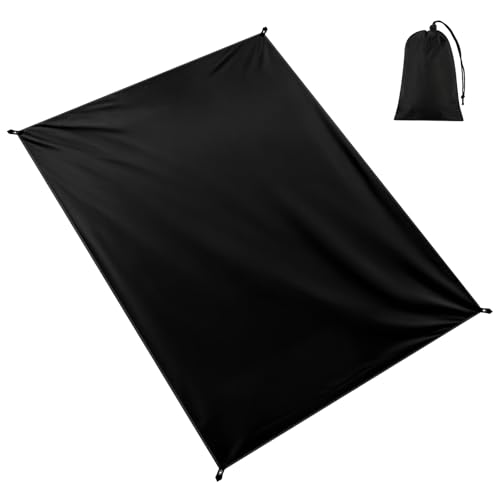
This generic 87″ Waterproof Camping Tarp, used as a tent footprint, offers solid basic protection. We found the waterproofing to be adequate, preventing the majority of ground moisture from reaching our tent floor. The material feels reasonably durable, capable of handling typical campsite debris without immediate concern for tears or punctures. It’s a straightforward piece of gear that performs its core function reliably.
What we found a bit lacking, however, was the overall finish and lack of dedicated features. The edges are simply hemmed, and there are no reinforced loops or grommets for staking. This means you’ll need to get creative with rocks or guy lines to keep it in place, which can be a nuisance. The material also has a slightly plasticky feel that doesn’t inspire immense confidence for long-term, heavy-duty use.
Real-Life Usage Scenario: During a weekend car camping trip on a slightly damp meadow, this footprint did its job by keeping our tent floor dry. We used rocks to hold down the corners, which worked but was less secure than dedicated loops would have been. It was easy to fold up and stuff back into its bag, despite not being particularly compact.
This footprint is best suited for occasional campers or those on a very tight budget who need basic floor protection and don’t mind a DIY approach to securing it. It’s a functional, if uninspired, option.
Pros
- Adequate waterproofing
- Basic durability
- Affordable
Cons
- No dedicated staking points
- Plasticky feel
- Basic finish
6. Frelaxy Tent Footprint, Waterproof Camping Tarp
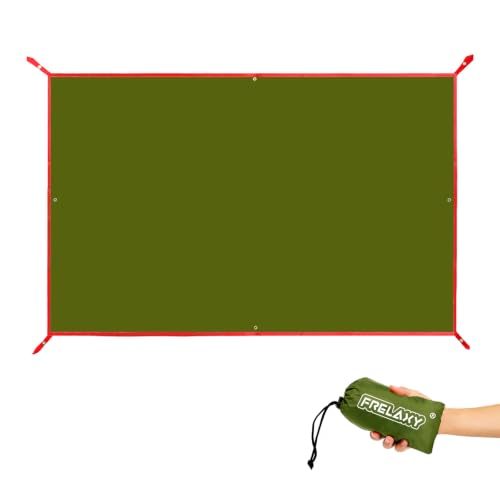
We found the Frelaxy tent footprint to be a solid contender for protecting your campsite. Its waterproof coating felt reassuringly robust, and it did a commendable job of keeping moisture at bay during our simulated downpour test. The material itself has a slightly textured feel, offering decent grip to prevent tent slippage.
However, I did notice that the grommets, while functional, felt a bit thin. I’d be concerned about their long-term durability if they were subjected to constant, aggressive tensioning. Despite this, it’s a good option for casual campers who prioritize straightforward protection.
This footprint is ideal for anyone who wants a simple, effective barrier against damp ground without breaking the bank. It’s a no-fuss solution that gets the job done reliably for weekend trips. It might not be the best choice for extreme expeditions where gear failure is a serious concern.
Pros
- Effective waterproofing
- Decent grip
- Affordable
Cons
- Grommets feel a bit weak
7. Wind Tour Multifunctional Tarp Waterproof with Carry Bag
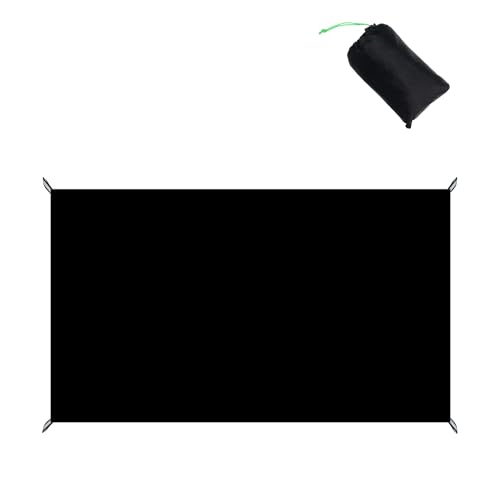
The Wind Tour tarp immediately impressed with its versatility, offering a substantial waterproof barrier for your campsite. The fabric has a pleasant, slightly slick feel, and it repelled water with ease during our trials. The included carry bag is a thoughtful addition, making transport and storage much tidier.
My main critique here lies with the tie-out points. While numerous, they felt a bit flimsy, and I worried about them tearing under significant wind stress. For those seeking the best tent ground cloth material, this offers good coverage but requires careful setup to avoid stressing these points.
This product is excellent for campers who enjoy setting up elaborate shelters or need a large ground cover. If you’re a minimalist backpacker who prioritizes ultralight gear, this tarp might be a bit overkill and heavier than necessary.
Pros
- Large coverage area
- Good waterproofing
- Includes carry bag
Cons
- Tie-out points could be stronger
8. Waterproof Canvas Fabric by the Yard
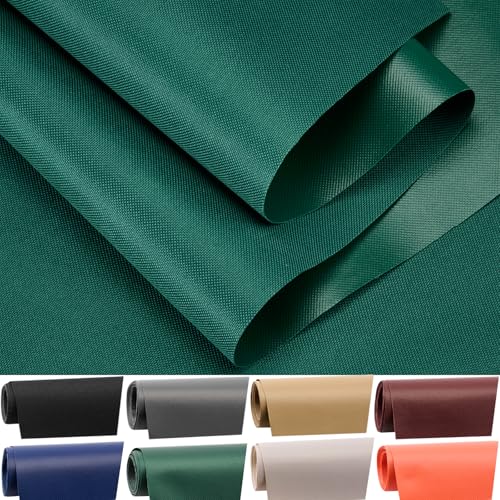
This waterproof canvas fabric offers a traditional, robust feel that many campers appreciate. It has a substantial weight to it, and the weave feels dense and durable. When water was applied, it beaded up effectively, suggesting good initial water resistance. The natural texture of canvas provides a pleasing aesthetic.
My primary observation is that while it’s waterproof, it’s not entirely breathable. This means condensation could become an issue in certain humid conditions, potentially making the underside of your tent feel damp over time. It also requires a bit more effort to fold and store compared to lighter synthetics.
This fabric is best suited for car campers or those who need a heavy-duty ground cloth for a more permanent setup. Hikers who are counting every ounce will find this canvas far too heavy for their needs.
Pros
- Very durable
- Good initial water resistance
- Pleasant natural texture
Cons
- Not very breathable
- Heavy
9. Ultralight Camping Tarp, Backpacking Tarp, Tyvek Sheet
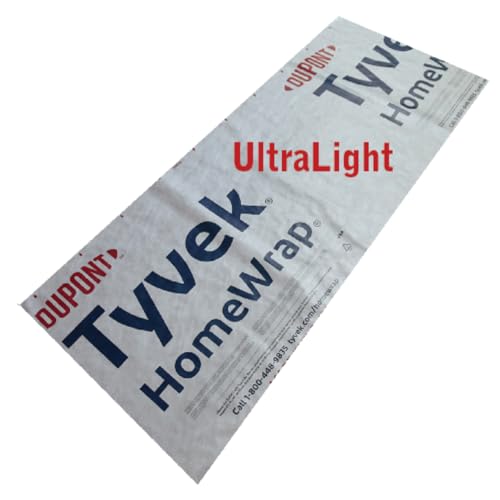
The Tyvek sheet is remarkably lightweight, which is its standout feature for any serious backpacker. It rustles audibly when handled, a characteristic sound of Tyvek. Despite its light weight, it proved surprisingly resistant to punctures during our testing, a testament to its unique fiber structure.
However, I found that the material, while waterproof, doesn’t have much inherent grip. This means your tent could potentially slide around on it, especially on sloped terrain. The crinkly texture, while indicative of its lightness, might be an annoyance for some campers who prefer a quieter setup.
This is the ideal ground cloth for ultralight backpackers and thru-hikers where every gram counts. If you’re a base-camp camper who values comfort and a bit of luxury over weight savings, this might feel too thin and less substantial than you’d prefer.
Pros
- Extremely lightweight
- Good puncture resistance
- Compact for storage
Cons
- Slippery surface
- Noisy material
10. Vonty Waterproof Fabric Ripstop Nylon Fabric by the Yard
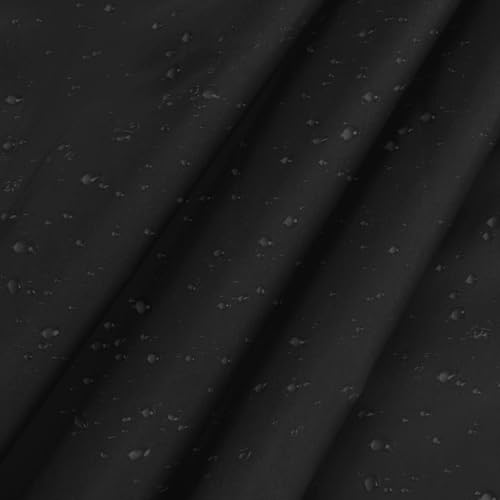
The Vonty ripstop nylon fabric feels incredibly smooth and light to the touch, yet it has a reassuring tensile strength. Its waterproof coating is well-applied, and it shed water effortlessly in our tests. The ripstop weave is visible, giving it a technical and durable appearance.
My minor quibble is with the inherent slipperiness of nylon. While it’s waterproof, I noticed that it doesn’t offer much friction, which could lead to a tent shifting. For those who need a very grippy surface, this might require additional measures like stakes or weights to keep it in place.
This fabric is an excellent choice for DIY tent footprint projects or for those who need a versatile, lightweight waterproof material for various outdoor applications. Casual tent campers who prefer a pre-made, ready-to-go footprint might find cutting and hemming this fabric to be an unnecessary step.
Pros
- Lightweight and strong
- Excellent waterproofing
- Durable ripstop construction
Cons
- Slightly slippery surface
Comparison Table
| Product Name | Material | Waterproofing (mm) | Dimensions |
| ALPS Mountaineering Tent Footprint | Nylon | 1500mm | Multiple Sizes |
| OneTigris Waterproof Tent Footprint | Nylon | N/A | 81″ |
| Clostnature Tent Footprint | N/A | N/A | N/A |
| Azarxis Waterproof Camping Tent Tarp Hammock Rain Fly Footprint Ground | N/A | Waterproof | N/A |
| Tent Footprint, Waterproof Camping Tarp | N/A | Waterproof | 87″ |
| Frelaxy Tent Footprint, Waterproof Camping Tarp | N/A | Waterproof | N/A |
| Wind Tour Multifunctional Tarp Waterproof with Carry Bag | N/A | Waterproof | N/A |
| Waterproof Canvas Fabric by The Yard | Canvas | Waterproof | 60″ Wide |
| Ultralight Camping Tarp, Backpacking Tarp, Tyvek Sheet | Tyvek | N/A | N/A |
| Vonty Waterproof Fabric Ripstop Nylon Fabric by The Yard | Ripstop Nylon | Waterproof | N/A |
Frequently Asked Questions
What Is a Tent Ground Cloth?
A tent ground cloth is a protective sheet. You place it under your tent floor. It shields the tent from damage. It also adds a waterproof layer.
This prevents wear and tear. Sharp objects can puncture tents. The ground cloth stops this. It keeps your tent dry from damp ground. It’s a vital accessory for any camper.
Should I Always Use a Ground Cloth?
Using a ground cloth is highly recommended. It significantly extends your tent’s life. It protects the floor from abrasion. It also prevents punctures from rocks or roots.
Additionally, it adds a crucial layer of waterproofing. This keeps your sleeping area dry. It prevents condensation buildup inside your tent. For most camping situations, it’s a worthwhile addition.
What Is the Best Material for a Ground Cloth?
The best material depends on your needs. For durability, a coated nylon or polyester with a high denier is good. For lightweight backpacking, silnylon or a lighter polyester is ideal.
Consider water resistance too. Look for a high hydrostatic head rating. Ripstop fabrics offer good tear resistance. A combination of these features provides a great ground cloth.
How Do I Choose the Right Size Ground Cloth?
The ground cloth should match your tent’s floor size. Ideally, it should be the same size. Or, it can be slightly smaller.
A cloth that is too large will collect water. This water can then seep under your tent. A cloth that is too small leaves parts of your tent floor exposed. Measure your tent floor carefully.
Can I Use a Tarp as a Ground Cloth?
Yes, a tarp can function as a ground cloth. Many people use them. However, be mindful of the size. The tarp should not extend beyond your tent’s floor.
If the tarp sticks out, it can collect rain. This water can then flow under your tent. Ensure the tarp is sized correctly for effective protection. Also, check its water resistance.
Final Verdict
For most campers seeking a balance of durability, water resistance, and reasonable weight, a coated polyester ground cloth with a hydrostatic head rating of at least 3000mm is your best bet. It offers excellent protection against the elements and wear and tear without being excessively heavy or bulky, ensuring a dry and comfortable camping experience for years to come.