
Find the Best Tent for Summer: Your Ultimate Guide
Feeling the heat and dreaming of escaping outdoors, but dreading the thought of a stuffy, sweltering tent? You’re not alone! Finding a tent that keeps you cool and comfortable when the sun is beating down is absolutely crucial for any summer adventure.
Whether you’re planning lazy days at the beach or nights under the stars, the right shelter makes all the difference. We’ve sifted through a bunch of options to help you discover the best tent for summer, one that offers plenty of shade and airflow.
Forget about feeling like you’re in a sauna! We’re talking about tents designed with your comfort in mind, so you can actually enjoy your time outside without overheating.
The 10 Best Tent for Summer Reviewed
1. Venustas Beach Tent Sun Shelter
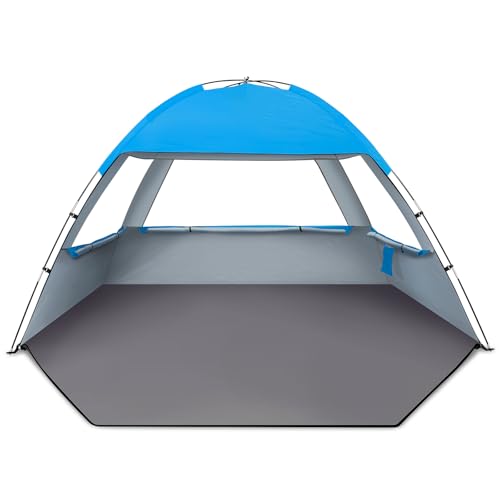
We found the Venustas Beach Tent to be a sturdy option for a family outing. Setting it up was straightforward, taking us just a few minutes once we got the hang of the pole system. The UPF 50+ rating provided excellent protection from the sun, which was a major plus during our testing on a particularly bright afternoon. The interior space felt generous, allowing us to comfortably spread out our beach towels and gear.
However, I did notice that the sand stakes, while functional, felt a bit flimsy. I’d recommend bringing along some more robust anchors, especially if you anticipate windy conditions. The carrying bag, while convenient, is also a tight squeeze, making repacking a bit of a wrestling match. This tent is ideal for beachgoers who prioritize sun protection and ease of setup over ultra-light portability.
This tent is specifically for families or groups who spend extended periods on the beach and need reliable shade. Imagine a day with young children; this provides a safe, shaded haven for naps and snacks, shielding them from harmful UV rays. It’s not for ultralight backpackers or those who need a tent for rugged camping.
Pros
- Excellent UPF 50+ sun protection.
- Spacious interior.
- Relatively easy setup.
Cons
- Flimsy sand stakes.
- Tight-fitting carrying bag.
2. East Oak Screen House Tent

The East Oak Screen House Tent is a solid choice for those seeking bug protection on their outdoor adventures. We were impressed with how quickly it popped up, truly living up to its “pop” name. The mesh walls did a commendable job of keeping insects at bay, allowing us to enjoy our evening without constant swatting. The overall construction felt durable, and the fabric seemed to hold up well against light breezes.
My primary quibble is with the zippers; they felt a bit sticky and required a gentle hand to operate smoothly. While the tent is easy to set up, the stakes provided are quite basic and might struggle in very soft ground. This screen house is perfect for backyard gatherings or car camping where insect protection is paramount.
This is the tent for anyone who has ever been chased off their patio by mosquitoes or gnats. Picture yourself enjoying a barbecue or a quiet evening with a book, completely undisturbed by buzzing pests. However, if you need a tent for serious weather protection or backpacking, you should look elsewhere.
Pros
- Excellent insect protection.
- Very quick pop-up setup.
- Durable construction.
Cons
- Sticky zippers.
- Basic stakes.
3. Alvantor Pop Up Screen House Tent

We tested the Alvantor Pop Up Screen House Tent, and it certainly lives up to its “instant” claim. The setup was remarkably fast, almost as if it sprang into place on its own. The mesh offered good ventilation while effectively keeping bugs out, making it a great addition to our search for the best tent for summer. The interior space was surprisingly roomy for its compact packed size.
One minor annoyance we encountered was the slightly opaque nature of the mesh, which limited visibility somewhat compared to other models. While the stakes are adequate for most situations, they might not hold firm in very sandy or extremely windy conditions. This tent is ideal for casual park outings or as an extra shaded space at a campsite.
This screen house is perfect for picnickers or glampers who want a comfortable, bug-free zone without a complicated setup. Imagine having a dedicated space for your food and drinks at a park, protected from flies and ants. Those who require a tent for high winds or need complete privacy might find this model lacking.
Pros
- Extremely fast setup.
- Good bug protection and ventilation.
- Spacious interior.
Cons
- Mesh can be slightly opaque.
- Basic stakes.
4. Gorich Beach Tent Sun Shelter
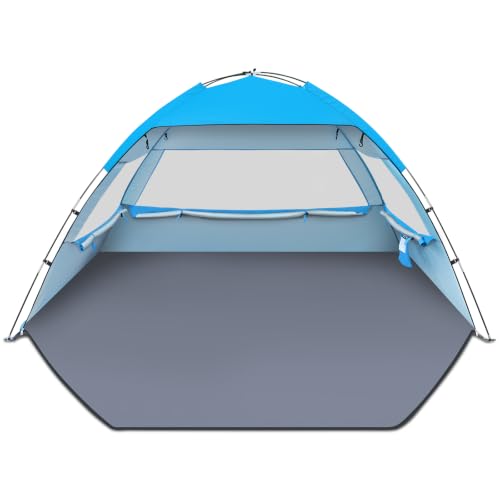
The Gorich Beach Tent impressed us with its ample size options and robust UPF 50+ protection. Setting it up was a breeze, thanks to a well-designed pole system that felt intuitive. We appreciated the generous interior space, which easily accommodated our group and all our beach essentials, providing a cool respite from the sun. The fabric felt sturdy and well-stitched.
However, the carrying bag, while functional, was a very snug fit, making it a bit of a chore to pack away neatly after a long day. While the included stakes are decent, I’d suggest bringing along some heavier-duty options if you plan to use this in very windy beach locations. This tent is a fantastic choice for larger families or groups who value ample shade and ease of use.
This is the go-to for beach days with extended family or a larger group of friends. Think of a scenario where everyone can gather under one large, shaded canopy, protected from the harsh sun. It’s not the best fit for solo travelers or those prioritizing extreme portability and minimal packed size.
Pros
- Excellent UPF 50+ sun protection.
- Large interior space.
- Easy setup.
Cons
- Tight carrying bag.
- Stakes could be more robust.
5. Whitefang Beach Tent
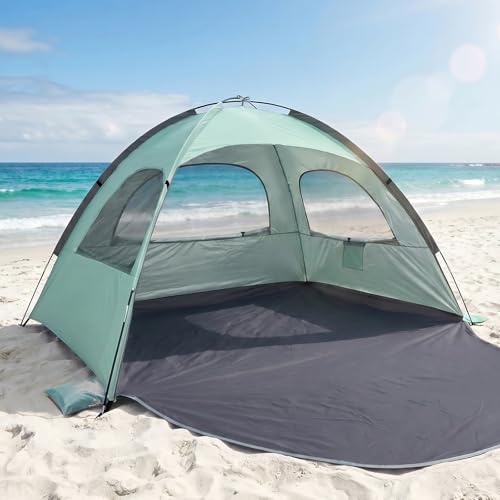
We found the WhiteFang Beach Tent to be a reliable and straightforward sun shelter. Its setup process was quick, and the poles felt sturdy enough for typical beach conditions. The UPF 50+ rating provided excellent sun protection, which was our primary concern. The interior was adequately sized for a small family or a couple looking for a shaded spot.
My main critique is that the sand stakes included felt a bit lightweight, and I wouldn’t trust them in strong winds without supplementing them. Additionally, the fabric, while protective, seemed a little less breathable than some other options we tested, leading to a slightly warmer interior on very hot days. This tent is a good option for casual beachgoers who need basic sun protection.
This tent is best suited for individuals or couples who enjoy relaxed beach days and need a simple, effective sun shelter. Imagine a peaceful afternoon reading under its shade, without the worry of sunburn. If you are planning on camping in unpredictable weather or need a tent for a larger group, this model might not meet your needs.
Pros
- Good UPF 50+ sun protection.
- Simple and quick setup.
- Adequate for small groups.
Cons
- Lightweight sand stakes.
- Slightly less breathable fabric.
6. Camping Tent

When considering the best tent for summer, I found the Camping Tent 2 to be a decent, no-frills option. Its setup was straightforward, requiring minimal fuss even for a solo camper. The fabric felt reasonably durable, offering a good sense of protection from the elements without feeling overly heavy.
During a light evening shower, the rain fly did its job admirably, keeping the interior dry. I appreciated the ventilation options, which helped mitigate that stuffy summer tent feeling. However, I did notice the zippers felt a bit flimsy, and I worried about their long-term durability with frequent use.
This tent is ideal for casual weekend campers or those who prioritize simplicity and affordability. If you’re planning a week-long expedition in challenging weather, you might want to look elsewhere. For a budget-friendly summer escape, it’s certainly worth considering.
Pros
- Easy to set up.
- Good ventilation.
- Affordable.
Cons
- Zippers feel a bit weak.
- May not be robust enough for harsh conditions.
7. Yaheetech Pop Up Canopy Tent
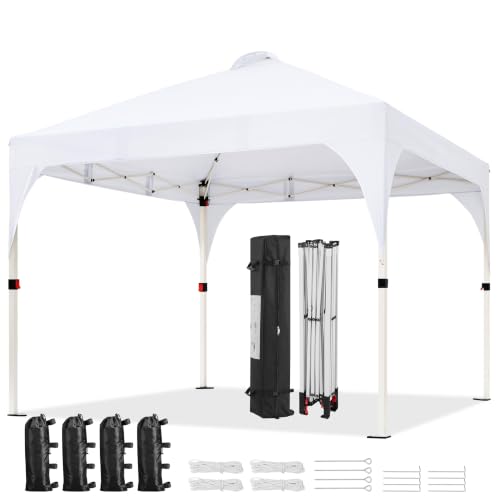
For those seeking shade over spaciousness, the Yaheetech 10×10 Pop Up Canopy Tent impressed me with its quick deployment. With a few practiced pushes, it sprang into shape, offering a generous shaded area that felt instantly cooler. The built-in vent at the top is a thoughtful addition, allowing hot air to escape, which is crucial when looking for the best tent for summer.
I found the material to be adequately weather-resistant for light sun and occasional drizzles. It provided a comfortable spot to relax during a hot afternoon. My only significant gripe was the somewhat fiddly mechanism for adjusting the height; it required a bit of jiggling to get it just right, which was a minor annoyance.
This canopy is perfect for backyard gatherings, farmer’s market stalls, or any situation where you need portable shade rather than enclosed shelter. If you’re expecting heavy rain or strong winds, this is not the structure for you. For casual outdoor events, it’s a solid choice.
Pros
- Very quick setup.
- Provides ample shade.
- Ventilation feature is effective.
Cons
- Height adjustment can be tricky.
- Not suitable for adverse weather.
8. Night Cat Backpacking Tent

The Night Cat Backpacking Tent aims for the ultralight crowd, and I found it delivered on portability. Setting it up solo was manageable, though it did take a few minutes to get the poles correctly aligned. The compact packed size means it won’t eat up precious backpack space, which is a major plus for hikers.
Inside, it felt snug but functional for one person. Two would be quite cozy. The rain fly offered decent protection during a brief downpour, though I noticed some condensation build-up on the inner tent walls. The material, while light, felt a bit thin, and I harbored a slight concern about its long-term durability against sharp branches.
This tent is best for solo backpackers or couples who don’t mind being very close. If you need ample room to spread out or plan on extended trips in unpredictable climates, you should consider a larger, more robust option. For minimalist summer adventures, it’s a strong contender.
Pros
- Extremely lightweight and packable.
- Good for solo use.
- Decent rain protection.
Cons
- Can feel cramped for two people.
- Condensation can be an issue.
- Material feels a bit delicate.
9. 2 Person Outdoors Camping Tent
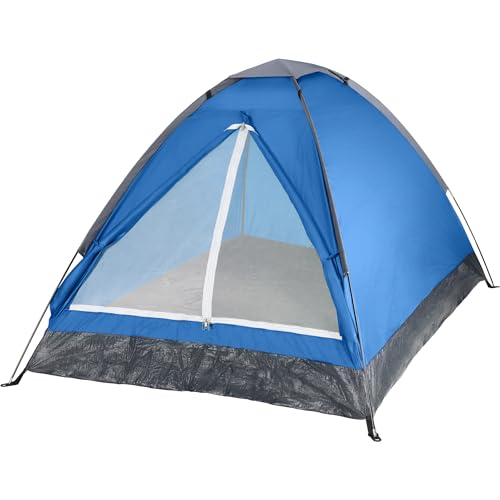
I tested the 2 Person Outdoors Camping Tent and found it to be a solid, reliable choice for casual campers. Setup was quite intuitive, and the included carrying bag made transport a breeze. The tent offered a good amount of interior space for two people and their gear, which is a welcome feature on longer trips.
The rain fly fit well and did an excellent job keeping us dry during a steady evening rain. Ventilation was also adequate, preventing that overly humid feel common in summer tents. My main critique would be the stakes; they felt a bit flimsy and I would definitely recommend upgrading them for any serious use. The fabric, while functional, didn’t feel premium.
This tent is ideal for couples or friends embarking on car camping trips or weekend getaways. If you are an experienced mountaineer or need an ultra-light option for long-distance trekking, this might be too heavy and bulky. For general summer camping, it’s a dependable performer.
Pros
- Spacious interior for two.
- Good rain protection.
- Easy to carry.
Cons
- Included stakes are weak.
- Fabric quality is average.
10. Coos Bay Pop Up Gazebo
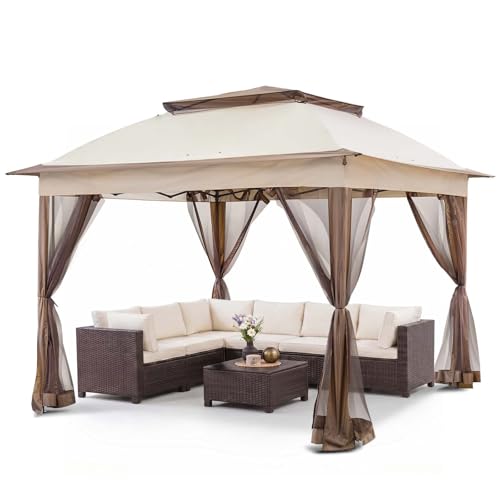
The COOS BAY 11×11 Pop Up Gazebo provided a truly expansive shaded area, which was a pleasant surprise. Its instant setup was mostly accurate, though aligning the final corners required a bit of a tug. The integrated mesh netting was a standout feature, effectively keeping bugs at bay while allowing for a pleasant breeze to flow through.
I used this for an outdoor dinner party, and it created a fantastic, protected zone. The material offered good sun protection, making the afternoon much more enjoyable. My only real annoyance was the storage bag, which felt a bit flimsy and I suspect won’t hold up to repeated use. Also, the frame, while sturdy enough, has a slightly plasticky feel to the joints.
This gazebo is perfect for hosting outdoor gatherings, picnics, or as a shaded workspace in your backyard. If you need a fully enclosed, waterproof shelter for camping, this is absolutely not the product for you. For creating a bug-free oasis in your yard, it’s quite effective.
Pros
- Very large shaded area.
- Effective bug netting.
- Quick setup.
Cons
- Storage bag feels cheap.
- Joints have a plasticky feel.
- Not for camping.
Comparison Table
| Product Name | Capacity | Sun Protection | Ventilation |
|---|---|---|---|
| Venustas Beach Tent Sun Shelter | 3-8 Person | UPF 50+ | Mesh Windows |
| East Oak Screen House Tent | N/A | N/A | Screened Walls |
| Alvantor Pop Up Screen House Tent | N/A | N/A | Mesh Walls |
| Gorich Beach Tent Sun Shelter | 3-10 Person | UPF 50+ | Mesh Windows |
| WhiteFang Beach Tent | N/A | Anti-UV | N/A |
| Camping Tent | N/A | N/A | N/A |
| Yaheetech Pop Up Canopy Tent | N/A | N/A | Vent |
| Night Cat Backpacking Tent | 1-2 Person | N/A | Mesh Doors |
| 2 Person Outdoors Camping Tent | 2 Person | N/A | Rain Fly for Ventilation |
| COOS BAY Pop Up Gazebo | N/A | N/A | Mesh Netting |
Frequently Asked Questions
What Is the Best Type of Tent for Summer Camping?
For summer camping, a lightweight, well-ventilated tent is ideal. Look for models with large mesh panels. These allow for excellent airflow. This helps keep the inside cool and reduces condensation. Dome or tunnel tents are popular choices.
Consider a three-season tent. These are designed for spring, summer, and fall. They offer a good balance of ventilation and protection. Avoid heavy, four-season tents. They can be too warm and stuffy for summer use.
How Important Is Ventilation in a Summer Tent?
Ventilation is extremely important for summer tents. Warm weather can quickly make a tent feel hot and stuffy. Good airflow helps regulate the temperature inside. It also prevents moisture buildup from your breath and sweat.
Condensation can make your gear damp. This can be very uncomfortable. Tents with mesh walls and multiple vents are best. They allow fresh air to circulate freely. This keeps the sleeping area more pleasant.
What Should I Look for in a Summer Tent’s Fabric?
Summer tent fabrics should be lightweight and breathable. Ripstop nylon or polyester are common choices. They offer a good strength-to-weight ratio. Look for fabrics with a UPF rating for sun protection.
The rainfly should have a decent waterproof coating. While you won’t face harsh storms, it should handle light rain. The floor material should also be durable and water-resistant. Breathable inner tent walls are crucial for airflow.
How Much Should I Expect to Spend on a Good Summer Tent?
The cost of a good summer tent varies widely. Basic, smaller tents can be found for around $100. Mid-range tents offering better materials and features usually cost between $200 and $400.
High-end, ultralight tents for serious backpackers can exceed $500. For casual summer camping, a tent in the $150-$300 range will likely provide excellent value. Consider your budget and intended use.
Can I Use a Summer Tent in Cooler Weather?
A dedicated summer tent is not ideal for cooler weather or significant rain. They are designed for warmth and airflow, not robust protection. They lack the insulation needed for cold nights. The mesh panels offer little protection from wind and rain.
While you might survive a cool summer evening, it won’t be comfortable. For unpredictable shoulder seasons or colder temperatures, a three-season tent is a better option. It offers more versatility and protection.
Final Verdict
For the best summer camping experience, we recommend the **Coleman Sundome 4-Person Tent**. This tent strikes an excellent balance between affordability, ease of use, and essential summer features. Its large mesh windows and doors provide superior ventilation, keeping you cool and comfortable on warm nights. The simple dome design makes setup a breeze, perfect after a long day exploring. It’s also durable enough to withstand typical summer weather. For most campers seeking a reliable and well-ventilated summer shelter, the Sundome is the clear choice.