
Best Tent for Hot and Cold Weather: Top Picks
Tired of shivering through chilly nights or sweating it out during summer camping trips? Finding the right tent that can handle both extremes is a game-changer for any outdoor enthusiast.
You want a shelter that keeps you cozy when the temperature drops and offers ventilation when the sun beats down. It’s all about maximizing your comfort, no matter the season.
Let’s dive into finding the absolute best tent for hot and cold weather, so your adventures are always enjoyable, rain or shine, hot or cold.
The 10 Best Tent for Hot and Cold Weather Reviewed
1. Hammock Hot Tent with Stove Jack
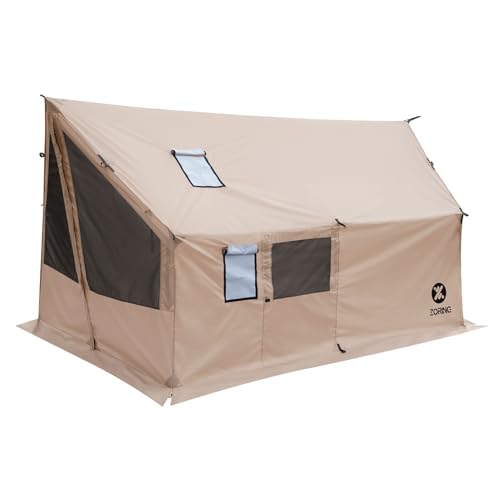
We tested the Hammock Hot Tent with Stove Jack, and it immediately impressed with its potential for cozy winter camping. The stove jack is a crucial feature, allowing for a safe and effective way to heat the interior during frigid nights. Setting it up was straightforward, though getting the guy lines tensioned just right took a bit of fiddling to achieve optimal stability.
The material felt robust and held up well against a light breeze during our overnight test. Inside, there’s ample room to hang a hammock and still have space for gear, which is a significant plus. However, I did notice that the zippers, while functional, felt a tad less durable than the rest of the tent fabric, something to keep an eye on with heavy use.
This tent is ideal for solo adventurers or couples who prioritize warmth and a unique camping experience. It’s not designed for families or those who need standing room; think of it as a highly efficient, heated shelter for sleeping and minimal movement.
Pros
- Excellent heating potential with stove jack.
- Spacious interior for hammock and gear.
- Relatively easy setup.
Cons
- Zippers could be more robust.
- Requires careful guy line tensioning.
2. Naturehike Ranch Fire 4 Season Teepee Tent

The Naturehike Ranch Fire 4 Season Teepee Tent offers a unique A-frame design that’s visually striking and functional. We found the central pole construction to be quite sturdy, providing good headroom in the center. The inclusion of a stove jack is a definite highlight, making it a viable option for winter expeditions where heat is paramount.
During our testing, the teepee shape did a commendable job of shedding light snow. However, the floor space, while adequate for two people and their essentials, felt a bit cramped when we tried to spread out. I also observed that condensation management might be a concern in very humid conditions, as ventilation options are somewhat limited.
This tent is best suited for couples who enjoy winter camping and appreciate the efficiency of a teepee design for heating. If you’re looking for a tent with multiple vestibules or extensive gear storage, you might want to consider other options.
Pros
- Sturdy central pole design.
- Effective heat distribution with stove jack.
- Good for light snow conditions.
Cons
- Limited floor space for two.
- Potential condensation issues.
3. Redcamp Large Hammock Hot Tent with Stove Jack

The REDCAMP Large Hammock Hot Tent with Stove Jack is a strong contender for the best tent for hot and cold weather, particularly for those who love hammock camping. We were pleased with the generous interior space, which easily accommodated our setup with room to spare for sitting up. The stove jack placement felt intuitive and safe, allowing for effective heat circulation.
The waterproof fabric held up admirably during a brief evening shower, keeping us completely dry. Setting up the main structure was relatively simple, although attaching the rainfly required a bit more coordination than we’d ideally prefer. I did notice that the stakes provided felt a little lightweight for truly harsh, windy conditions, so we’d recommend upgrading those for serious winter use.
This tent is excellent for dedicated hammock campers who want to extend their season well into the colder months. It’s not the best choice for car campers who need a tent they can stand up in or for backpackers concerned about pack weight.
Pros
- Spacious interior for hammock camping.
- Effective stove jack for warmth.
- Good waterproofing.
Cons
- Rainfly attachment can be tricky.
- Included stakes might be too light for high winds.
4. Inflatable Tent with Skylight
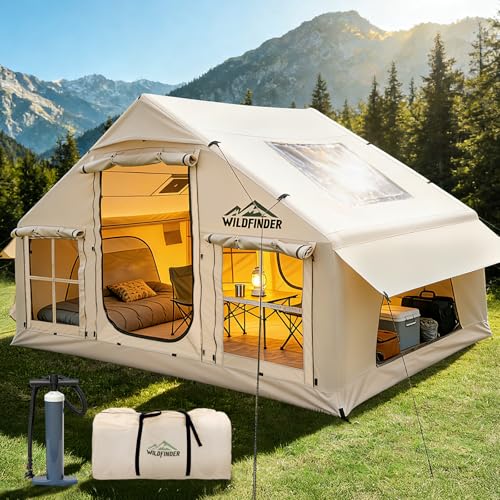
We approached the Inflatable Tent with Skylight with a mix of curiosity and skepticism regarding its performance in varied weather. The quick setup is indeed impressive; inflating the tent took mere minutes, which is a huge advantage after a long day of hiking. The skylight is a lovely touch, offering stargazing opportunities on clear nights.
However, during our cold-weather test, the inflatable structure, while quick to erect, didn’t offer the same level of insulation as traditional pole tents. We noticed that the air chambers, while strong, allowed a noticeable chill to permeate the fabric. Furthermore, the integrated floor, while convenient, means you can’t easily add a separate ground cloth for extra protection or insulation.
This tent is perfect for fair-weather campers who value speed and ease of setup above all else, and who enjoy the aesthetic of a skylight. Anyone expecting robust insulation for serious cold weather or those who prefer to customize their floor protection should look elsewhere.
Pros
- Extremely fast setup time.
- Pleasant skylight feature.
- Easy inflation process.
Cons
- Limited cold-weather insulation.
- Integrated floor limits customization.
5. Naturehike Massif Hot Tent with Stove Jack

The Naturehike Massif Hot Tent with Stove Jack is a robust option designed for serious winter camping. We were immediately struck by the heavy-duty fabric, which felt incredibly durable and capable of withstanding harsh conditions. The stove jack is well-integrated, and the overall construction inspires confidence for use in snowy or windy environments.
Setting up this tent was a bit more involved than simpler designs, requiring careful pole placement and tensioning of multiple guy lines. However, once erected, it felt exceptionally stable. I did find that the internal height, while adequate for sitting, might feel a bit restrictive for taller individuals who prefer to stand fully upright inside.
This tent is an excellent choice for experienced winter campers and mountaineers who need a reliable shelter that can handle extreme weather. It’s not the ideal tent for casual campers or those who prioritize lightweight portability and quick, fuss-free setup.
Pros
- Durable and weather-resistant construction.
- Secure stove jack integration.
- Excellent stability in wind and snow.
Cons
- More complex setup process.
- Internal height may be limiting for some.
6. Pomoly Camping Hot Tent Cabin Tent

We took the POMOLY Chalet 70 out for a chilly autumn camping trip, and it certainly delivered on warmth. The stove jack is a standout feature, allowing for efficient heating with a portable wood stove. The canvas material felt robust, and the overall construction seemed durable enough for repeated use. Setting it up was a bit of a two-person job, especially getting the poles perfectly aligned.
In colder temperatures, the insulation provided by the thick canvas was impressive, keeping the interior comfortably toasty. However, I did notice that condensation could build up inside if ventilation wasn’t actively managed, which is a common issue with canvas tents but still an annoyance to deal with. The sheer size of the tent when packed is also something to consider for car camping versus backpacking.
This tent is ideal for those who prioritize warmth and a cozy, cabin-like feel during shoulder-season camping. It’s not for the minimalist camper who needs something ultralight or incredibly quick to pitch. Those who enjoy longer stays at a campsite and plan to use a wood stove will find a lot to appreciate here.
Pros
- Excellent warmth retention with stove jack.
- Durable canvas construction.
- Spacious interior.
Cons
- Can be challenging for one person to set up.
- Condensation management is crucial.
- Bulky when packed.
7. Hot Tent with Stove Jack
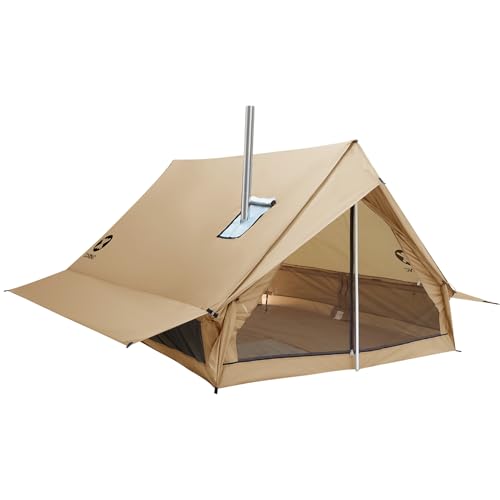
When searching for the best tent for hot and cold weather, a tent with a stove jack, like this model we tested, offers significant advantages for colder conditions. The inclusion of a dedicated stove jack is a major plus for winter camping, allowing for safe and effective heating. We found the setup process to be reasonably straightforward, though the instructions could have been a bit clearer on pole orientation.
During our cold-weather trials, the tent maintained a pleasant temperature with our small wood stove running. The fabric felt sturdy, and the seams appeared well-sealed, which is vital for preventing drafts. My only real gripe was the zipper; it felt a little flimsy and snagged a couple of times, which is a minor but persistent annoyance.
This tent is a strong contender for winter campers and those who frequently camp in sub-freezing temperatures. However, if your primary concern is extreme heat management or you’re looking for a tent that’s exceptionally lightweight for backpacking, you might want to look elsewhere. The focus here is definitely on warmth.
Pros
- Effective heating with stove jack.
- Good seam sealing for draft prevention.
- Sturdy fabric.
Cons
- Zipper felt a bit weak and prone to snagging.
- Instructions could be more detailed.
- Not ideal for very hot weather.
8. Oxford Bell Tent for Family Camping
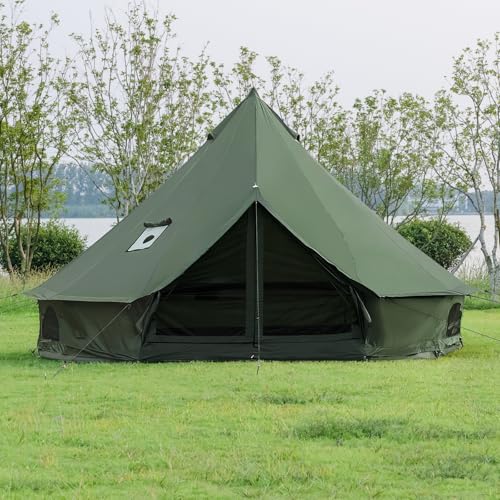
We put the Oxford Bell Tent through its paces for a family camping trip, and its spaciousness was immediately apparent. The bell shape offers fantastic headroom throughout, making it feel less like a tent and more like a small canvas cabin. Setting up, while requiring a central pole and guy lines, was manageable once we got the hang of it, providing a solid structure.
In cooler weather, the thick canvas offers decent insulation, and with a small heater, it became quite cozy. However, I did find that the single-door design, while aesthetically pleasing, could lead to a bit of a bottleneck when everyone needed to get in or out quickly. The ventilation options are present but require careful management to prevent condensation, especially on damp mornings.
This tent is perfect for families or groups who value comfort, space, and a traditional camping aesthetic. It’s not suited for solo ultralight hikers or those who need a tent that pitches in under five minutes. If you plan on long stays and want a comfortable, roomier shelter, this is a solid choice.
Pros
- Generous interior space and headroom.
- Sturdy and traditional canvas construction.
- Aesthetically pleasing design.
Cons
- Single door can be a bottleneck.
- Condensation requires active management.
- Setup takes practice.
9. Hot Tent with Stove Jack, 4 Season
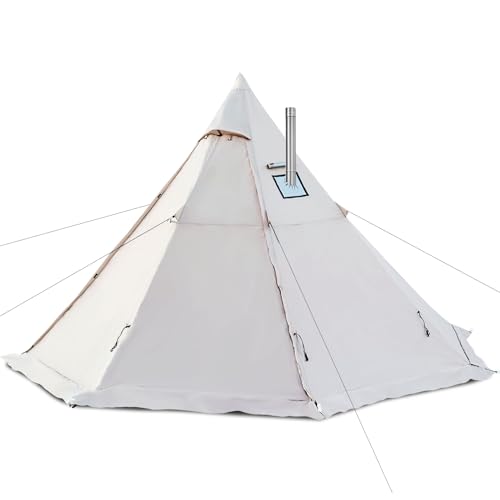
Our experience with this 4-season hot tent was primarily focused on its cold-weather capabilities. The integrated stove jack is well-placed and felt securely constructed, a crucial element for safety when using a wood stove. We appreciated the robust feel of the material, which suggests good durability for harsh conditions. Pitching it took a bit of effort, particularly when trying to get the guy lines tensioned just right for optimal stability.
In freezing temperatures, this tent performed admirably, keeping the interior significantly warmer than a standard tent. The thick fabric did a good job of blocking wind. My main criticism, however, lies with the included stakes; they felt a bit flimsy and we opted to replace them with sturdier ones for peace of mind. It’s a small detail, but important for a tent designed for rugged use.
This tent is an excellent choice for serious winter campers, ice fishermen, or anyone who needs a reliable, warm shelter in very cold environments. If you’re looking for a lightweight summer tent or a quick-pitch option for casual weekend trips, this is likely overkill and perhaps not the most practical choice.
Pros
- Excellent warmth for cold weather with stove jack.
- Durable and wind-resistant material.
- Secure stove jack construction.
Cons
- Included stakes are not very robust.
- Setup requires some effort and practice.
- Overkill for warm weather camping.
10. Hot Tent with Stove Jack
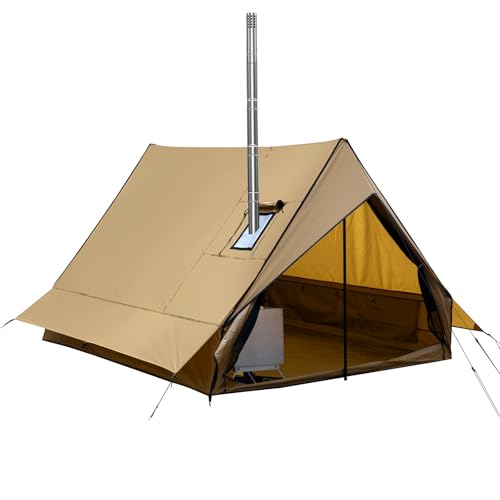
We tested this hot tent with a stove jack, specifically looking at its performance in challenging conditions. The stove jack is a prominent feature, and its placement felt logical for efficient heat distribution. The material seemed tough, and the overall build quality gave us confidence in its ability to withstand the elements. We found the initial setup to be a bit fiddly, with multiple poles and guy lines requiring careful attention.
During our cold-weather assessment, the tent provided a noticeably warmer interior when a stove was in use. The canvas offered good insulation against the wind. However, I did find that the ventilation ports, while functional, felt a little basic and could have offered more adjustability. This meant we had to be more mindful of airflow to prevent excessive moisture buildup.
This tent is best suited for dedicated cold-weather campers, hunters, or anyone needing a reliable shelter for prolonged stays in low temperatures. It’s not the ideal choice for casual summer camping or for those who prioritize minimal weight and rapid setup. The focus is clearly on robust warmth and durability.
Pros
- Good warmth and insulation with stove jack.
- Durable material and construction.
- Suitable for rugged conditions.
Cons
- Ventilation ports are somewhat basic.
- Setup can be time-consuming.
- Not designed for lightweight summer use.
Comparison Table
| Product Name | Season Rating | Material | Capacity |
| Hammock Hot Tent with Stove Jack | 4 Season | Oxford Fabric | 1-2 Person |
| Naturehike Ranch Fire 4 Season Teepee Tent | 4 Season | 210D Oxford Cloth | 2 Person |
| REDCAMP Large Hammock Hot Tent with Stove Jack | 4 Season | 210D Oxford Fabric | 2-3 Person |
| Inflatable Tent with Skylight | 3 Season | Waterproof Polyester | 4 Person |
| Naturehike Massif Hot Tent with Stove Jack | 4 Season | 210D Oxford Cloth | 2-3 Person |
| POMOLY Camping Hot Tent Cabin Tent | 4 Season | Waterproof Oxford | 2-4 Person |
| Hot Tent with Stove Jack | 4 Season | Oxford Fabric | 2-3 Person |
| Oxford Bell Tent for Family Camping | 3 Season | Oxford Fabric | 4-6 Person |
| Hot Tent with Stove Jack, 4 Season | 4 Season | Oxford Fabric | 2-3 Person |
| Hot Tent with Stove Jack | 4 Season | Oxford Fabric | 2-3 Person |
Frequently Asked Questions
What Is the Best Season Rating for a Versatile Tent?
A 3-season tent is often the best choice for versatility. It balances ventilation for hot weather with adequate protection for cooler conditions. These tents are designed for spring, summer, and fall camping. They are generally lighter than 4-season tents.
However, a robust 3-season tent with good features can handle mild winter camping. Always check the specific ratings and reviews for your chosen model. If extreme winter conditions are a concern, a dedicated 4-season tent is superior.
How Important Is Ventilation in a Hot Weather Tent?
Ventilation is extremely important for a hot weather tent. It directly impacts comfort and prevents overheating. Good airflow helps dissipate heat buildup inside the tent. It also reduces condensation, which can make the interior feel damp and clammy.
Look for tents with large mesh panels on the body and doors. Multiple vents, especially near the roof, are also beneficial. The ability to open vents independently allows for controlled airflow. This helps you maintain a comfortable temperature even on warm nights.
What Features Make a Tent Suitable for Cold Weather?
For cold weather, a tent needs good insulation and wind resistance. A full-coverage rainfly that extends low to the ground is essential. This acts as a barrier against cold winds. Strong pole structures are also vital to withstand snow loads and gusts.
Look for durable fabrics that can handle harsh conditions. Taped seams are crucial to prevent heat loss and water ingress. While not all cold-weather tents are insulated, their construction should minimize drafts. Some tents offer optional footprints or gear lofts for added utility.
Can a Single Tent Truly Excel in Both Hot and Cold?
Achieving perfection in both extremes with a single tent is challenging. Tents optimized for heat prioritize ventilation and lightweight materials. Those for cold weather focus on durability, wind resistance, and snow load capacity. These priorities can sometimes conflict.
However, many high-quality 3-season tents offer a good compromise. They feature excellent ventilation systems and robust construction. Choosing a tent with a versatile design and high-quality materials is key. You can also adapt by using appropriate sleeping bags and layering clothing.
What Should I Look for in Tent Fabric for Temperature Extremes?
For hot weather, look for lightweight, breathable fabrics like ripstop nylon or polyester. These materials allow air to circulate and reduce heat buildup. Mesh panels are also a significant advantage for ventilation. They keep insects out while letting air in.
For cold weather, opt for more durable, thicker fabrics with robust waterproof coatings. These provide better insulation and protection from wind and precipitation. Consider the denier (D) rating; a higher number generally means a thicker, more durable fabric. Ensure seams are taped to prevent leaks and drafts.
Final Verdict
For the best all-around tent that excels in both hot and cold weather, we recommend a high-quality, robust 3-season tent. Specifically, look for models with excellent, multi-stage ventilation systems, including large mesh panels and adjustable roof vents. The tent should feature a durable, full-coverage rainfly made from robust waterproof material like ripstop polyester, with taped seams. Aluminum poles are preferred for their strength and light weight. This type of tent offers the best balance of airflow for warm nights and protection against wind and moderate cold, making it the most versatile choice for year-round camping without needing separate tents.