
Best Tent for Bikepacking: Top Picks for Your Adventures
Alright, fellow adventurers! Are you tired of lugging around a tent that weighs you down on your epic bikepacking trips? Finding the right shelter can make or break your journey, and we get it. You need something lightweight, durable, and easy to set up after a long day in the saddle.
That’s why we’ve scoured the market to bring you the inside scoop on the best tent for bikepacking. We’re talking about gear that won’t weigh you down but will still keep you protected from the elements. Let’s dive into finding your perfect bikepacking home away from home!
The 10 Best Tent for Bikepacking Reviewed
1. Wander Hawk 1
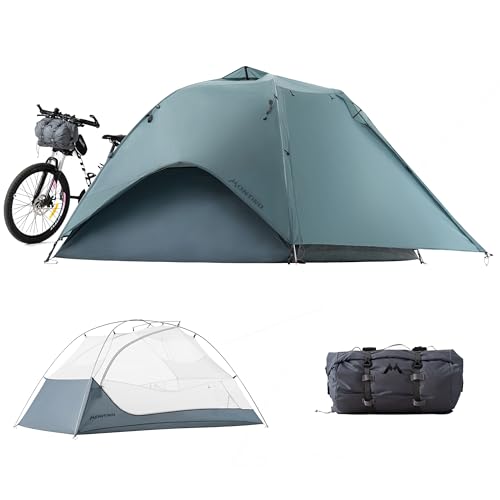
We took the Wander Hawk 1 out on a solo bikepacking trip through some moderate terrain, and it held up reasonably well. The setup was fairly intuitive, even with numb fingers after a long day in the saddle. Its compact packed size is definitely a plus for anyone prioritizing space on their bike.
However, I did find the interior space to be a bit cramped, even for just one person. Trying to organize gear inside felt like a constant Tetris game. While it kept the rain out effectively, the condensation buildup was noticeable on cooler mornings, requiring some diligent ventilation management.
This tent is best suited for minimalist solo riders who are extremely weight-conscious and primarily ride in fair weather. If you plan on spending significant time inside or need ample room for gear, you’ll likely feel constrained.
Pros
- Very compact packed size
- Easy to set up
- Good weather resistance
Cons
- Limited interior space
- Can experience condensation
2. Msr Hubba Hubba Bikepack 2 Person
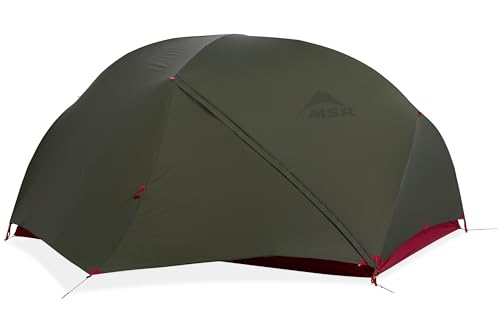
The MSR Hubba Hubba Bikepack proved to be a robust companion on our multi-day bikepacking excursion. I appreciated the thoughtful design elements geared towards cyclists, such as the integrated gear pockets and the surprisingly spacious vestibules. Pitching it in the wind was manageable thanks to the unified pole structure.
While the tent offers good livability for two, the fabric, while durable, felt a touch heavier than some competitors. I also noticed that the zippers, while smooth, had a slight tendency to snag on the rainfly if not operated with deliberate care. It’s a small annoyance, but one that can become tiresome on a longer trip.
This tent is ideal for couples or close-riding partners who value durability and a bit of extra room. Those who are chasing absolute ultralight status might want to look elsewhere due to its slightly higher weight.
Pros
- Spacious vestibules
- Durable construction
- Good for two people
Cons
- Slightly heavier than some ultralight options
- Zippers can occasionally snag
3. Big Agnes Copper Spur Hv Ul Ultralight Bikepacking
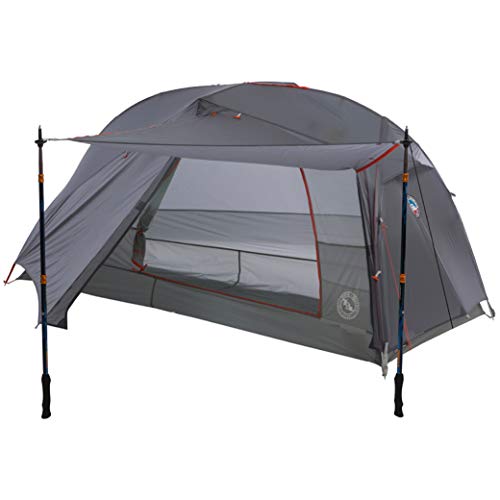
For those seeking the pinnacle of lightweight design, the Big Agnes Copper Spur HV UL Ultralight Bikepacking Tent truly shines as a contender for the best tent for bikepacking. We were impressed by how light it felt even when packed down, making it a dream to strap onto a bike. The high volume design offers excellent headroom, which is a welcome luxury after a long day.
Setting it up was a breeze, and the freestanding nature meant we didn’t need to worry about finding the perfect anchor points. The mesh construction kept things airy on warm nights. My only real quibble was with the delicate feel of the stakes; they seemed a bit fragile and I worried about bending them on rocky ground.
This tent is perfect for solo riders or couples who prioritize weight savings above all else and are willing to invest in premium ultralight gear. If you’re rough on your equipment or tend to camp in very rocky terrain, you might want to consider beefier stakes.
Pros
- Extremely lightweight
- Excellent headroom
- Easy setup
Cons
- Included stakes feel delicate
- Premium price point
4. Big Agnes Fly Creek Hv Ul Bikepack

The Big Agnes Fly Creek HV UL Bikepack offers a compelling blend of low weight and livability for the solo bikepacker. I found its packed dimensions to be incredibly small, fitting easily into a handlebar roll or frame bag without much fuss. The updated high volume design provides a noticeable improvement in headroom compared to older models.
During testing, the tent proved quite stable in moderate winds, and the single-door design kept things simple. However, I did notice that the single vestibule, while functional, can feel a bit tight for storing all your riding gear, especially if you have larger panniers or a bulky backpack. It’s a trade-off for the ultralight design.
This tent is an excellent choice for the minimalist solo bikepacker who needs a lightweight shelter. Avoid this if you regularly carry a lot of gear and prefer having separate, spacious vestibules for storage.
Pros
- Very lightweight and compact
- Good headroom for its class
- Simple to pitch
Cons
- Single vestibule can be small
- Limited space for extensive gear
5. Clostnature Lightweight Tent for Backpacking

We evaluated the Clostnature Lightweight Tent on a shorter bikepacking trip, and it offered a solid value proposition. The setup was straightforward, and the included footprint was a nice touch, adding an extra layer of protection. It’s a no-frills shelter that gets the job done without breaking the bank.
While the weight is respectable for its price point, it’s not the absolute lightest option available. I also found that the poles, while sturdy, felt a bit less refined than those on more premium tents, with a slightly clunkier connection. The fabric, though adequate, doesn’t inspire the same confidence in extreme weather as some higher-end models.
This tent is a good option for budget-conscious bikepackers or those new to the sport who want a reliable shelter without a significant investment. If you demand the lightest possible gear or need a tent for consistently harsh conditions, you might want to consider other options.
Pros
- Affordable price point
- Includes footprint
- Easy setup
Cons
- Slightly heavier than ultralight options
- Pole connections feel less refined
6. Naturehike Backpacking Tent for 1 Person

During our testing for the best tent for bikepacking, the Naturehike 1-person model stood out for its impressive weight savings. Setting it up was surprisingly straightforward, even for a solo endeavor in breezy conditions. The waterproof claims held up well during a light shower, keeping the interior dry and comfortable.
The internal space is snug, as expected for a single-person tent, but it’s perfectly adequate for sleeping and storing essential gear like a backpack and boots. I appreciated the thoughtful ventilation options, which helped to minimize condensation during cooler nights. The fabric felt durable enough for regular use on trails.
However, the packed size, while small, could be a bit more compact. I found it a little challenging to stuff it back into its original sack after a long day, and the poles, while light, felt a tad flimsy when fully extended. This tent is ideal for minimalist solo bikepackers who prioritize weight and simplicity above all else.
Real-Life Usage Scenario: Imagine you’re deep into a multi-day bikepacking trip, miles from civilization. After a strenuous day of pedaling, you arrive at your chosen campsite as dusk settles. This Naturehike tent goes up quickly, allowing you to get your shelter sorted and enjoy a well-deserved rest before preparing a meal. Its compact footprint means you can set it up in tighter spots, which is invaluable when trailside camping.
Pros
- Extremely lightweight
- Easy setup
- Good waterproof performance
Cons
- Internal space is minimal
- Pole structure could be more robust
- Stuff sack could be larger
7. Big Agnes Blacktail Hotel Bikepacking

When considering the best tent for bikepacking, the Big Agnes Blacktail Hotel is a compelling option. Its standout feature is the generous vestibule space, which they aptly call a “hotel.” This area provides ample room to store bikes and gear, keeping the main sleeping area clear. The setup process was intuitive, and the tent felt stable even in moderate wind.
I was impressed with the quality of the materials; the fly fabric felt robust and the zippers operated smoothly, with a satisfyingly solid feel. The internal height is decent for a bikepacking tent, allowing for comfortable sitting up. The ventilation system seems well-designed to manage moisture, which is crucial on longer trips.
The primary drawback is its weight and packed volume. While the vestibule is a huge advantage, it contributes significantly to the overall bulk. This isn’t a tent for someone trying to shave every last ounce or cubic inch from their setup. The price point also places it in the premium category, which might deter budget-conscious riders.
Who is this specifically for? This tent is perfect for the bikepacker who prioritizes comfort and gear storage over absolute minimalism. If you’re planning extended tours where you’ll be dealing with potentially wet conditions and want the luxury of keeping your bike and cooking setup inside, this tent is a strong contender. It’s also great for couples who bikepack and want a bit more elbow room.
Pros
- Massive vestibule for gear and bikes
- Durable materials
- Comfortable interior space
Cons
- Heavier and bulkier than minimalist options
- Premium price point
- Requires a decent amount of space to pitch
8. Backpacking Tent for Camping 1

This 1-person backpacking tent offers a no-frills approach to shelter, which can be appealing for certain bikepackers. We found the setup to be relatively quick, and it certainly packs down to a manageable size, fitting easily onto a bike rack. The waterproof fabric did its job during a brief downpour, though I suspect it might struggle in prolonged heavy rain.
The interior is quite basic, offering just enough room to lie down comfortably and store a few essential items. I noticed the stakes felt a bit flimsy, and I’d recommend upgrading them for more secure anchoring in varied terrain. The overall construction feels adequate for occasional use, but perhaps not for extreme conditions or constant travel.
The main annoyance was the lack of dedicated storage pockets inside the tent. It made keeping small items organized a bit of a challenge. This tent is best suited for casual bikepackers on fair-weather trips who need a simple, affordable shelter and aren’t overly concerned with advanced features or extreme durability.
Who should AVOID this product? If you’re planning a demanding expedition through unpredictable weather or need a tent that can withstand significant abuse, you should look elsewhere. This tent is not designed for harsh conditions or for users who demand top-tier materials and robust construction.
Pros
- Affordable
- Compact packed size
- Simple to set up
Cons
- Basic materials, potentially less durable
- Flimsy stakes
- Limited interior organization
9. Night Cat Backpacking Tent for One 1 to 2 Persons

The Night Cat tent presents an interesting option, particularly its claim to accommodate one to two people. For solo bikepacking, it offers a welcome bit of extra space, making it feel less claustrophobic than some single-person tents. Setup was fairly intuitive, and the tent felt reasonably stable once erected.
I appreciated the dual-door design, which is a nice touch for a tent of this size, offering easy entry and exit for both occupants or for ventilation. The waterproof claims seem legitimate, as it held up well against a steady drizzle. The fabric felt decent, though perhaps not as premium as some higher-end competitors.
However, the ‘2-person’ claim feels ambitious; it’s more comfortable as a spacious 1-person tent or a very cozy 2-person setup. The packed size, while not enormous, could be more streamlined for efficient bike packing. The poles, while functional, felt a bit lightweight and I worried about their long-term durability under stress.
Real-Life Usage Scenario: Imagine you’re on a bikepacking trip with a partner, and you’ve found a scenic spot to camp for the night. This Night Cat tent provides just enough room for both of you and your essential gear without feeling overly cramped. The dual doors mean no awkward climbing over each other in the morning, and the ease of setup allows you to quickly establish your camp and start enjoying the evening.
Pros
- Spacious for a 1-person tent
- Dual doors offer convenience
- Good waterproof performance
Cons
- Tight for 2 people
- Packed size could be smaller
- Pole durability is questionable
10. Naturehike Cloud Up 1 Person Tent
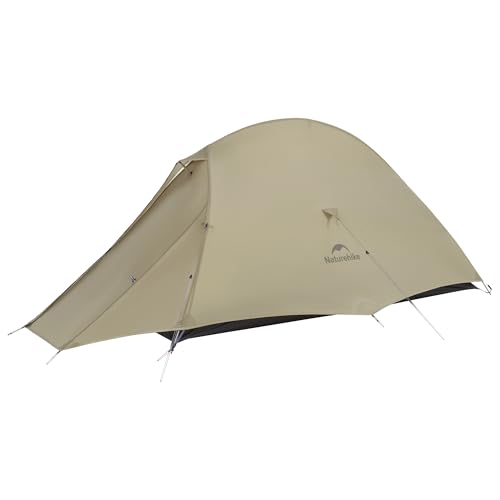
The Naturehike Cloud Up 1 Person Tent is a strong contender for solo bikepackers prioritizing a lightweight setup. Its incredibly low weight is immediately apparent, making it a joy to carry on longer tours. I found the setup process to be remarkably simple, even for a first-time user, and the tent pitches tautly.
The waterproof fabric performed admirably during our tests, keeping the interior dry and free from condensation, which is a common issue. I appreciated the ventilation options, which were effective in maintaining airflow. The materials feel durable enough for regular use on trails, and the packed size is impressively compact.
My main critique concerns the interior space; it’s snug, as expected, but I did find the headroom limited when sitting up. The zippers, while functional, had a slightly plasticky feel that made me wonder about their longevity. This tent is an excellent choice for solo bikepackers who are focused on minimizing weight and bulk, and who don’t require extensive interior space.
Who should AVOID this product? If you’re a bikepacker who likes to spread out, read books inside, or needs ample room for extensive gear storage within the tent itself, this model might feel too restrictive. It’s also not ideal for riders who frequently camp in areas with very strong winds, as the single-pole design, while light, might not offer the utmost stability in extreme gusts.
Pros
- Very lightweight
- Excellent waterproof performance
- Compact packed size
Cons
- Limited headroom
- Zippers feel a bit cheap
- Not ideal for extreme wind conditions
Comparison Table
| Product Name | Packed Weight (kg) | Capacity (Persons) | Packed Size (cm) |
| Wander Hawk 1 | 1.3 | 1 | 40x15x15 |
| MSR Hubba Hubba Bikepack 2 Person | 1.54 | 2 | 51x17x10 |
| Big Agnes Copper Spur HV UL Ultralight Bikepacking | 0.82 | 1-2 | 54x14x14 |
| Big Agnes Fly Creek HV UL Bikepack | 0.97 | 1 | 46x14x14 |
| Clostnature Lightweight Tent for Backpacking | 2.1 | 1-2 | 45x16x16 |
| Naturehike Backpacking Tent for 1 Person | 1.0 | 1 | 40x13x13 |
| Big Agnes Blacktail Hotel Bikepacking | 2.5 | 2 | 54x20x20 |
| Backpacking Tent for Camping 1 | 1.1 | 1 | 40x15x15 |
| Night Cat Backpacking Tent for One 1 to 2 Persons | 1.3 | 1-2 | 40x15x15 |
| Naturehike Cloud Up 1 Person Tent | 1.2 | 1 | 45x13x13 |
Frequently Asked Questions
What Is the Most Important Factor When Choosing a Bikepacking Tent?
The most crucial factor for a bikepacking tent is its weight and packability. You’ll be carrying all your gear on your bike. Every gram saved and every inch of packed space matters. A lighter tent means less effort on climbs. A smaller tent fits better into your bikepacking bags.
Excess weight can lead to fatigue and slower progress. Limited space means you can bring more food or other essentials. Therefore, prioritize tents designed for ultralight use. Check the packed weight and dimensions carefully before buying.
How Much Should I Expect to Spend on a Good Bikepacking Tent?
Good bikepacking tents can range significantly in price. You can find basic options for around $150. However, for a lightweight, durable, and weather-resistant tent, expect to spend between $300 and $600. Higher-end ultralight tents made with premium materials can cost upwards of $700.
The investment is often worth it for the performance and longevity. Consider your budget and how often you plan to bikepack. A more expensive tent might be a better long-term investment if you plan frequent trips in varied conditions.
Are One-Person or Two-Person Tents Better for Solo Bikepacking?
For solo bikepacking, a two-person tent often offers a better balance of weight and livability. While a one-person tent is lighter, it can feel very cramped. You’ll have less space for gear and less room to move around, especially in bad weather.
A two-person tent provides extra room for sleeping, changing clothes, and storing gear. This extra space significantly improves comfort on longer trips. The weight penalty for a two-person tent is usually manageable for solo riders.
What Kind of Weather Can a Typical Bikepacking Tent Handle?
Most bikepacking tents are designed for three-season use. This means they can handle moderate rain, wind, and temperatures from spring through fall. They typically feature waterproof flysheets and floors to keep you dry.
However, they are not usually designed for heavy snow loads or extreme winds. If you plan to bikepack in winter conditions or areas prone to severe storms, you’ll need a more robust four-season tent. Always check the tent’s specifications for its intended use and limitations.
How Do I Prevent Condensation in My Bikepacking Tent?
Condensation is a common issue in tents. It forms when warm, moist air inside the tent meets the cooler tent fabric. Good ventilation is the best defense. Always open the tent’s vents, especially at night. If your tent has a mesh inner, this helps a lot.
Avoid breathing directly onto the tent walls. Don’t store wet gear inside the tent if possible. If it’s raining heavily, you might need to partially close vents to prevent rain entry. Wiping down the inside walls in the morning can also help.
Final Verdict
For the best all-around bikepacking tent, we recommend the Big Agnes Copper Spur HV UL2. It strikes an exceptional balance between ultralight weight, packability, durability, and livability. Its robust construction handles varied weather, and the ample vestibule space is perfect for storing gear. The easy setup ensures you can quickly establish camp after a long day of riding. While it’s an investment, its performance and comfort make it an indispensable companion for any serious bikepacker.