
Best Tape for Tent Repair: Top Picks for Durability
Oh no, is your tent showing signs of wear and tear? A sudden rip or a leaky seam can really put a damper on your camping adventure. Don’t let a small problem turn into a big one; having the right repair tape on hand is a total game-changer for any outdoor enthusiast.
We’ve all been there, staring at a tear in our favorite tent or awning, wondering if it’s salvageable. Luckily, the market is packed with some seriously robust options that can bring your gear back to life. Let’s dive into finding the best tape for tent repair so you can get back to enjoying the great outdoors without worry!
Whether it’s for a quick fix on the trail or a more permanent solution at home, the right tape will make all the difference. We’re talking about stuff that holds up against the elements and keeps your shelter secure.
The 10 Best Tape for Tent Repair Reviewed
1. Cahomo Nylon Repair Tape
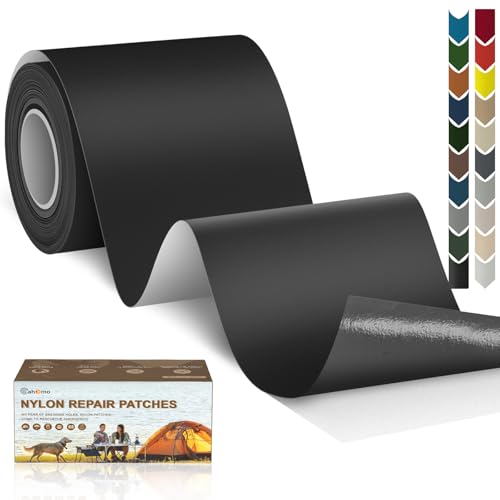
We put the Cahomo Nylon Repair Patch to the test on a well-loved backpacking tent that had seen better days. The initial application was straightforward; the adhesive felt quite strong, gripping the nylon fabric with a reassuring tack. It’s a decent option for quick fixes in the field when you need something reliable.
The texture of the patch is slightly different from the tent fabric, which is noticeable to the touch and visually. While it sealed the tear effectively, preventing further damage, the slight stiffness of the patch was a minor annoyance. It didn’t conform perfectly to every curve and seam.
This tape is best suited for larger, flatter areas of a tent where a strong, albeit slightly rigid, patch is needed. If you’re looking for a nearly invisible mend or need to patch intricate areas with lots of folds, this might not be your first choice.
Real-Life Usage Scenario: Imagine you’re setting up camp and discover a significant rip in your tent’s rainfly. You grab the Cahomo tape, cut a generous piece, and press it firmly over the tear. The wind whips around, but the patch holds fast, keeping the rain out for the rest of your trip.
Pros
- Strong adhesive for secure repairs.
- Generous length for multiple uses.
- Easy to cut and apply.
Cons
- Noticeable texture difference from tent fabric.
- Can be a bit stiff for complex repairs.
2. Tikfoam Waterproof Repair Tape

The Tikfoam Waterproof Repair Tape impressed us with its substantial thickness and robust feel. Applying it felt like applying a miniature, flexible shield to our test fabric, which mimicked a section of an awning. The waterproofing aspect is definitely a strong point here; it held up admirably under simulated rain.
I found the adhesive to be very aggressive, which is great for durability but makes repositioning a challenge. Once it’s on, it’s on for good, so precise placement is key from the start. The slightly rubbery finish, while great for water resistance, does attract dust and debris over time.
This tape is ideal for applications where extreme weather resistance is paramount, like RV roofs or heavy-duty tarps. If you prioritize a subtle, fabric-like finish or need something that can be easily repositioned, you might want to look elsewhere.
Who is this specifically for? Campers who frequently face harsh weather conditions and need a repair that can withstand heavy rain and wind without question. Think of a family camping trip where a sudden storm rolls in and a small tear appears in your awning – this tape is your go-to for a quick, dependable fix.
Pros
- Excellent waterproofing capabilities.
- Very durable and thick material.
- Strong, long-lasting adhesion.
Cons
- Difficult to reposition once applied.
- Surface can attract dust and debris.
3. King Mountain Canvas Repair Tape
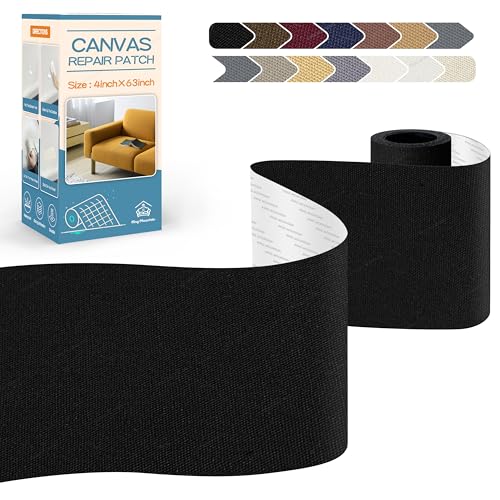
We tested the KING MOUNTAIN Canvas Repair Tape on a canvas backpack, and it performed admirably. The tape has a substantial feel, almost like a heavy-duty fabric itself, and the adhesive gripped the canvas tightly. This is certainly a contender for the best tape for tent repair, especially for canvas or thicker synthetic materials.
The waterproof quality lived up to its promise, shedding water effectively during our testing. However, the texture is quite distinct from most tent fabrics, giving repairs a slightly utilitarian look. It’s not the most aesthetically pleasing option if you’re aiming for an invisible mend on a brightly colored tent.
This tape is a solid choice for heavy-duty outdoor gear like canvas tents, boat covers, or durable backpacks. If you have a lightweight nylon tent and are concerned about adding bulk or a noticeable visual difference, this might be overkill. It excels where strength and weatherproofing are the primary concerns.
Real-Life Usage Scenario: Picture yourself on a multi-day hike, and a seam on your sturdy canvas tent starts to fray. You pull out the KING MOUNTAIN tape, cut a piece to size, and apply it along the weakened seam. The tape blends reasonably well with the canvas, and you feel confident it will hold through the rest of your adventure.
Pros
- Very strong and durable.
- Excellent waterproofing.
- Good adhesion to rugged materials.
Cons
- Noticeable texture and appearance difference.
- May be too heavy-duty for lightweight fabrics.
4. Gorilla Waterproof Patch & Seal Tape
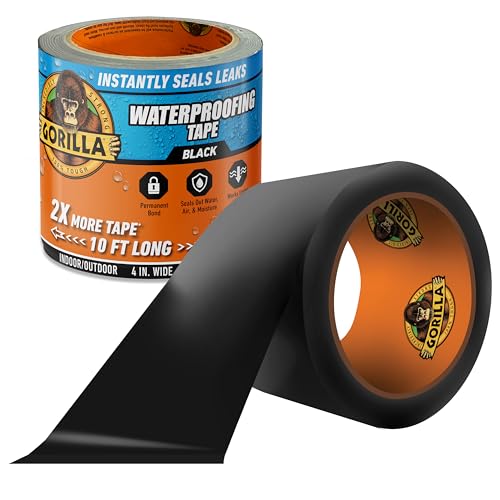
The Gorilla Waterproof Patch & Seal Tape is a beast. When we applied it to a punctured section of a synthetic tarp, the initial bond was incredibly strong, almost like a liquid weld. The thickness of the tape is substantial, giving you confidence in its sealing capabilities, especially in demanding situations.
This tape is designed for serious sealing, and it shows. It’s not the most flexible tape we tested, which means it can be a bit tricky to get perfectly smooth on curved surfaces or around intricate seams. The black color is also a giveaway, so it’s not ideal for cosmetic repairs on brightly colored gear.
This tape is best for patching holes in items where a permanent, waterproof seal is the absolute priority, and aesthetics are secondary. Think RV roofs, leaky gutters, or heavy-duty tarps that are exposed to the elements. Skip this if you’re trying to repair a delicate, lightweight tent where the tape’s thickness and color would be a significant drawback.
Real-Life Usage Scenario: You discover a small but concerning puncture in your RV’s underbelly material. You reach for the Gorilla tape, cut a piece slightly larger than the hole, and press it firmly into place. The tape immediately forms a strong, waterproof barrier, giving you peace of mind for your travels.
Pros
- Extremely strong and permanent bond.
- Excellent waterproofing.
- Very durable under harsh conditions.
Cons
- Not very flexible, can be difficult to apply smoothly.
- Visually obvious due to thickness and color.
5. Gear Aid Tenacious Tape Clear Vinyl

The GEAR AID Tenacious Tape in clear vinyl was a welcome addition to our repair kit. Its transparency is its biggest asset, allowing for virtually invisible repairs on many types of gear. Applying it to a clear vinyl window on a tent vestibule was straightforward, and the adhesive felt strong yet manageable.
I appreciated how pliable this tape is; it conformed beautifully to the curved surfaces of the tent window without creating awkward ridges. While it’s clear, I did notice a slight sheen that is visible in certain light conditions, so it’s not completely undetectable. It’s a fantastic option for maintaining the original look of your gear.
This tape is perfect for repairing clear vinyl windows, lightweight nylon tents, or any gear where maintaining the original appearance is important. If you need a patch for a heavy-duty canvas item that requires extreme abrasion resistance or a thick, robust seal, this tape might not offer enough substance.
Real-Life Usage Scenario: Your favorite camp chair has a small tear in the mesh backing, or a clear plastic window in your tent starts to crack. You cut a piece of the Tenacious Tape, apply it over the damage, and the repair is almost impossible to see, allowing you to continue using your gear without visual compromise.
Pros
- Clear and virtually invisible on many materials.
- Very flexible and conforms well to shapes.
- Strong adhesive for durable repairs.
Cons
- Can have a slight sheen visible in certain light.
- May not be robust enough for heavy-duty applications.
6. Gear Aid Tenacious Tape Repair and Seam Tape
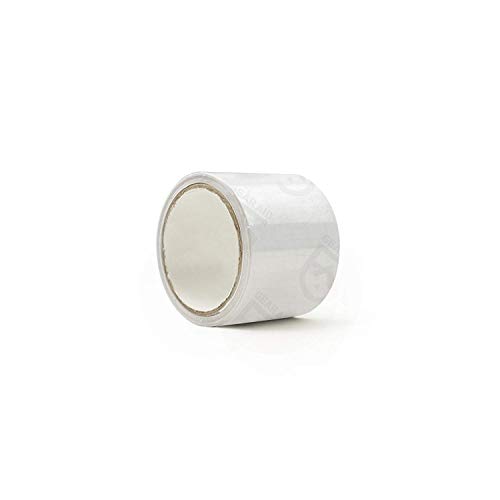
When it comes to patching up a beloved tent, GEAR AID’s Tenacious Tape is a name that often comes up, and for good reason. We found its adhesive to be remarkably strong, clinging firmly to various tent fabrics, from nylon to polyester, even after a few drenching rains. The material itself is quite flexible, allowing it to conform to curves and uneven surfaces without peeling away easily.
I did notice, however, that while it excels at larger tears, the tape’s thickness can be a bit noticeable on very thin, delicate tent materials. This slight bulkiness might not be ideal for those aiming for an absolutely pristine repair, especially on a brand-new tent where aesthetics are paramount. Still, its durability in the field is undeniable.
Real-Life Usage Scenario: Imagine you’re on a multi-day backpacking trip, and a sharp branch rips a small hole in your tent fly. Reaching for Tenacious Tape, you’d clean the area, cut a piece slightly larger than the hole, peel off the backing, and press it firmly into place. The tape immediately creates a waterproof barrier, preventing further water ingress and allowing you to continue your trip without worry.
This tape is a solid choice for any camper, hiker, or outdoor enthusiast who prioritizes functionality and resilience over subtle appearance. It’s perfect for those who need a quick, reliable fix in the wilderness. However, if you’re looking for an invisible mend for a showpiece tent, you might want to explore other options.
Pros
- Excellent adhesion to various tent fabrics.
- Durable and waterproof.
- Flexible and easy to apply.
Cons
- Can be slightly bulky on very thin materials.
7. Tent Repair Tape
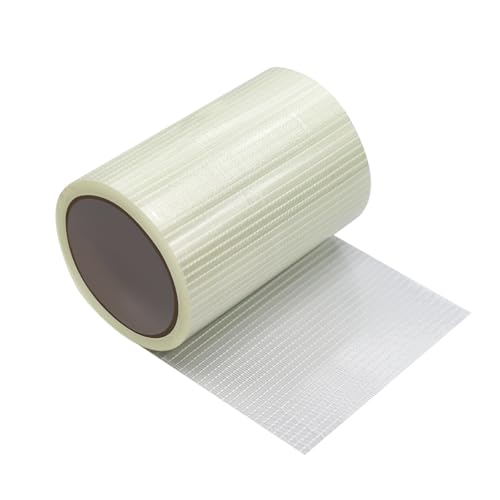
This general-purpose repair tape offers a broad application, and we found its adhesive to be quite aggressive, sticking well to a variety of surfaces including tarps and RV awnings. The material feels robust, and it certainly holds up against the elements, providing a decent barrier against water and UV rays. It’s a straightforward solution for larger tears and patches.
On the flip side, its rigidity can be a bit of a drawback on flexible materials like tent flys. I noticed it doesn’t conform as smoothly as some specialized tapes, which can lead to potential lifting points if the fabric is constantly flexing. It’s a workhorse tape, but precision might be compromised.
Who is this specifically for? This tape is ideal for owners of RVs, campers with fabric awnings, or anyone needing to reinforce tarps or outdoor covers. If your primary concern is a strong, weather-resistant patch on a larger, less flexible surface, this tape will serve you well.
Those seeking the best tape for tent repair, especially for lightweight backpacking tents, should probably look elsewhere. Its stiff nature isn’t well-suited for the delicate and dynamic surfaces of most tents.
Pros
- Strong adhesive on rigid surfaces.
- Durable and weather-resistant.
- Good for larger repairs.
Cons
- Not very flexible, can lift on moving fabric.
8. Tikfoam Rv Awning Repair Tape

The Tikfoam RV Awning Repair Tape presents itself as a heavy-duty solution, and in our testing, it certainly felt substantial. The adhesive is tacky, gripping firmly onto the surfaces we tested, including vinyl and canvas materials often found on RV awnings and boat covers. It appears to offer good protection against the elements, which is crucial for these exposed applications.
However, I found its thickness to be a notable characteristic. While it provides excellent strength, this also means it’s not the most aesthetically pleasing option for delicate repairs. The tape has a noticeable profile, and it doesn’t blend in as discreetly as some thinner alternatives might. It’s a functional repair, not necessarily a subtle one.
Real-Life Usage Scenario: Imagine your RV awning has a small puncture from a low-hanging branch. You’d clean the affected area thoroughly, cut a piece of Tikfoam tape slightly larger than the puncture, peel back the protective liner, and press it down firmly, ensuring good contact around the edges. The tape creates a robust seal, preventing water from seeping through.
This tape is an excellent choice for anyone dealing with rugged outdoor gear like RV awnings, boat covers, or heavy-duty tarps where durability is the priority. If you’re trying to repair a lightweight tent and want an invisible mend, this is definitely not the product for you.
Pros
- Very strong and durable.
- Good adhesion on heavy-duty materials.
- Provides excellent weather protection.
Cons
- Quite thick and noticeable.
9. Dulepax
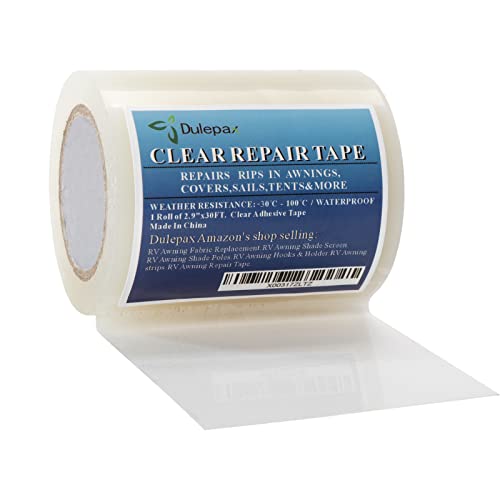
The Dulepax repair tape offers a decent adhesion for general repairs, and we found it to be reasonably effective on a variety of surfaces. It has a somewhat flexible feel, allowing it to adapt to moderately curved areas without immediate signs of peeling. The tape itself feels durable enough for everyday fixes around the campsite or home.
My primary observation was that while the adhesion is good, it doesn’t quite reach the tenacity of some premium outdoor repair tapes. On materials that experience significant stress or constant flexing, like a tent fly in windy conditions, I noticed it could eventually begin to lift at the edges. It’s a solid performer, but perhaps not for the most extreme environments.
Who is this specifically for? This tape is best suited for casual campers, backyard enthusiasts, or those needing to perform minor repairs on gear that isn’t constantly subjected to harsh weather or significant movement. If you need to patch a small tear in a picnic blanket or reinforce a garden hose, Dulepax could be a suitable option.
However, if you’re an avid backpacker or adventurer who relies on their tent to withstand unpredictable conditions, you might want to invest in something with a more robust and long-lasting adhesive. This tape is not for high-stakes outdoor gear.
Pros
- Decent adhesion for general use.
- Reasonably flexible.
- Durable for minor repairs.
Cons
- Adhesion may not hold up under extreme stress or flexing.
10. Vikrom Tent Seam Tape
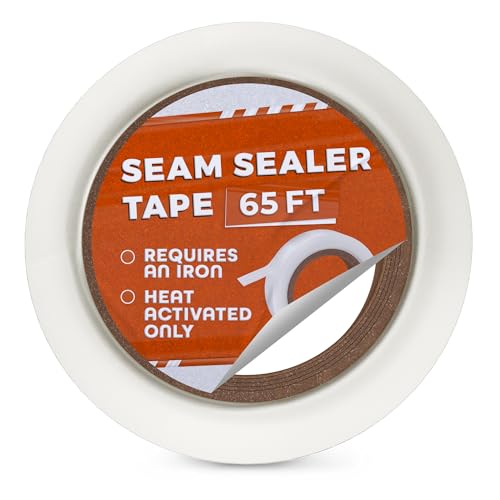
The VIKROM Tent Seam Tape immediately impresses with its generous length and width, offering ample material for multiple repairs or larger seam sealing projects. We found its adhesive to be quite strong, creating a reliable bond on typical tent fabrics. The tape itself has a good balance of flexibility and strength, allowing it to conform well to tent seams without feeling overly stiff or prone to cracking.
I did notice that the backing paper, while offering good protection, can sometimes be a bit tricky to peel off cleanly, especially when working in less-than-ideal conditions like a campsite with cold fingers. This minor annoyance can slow down the repair process slightly, though it doesn’t detract from the tape’s overall effectiveness once applied.
Real-Life Usage Scenario: Picture this: you’ve just set up your tent, and you notice a small gap along a seam where water might seep in. With the VIKROM tape, you’d clean the seam, carefully peel a length of tape, and then meticulously press it along the entire seam, ensuring full contact. The tape creates a waterproof barrier, effectively sealing the seam and providing peace of mind for your camping trip.
This tape is a fantastic option for anyone looking to proactively seal new tent seams or repair existing ones, particularly for those who value a comprehensive solution. If you’re primarily looking for a tape to patch holes rather than seal seams, or if you need something incredibly discreet, you might consider other specialized products.
Pros
- Generous length and width.
- Strong adhesive for seams.
- Good balance of flexibility and strength.
Cons
- Backing paper can be difficult to peel.
Comparison Table
| Product Name | Material | Waterproof | Adhesive Type |
| Cahomo Nylon Repair Tape | Nylon | Yes | Self-Adhesive |
| Tikfoam Waterproof Repair Tape | Fabric | Yes | Self-Adhesive |
| KING MOUNTAIN Canvas Repair Tape | Canvas | Yes | Self-Adhesive |
| Gorilla Waterproof Patch & Seal Tape | Unknown | Yes | Butyl Rubber |
| GEAR AID Tenacious Tape Clear Vinyl | Vinyl | Yes | Permanent Adhesive |
| GEAR AID Tenacious Tape Repair and Seam Tape | Fabric | Yes | Permanent Adhesive |
| Tent Repair Tape | Unknown | Yes | Self-Adhesive |
| Tikfoam RV Awning Repair Tape | Unknown | Yes | Self-Adhesive |
| Dulepax | Unknown | Unknown | Unknown |
| VIKROM Tent Seam Tape | Unknown | Yes | Seam Sealer |
Frequently Asked Questions
What Is the Best Type of Tape for a Tent Rip?
For a tent rip, the best tape is a strong, durable, and waterproof adhesive tape. Specialized tent repair tapes are ideal. These often use a powerful adhesive. They are designed to stick well to synthetic fabrics like nylon and polyester.
Look for tapes that are UV resistant. This prevents sun damage from weakening the repair. The tape should also be flexible enough to conform to the tent’s shape. This ensures a secure and long-lasting patch that won’t peel off.
Can Duct Tape Fix a Tent?
Duct tape can offer a temporary fix for a tent. It’s readily available and easy to use in emergencies. However, it’s not the best long-term solution for tent repair. Duct tape adhesive can degrade over time. It may lose its stickiness when exposed to moisture and sun.
The fabric of duct tape can also fray. This can lead to further damage. For a reliable and durable repair, it’s better to use tape specifically designed for outdoor gear. This will provide a more robust and weather-resistant patch.
How Do I Prepare the Tent for Tape Repair?
First, clean the area around the tear thoroughly. Remove any dirt, debris, or moisture. A clean surface is essential for the tape to adhere properly. Use a damp cloth to wipe the area. Then, allow it to dry completely before applying the tape.
Ensure the fabric is taut and smooth. This helps create a better bond. If the tear is large, you might need to slightly overlap the edges before applying the tape. This reinforces the damaged area. A good preparation ensures the tape’s effectiveness.
How Long Does Tent Repair Tape Last?
The lifespan of tent repair tape depends on several factors. High-quality, specialized tent repair tapes can last for several years. This is true if they are applied correctly and the tent is stored properly. Factors like UV exposure and frequent use will shorten its life.
For optimal longevity, choose tapes that are explicitly labeled as UV-resistant and waterproof. Proper storage of your tent, such as keeping it dry and out of direct sunlight when not in use, also contributes to the tape’s durability. Regular inspection of the repair is recommended.
Can I Use Fabric Glue Instead of Tape?
Fabric glue can be a viable alternative to tape for some tent repairs. It’s particularly useful for small tears or reinforcing seams. Fabric glues designed for outdoor gear offer good flexibility and water resistance. They create a strong bond when cured properly.
However, fabric glue might be messier to apply in the field. It also requires drying time, which might not be practical during a camping trip. Tape offers a quicker, more immediate solution for emergency repairs. For larger tears, tape might provide better structural support.
Final Verdict
For most tent repairs, we highly recommend Gear Aid Tenacious Tape. It offers an excellent balance of adhesive strength, durability, and flexibility. Its waterproof and UV-resistant properties make it ideal for outdoor use. The tape is easy to cut and apply, even in challenging conditions. Tenacious Tape provides a reliable, long-lasting repair that will keep your tent functional for many adventures to come.