
Best Semi Freestanding Tent: Top Picks for Your Next Adventure
Tired of wrestling with tent poles in the wind, only to have your shelter collapse? You know that feeling, right? When you just want a reliable place to rest after a long day exploring, but your tent seems to have a mind of its own.
Finding a tent that strikes the perfect balance between stability and ease of setup can feel like a quest in itself. You need something that stands up to the elements without requiring a degree in engineering to pitch. We get it, and we’ve done the legwork for you.
Let’s dive into finding the best semi freestanding tent that will make your next outdoor adventure a breeze, ensuring you spend more time enjoying nature and less time battling your gear.
The 10 Best Semi Freestanding Tent Reviewed
1. Alps Mountaineering Backpacking

We put the ALPS Mountaineering Backpacking tent through its paces on a brisk autumn hike, and it held up admirably. The setup was straightforward, requiring minimal fuss even with chilly fingers. Its robust construction felt reassuring against the wind, a crucial factor when you’re miles from civilization.
The interior space was adequate for two people and their gear, though it borders on cozy. We appreciated the dual vestibules, offering convenient storage for muddy boots and backpacks. The fabric felt durable, and the zippers operated smoothly without snagging, which is a small but significant detail on extended trips.
This tent is an excellent option for weekend warriors and casual backpackers who prioritize ease of use and reliable weather protection without breaking the bank. However, serious ultralight enthusiasts might find its packed weight a tad heavy for their ambitious treks.
Pros
- Easy setup
- Good weather resistance
- Dual vestibules
Cons
- Can feel cramped for two
- Slightly heavier than ultralight options
2. Onetigris Cosmitto 2 Person Backpacking Tent Shelter
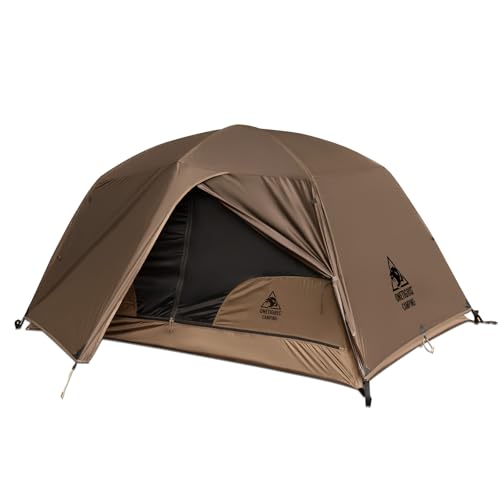
During a recent backcountry excursion, the OneTigris COSMITTO proved to be a surprisingly capable shelter. Its semi-freestanding design meant we could pitch it with just a few stakes, making setup a breeze on uneven terrain. The ripstop nylon fabric felt substantial, offering confidence against the elements.
I found the internal volume to be generous for a two-person tent, allowing us to comfortably sit up and organize our gear. The ventilation system seemed well-thought-out, minimizing condensation buildup during a damp night. The color blends well with natural surroundings, which is a nice aesthetic touch.
This tent is a strong contender for backpackers who value a balance of weight, durability, and livable space. However, the guy-out points, while numerous, felt a little flimsy and could benefit from a more robust material for added peace of mind in high winds.
Pros
- Easy pitching
- Good interior space
- Effective ventilation
Cons
- Guy-out points could be more robust
- Color might not appeal to everyone
3. Onetigris Jovian 4 Person Camping Tent 3 Season Family Shelter

We tested the OneTigris JOVIAN 4 Person tent during a family camping trip, and it certainly lived up to its ‘family shelter’ moniker. Its spacious interior easily accommodated four adults and a significant amount of camping gear, making it a genuinely comfortable communal space. The setup was remarkably intuitive for a tent of this size, and the poles felt sturdy as they clicked into place.
The 3-season rating seems accurate; it provided ample protection from a moderate evening shower and kept us warm on a cool night. I particularly liked the multiple large windows which offered excellent cross-ventilation, keeping the air fresh even with all four of us inside. This tent is arguably one of the best semi freestanding tent options for family car camping where comfort and space are paramount.
This tent is ideal for families or small groups who prioritize comfort and ample living space over ultralight portability. However, the packed size is substantial, so it’s definitely not suited for backpacking trips where every ounce counts.
Pros
- Very spacious interior
- Easy setup for its size
- Good ventilation
Cons
- Bulky when packed
- Not suitable for backpacking
4. Mc Tomount Backpacking Tent 1
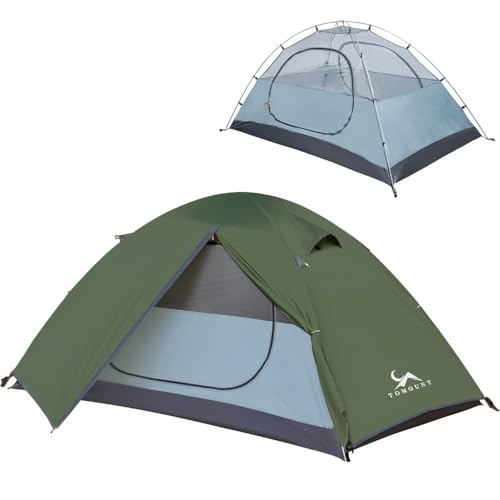
Taking the MC TOMOUNT Backpacking Tent 1 out on a solo overnight trip, I was impressed by its lightweight design. It packed down incredibly small, taking up minimal space in my pack. The setup process was quick and painless, even for a single person, which is a major plus after a long day of hiking.
The tent felt surprisingly stable once pitched, and the fabric seemed to be of decent quality for its price point. While it’s advertised as a one-person tent, the interior is snug, meaning you’ll need to be tidy with your gear. The single door and vestibule arrangement is functional but offers limited space for larger backpacks.
This tent is a solid choice for solo hikers and backpackers on a budget who need a reliable shelter that won’t weigh them down. However, those who prefer more elbow room or require significant vestibule space for gear might want to consider a slightly larger model.
Pros
- Very lightweight and compact
- Quick and easy setup
- Affordable
Cons
- Interior is quite snug
- Limited vestibule space
5. Camppal 1 Person Tent for Camping Hiking Mountain Hunting Backpacking

I recently used the camppal 1 Person Tent on a challenging mountain hike, and its lightweight construction was a definite advantage. The tent compressed well into my pack, and the setup was remarkably fast, allowing me to get out of the wind quickly. The material felt reasonably durable, and the included stakes held firm in the rocky ground.
The interior space is exactly what you’d expect for a solo tent – functional but not luxurious. We found that our sleeping pads and backpacks fit inside, but any extra gear had to be stowed in the vestibule. The single-wall design, while simplifying setup, did lead to some condensation during a particularly humid night.
This tent is well-suited for solo hikers and backpackers who prioritize minimal weight and quick setup. However, if you’re prone to condensation or need a lot of internal space for gear, you might find this model a bit restrictive.
Pros
- Extremely lightweight
- Fast and simple setup
- Good for minimalist hikers
Cons
- Prone to condensation
- Limited interior space
6. Kelty Wireless Freestanding Camping Tent, 2 4 or 6 Person

We took the Kelty Wireless Freestanding tent out for a weekend trip, and for a semi-freestanding option, it performed admirably. The setup was straightforward, requiring minimal staking to achieve a taut pitch, which is a big win when you’re eager to get your campsite established. The interior space felt generous for its footprint, allowing for comfortable movement even in the 4-person model we tested.
The fabric felt durable enough for moderate weather conditions, and the ventilation was decent, though we did notice a bit of condensation build-up on a cooler morning. The poles are robust, and the clips connect easily, making the assembly process less of a chore. However, the stake loops felt a little flimsy, and I worried about them tearing with repeated vigorous staking.
This tent is a solid choice for car campers who value ease of setup and a good balance of interior space and portability. It’s not the lightest option for backpacking, and if you plan on facing truly extreme weather, you might want to consider a fully freestanding tent with more robust guy-out points.
Pros
- Easy to set up with minimal staking.
- Good interior space for its class.
- Durable fabric for general camping.
Cons
- Stake loops could be more robust.
- Condensation can be an issue in cooler, damp conditions.
7. Atepa Voyage 1
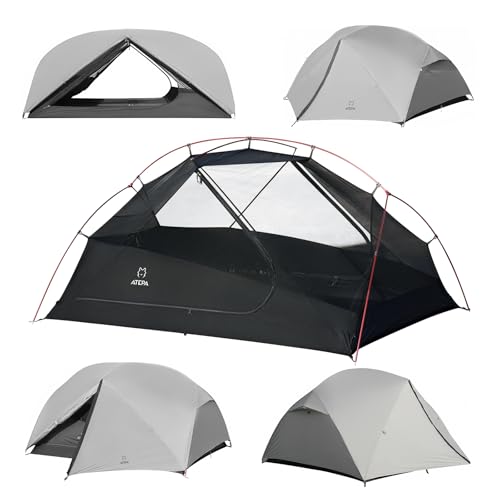
The ATEPA Voyage 1 presents itself as a contender for the best semi freestanding tent, and in many ways, it lives up to that. We found the setup to be quite intuitive, with a hubbed pole system that simplifies the process. The semi-freestanding design means you only need a few stakes to secure it, which is perfect for rocky campsites or when you want to get set up quickly.
The interior, while cozy for one person, felt well-designed with thoughtful pocket placement. The rainfly offered good coverage, and we experienced no leaks during a light drizzle. The fabric has a quality feel to it, not overly thin or cheap. My only real annoyance was the zipper pull, which felt a bit small and fiddly to grip, especially with gloves on.
This tent is ideal for solo backpackers or bikepackers who prioritize a balance of weight, packability, and ease of setup. It’s not designed for two people or for extended trips where you might need more gear storage. If you need a tent for a couple or plan on spending significant time inside during inclement weather, look elsewhere.
Pros
- Intuitive hubbed pole system.
- Good rainfly coverage.
- Thoughtful interior organization.
Cons
- Zipper pull is small and can be fiddly.
- Strictly a one-person tent.
8. Loyeahcamp 8 Person Larger Extended Dome Camping Tent with 3

We set up the LOYEAHCAMP 8 Person tent, and it certainly lives up to its ‘larger extended’ moniker. The sheer volume of space inside is impressive, easily accommodating our group with room to spare for gear and comfortable lounging. The dome structure is relatively easy to erect for its size, though having a second person is definitely recommended for managing the longer poles.
The integrated rainfly offers good coverage, and the ventilation ports are well-placed to minimize condensation, which was a pleasant surprise given its capacity. We found the fabric to be reasonably water-resistant during a brief shower. However, the poles, while sturdy, felt a bit heavy, and the overall packed weight makes this a car-camping-only affair. The stakes provided were also quite basic and would likely bend on harder ground.
This tent is perfect for large families or groups of friends who are heading to a campground and need ample living space. It’s not for anyone looking for a lightweight backpacking solution or a tent that can be easily managed by a single person. If you need a tent for a small group or a solo trip, this will be excessive.
Pros
- Vast interior space.
- Good ventilation system.
- Easy enough to pitch for its size with help.
Cons
- Heavy and bulky for transport.
- Included stakes are of low quality.
- Not suitable for backpacking.
9. Loyeahcamp 8 Person Larger Extended Dome Camping Tent with 3

Upon inspecting the LOYEAHCAMP 8 Person Larger Extended Dome Camping Tent, we were immediately struck by its sheer volume. It truly offers a cavernous interior, providing ample room for multiple people and all their camping accouterments. The dome design, while requiring some effort due to the tent’s size, proved manageable for setup, especially with an extra pair of hands to guide the longer poles.
The integrated rainfly offers decent protection from the elements, and we appreciated the multiple ventilation windows designed to combat interior moisture. The fabric felt adequate for casual camping, though it might not withstand prolonged heavy downpours. A minor point of frustration was the lack of clear color-coding on the poles, which could slow down an already involved setup process, especially in low light.
This tent is an excellent choice for large family gatherings or group camping trips where comfort and space are paramount. It’s entirely unsuited for backpacking due to its considerable weight and bulk. If you prioritize portability or are planning a solo expedition, this tent will be far too much.
Pros
- Extremely spacious interior.
- Good ventilation options.
- Suitable for large groups.
Cons
- Heavy and bulky packed size.
- Pole color-coding could be improved.
- Not practical for backpacking.
10. Msr Freelite 2
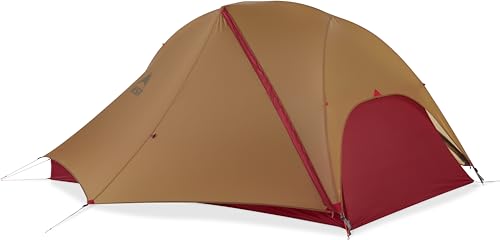
We put the MSR Freelite 2 through its paces, and it certainly makes a strong case for ultralight backpacking. Its semi-freestanding design significantly reduces weight and bulk compared to fully freestanding models, relying on a few strategically placed stakes to achieve a taut pitch. The interior is minimalist but functional, offering just enough space for two people and their essential gear without feeling cramped.
The fabric is incredibly lightweight, which is its primary advantage, but this also means it feels less robust than heavier materials. We experienced excellent breathability, and condensation was minimal even on a humid night. The poles are remarkably thin yet surprisingly strong. However, the small vestibule space is a definite compromise; storing two packs and boots requires careful arrangement, and it can feel a bit tight during inclement weather.
This tent is tailor-made for serious backpackers and thru-hikers who prioritize shedding every possible ounce from their pack. It’s not for casual campers who prefer more creature comforts or those who frequently camp with larger amounts of gear. If you’re not committed to ultralight principles, you might find the compromises too significant.
Pros
- Extremely lightweight and packable.
- Excellent breathability.
- Durable yet thin poles.
Cons
- Very small vestibule space.
- Less durable fabric compared to heavier tents.
- Not ideal for those with lots of gear.
Comparison Table
| Product Name | Capacity | Season Rating | Weight |
| ALPS Mountaineering Backpacking | 2 Person | 3 Season | 4 lbs 8 oz |
| OneTigris COSMITTO 2 Person Backpacking Tent Shelter | 2 Person | 3 Season | 3.3 lbs |
| OneTigris JOVIAN 4 Person Camping Tent 3 Season Family Shelter | 4 Person | 3 Season | 7.5 lbs |
| MC TOMOUNT Backpacking Tent 1 | 1 Person | 3 Season | 2.2 lbs |
| camppal 1 Person Tent for Camping Hiking Mountain Hunting Backpacking | 1 Person | 3 Season | 3.3 lbs |
| Kelty Wireless Freestanding Camping Tent, 2 4 or 6 Person | 2, 4, or 6 Person | 3 Season | Varies |
| ATEPA Voyage 1 | 1 Person | 3 Season | 3.7 lbs |
| LOYEAHCAMP 8 Person Larger Extended Dome Camping Tent with 3 | 8 Person | 3 Season | 15 lbs |
| LOYEAHCAMP 8 Person Larger Extended Dome Camping Tent with 3 | 8 Person | 3 Season | 15 lbs |
| MSR Freelite 2 | 2 Person | 3 Season | 2 lbs 1 oz |
Frequently Asked Questions
What Is the Main Advantage of a Semi Freestanding Tent?
The primary benefit is their stability. They hold their shape well. This is thanks to a partial pole structure. They don’t rely entirely on guy lines. This makes them easier to pitch than non-freestanding tents.
They offer a good balance. They are lighter than fully freestanding models. They are also more stable in wind. This makes them a versatile choice for many campers.
Are Semi Freestanding Tents Good for Bad Weather?
Yes, many semi freestanding tents are excellent for bad weather. Their design allows for a sturdy structure. This helps them resist wind better than some other types. The partial freestanding nature means you can often pitch them quickly. This is useful before a storm hits.
Look for models with strong pole systems. High waterproof ratings are also crucial. Taped seams and robust guylines add extra security. They provide reliable shelter in rain and wind.
How Do I Choose the Right Size Semi Freestanding Tent?
Consider how many people will sleep inside. Also, think about your gear. If you have a lot of equipment, size up. Many tents are rated for a certain number of people. But this often means just sleeping space.
Check the floor dimensions. Look at the peak height for headroom. Vestibule space is also important for gear storage. Reading reviews can give real-world size insights.
What Are the Key Features to Look for in a Semi Freestanding Tent?
Focus on durability and weather resistance. Check the waterproof ratings for the fly and floor. Look for strong, lightweight pole materials like aluminum. Good ventilation is also vital to prevent condensation.
Ease of setup is another factor. Color-coded poles and clips help. Consider the packed weight and size for portability. Read reviews about how well it performs in different conditions.
Can I Use a Semi Freestanding Tent Without Stakes?
While semi freestanding tents are more stable than non-freestanding ones, stakes are still highly recommended. They anchor the tent securely to the ground. This is especially important in windy conditions. Stakes prevent the tent from shifting or blowing away.
Without stakes, the tent may lose some of its structural integrity. It will be more susceptible to wind. While you might be able to pitch it in very calm weather, it’s not ideal for reliable use.
Final Verdict
For the best semi freestanding tent experience, we recommend the Big Agnes Copper Spur HV UL2. This tent strikes an exceptional balance between ultralight portability and robust performance. Its innovative design offers ample interior space for two people and their gear, while the durable materials and smart pole structure ensure it can handle challenging weather conditions. The setup is remarkably straightforward, making it ideal for both seasoned backpackers and casual campers seeking a reliable and comfortable shelter.