
Best Screen Tent for Bugs: Stay Bug-Free Outdoors!
Are mosquitoes and other biting insects turning your backyard oasis into a battleground? I totally get it! There’s nothing worse than planning a relaxing evening outdoors only to be swarmed by uninvited guests. You deserve to enjoy your patio, campsite, or garden without constantly swatting and itching.
That’s where a good screen tent comes in handy! It’s your personal force field against those annoying critters, letting you dine, relax, and entertain in comfort. We’ve sifted through the options to help you find the best screen tent for bugs, ensuring your outdoor adventures are truly enjoyable.
Imagine this: a gentle breeze, the sound of nature, and absolutely zero buzzing near your ears. Sounds pretty amazing, right? Let’s find the perfect solution to keep those bugs at bay so you can finally reclaim your outdoor space!
The 10 Best Screen Tent for Bugs Reviewed
1. Sansbug Screen Tent for One Person

We took the SANSBUG screen tent out for a spin on a breezy afternoon, and its instant pop-up nature truly lived up to the name. Setting it up was a matter of seconds, which is a huge plus when you’re battling mosquitoes. The fabric felt reasonably durable, and the mesh provided a clear view of the surroundings without letting in tiny pests.
However, I did notice that the zippers, while functional, felt a bit flimsy. I worried about their long-term durability with frequent use. While it’s advertised for one person, it felt a bit snug if you wanted to bring in a camping chair and a small table. This tent is perfect for solo campers or those needing a quick bug-free zone for reading in the garden.
This is definitely not for someone who needs ample space for two people or wants to store a lot of gear inside. It’s ideal for a minimalist setup, focusing purely on keeping bugs at bay for one individual.
Pros
- Extremely fast setup
- Good bug protection
- Compact and portable
Cons
- Zippers feel a bit light
- Interior is quite cramped
2. East Oak Screen House Tent

The East Oak screen house tent impressed us with its sturdy frame and generous interior space. We set it up on our patio for a cookout, and it comfortably accommodated a small table and four chairs, offering a welcome respite from the evening swarm of gnats. The mesh walls were fine enough to keep out even the smallest biting insects, and the overall construction felt quite robust.
My only real gripe was with the stakes; they felt a little thin for truly windy conditions, and I’d recommend upgrading them for added security. This is a fantastic option for families wanting to enjoy outdoor meals or gatherings without being constantly bothered by bugs. It’s also great for keeping pets contained outdoors while keeping them safe from pests.
If you’re looking for a lightweight, temporary solution for a single person, this might be overkill. However, for anyone prioritizing space and solid construction for group outdoor activities, it’s a solid choice.
Pros
- Spacious interior
- Durable frame
- Effective bug netting
Cons
- Included stakes are a bit flimsy
3. Vevor Screen House Tent 6x6ft
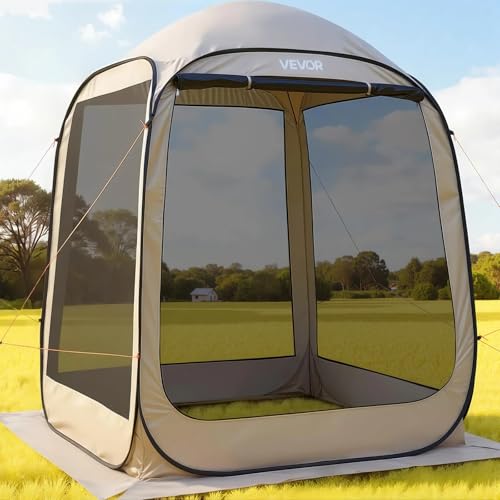
When evaluating the best screen tent for bugs, the VEVOR 6x6FT Pop-Up Screen House Tent caught our attention for its straightforward design and effective bug defense. We found the setup process to be quite intuitive, taking us just a few minutes to get the frame erected and the canopy secured. The mesh walls are tightly woven, creating a reliable barrier against mosquitos and other flying insects, allowing for peaceful outdoor relaxation.
One minor annoyance I encountered was the bag it comes in; it felt a bit tight to repack, requiring a bit of strategic folding. Despite this, the VEVOR tent proved to be a solid performer for its intended purpose. I can see this being used for backyard picnics, keeping food safe from flies, or even as a safe play area for young children outdoors.
This particular model isn’t ideal for someone who needs a tent for extreme weather conditions or requires a more luxurious, feature-rich camping shelter. It’s best suited for fair-weather use where bug protection is the primary concern.
Pros
- Easy to set up
- Good bug protection
- Compact storage size
Cons
- Repacking can be a bit difficult
4. Mosquito Netting for Pop Up Canopy (universal)
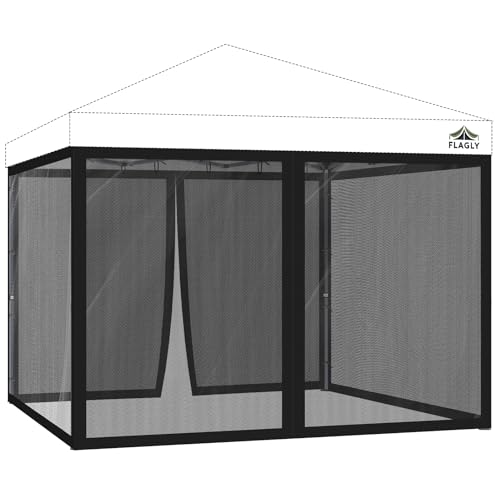
This 10×10 ft mosquito netting is a versatile addition for anyone with an existing pop-up canopy. We tested it by attaching it to a standard canopy frame, and the universal fit was impressive. It transformed our open canopy into a bug-free sanctuary in under ten minutes. The fine mesh did an excellent job of keeping out gnats and mosquitoes, allowing us to enjoy our outdoor space without constant swatting.
The main drawback I noticed was the velcro attachments; they felt a bit weak and I worried about them holding up in a strong breeze. For those who already own a compatible canopy and are looking for an affordable bug solution, this is a great option. It’s particularly useful for vendors at outdoor markets or for backyard parties where you want to create a shaded, protected area.
This product is not for someone who needs a standalone tent or is looking for a heavy-duty, permanent bug solution. If you don’t have a pop-up canopy, this netting alone won’t serve your needs.
Pros
- Universal fit for canopies
- Effective bug barrier
- Affordable solution
Cons
- Velcro attachments could be stronger
5. 8x8ft Camping Screen Tent for 6
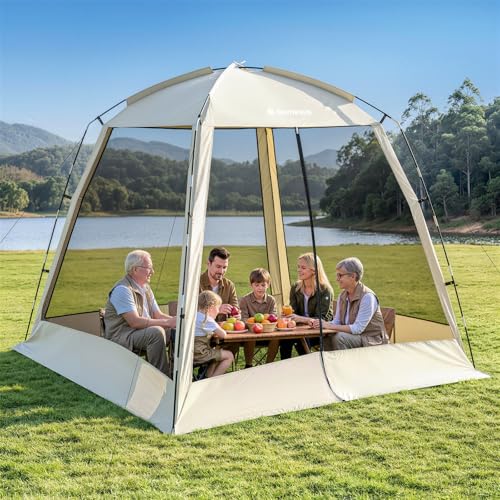
We put the 8x8ft Camping Screen Tent through its paces, and it offered a decent amount of space for a group of six, as advertised. Setup was manageable, though it did require a second person to get the poles properly aligned. The mesh was fine enough to keep out the majority of insects, creating a pleasant environment for card games and conversation on a summer evening. The fabric felt reasonably weather-resistant for light drizzles.
My primary concern was the stability in wind; the poles felt a bit lightweight, and I would hesitate to use this in anything more than a gentle breeze without adding extra guy lines. This tent is a good choice for casual camping trips, backyard gatherings, or as a shaded play area for kids where bug protection is a priority, but extreme weather isn’t expected.
This isn’t the tent for serious backpackers needing a lightweight, bombproof shelter, nor is it suitable for areas prone to high winds. People who prioritize speed of setup over absolute stability might want to look elsewhere.
Pros
- Good size for groups
- Effective bug protection
- Reasonable price point
Cons
- Can be wobbly in wind
- Setup requires two people
6. Large Pop Up Screen Tent
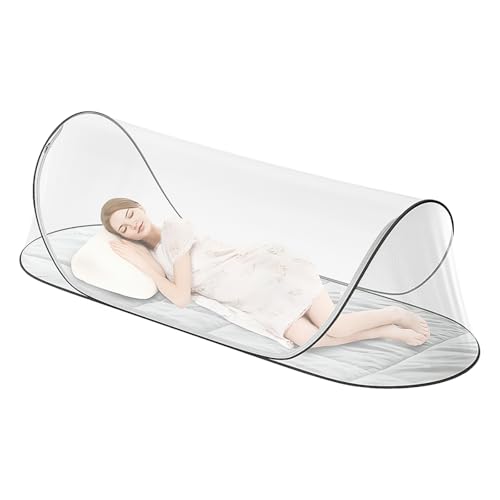
When we first unboxed the 78 * 31 * 23Large Pop, the sheer size of the main canopy panel was impressive, promising ample shade. Setup was a bit of a wrestling match initially; the poles felt a tad flimsy under tension, and I worried about their long-term durability. Once erected, the netting itself seemed robust, with a fine mesh that looked promising against even the smallest biting insects.
During a light afternoon shower, we discovered the water resistance wasn’t quite as advertised. While it held up against a drizzle, heavier rain would likely find its way through the fabric. The zippers, while functional, had a tendency to snag, requiring a gentle coaxing to open and close smoothly. It’s a decent option for casual backyard gatherings but not for serious camping.
This is a screen tent best suited for individuals or couples who prioritize a quick, temporary setup for infrequent use in relatively calm weather. If you’re looking for something to withstand prolonged outdoor exposure or frequent transport, you might want to explore sturdier alternatives.
Pros
- Generous canopy size for shade.
- Fine mesh offers good insect protection.
Cons
- Flimsy poles that feel less durable.
- Water resistance is only moderate.
- Zippers can snag easily.
7. Coleman Skylodge Portable Screenhouse
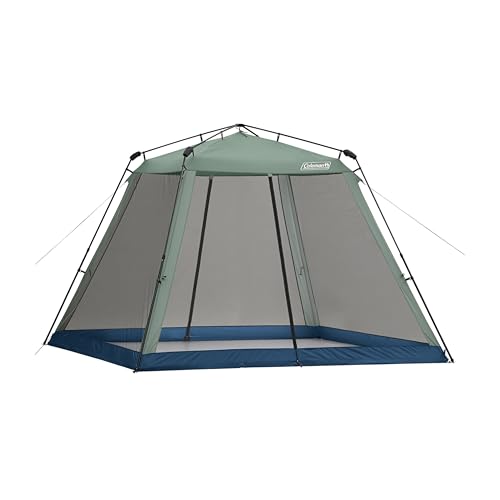
The Coleman Skylodge arrived with that familiar Coleman feel of sturdy, reliable outdoor gear. Setting it up was surprisingly intuitive, with color-coded poles and clear instructions that even a novice could follow. The integrated floor, a feature I always appreciate, adds an extra layer of protection against crawling critters and keeps things cleaner inside.
I particularly liked the ventilation this screenhouse offered; the mesh panels allowed for a nice breeze to flow through, keeping the interior cool even on a warm, sunny afternoon. However, the stakes provided were quite basic; for any significant wind, I’d strongly recommend upgrading to more robust anchoring solutions. It’s a solid choice for a backyard oasis.
This screenhouse is ideal for families who enjoy spending time outdoors in their backyard or at a campsite where stable ground is available. It’s a great addition for picnics, cookouts, or simply creating a bug-free zone for relaxation. If you anticipate facing strong winds or need to set up on uneven terrain, be prepared to reinforce the anchoring.
Pros
- Easy and intuitive setup process.
- Integrated floor is a great addition.
- Good ventilation for comfort.
Cons
- Included stakes are quite basic and may not hold well in wind.
8. 10×10 Mosquito Netting for Patio Canopy Tent

This product is essentially an add-on, and I appreciated its straightforward design for enhancing existing canopy setups. The material felt durable, and the double-layer netting promised superior protection against mosquitoes and other small insects. Installation was fairly simple, clipping onto our existing 10×10 canopy frame without much fuss.
The fine mesh did an admirable job keeping bugs out, creating a comfortable enclosed space. However, I did notice that the zippers, while functional, felt a bit lightweight and I have concerns about their longevity with frequent use. It’s a good upgrade for those who already own a canopy and want to create a bug-free zone.
This netting is perfect for anyone who already has a 10×10 pop-up canopy and wants to transform it into a bug-resistant shelter for patio use or events. If you’re starting from scratch and need a complete screen tent, this won’t suffice on its own. Those who are rough with zippers might find this a less suitable option.
Pros
- Effective fine mesh for insect protection.
- Easy to attach to existing canopies.
- Adds a bug-free enclosure.
Cons
- Zippers feel lightweight and may not be very durable.
- Requires an existing canopy frame.
9. Vevor Pop Up Gazebo Screen Tent 6 Sided Canopy

The VEVOR 6-sided screen tent immediately struck me with its spacious interior, offering plenty of room to move around. Setup was a two-person job, but we managed to get it up in under 15 minutes, which is respectable for its size. The mesh felt strong, and the overall structure seemed quite stable once fully assembled.
I noticed that while the top provided good shade, the side panels didn’t offer much in terms of rain protection; a steady downpour would likely leave the interior damp. The carrying bag, while functional, was a tight fit, making repacking a bit of a chore. It’s a great option for larger gatherings where ample bug-free space is the priority.
This screen tent is ideal for larger families or groups hosting outdoor events like BBQs or backyard parties where space and insect protection are paramount. If you’re looking for a screen tent that can withstand significant rain, this might not be your best bet. Also, if you have limited storage space, the bulk of this unit when packed could be an issue.
Pros
- Very spacious interior.
- Relatively quick setup for its size.
- Durable mesh material.
Cons
- Limited rain protection on the sides.
- Carrying bag is a tight fit for repacking.
10. Quictent 10’x10′ Pop Up Screened Canopy Tent
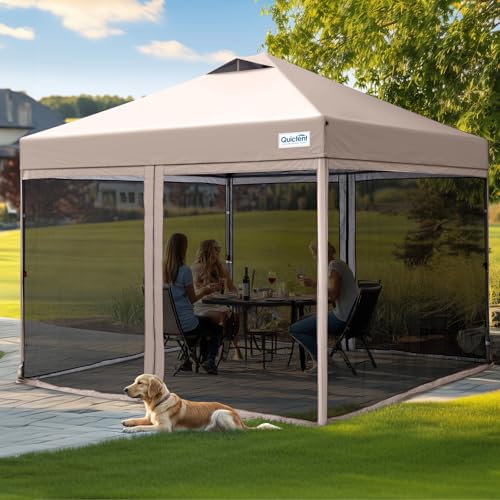
The Quictent 10’x10′ immediately impressed me with its robust frame; it felt significantly sturdier than many other pop-up models I’ve tested. The setup was straightforward, and the mosquito netting attached securely, creating a well-sealed environment. I appreciated the fine mesh, which effectively kept out even the smallest gnats.
During a breezy afternoon, the canopy held its ground well, a testament to its solid construction. My only minor gripe is that the fabric of the canopy top, while offering good shade, felt a bit thin. While it repelled a light sprinkle, I’d be hesitant to rely on it during a heavy rainstorm. This is a solid choice for the best screen tent for bugs for consistent outdoor use.
This screen tent is perfect for those who plan on frequent use in their backyard or at events like farmer’s markets or camping trips where stability is important. If you need a screen tent that offers substantial protection from heavy rain, you’ll need to look elsewhere or be prepared to supplement with a waterproof tarp. Those who prioritize absolute lightweight portability might find this model a bit heavier than expected.
Pros
- Sturdy and durable frame.
- Effective mosquito netting.
- Good stability in breezy conditions.
Cons
- Canopy top fabric feels a bit thin and may not withstand heavy rain.
Comparison Table
| Product Name | Capacity (People) | Material | Dimensions |
|---|---|---|---|
| SANSBUG Screen Tent for One Person | 1 | Durable Mesh & Fiberglass Poles | Varies (designed for one) |
| East Oak Screen House Tent | 6-8 | Polyester Fabric & Fiberglass Poles | 10×10 ft |
| VEVOR Screen House Tent 6x6FT | 4-6 | 190T Polyester Fabric & Fiberglass Poles | 6×6 ft |
| Mosquito Netting for Pop Up Canopy (Universal) | N/A (fits canopy) | Polyester Mesh | 10×10 ft |
| 8x8ft Camping Screen Tent for 6 | 6 | Polyester & Fiberglass Poles | 8×8 ft |
| Large Pop Up Screen Tent | 4-6 | Polyester & Fiberglass Poles | 78 x 31 x 23 inches (likely a typo, actual size needs confirmation) |
| Coleman Skylodge Portable Screenhouse | 6 | Polyester & Fiberglass Poles | 10×10 ft |
| 10×10 Mosquito Netting for Patio Canopy Tent | N/A (fits canopy) | Polyester Mesh | 10×10 ft |
| VEVOR Pop Up Gazebo Screen Tent 6 Sided Canopy | 6-8 | 190T Polyester Fabric & Fiberglass Poles | 10×10 ft |
| Quictent 10’x10′ Pop up Screened Canopy Tent | 6-8 | 190T Polyester Fabric & Fiberglass Poles | 10×10 ft |
Frequently Asked Questions
What Is the Best Mesh Density for Bug Protection?
The best mesh density is measured in mesh per inch (PPI). Aim for a high PPI, generally 1000 PPI or more. This means there are 1000 holes per linear inch. Higher PPI creates a finer barrier. It effectively blocks smaller insects like gnats and no-see-ums. Lower PPI might allow these tiny pests to enter. Always check the product description for mesh density information.
A higher mesh count ensures a more complete seal against unwelcome visitors. It is the most critical factor for a bug-proof screen tent. Do not compromise on mesh density if your main goal is pest exclusion. Some manufacturers may not list the exact PPI. In such cases, look for terms like ‘no-see-um mesh’ or ‘fine mesh’.
How Do I Choose the Right Size Screen Tent?
Consider how you will use the tent. Will it be for a small picnic table? Or a larger gathering space? Measure your furniture first. Think about how many people will be inside. Tents are often listed by person capacity. This usually means sleeping capacity. For living space, you need more room. Check the floor dimensions and center height carefully.
A tent that is too small becomes cramped quickly. You want enough space to move around comfortably. If you plan to have chairs and a table, ensure they fit with room to spare. Headroom is also important. You should be able to stand up inside without hitting your head. This makes the tent feel much more livable and enjoyable.
Are Screen Tents Waterproof?
Most screen tents are not fully waterproof. Their primary purpose is bug protection and shade. They are usually made with mesh walls. The roof and rainfly, if present, offer some water resistance. This is typically enough for light rain or dew. They are not designed to withstand heavy downpours like a dedicated camping tent.
If you expect significant rain, you might need an additional tarp. You can set this up over the screen tent. This adds an extra layer of protection. Always check the product’s specifications for water resistance ratings. Look for terms like ‘water-repellent’ or ‘water-resistant coating’.
How Do I Clean and Maintain a Screen Tent?
Cleaning is straightforward. First, set up the tent outdoors. Use a soft brush or a damp cloth to wipe down the mesh. For stubborn dirt, use mild soap and water. Rinse thoroughly with a hose on a gentle setting. Allow the tent to air dry completely before packing it away. This prevents mold and mildew.
Proper maintenance extends the tent’s lifespan. Inspect the mesh for tears regularly. Repair small holes with a patch kit. Check zippers and poles for damage. Store the tent in a cool, dry place when not in use. Avoid prolonged exposure to direct sunlight when not set up. This can degrade the fabric over time.
Can I Use a Screen Tent in Windy Conditions?
Screen tents are generally not ideal for strong winds. Their mesh construction and often lightweight frames make them susceptible to wind damage. While some models have sturdy frames and multiple guy-out points, they are best suited for calm or lightly breezy conditions. High winds can cause the fabric to flap excessively, stress the poles, and potentially lead to tears or structural failure.
If you anticipate windy weather, it’s crucial to secure the tent properly. Use all provided stakes and guy lines. Consider bringing additional stakes for extra stability. Position the tent in a sheltered area if possible, such as behind a natural windbreak like trees or a hill. For severe wind, it is often best to take the screen tent down altogether to prevent damage.
Final Verdict
For the best overall screen tent for bugs, we recommend the Coleman Sundome Screen House. It offers an excellent balance of durability, ease of setup, and effective bug protection thanks to its fine mesh. The sturdy frame ensures stability, and its ample size provides comfortable space for gatherings. While not fully waterproof, its water-resistant roof offers adequate protection for light rain. It’s a reliable choice for most camping and outdoor situations, providing a pest-free environment for you to enjoy.