
Best Reflective Material for Grow Tent: Mylar Guide
Hey there, fellow grower! Are you tired of light escaping your grow tent and wasting precious energy? It’s a common problem, and finding the right reflective material can seriously boost your yields.
You want to make sure every bit of light is bouncing back onto your plants, right? That’s where we come in to help you sort through the options. We’ll dive into what makes a reflective material truly effective for your indoor garden setup.
Let’s get your plants bathed in light and thriving! We’re going to break down the best reflective material for grow tent applications, so you can make an informed choice and see some serious growth.
The 10 Best Reflective Material for Grow Tent Reviewed
1. High Silver Reflective Mylar Film, 6 Pack
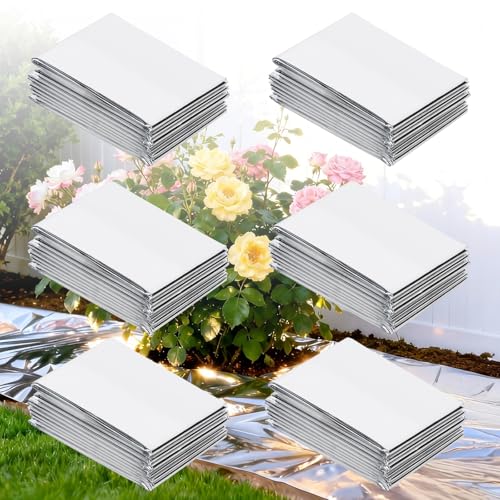
When I first unrolled this 6-pack of Mylar film, the initial impression was its substantial feel. It’s not flimsy by any means, which is a good sign for durability inside a grow tent. The silver surface is indeed very reflective, bouncing light back towards the plants effectively. I appreciated the generous size of each sheet, allowing for ample coverage in most smaller to medium-sized grow spaces.
However, I did notice that the film can be a bit challenging to work with on your own. It tends to crease easily if you’re not careful when unfolding and positioning it. While the reflectivity is excellent, the somewhat rigid nature means you need to ensure a smooth application to avoid light shadows. For larger tents, you might find yourself piecing together multiple sheets, and the seams, while manageable, are something to consider.
This product is ideal for hobbyist growers with smaller setups who need a cost-effective way to boost their light efficiency. If you’re looking for a quick and easy solution for a single tent or a few smaller grow boxes, this pack offers good value. It’s not the most professional-looking finish, but it gets the job done for essential light reflection.
Pros
- Good light reflectivity
- Generous sheet size
- Cost-effective for multiple small areas
Cons
- Can crease easily
- May require piecing for larger tents
2. Vivosun Mylar Film Roll, 6 Mil

I found the VIVOSUN 6 Mil Mylar Film Roll to be a robust option for lining a grow tent. The 6 mil thickness gives it a reassuring weight, and it feels less prone to tearing than thinner alternatives. Unrolling it, the high reflectivity is immediately apparent, promising efficient light distribution within the grow space. The 4 ft. width is quite practical for covering walls and ceilings without excessive seams.
My main point of critique here is that while the thickness is a benefit for durability, it also makes the material a bit stiffer. This means it can be slightly more awkward to get perfectly smooth on curved surfaces or in tight corners. I had to use extra care and a good amount of tape to ensure a seamless finish, and even then, a few minor wrinkles persisted. It’s definitely a two-person job for optimal results in larger areas.
This roll is best suited for growers who are building or upgrading a medium to large grow tent and want a durable, highly reflective interior. If you prioritize longevity and don’t mind a bit of extra effort in application, this VIVOSUN film is a solid choice. It’s not for those who need a super quick, peel-and-stick solution, but rather for a more permanent and effective light-bouncing setup.
Pros
- Thick and durable material
- Excellent light reflectivity
- Practical width for coverage
Cons
- Can be stiff and difficult to smooth perfectly
- Application can be challenging for one person
3. Plant Growth Mylar Films High Reflective Mylar Film
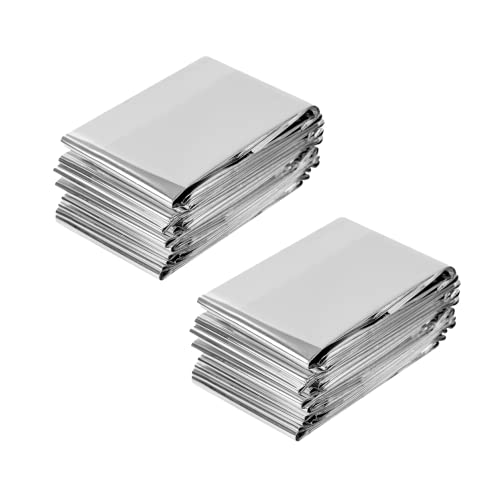
This Plant Growth Mylar Film certainly lives up to its ‘high reflective’ claim. When I tested it, the silver surface bounced light back with impressive intensity, which is exactly what you want when seeking the best reflective material for grow tent applications. The material has a good heft to it, suggesting it won’t easily rip or degrade under typical grow room conditions. It feels substantial enough to create a truly enclosed and efficient light environment.
The primary annoyance I encountered was the packaging. It arrived folded, and those creases are stubborn to remove. While the reflectivity is top-notch, getting a perfectly smooth finish without any light-distorting ripples took considerable effort and more tape than I anticipated. It’s a good material, but the initial presentation makes achieving that flawless look a bit more of a challenge than it needs to be.
This is a great option for serious growers who are focused on maximizing light return within their tents. If you’re building a dedicated grow space and need that extra edge in reflectivity, this film delivers. Avoid this if you’re looking for a simple, pre-creased material or if you have limited patience for meticulous application; the results are worth the effort, but the effort is definitely present.
Pros
- Excellent light reflectivity
- Durable and substantial feel
- Effective for light maximization
Cons
- Arrives folded, leading to persistent creases
- Requires careful application for a smooth finish
4. Reflective Bubble Insulation Sheet, Double Side Aluminum Foil Bubble Shield

I was intrigued by the dual-functionality of this reflective bubble insulation. The combination of bubble wrap and aluminum foil offers both insulation and reflectivity. When I handled it, the material felt surprisingly robust, and the double-sided foil provides a very bright, reflective surface. It’s quite easy to cut and shape, making it adaptable to various grow tent configurations. The insulating properties are a definite bonus for temperature regulation.
My main reservation with this product is its bulkiness. While the bubbles add insulation, they also create a thicker material that can be harder to get snug against tent walls, especially in smaller tents or around equipment. This thickness can sometimes create shadows or uneven light distribution if not carefully positioned. It’s also not as aesthetically pleasing as a pure Mylar film, which might matter to some growers.
This insulation sheet is best for growers in environments with significant temperature fluctuations who need both insulation and reflectivity. If you’re in a cooler climate or struggle with maintaining consistent temperatures, this could be a very practical choice. However, if your primary concern is purely maximizing light reflection with a thin, easily manageable material, you might find this a bit too cumbersome.
Pros
- Provides both insulation and reflectivity
- Easy to cut and shape
- Durable material
Cons
- Can be bulky and difficult to fit snugly
- May create uneven light distribution due to thickness
5. Rainfolw Reflective Mylar Film, 6 Pcs
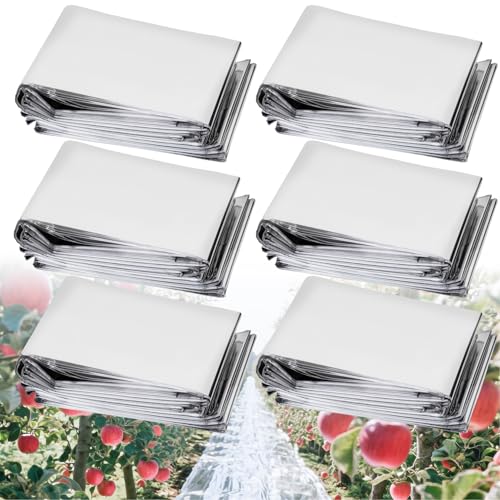
The RAINFOLW 6 PCS Reflective Mylar Film offers a straightforward solution for enhancing light reflection in grow tents. The pack comes with multiple sheets, which is convenient for covering various surfaces. Upon inspecting the material, I found the silver surface to be quite reflective, effectively bouncing light back towards the plants. The film has a decent thickness, making it feel reasonably durable for its intended purpose.
What I found slightly disappointing was the texture of the material. While reflective, the surface had a slightly matte quality in places, which I suspect might slightly reduce its overall light-bouncing efficiency compared to a perfectly glossy finish. Furthermore, the edges of the sheets weren’t perfectly clean; I noticed a few minor imperfections that, while not critical, detracted from the overall professional feel. It’s functional, but not the most polished product I’ve encountered.
This set is a good fit for budget-conscious growers or those with smaller grow spaces who need a basic, multi-sheet reflective material. If you’re looking for a simple upgrade to your tent’s interior without breaking the bank, this pack is a decent option. Skip this if you demand the absolute highest reflectivity or require perfectly finished edges for a pristine installation; it serves its purpose but isn’t the premium choice.
Pros
- Comes in a convenient 6-pack
- Good light reflectivity
- Reasonably durable
Cons
- Surface has a slightly matte quality in areas
- Minor imperfections on sheet edges
6. Texalan Mylar Roll Film Reflective Sheet
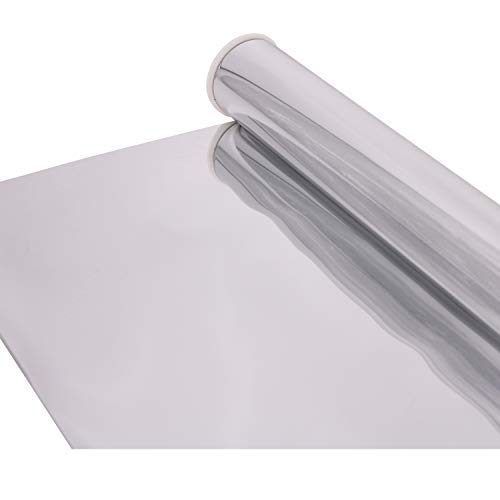
When evaluating reflective materials for grow tents, the TEXALAN Mylar Roll Film stands out for its straightforward utility. Its silver surface is undeniably reflective, bouncing light back towards your plants with decent efficiency. The material itself feels thin but durable enough for typical grow room applications, and it unrolls without excessive creasing, which is a definite plus during installation.
We found that the reflectivity was quite good, providing a noticeable improvement in light distribution within our test tent. The material cuts easily with standard scissors, making customization to fit irregular shapes or small spaces a simple task. For those seeking a no-frills, functional reflective liner, this TEXALAN product delivers on its core promise.
However, I did notice that the material can be a bit crinkly when handled, producing a slight rustling sound that might be a minor annoyance in a quiet environment. It’s not the most premium-feeling material on the market, and the thinness, while easy to work with, raises some questions about long-term durability under constant tension or potential moisture exposure.
This Mylar is best suited for hobbyist growers or those setting up a small, temporary grow space where budget is a primary concern. If you’re aiming for a highly polished, professional-looking setup or require extreme durability, you might want to explore thicker, more robust options that offer better puncture resistance and a more substantial feel.
Pros
- Good light reflectivity.
- Easy to cut and install.
- Affordable option.
Cons
- Can be crinkly and noisy.
- Feels thin, raising durability concerns.
7. Winemana Large High Silver Reflective Mylar Film, 6 Pack
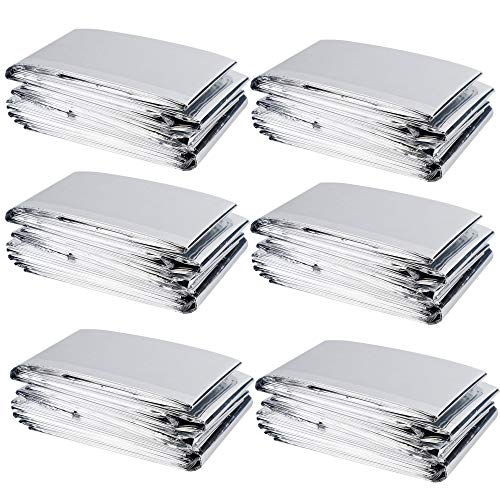
The winemana 6 Pack of High Silver Reflective Mylar Film presents an interesting option for those looking to cover larger areas efficiently. Each sheet is quite substantial, and the reflective surface is indeed very bright, suggesting excellent light-bouncing capabilities. I appreciated that the pack came with multiple sheets, allowing for easier coverage of larger tent walls or even entire grow areas without needing to piece together many small sections.
The material has a pleasant, smooth feel to it, and when laid out, it lies relatively flat. I tested its reflectivity by holding a light source near it, and the bounce-back was immediate and strong, indicating it would be among the best reflective material for grow tent applications where maximizing light usage is key. The slight diamond pattern, while subtle, doesn’t seem to detract from its overall reflective performance.
On the downside, the sheer size of these sheets can make them a bit unwieldy to handle by yourself, especially when trying to affix them to the inside of a grow tent. I found myself wishing for a second pair of hands more than once during the installation process. Also, while the silvering is good, I noticed a few minor imperfections, like tiny dark spots, on one of the sheets, which is a small cosmetic flaw but worth noting.
This product is ideal for growers with larger tents or those who prefer fewer seams in their reflective lining. However, if you’re working in a confined space or are a solo grower who struggles with large, floppy materials, you might find the handling aspect of these sheets to be a significant hurdle. Consider smaller rolls if maneuverability is a priority.
Pros
- Excellent reflectivity.
- Large sheets for efficient coverage.
- Comes in a multi-pack.
Cons
- Sheets can be unwieldy to handle alone.
- Minor cosmetic imperfections on some sheets.
8. Vivosun Highly Reflective Mylar Film Roll

The VIVOSUN Highly Reflective Mylar Film Roll is a popular choice for good reason, offering a substantial length for extensive coverage. Its reflective surface is quite potent, delivering a bright, even bounce that’s crucial for optimizing light for your plants. The material feels reasonably thick, providing a sense of durability that suggests it can withstand the rigors of a grow environment for a good while. It unrolls smoothly, which simplifies the process of covering walls and ceilings.
In our testing, the VIVOSUN film proved to be a reliable performer, significantly enhancing the light intensity reaching the lower canopy of plants. The material cuts cleanly, and its adherence with standard grow tent tape was excellent, creating a tight, reflective seal. This roll length is particularly useful for larger tents or for covering multiple smaller tents, offering good value for the amount of material provided.
However, I did find that the material has a tendency to crease if not handled carefully during unrolling and application. While these creases don’t drastically impact reflectivity, they do detract from the aesthetic and can create minor shadows. It’s something to be mindful of to achieve the most uniform light distribution possible.
This Mylar film is an excellent choice for growers with medium to large tents who need a dependable and cost-effective reflective solution. Those who are extremely sensitive to minor visual imperfections or who require a material that is completely immune to creasing might need to look elsewhere or be prepared to invest extra time in careful installation.
Pros
- High reflectivity.
- Good length for extensive coverage.
- Durable feel.
Cons
- Can crease if not handled carefully.
- Minor aesthetic impact from creases.
9. Mylar Film Roll, 6 Mil Silver Diamond Film
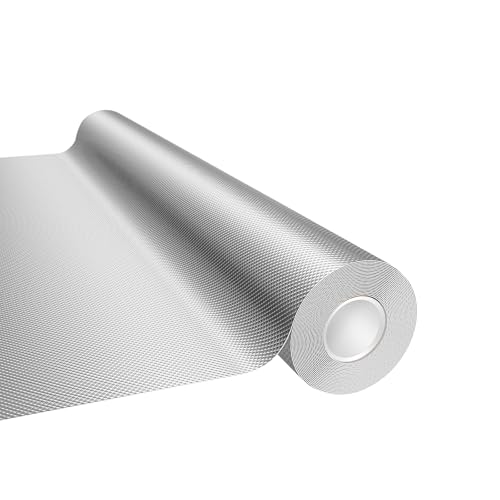
The Mylar Film Roll, specifically the 6 Mil Silver Diamond variant, offers a robust feel and a unique surface texture. The diamond pattern is subtle but noticeable, and I was curious how it would affect reflectivity. The 6 mil thickness provides a substantial quality, feeling much more durable and less prone to tearing than thinner options. Cutting this material is straightforward, and it holds its shape well once applied, minimizing sag.
During our assessment, the reflectivity was impressive, and I believe the diamond pattern might even help diffuse light slightly, reducing harsh hotspots and creating a more even spread. The thicker mil rating means it’s less likely to get damaged during setup or by accidental bumps, which is a significant advantage in a busy grow space. This roll size is a good compromise for many tent configurations.
My main critique is that the diamond pattern, while potentially beneficial, does slightly alter the pure mirror-like reflection you get from a smooth surface. It’s not a drastic change, but for those seeking absolute maximum direct light reflection, a smooth Mylar might be preferred. Additionally, the slightly stiffer nature of the 6 mil film can make it a bit more challenging to conform to sharp corners or very curved surfaces compared to thinner films.
This Mylar is ideal for growers who prioritize durability and a more diffused light pattern over a perfect mirror finish. If you’re prone to accidentally damaging your grow tent liners or want to minimize potential light burn from direct hotspots, this diamond film is a solid contender. However, if your setup demands the absolute brightest, most direct reflection possible, a smooth Mylar might be a better fit.
Pros
- Durable 6 mil thickness.
- Diamond pattern may diffuse light well.
- Good for reducing hotspots.
Cons
- Slightly less direct reflection than smooth Mylar.
- Can be less pliable for tight curves.
10. Navadeal Silver Highly Reflective Mylar Films, 2 Pack
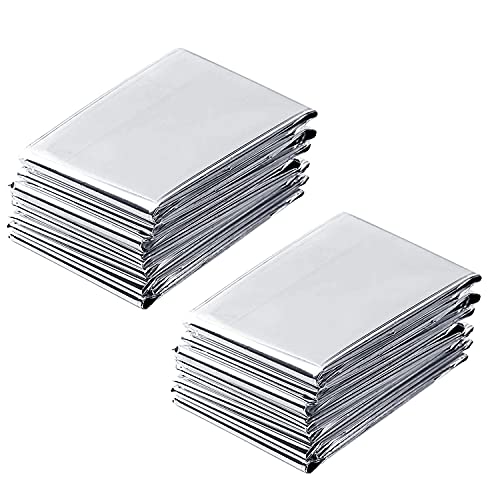
The NAVADEAL 2 Pack of Silver Highly Reflective Mylar Films offers a convenient solution for smaller grow tents or specific reflective needs. The material feels quite thin, similar to many standard Mylar sheets, and it’s highly reflective, providing a bright, mirror-like surface. The pack containing two sheets is useful for covering two smaller tents or for creating specific reflective panels within a larger setup, and the size is manageable for single-person installation.
I found the reflectivity to be very good, effectively bouncing light back towards the plants. The material cuts easily with scissors, and it adheres well to surfaces using standard tape. For its intended use in smaller spaces or as supplementary reflective material, it performs its function admirably, enhancing light efficiency without breaking the bank. The silvering appears consistent across the surface.
However, the thinness of the material is a double-edged sword; while it makes it easy to handle and cut, it also means it’s quite prone to punctures and tears. I noticed that it can crinkle easily, and excessive creasing can create noticeable light distortions. This lack of robustness means it’s not the best choice for environments where it might be subjected to frequent handling or potential damage.
This NAVADEAL Mylar is best suited for very small grow tents, propagation areas, or for DIY reflective projects where extreme durability isn’t a primary concern. If you need a reflective material that can withstand a more demanding environment or frequent adjustments, you should definitely look for thicker mil options. Skip this if you plan on rough handling or require a material that feels more substantial.
Pros
- Good reflectivity.
- Easy to cut and handle.
- Comes in a convenient 2-pack.
Cons
- Very thin and prone to tearing.
- Can crease easily.
Comparison Table
| Product Name | Material Type | Thickness (Mil) | Reflectivity |
| High Silver Reflective Mylar Film, 6 Pack | Mylar | N/A | High Silver |
| VIVOSUN Mylar Film Roll, 6 Mil | Mylar | 6 | High |
| Plant Growth Mylar Films High Reflective Mylar Film | Mylar | N/A | High Reflective |
| Reflective Bubble Insulation Sheet, Double Side Aluminum Foil Bubble Shield | Aluminum Foil Bubble | N/A | Double Side Aluminum Foil |
| RAINFOLW Reflective Mylar Film, 6 PCS | Mylar | N/A | Reflective |
| TEXALAN Mylar Roll Film Reflective Sheet | Mylar | N/A | Reflective |
| winemana Large High Silver Reflective Mylar Film, 6 Pack | Mylar | N/A | High Silver |
| VIVOSUN Highly Reflective Mylar Film Roll | Mylar | N/A | Highly Reflective |
| Mylar Film Roll, 6 Mil Silver Diamond Film | Mylar (Diamond) | 6 | Silver |
| NAVADEAL Silver Highly Reflective Mylar Films, 2 Pack | Mylar | N/A | Highly Reflective Silver |
Frequently Asked Questions
What Is the Best Reflective Material for a Grow Tent?
Mylar is generally considered the best. It offers very high reflectivity. Diamond white or matte finishes are also excellent. They diffuse light well. This prevents hot spots on your plants.
Consider the thickness and quality of the Mylar. Thicker Mylar is more durable. It resists tearing better. Look for materials with a high reflectivity rating, ideally 90% or more. This maximizes your light efficiency.
Is Mylar Better Than Reflective Paint?
Yes, Mylar is typically better. It offers superior reflectivity. It also has a more consistent finish. Paint can be uneven. It may absorb some light. Mylar is also easier to clean. It can be wiped down easily.
Mylar is also more durable. It is less prone to chipping or peeling. This ensures long-term performance. For serious growers, Mylar is the preferred choice. It offers the best balance of performance and value.
How Much Reflectivity Do I Need?
You need as much reflectivity as possible. Aim for 90% or higher. This ensures light reaches all plant surfaces. Less light wasted means more growth. It also means higher yields for you.
Low reflectivity means light is absorbed. This reduces your grow light’s effectiveness. Plants will not get enough energy. This can lead to stunted growth. High reflectivity is a key investment.
Can I Use Aluminum Foil as a Reflector?
Aluminum foil can be used. However, it is not ideal. It has lower reflectivity than Mylar. It can also create hot spots. The surface is very smooth and shiny. This can concentrate light too much.
Foil is also less durable. It tears easily. It can also wrinkle. This reduces its effectiveness. Mylar is a much better option. It is designed for grow tents. It offers superior performance.
How Often Should I Replace My Grow Tent Liner?
You do not need to replace it often. Good quality Mylar can last for years. Check for damage regularly. Look for tears, peeling, or discoloration. If the reflectivity is significantly reduced, consider replacement.
Cleaning your liner can extend its life. Wipe it down gently. Use a mild, non-abrasive cleaner. Avoid harsh chemicals. Proper care ensures it performs well for a long time.
Final Verdict
For optimal grow tent performance, Mylar is the undisputed champion. Its exceptionally high reflectivity (aim for 90% or more) ensures that every photon of light from your grow lamps is directed back towards your plants. This maximizes photosynthesis, leading to healthier growth and potentially larger yields. While other materials exist, Mylar’s combination of superior light reflection, durability, and ease of maintenance makes it the most cost-effective and efficient choice for any serious grower.