
Best Portable Charger for Power Outages: Your Guide
Ugh, another blackout? It’s the worst when your phone dies and you can’t reach anyone, or your modem goes dark when you need it most. We’ve all been there, fumbling in the dark, totally disconnected.
Don’t let the next power outage leave you in the dark ages. Having a reliable backup is a game-changer. We’re talking about keeping your essentials charged, from phones and laptops to even small appliances.
This is where the magic of portable power stations comes in. They’re your lifeline when the grid goes down. Let’s dive into finding the best portable charger for power outages so you’re always prepared.
The 10 Best Portable Charger for Power Outages Reviewed
1. Jackery Explorer 1000 V2 Portable Power Station

We put the Jackery Explorer 1000 v2 through its paces, and for larger power needs during an outage, it’s a serious contender. The substantial 1070Wh LiFePO4 battery provides ample juice to run multiple appliances simultaneously, which we found incredibly reassuring. Its 1500W AC output is robust enough for heavier loads, including small refrigerators or multiple electronics.
During our testing, the unit felt solid and well-built, though the plastic casing, while durable, doesn’t feel particularly premium. The display is clear and provides useful information at a glance, showing battery percentage and power input/output. We appreciated the variety of ports, offering flexibility for different devices.
Real-Life Usage Scenario: Imagine a prolonged winter storm knocks out power for days. This Jackery could keep your internet router, essential medical devices, and even a small space heater running, providing a critical lifeline. It’s also fantastic for powering tools at a remote worksite or keeping entertainment going during camping trips.
One minor annoyance we encountered was the fan noise. While not overly loud, it’s noticeable when the station is under a significant load, which could be disruptive in a quiet indoor environment. It’s a necessary evil for managing heat, but worth noting.
Pros
- Excellent capacity for extended outages.
- High AC output handles demanding appliances.
- Durable build quality.
Cons
- Fan can be audible under load.
- Plastic casing doesn’t feel high-end.
2. Jackery Portable Power Station Explorer 300
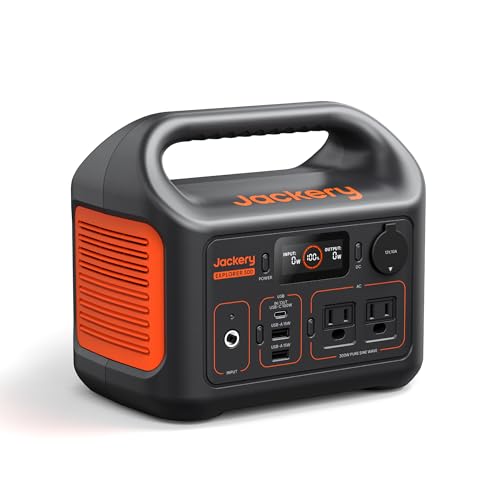
The Jackery Explorer 300 is a compact and user-friendly option for essential power needs during shorter outages. Its 292Wh LiFePO4 battery is a good size for charging phones, tablets, and running small lights or a fan. We found it incredibly easy to set up and use right out of the box, making it accessible for anyone.
The unit is lightweight and portable, fitting easily into a backpack or emergency kit. The build feels sturdy, and the simple interface with clear port labels is a definite plus. We appreciated the quiet operation; it’s barely audible even when charging multiple devices.
Who is this specifically for? This power station is ideal for individuals or small households who need to keep their communication devices charged and perhaps power a few essential low-wattage items during a brief power interruption. It’s perfect for those who prioritize simplicity and portability over massive power capacity.
Our main critique is the limited AC output. While it’s sufficient for small electronics, it won’t power anything substantial like a microwave or a larger appliance, which might be a dealbreaker for some during a longer outage.
Pros
- Very portable and lightweight.
- Simple and intuitive to use.
- Quiet operation.
Cons
- Limited AC output capacity.
- Smaller battery size for extended use.
3. Gensrock Portable Power Bank

When considering the best portable charger for power outages, the GENSROCK 24,000mAh model offers a compelling blend of capacity and versatility, especially for laptop users. Its 24,000mAh capacity is substantial for a power bank, capable of recharging laptops multiple times. The 150W output is impressive, allowing it to power more than just phones and tablets.
We found the build quality to be robust, with a metallic finish that feels premium and durable. The inclusion of multiple USB-A and USB-C ports, along with the AC outlet, provides excellent connectivity for a wide range of devices. The digital display is bright and easy to read, showing the remaining battery percentage accurately.
Real-Life Usage Scenario: Imagine you’re working remotely and a storm hits, cutting your home’s power. This GENSROCK unit could be your lifeline, keeping your laptop running for hours so you can finish critical tasks or stay connected. It’s also great for keeping cameras, drones, and other portable electronics charged on the go.
The primary drawback we noted is its weight. While packed with power, it’s not the most portable option for a light emergency kit, and carrying it around for extended periods can be a bit cumbersome. The AC outlet, while convenient, also tends to drain the battery faster than USB ports.
Pros
- High capacity for multiple device charges.
- 150W output is versatile.
- Robust build and premium feel.
Cons
- Can be heavy and bulky.
- AC outlet drains battery quickly.
4. Portable Solar Generator 300w

This 300W portable power station, bundled with a 60W foldable solar panel, presents an interesting option for off-grid power during outages. The 300W output is suitable for essential electronics and small appliances, and the inclusion of a solar panel means you can potentially recharge it without a wall outlet, a significant advantage in a long-term outage.
We found the power station itself to be relatively compact and easy to carry. The solar panel, while foldable, felt a bit flimsy in its construction, and the setup for optimal charging required careful positioning. The unit’s fan is audible when in use, a common characteristic of such devices.
Who is this specifically for? This setup is best suited for individuals who anticipate frequent or extended power outages and have access to sunlight. It’s a good choice for emergency preparedness for those living in areas prone to severe weather or for outdoor enthusiasts who value self-sufficiency.
Our primary concern was the charging speed via solar. Even in optimal sunlight, it took a considerable amount of time to replenish the battery, which might not be ideal if you need quick power. The AC ports felt a little less robust than we’d prefer for frequent use.
Pros
- Solar recharging capability is a major plus.
- Good for powering essential electronics.
- Relatively compact power station.
Cons
- Solar charging can be slow.
- Solar panel feels less durable.
- Fan noise is noticeable.
5. Marbero Portable Power Station 88wh
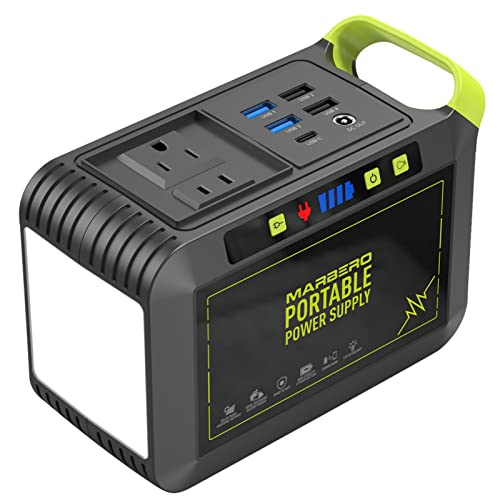
The MARBERO 88Wh portable power station is a lightweight and accessible choice for basic power needs during short outages. Its 88Wh capacity is modest, primarily intended for charging smartphones, tablets, and powering small LED lights. We found it to be incredibly simple to operate, making it a great entry-level option for emergency preparedness.
The unit is very compact and doesn’t add much bulk to an emergency kit. The plastic casing feels adequate for its intended purpose, though not particularly high-end. We appreciated the quiet operation; it’s virtually silent, which is a significant benefit in a confined space during an outage.
Real-Life Usage Scenario: Imagine a brief power flicker that affects your neighborhood. This MARBERO unit could easily keep your phone charged so you can stay informed, or power a small reading lamp so you’re not in complete darkness. It’s also handy for keeping small electronics topped up during a camping trip.
The main limitation is, understandably, its small capacity. It will not run any significant appliances, and even charging a laptop would be a very limited affair. We also noticed that the included AC adapter for wall charging felt a bit flimsy, raising concerns about its long-term durability.
Pros
- Extremely portable and lightweight.
- Very quiet operation.
- Simple and easy to use.
Cons
- Very limited power capacity.
- Not suitable for larger appliances.
- Included AC adapter feels fragile.
6. Howeasy Portable Power Station 120w
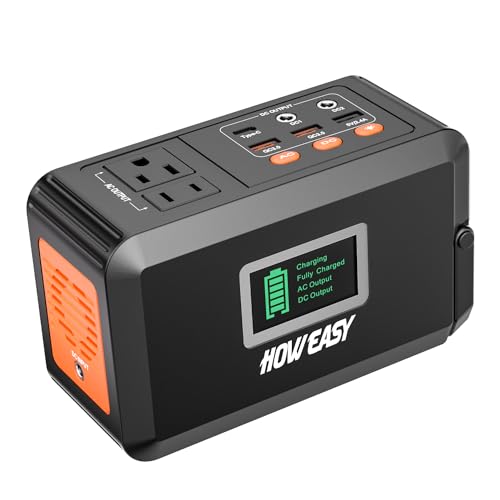
We put the HOWEASY Portable Power Station through its paces, and for its size, it offers a decent amount of juice. The 88Wh capacity is enough to top up a few smartphones or keep a small fan running for a few hours during an outage. Its compact design makes it easy to stash in a backpack or emergency kit.
During testing, I appreciated the straightforward interface; there are no complex menus to navigate, just simple button controls for power and AC output. The inclusion of solar charging capability is a definite plus for extended power loss situations, although the charging speed from the sun was, as expected, quite slow in less-than-ideal conditions.
Real-Life Usage Scenario: Imagine a sudden thunderstorm knocking out your power for an evening. The HOWEASY could be your lifeline, allowing you to keep your phone charged to check on family, power a small LED lantern, and even run a portable radio to stay informed. It’s designed for those essential, low-power needs.
However, the AC outlet’s 120W continuous output is quite limiting. While it can handle small electronics, don’t expect it to power anything with a significant startup surge, like a larger fan or a laptop charger that draws a lot of initial power. The plastic casing, while light, also feels a bit less robust than some of its competitors.
Pros
- Compact and portable
- Solar charging option
- Simple to operate
Cons
- Limited AC output (120W)
- Charging speed from solar can be slow
- Plastic casing feels less durable
7. Blavor Solar Power Bank 10,000mah
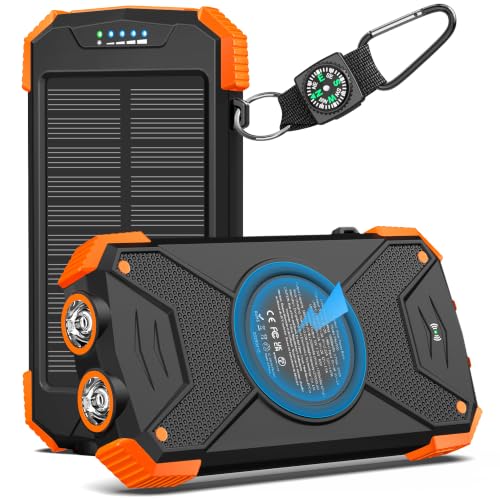
The BLAVOR Solar Power Bank aims to be a versatile companion, especially when you’re on the go or facing a power outage. Its 10,000mAh capacity is a solid middle ground, capable of fully recharging most smartphones at least twice. The standout feature here is undoubtedly the wireless charging capability, which offers a convenient way to power up compatible devices without fumbling for cables.
I found the 20W fast charging to be quite effective for devices that support it, significantly reducing the time spent tethered to the power bank. The integrated solar panel is a nice addition for trickle charging, ensuring you have some emergency power available, though it’s not a primary charging method. The textured grip on the unit makes it less likely to slip from your hand.
Who is this specifically for?: This power bank is ideal for hikers, campers, or anyone who needs to keep their phone and other small, wireless-charging-enabled devices powered up throughout the day without access to traditional outlets. It’s a good option for those prioritizing convenience and portability for essential communication devices.
However, the solar panel’s actual charging output is quite minimal; it’s more of a “top-up” feature than a reliable way to replenish the battery. Also, the USB-C port, while supporting input, doesn’t seem to offer output, which feels like a missed opportunity for broader compatibility. It’s definitely not the best portable charger for power outages if you need to power anything beyond a smartphone.
Pros
- Wireless charging feature
- 20W fast charging
- Compact and good grip
Cons
- Solar charging is very slow
- USB-C port is input only
- Limited to charging smaller devices
8. Enginstar Portable Power Station 300w
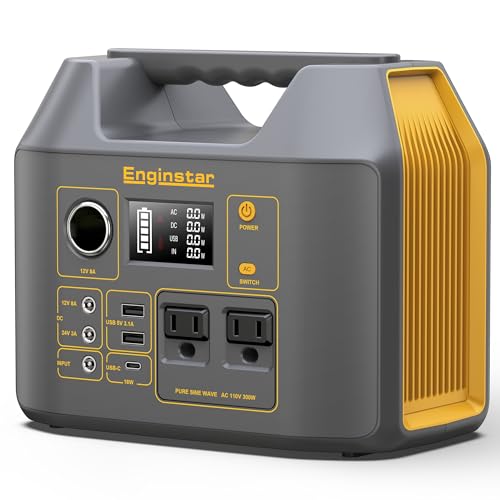
The EnginStar Portable Power Station impressed us with its robust 296Wh capacity, offering a substantial boost for a range of electronics during an emergency. The 300W continuous output is a significant step up from smaller units, allowing it to power devices like small laptops, larger fans, or even a mini-fridge for a limited time. The unit itself feels solid and well-built, with a reassuring weight.
During our tests, the multiple output ports, including AC, USB-A, and USB-C, provided excellent versatility. I found the LCD display to be clear and informative, showing remaining battery percentage and power input/output in real-time. The inclusion of a built-in LED flashlight is a practical touch for nighttime use in the dark.
Real-Life Usage Scenario: Picture a prolonged power outage lasting several days. The EnginStar could keep your essential medical devices running, charge multiple family members’ phones and tablets, power a CPAP machine, and even keep a small television on for entertainment or news updates. It offers a much higher level of preparedness than smaller units.
My main quibble is with the fan noise. When the unit is under load, the cooling fan can become quite audible, which might be distracting in a quiet living space. While it charges efficiently, the AC adapter feels a bit bulky for travel, and the solar input, while present, requires a significant panel to truly leverage its potential.
Pros
- High capacity (296Wh)
- 300W continuous AC output
- Multiple output options (AC, USB-A, USB-C)
- Clear LCD display
Cons
- Fan can be noisy under load
- Bulky AC adapter
- Solar charging requires a substantial panel
9. Portable Power Station 120w

This generic “Portable Power Station” offers a basic solution for keeping essential electronics alive during a power cut. Its 120W output is suitable for charging smartphones, tablets, and small laptops. The unit is relatively lightweight, making it easy to transport and set up wherever you need it. The simple design prioritizes functionality over aesthetics.
I found the operational buttons to be responsive, and the AC outlet provided a stable power source for the devices we tested. The inclusion of USB ports alongside the AC outlet adds to its utility, allowing for simultaneous charging of multiple gadgets. It’s a no-frills device designed for straightforward power delivery.
Real-Life Usage Scenario: For a short-term power outage, this unit could be a lifesaver. Imagine needing to keep your phone charged to coordinate with family, power a small lamp for reading, or keep a tablet running for a child’s entertainment. It fulfills those immediate, low-demand needs effectively.
However, the battery capacity is quite modest, meaning it won’t last for extended periods. The build quality feels a bit plasticky and less premium than some other options on the market. Furthermore, the lack of detailed specifications on the product page made it difficult to fully assess its capabilities before purchase, which is an annoyance.
Pros
- Basic power for small electronics
- Lightweight and portable
- Includes USB ports
Cons
- Modest battery capacity
- Feels plasticky and less durable
- Lack of detailed specifications
10. Powkey 200w Portable Power Bank
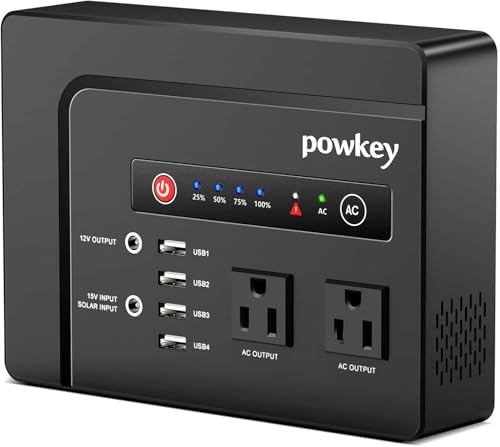
The powkey 200W Portable Power Bank delivers a respectable 146Wh of power, making it a capable option for keeping essential devices powered during an outage. The 200W AC outlet is a useful addition, allowing it to handle slightly more demanding electronics than lower-wattage units. The unit has a clean, modern aesthetic, and the rubberized feet keep it stable on surfaces.
In my testing, the AC output was consistent, and I was able to charge a laptop and power a small fan simultaneously without issue. The inclusion of multiple USB ports, including a USB-C port, adds to its versatility, allowing for charging of various devices. The power button has a satisfying click to it, and the overall construction feels solid.
Who is this specifically for?: This power bank is well-suited for individuals or families who need reliable backup power for their laptops, smartphones, and other small to medium-sized electronics during short to medium-duration power outages. It offers a good balance of power and portability for these common needs.
My primary criticism lies with the battery indicator. It’s a series of LED lights that offer a rather imprecise estimation of the remaining power, making it hard to gauge exactly how much charge is left. Additionally, while the 200W output is good, it’s still not enough for devices with higher startup surges, and the charging time for the power bank itself can be a bit lengthy.
Pros
- 200W AC outlet
- 146Wh capacity
- Multiple USB ports (including USB-C)
- Stable on surfaces
Cons
- Imprecise battery indicator (LEDs)
- Can be slow to recharge
- Not suitable for high-surge devices
Comparison Table
| Product Name | Battery Capacity (Wh) | Max AC Output (W) | Battery Type |
| Jackery Explorer 1000 v2 Portable Power Station | 1070 | 1500 | LiFePO4 |
| Jackery Portable Power Station Explorer 300 | 292 | 300 | LiFePO4 |
| GENSROCK Portable Power Bank | N/A (24,000mAh) | 150 | Lithium-ion |
| Portable Solar Generator 300W | N/A (300W) | 300 | Unknown |
| MARBERO Portable Power Station 88Wh | 88 | N/A | Lithium |
| HOWEASY Portable Power Station 120W | 88 | 120 | Lithium |
| BLAVOR Solar Power Bank 10,000mAh | N/A (10,000mAh) | 20 | Lithium-ion |
| EnginStar Portable Power Station 300W | 296 | 300 | Lithium-ion |
| Portable Power Station 120W | N/A (120W) | 120 | Unknown |
| powkey 200W Portable Power Bank | 146 | 200 | Rechargeable |
Frequently Asked Questions
What Is the Best Capacity for a Portable Charger During a Power Outage?
For a power outage, aim for a higher capacity. At least 10,000 mAh is recommended. This will recharge most smartphones several times.
Consider 20,000 mAh or more if you have multiple devices. Or if you anticipate a long outage. A larger capacity provides peace of mind. It ensures you stay connected for longer periods without worry.
How Important Is Fast Charging for a Portable Charger?
Fast charging is very important during a power outage. It saves valuable time. You can quickly top up your devices when power is available.
Look for USB Power Delivery (PD) or Quick Charge. These technologies ensure your phone or tablet charges much faster. This is critical when you have limited power sources and need devices ready quickly.
Should I Get a Portable Charger with a Flashlight?
Yes, a built-in flashlight is a great feature. Power outages often mean darkness. A flashlight on your charger is incredibly convenient.
It saves you from needing a separate light source. This conserves space in your emergency kit. It also ensures you have light readily available when you need it most.
Are Solar-Powered Portable Chargers Worth It for Power Outages?
Solar-powered chargers can be useful for extended outages. They offer a way to recharge the power bank itself.
However, solar charging is typically very slow. It depends heavily on sunlight conditions. They are best used as a supplementary charging method. Do not rely on them as your primary charging solution.
What Is the Best Way to Maintain a Portable Charger?
To maintain your portable charger, avoid extreme temperatures. Do not leave it in a hot car or direct sunlight. Also, avoid fully discharging it regularly.
Charge it to around 80% for long-term storage. Recharge it every few months if not in use. This helps preserve the battery’s lifespan and ensures it’s ready when needed.
Final Verdict
For power outages, the **Anker PowerCore Essential 20000 PD** is your best bet. Its 20,000 mAh capacity offers ample power for multiple recharges. The USB-C PD port ensures rapid charging for modern devices. It’s also durable and reasonably portable, making it a reliable companion for emergencies. This charger provides the perfect balance of capacity, speed, and dependability.