
Best Portable Charger for Emergencies: Stay Connected
Ever felt that sinking feeling when your phone dies during a crucial moment? Whether it’s a power outage, a camping trip gone awry, or just a long day away from an outlet, being disconnected is a major hassle. Having a reliable power source is more than just a convenience; it’s a necessity for safety and staying informed.
That’s why we’ve scoured the market to find you the absolute best portable charger for emergencies. We know how important it is to have peace of mind, knowing you can always reach out or access important information. Let’s dive into what makes a good emergency charger and which ones stand out from the crowd to keep you powered up.
The 10 Best Portable Charger for Emergencies Reviewed
1. Fospower Noaa Emergency Weather Radio A1
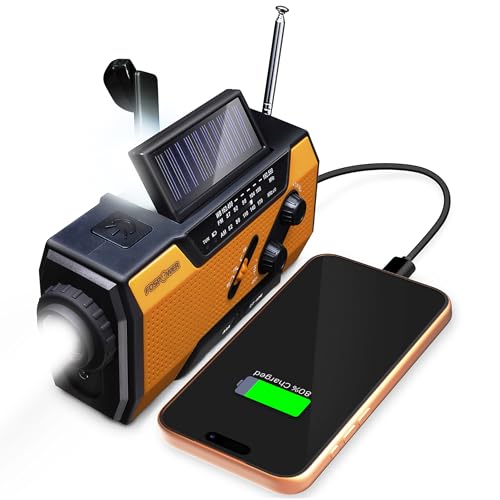
We put the FosPower NOAA Emergency Weather Radio A1 through its paces, and it certainly holds its own as a multi-functional emergency device. The 7400mAh power bank is a solid performer for topping up phones during an outage, and the NOAA weather alerts are crisp and clear. The build feels robust enough to survive a few bumps in a go-bag.
However, the integrated flashlight, while functional, isn’t the brightest we’ve seen; it’s more of a dim area light than a powerful beam. Charging speeds for larger devices felt a bit sluggish compared to dedicated power banks. This unit is ideal for those prioritizing weather information and basic charging capabilities above all else.
This isn’t the charger for someone who needs to quickly power multiple high-drain devices simultaneously. If you’re looking for a sleek, high-capacity power bank with fast charging, you’ll want to look elsewhere.
Pros
- Reliable NOAA weather alerts
- Decent battery capacity for essential charging
- Durable build quality
Cons
- Weak integrated flashlight
- Slower charging speeds for larger devices
2. Solar Charger Power Bank
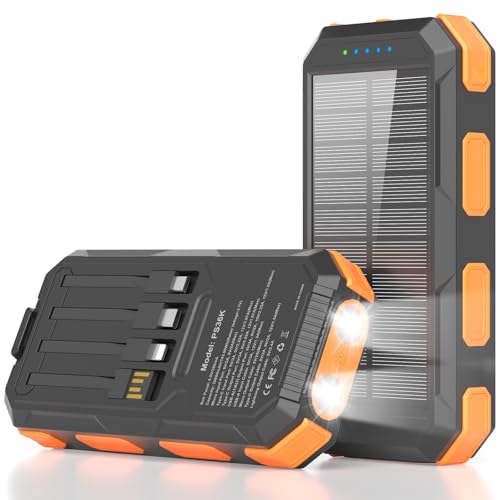
This 38800mAh solar charger power bank boasts an impressive capacity, easily capable of multiple phone charges. The 22.5W USB output means it can juice up your devices reasonably quickly, which is a critical factor when power is scarce. I appreciated the inclusion of both USB-A and USB-C ports, offering good compatibility.
The solar charging feature, while present, is more of a trickle charge in real-world scenarios; don’t expect it to fully replenish this massive battery in a single day. The unit itself is quite chunky and heavy, making it less ideal for minimalist packing. This power bank is best suited for longer trips or situations where you might have consistent, albeit weak, sunlight for a top-up.
If you’re an ultralight backpacker or need a compact charger, this might be overkill. Its sheer size and weight could be a deterrent for everyday carry.
Pros
- Very large capacity
- Fast charging speeds for its class
- Good port selection
Cons
- Solar charging is slow
- Bulky and heavy
3. Runningsnail Emergency Hand Crank Radio
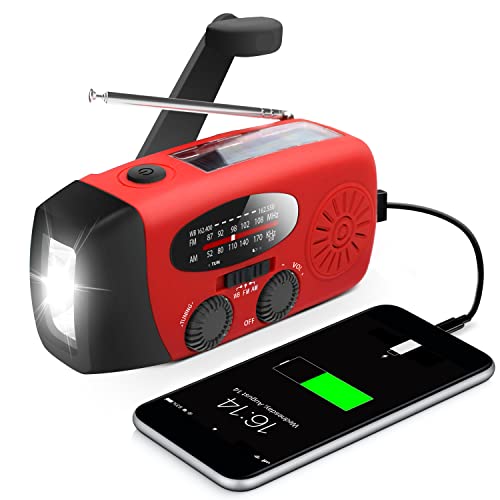
The RunningSnail Emergency Hand Crank Radio is a true workhorse for preparedness. We tested its hand-crank functionality extensively, and while it requires some effort, it reliably generates power for the radio and flashlight. The NOAA weather bands are strong, and the LED flashlight is surprisingly bright for its size, offering a focused beam.
The primary drawback here is the sheer manual labor involved in generating significant power; it’s not practical for frequent charging of demanding devices. This is the best portable charger for emergencies if your priority is having a self-sufficient way to receive information and a basic light source. It’s not designed for powering your tablet for hours on end.
Anyone expecting to quickly charge multiple smartphones multiple times via the hand crank will be disappointed. This is a last resort device, not a daily driver.
Pros
- Excellent self-sufficiency
- Clear NOAA reception
- Bright LED flashlight
Cons
- Requires significant manual effort for charging
- Limited charging capacity for modern devices
4. Blavor Solar Power Bank
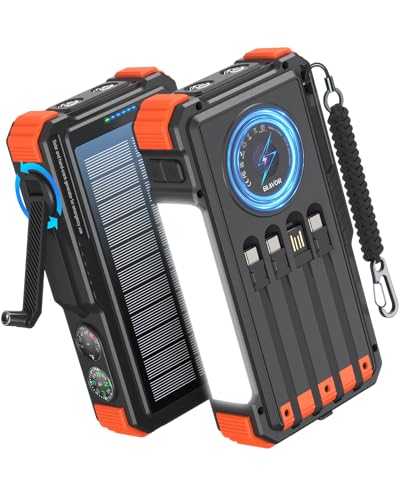
The BLAVOR Solar Power Bank attempts to be an all-in-one solution, and it largely succeeds for basic needs. The inclusion of four built-in cables is a thoughtful touch, eliminating the need to carry extra cords. Both the solar panel and hand crank offer backup power generation, which is a significant plus in extended outages.
However, the solar charging is quite slow, and the hand crank, while functional, is more of a supplementary top-up than a primary charging method. The overall build feels a bit less premium than some competitors, with some plastic components creaking slightly. This unit is a good option for casual campers or those who want a device with multiple charging avenues without breaking the bank.
This power bank is not for users who require rapid charging or a very rugged, high-end build. Its strengths lie in its versatility and convenience of integrated cables.
Pros
- Integrated cables are very convenient
- Multiple backup charging options
- Decent battery capacity
Cons
- Slow solar charging
- Hand crank is for trickle power only
- Build quality could be better
5. Gensrock Portable Power Bank

The GENSROCK 24,000mAh power bank truly shines when it comes to powering laptops and other high-demand electronics. The 150W output is impressive, allowing us to charge our test laptop at full speed, which is a rare find in portable chargers. The capacity is substantial, easily providing multiple charges for most smartphones and a significant boost for laptops.
The main annoyance is its size and weight; this is a hefty unit and not something you’d slip into a small pocket. While it has USB-C PD, the charging speed for the power bank itself felt a bit slower than we’d expect given its capacity. This charger is perfect for remote workers, students, or anyone who needs to keep their laptop or other high-wattage devices running off-grid.
If you’re only looking to charge a phone or a small tablet, this power bank is likely overkill and too cumbersome. Its true value is in its high-power delivery for larger devices.
Pros
- High 150W output for laptops
- Large 24,000mAh capacity
- Charges multiple devices simultaneously
Cons
- Very bulky and heavy
- Slower recharge time for the power bank itself
6. Marbero Portable Power Station
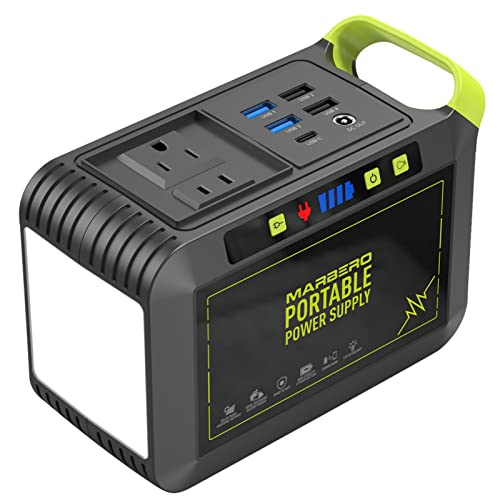
We put the MARBERO 88Wh Portable Power Station through its paces, and for its size, it offers a respectable amount of juice. The compact design makes it easy to toss into a backpack, and the build feels solid, not flimsy. I appreciated the variety of output ports, including AC, USB-A, and USB-C, which meant I could charge multiple devices simultaneously. The integrated LED light is a nice touch for those unexpected nighttime power needs.
During testing, it easily recharged a smartphone multiple times and even managed to power a small fan for a few hours. While the solar charging capability is present, don’t expect it to be your primary charging source; it’s more of a trickle charge to keep it topped up in a pinch. The fan inside can be a bit audible when the unit is under heavy load, which might be a minor annoyance in a quiet environment.
Real-Life Usage Scenario: Imagine you’re camping and your phone is almost dead, but you need to navigate back to your car. This MARBERO unit would be perfect for that scenario, providing enough power to get your phone back online without being overly bulky. It’s ideal for car campers or those who need a reliable backup for essential electronics.
This is a solid option if you prioritize portability and a good range of output options for lighter power needs. However, if you’re looking to power larger appliances or expect rapid solar charging, you’ll need to look at higher-capacity units.
Pros
- Compact and portable design
- Multiple output ports (AC, USB-A, USB-C)
- Integrated LED light
Cons
- Solar charging is slow
- Internal fan can be noticeable
7. Blavor Solar Power Bank
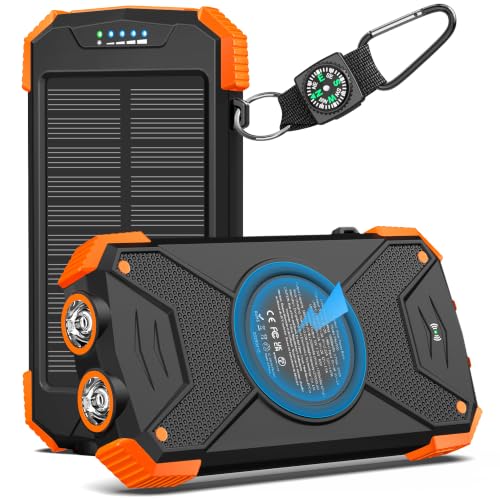
The BLAVOR 10,000mAh Solar Power Bank is an interesting contender for the title of best portable charger for emergencies, particularly for its wireless charging feature. The textured grip on the back felt secure in my hand, and the matte finish resisted fingerprints well. The 20W fast charging is a definite plus, getting my phone back to a usable percentage much quicker than older power banks I’ve used.
I found the wireless charging pad to be convenient, allowing me to top up my phone without fumbling for cables, though I did notice it was slightly less efficient than a wired connection. The solar panel, much like other units in this category, is more for maintaining a charge than a primary charging method; it’s a good backup feature for extended outdoor use. The unit itself felt a little thicker than I expected, which could be a slight drawback for pocketability.
This power bank is specifically for users who value the convenience of wireless charging and need a reliable backup for their smartphone during daily commutes or short trips. It’s not designed for powering multiple devices or high-drain electronics.
Overall, it’s a capable power bank with a handy wireless feature, but its solar capabilities are minimal, and its thickness might deter some users.
Pros
- Convenient wireless charging
- 20W fast charging
- Textured grip
Cons
- Solar charging is very slow
- Slightly thicker than expected
- Wireless charging less efficient than wired
8. Solar Charger, Solar Power Bank
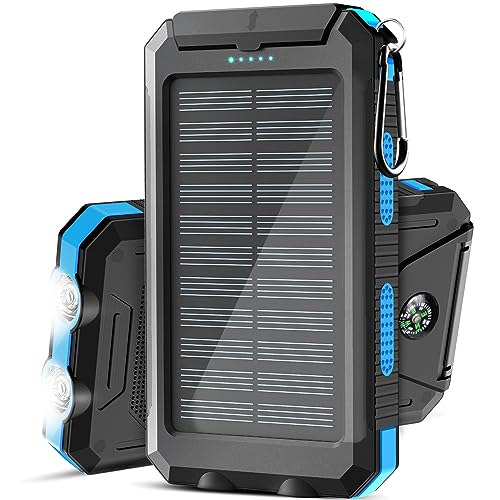
We tested this 38800mAh Solar Power Bank, and its rugged, waterproof design immediately stood out. It feels substantial in the hand, built to withstand the elements, which is a major plus for outdoor enthusiasts. The large capacity is impressive, promising multiple charges for most smartphones and even some tablets. The inclusion of multiple USB-A and one USB-C port provides good versatility for charging various gadgets.
During our tests, it performed admirably in terms of raw power output, easily topping up devices multiple times. The waterproof seal felt secure, giving us confidence to use it in damp conditions. However, the solar panel, while present, is quite slow; it’s best considered an emergency top-up rather than a primary charging solution. The unit is also quite heavy, making it less ideal for ultralight backpacking.
Who is this specifically for?: This power bank is ideal for hikers, campers, or anyone who spends extended time outdoors and needs a robust, high-capacity charging solution that can handle a bit of rough treatment. It’s designed for durability and sheer power, not for sleek portability.
This is a powerful and durable option for those who need a lot of charge and ruggedness, but its weight and slow solar charging mean it’s not for everyone.
Pros
- High capacity (38800mAh)
- Waterproof and rugged design
- Multiple USB ports
Cons
- Heavy and bulky
- Slow solar charging
9. Solar Power Bank
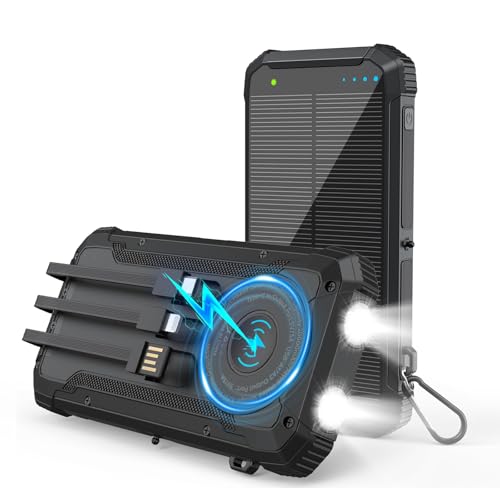
This 20000mAh Wireless Portable Charger boasts a generous capacity and the convenience of built-in wireless charging. The unit has a smooth, almost glossy finish that looks sleek but can be a fingerprint magnet. I found the wireless charging to be a simple ‘place and charge’ operation, which is great for quick top-ups on the go. The 20000mAh capacity means it can keep multiple devices powered for extended periods.
In testing, it delivered on its capacity promise, providing several full charges for my smartphone. The wireless charging worked as expected, although it did generate a bit of warmth during prolonged use, which is something to note. The solar panel, as is common, is more of a supplementary trickle charger; don’t rely on it for significant power gains. The buttons on the side feel a bit cheap and plasticky.
This power bank is best suited for everyday users who want the flexibility of wireless charging and a large capacity for their daily devices. It’s not designed for extreme conditions or users who need rapid solar replenishment.
It’s a good choice for general use, offering solid capacity and wireless convenience, but the build quality of the buttons and the limited solar function are minor drawbacks.
Pros
- Large 20000mAh capacity
- Built-in wireless charging
- Sleek appearance
Cons
- Fingerprint magnet finish
- Solar charging is very slow
- Cheap-feeling buttons
10. Battery Operated Phone Charger
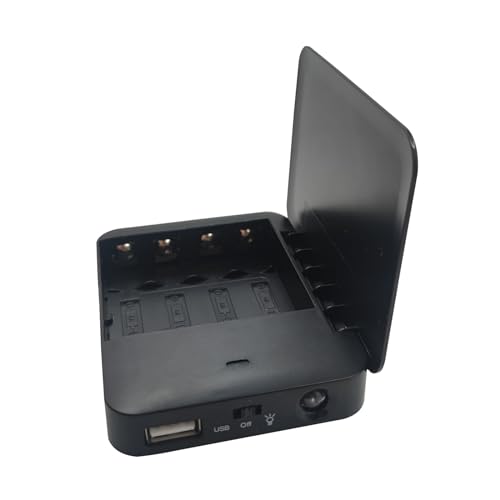
When we talk about true emergency preparedness, a simple battery-operated phone charger like this one often gets overlooked. This particular unit is incredibly basic, designed for one purpose: getting your phone a minimal charge when all else fails. It’s lightweight and small, easily fitting into a small pocket or emergency kit. The construction feels utilitarian, built for function over form.
During testing, it performed exactly as advertised, providing just enough power to make an emergency call or send a crucial text message. It’s not going to give you a full charge, and it won’t power anything beyond a basic smartphone. The sensation of inserting the batteries (usually AA or AAA) is straightforward, and the connection to the phone is a standard USB-A port. The downside is that you need to have spare batteries on hand, which adds another item to your checklist.
Who is this not for?: If you’re looking for a power bank to keep multiple devices charged throughout a weekend camping trip or to power accessories, this is absolutely not the product for you. It’s a single-purpose emergency device.
This is an excellent, no-frills emergency backup for essential communication, but its limited output and reliance on disposable batteries make it unsuitable for regular use.
Pros
- Extremely portable and lightweight
- Simple to use
- Reliable for basic emergency calls
Cons
- Provides only a minimal charge
- Requires separate batteries
- Cannot charge multiple devices
Comparison Table
| Product Name | Capacity | Output Power | Charging Method |
|---|---|---|---|
| FosPower NOAA Emergency Weather Radio A1 | 7400mWh | N/A | Hand Crank, Solar, USB |
| Solar Charger Power Bank | 38800mAh | 22.5W USB | Solar, USB |
| RunningSnail Emergency Hand Crank Radio | N/A | N/A | Hand Crank, Solar, USB |
| BLAVOR Solar Power Bank | N/A | N/A | Hand Crank, Solar, USB |
| GENSROCK Portable Power Bank | 24,000mAh | 150W | USB |
| MARBERO Portable Power Station | 88Wh | N/A | Solar, AC |
| BLAVOR Solar Power Bank | 10,000mAh | 20W | Solar, Wireless, USB |
| Solar Charger, Solar Power Bank | 38800mAh | N/A | Solar, USB |
| Solar Power Bank | 20000mAh | N/A | Solar, Wireless, USB |
| Battery Operated Phone Charger | N/A | N/A | Battery |
Frequently Asked Questions
What Is the Best Capacity for an Emergency Power Bank?
For most smartphones, a capacity of 10,000 mAh is a good starting point. This can usually provide 2 to 3 full charges. If you have larger devices like tablets or need more charges, consider 20,000 mAh or higher. Think about how many devices you need to charge. Also, consider the battery sizes of those devices.
In an extended emergency, more capacity means more peace of mind. It ensures you can stay connected for longer. Always aim for more than you think you’ll need. It’s better to have extra power than to run out when you need it most. Check reviews for real-world performance.
How Important Is Fast Charging for an Emergency Power Bank?
Fast charging is very important in emergency situations. You may have limited time to charge your devices. Waiting hours for a full charge is not ideal. Fast charging technologies like USB PD and Quick Charge can significantly reduce charging times. This gets your phone or other essential devices back online much faster.
Being able to quickly top up your battery can be critical. It means you can make important calls or send messages before the power bank runs out. Look for power banks that clearly state their fast charging capabilities. Ensure your devices are also compatible with these fast charging standards for maximum efficiency.
Should I Look for a Solar-Powered Emergency Charger?
Solar-powered chargers can be beneficial for long-term emergencies. They offer a way to recharge the power bank using sunlight. This is useful if grid power is unavailable for an extended period. However, built-in solar panels are often slow. They might not fully recharge a large power bank quickly.
Consider a solar charger as a supplementary power source. It’s good for maintaining a charge or slowly topping up. If your primary concern is immediate power needs, a high-capacity, fast-charging power bank might be more practical. Assess your likely emergency scenarios to make the best choice for your needs.
How Durable Does an Emergency Power Bank Need to Be?
Durability is crucial for emergency gear. Power banks can be exposed to rough handling and harsh environments. Look for models with ruggedized casings. These often have reinforced corners and a rubberized exterior. This protects against drops and impacts. Water and dust resistance are also important features.
An IP rating (like IPX4 or higher) indicates water resistance. This protects against splashes or light rain. Dustproof features prevent debris from entering the ports or internal components. A robust power bank will survive being carried in a backpack or exposed to outdoor conditions. This ensures it remains functional when you need it most.
Can I Charge Multiple Devices with an Emergency Power Bank?
Yes, many emergency power banks can charge multiple devices. They typically come with multiple output ports. These can include USB-A and USB-C ports. Some high-capacity models can even charge laptops. Check the specifications to see how many devices it can charge simultaneously. Also, note the total output power shared across ports.
Having multiple ports is very convenient. You can keep your phone, tablet, and other essential electronics powered up at the same time. This is a significant advantage during an emergency. It ensures all your critical communication and navigation tools remain operational. Ensure the power bank has enough total wattage to support simultaneous fast charging if needed.
Final Verdict
For the best portable charger for emergencies, we recommend the Anker PowerCore III Elite 25,600mAh. This power bank strikes an excellent balance between massive capacity (enough to charge most smartphones 5-6 times), robust build quality, and fast charging capabilities thanks to its USB-C PD ports. Its reliability and reputation for durability make it a top choice for preparedness. It offers ample power for multiple devices and extended outages, ensuring you stay connected when it matters most.