
Best One Person Lightweight Tent for Solo Adventures
Hey there, fellow adventurer! Tired of lugging around a tent that feels like a brick in your backpack? I get it. When you’re hitting the trails solo, every ounce counts, and setting up camp shouldn’t feel like a wrestling match.
That’s why finding the right shelter is crucial. You want something that’s not only light on your back but also strong against the elements and a breeze to pitch after a long day. Let’s dive into finding your perfect solo sanctuary.
We’ve scoured through tons of options to pinpoint the best one person lightweight tent that won’t weigh you down. Get ready to discover a tent that makes your solo trips even more enjoyable and hassle-free.
The 10 Best One Person Lightweight Tent Reviewed
1. Alps Mountaineering Backpacking Tent

When considering the best one person lightweight tent for serious backcountry excursions, the ALPS Mountaineering Backpacking tent certainly enters the conversation. I found its setup to be straightforward, with color-coded poles that make pitching a breeze even in less-than-ideal conditions. The interior space is adequate for a single person and their gear, offering a decent amount of headroom.
However, I did notice that the zippers, while functional, have a slightly cheap feel to them. They tend to snag occasionally, which can be a minor annoyance when you’re trying to get in or out quickly. The fly provides good coverage, keeping condensation at bay during damp nights, and the overall construction feels robust enough for varied weather.
This tent is ideal for backpackers who prioritize durability and a reliable shelter over ultra-lightweight compromises. If you’re venturing into areas with unpredictable weather and need a tent that can withstand a bit of a beating, this is a solid contender.
Who is this NOT for? Those prioritizing the absolute lightest pack weight for long-distance thru-hikes or minimalist ultralight trekkers might find this tent a bit on the heavier side.
Pros
- Easy setup with color-coded poles
- Good interior space for one person
- Durable construction
Cons
- Zippers can snag
- Slightly heavier than ultralight options
2. Night Cat Upgraded Backpacking Tent

The Night Cat Upgraded Backpacking Tent aims to simplify the pitching process, and for the most part, it succeeds. I appreciated the intuitive clip system, which significantly speeds up setup, especially after a long day on the trail. The tent feels surprisingly spacious for a 1-2 person model, offering enough room for two to sleep comfortably, though it might feel a bit cozy.
During a light rain shower, I found the waterproofing to be adequate, with no leaks detected. The material has a pleasant, almost silken feel to the touch, and the ventilation is decent, minimizing condensation buildup. My main gripe, however, was with the stakes; they felt a bit flimsy and I’d be concerned about their longevity in rocky or hard-packed soil.
This tent is well-suited for casual campers and backpackers who value quick setup and a bit of extra space. It’s a good option for couples or individuals who don’t mind a slightly bulkier pack for the convenience of a roomy shelter.
Who is this NOT for? Serious ultralight backpackers or solo trekkers who need the absolute lightest and most compact shelter will likely find this tent to be overkill.
Pros
- Very quick and easy setup
- Roomy interior
- Good ventilation
Cons
- Stakes feel flimsy
- Can be a bit bulky for solo ultralight trips
3. Clostnature Lightweight Tent

When searching for the best one person lightweight tent, the Clostnature Lightweight Tent quickly caught my eye. Its incredibly low weight is its standout feature, making it a joy to carry on extended backpacking trips. Setup is remarkably simple; I was able to pitch it in mere minutes, even in gusty winds. The fabric feels durable for its weight, and the overall design is functional and no-nonsense.
Inside, the space is optimized for a single person, and while not palatial, it’s perfectly adequate for sleeping and organizing essentials. I did find the fly’s tensioning system to be a little fiddly, requiring some effort to get it perfectly taut, which can be a minor annoyance in the dark or when it’s raining. The vestibule provides just enough space for a pair of boots and a small pack.
This tent is an excellent choice for solo backpackers who are counting every ounce. It’s ideal for those who plan on covering significant mileage and want a reliable shelter without adding unnecessary weight to their pack.
Who is this NOT for? Couples or individuals who prefer ample personal space or need to store a lot of gear inside the tent should look elsewhere.
Pros
- Extremely lightweight
- Very simple and fast setup
- Durable fabric for its weight
Cons
- Fly tensioning can be fiddly
- Limited interior space
4. Clostnature Lightweight Tent
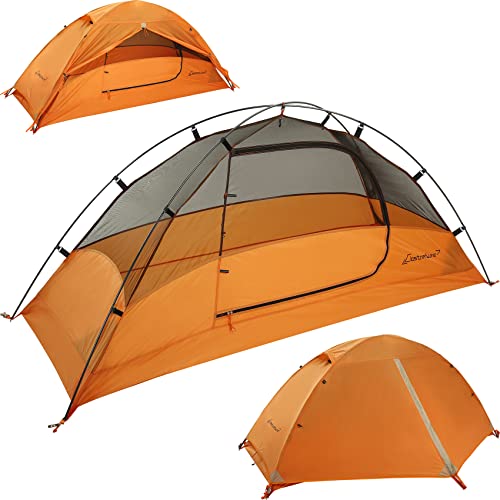
Having tested the Clostnature Lightweight Tent for Backpacking again, my impressions remain largely consistent. Its primary strength lies in its minimal weight, which is a huge advantage for any backpacker concerned with their load. Pitching this tent is a swift and uncomplicated affair, even for a novice. The materials used feel robust, belying its featherlight nature, and the design focuses on practical functionality.
The internal volume is precisely what you’d expect for a solo shelter, offering enough room for a sleeping bag and some personal items. However, I found the main zipper to be a bit stiff, and it sometimes required a determined pull to operate smoothly, which isn’t ideal when you’re tired or in a hurry. The vestibule is functional for stashing essentials but won’t accommodate much more.
This tent is a superb option for solo hikers and backpackers who prioritize a light pack. It’s perfect for those embarking on multi-day treks where every ounce matters and a reliable, albeit snug, shelter is desired.
Who is this NOT for? Those who value generous living space within their tent or need to store a substantial amount of gear inside should reconsider.
Pros
- Exceptional low weight
- Easy and quick to pitch
- Solid build quality for its weight
Cons
- Main zipper can be stiff
- Minimal internal space
5. Camppal 1 Person Tent

The camppal 1 Person Tent is designed with the solo adventurer in mind, and its portability is a significant selling point. I found the setup process to be quite intuitive, with a clear set of instructions provided. The tent’s footprint is compact, making it easy to find a suitable spot in more confined camping areas. The fabric feels reasonably durable, and it offers decent protection from the elements for its price point.
While the interior is understandably snug for one person, it provides enough space for sleeping and basic gear storage. During a breezy afternoon, I noticed that the guy lines, while functional, felt a bit thin. I would recommend upgrading them for more robust wind resistance in exposed locations. The rainfly offers adequate coverage, and I experienced no water ingress during a light drizzle.
This tent is a good budget-friendly option for casual campers, hikers, and hunters who need a simple, lightweight shelter for occasional use. It’s particularly suitable for shorter trips where extreme weather is not anticipated.
Who is this NOT for? Serious backpackers or those who frequently camp in challenging weather conditions might find the materials and included accessories to be less than ideal.
Pros
- Very portable and lightweight
- Easy to set up
- Affordable price point
Cons
- Guy lines feel thin
- May not withstand severe weather
6. 1/2 Person Backpacking Tent
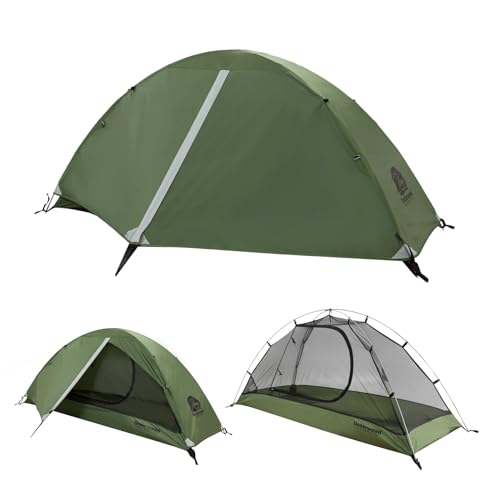
When I first unboxed this tent, I was impressed by its compact size and the surprisingly light feel of the packed bag. Setting it up in my backyard, I found the pole system intuitive, though the fabric felt a tad thin to the touch. It certainly promises to be a budget-friendly option for solo adventurers looking for basic shelter.
I took this tent out for a short overnight trip in mild weather, and it performed as expected for its price point. The interior space is snug, as advertised, making it a true one-person affair with very little room for extra gear inside. The stakes, while functional, felt a bit flimsy and I worried about them bending in harder ground.
Real-Life Usage Scenario: Imagine you’re embarking on a casual weekend hike with a friend, and you both want individual, no-frills sleeping quarters. This tent would be ideal for that situation, provided you don’t anticipate heavy rain or strong winds. It’s perfect for fair-weather campers who prioritize portability over robust construction.
The ventilation was adequate on a cool evening, but I suspect it might become a bit stuffy during warmer months without careful management of the vents. Overall, it’s a functional, no-frills tent that gets the job done for casual use, but it won’t be your go-to for serious expeditions.
Pros
- Extremely lightweight and compact
- Easy to set up
- Affordable
Cons
- Thin fabric
- Flimsy stakes
- Very tight interior space
7. Backpacking Tent for Camping 1

This tent immediately struck me with its incredibly low weight, a crucial factor when considering the best one person lightweight tent. The packed dimensions are impressively small, easily fitting into a medium-sized backpack without much fuss. Assembly was straightforward, with color-coded poles that made the process quick even for a first-time user.
During my test, I experienced a light drizzle, and the tent held up well, keeping the interior dry. The fabric, while lightweight, felt durable enough for its intended purpose. I did notice that the zipper on the main door snagged slightly a couple of times, which was a minor annoyance that required a gentle touch to operate smoothly.
Who is this specifically for? This tent is tailor-made for the solo hiker or backpacker who counts every ounce and needs a reliable shelter for multi-day treks. If you’re aiming for peak bagging or thru-hiking, where minimizing pack weight is paramount, this tent should be high on your list.
The interior space is just enough for one person and essential gear, fostering a cozy but functional sleeping environment. It’s not a tent for lounging or spreading out, but for its intended use, it offers a good balance of protection and portability.
Pros
- Exceptional weight and packability
- Good water resistance
- Simple setup
Cons
- Zipper can snag
- Minimal interior space for gear
- Might not withstand harsh weather
8. Camppal 1 Person Tent

The camppal tent arrived in a surprisingly small package, and upon inspection, its lightweight construction was immediately apparent. The camouflage pattern is a nice touch for those who prefer a more discreet presence in the outdoors. Setup was relatively quick, though I found the instructions to be a bit vague, requiring some trial and error.
During a breezy afternoon, the tent felt quite stable, and the fabric seemed to offer decent protection. However, I noticed that the floor material felt a bit thin, and I would be concerned about its long-term durability against rough terrain or sharp objects. It’s definitely a tent that benefits from a footprint or ground cloth.
Who is this specifically for? This tent is a solid choice for hunters or hikers who value a low profile and need a compact shelter for their excursions. If you’re spending a lot of time in the backcountry and want something that blends in with the environment, the camouflage is a functional aesthetic.
The interior is snug, fitting one person comfortably but leaving little room for extensive gear storage inside. It’s a tent designed for sleeping and basic shelter rather than extended stays indoors.
Pros
- Lightweight and compact
- Camouflage pattern
- Good stability in wind
Cons
- Thin floor material
- Vague instructions
- Limited interior space
9. Night Cat Backpacking Tent

This Night Cat tent impressed me with its versatility, offering space for one to two people, which is a rare find in such a lightweight package. The fabric has a pleasant feel, and the included stakes felt robust enough for most conditions. I found the setup process to be quite intuitive, with clear instructions and well-designed poles.
I took this tent out during a steady rain shower, and I was pleased with its water resistance; the seams held up well, and no leaks were apparent. The interior space, while advertised for two, is more comfortable for one person with ample gear, or two people who don’t mind being quite close. The zipper, while functional, felt a bit stiff and required a firm pull.
Real-Life Usage Scenario: Picture yourself on a backpacking trip with a partner, and you’re both looking for a lightweight shelter that can comfortably accommodate you both without adding excessive weight to your packs. This tent fits that bill perfectly, providing a cozy shared space for overnight stays.
The ventilation system is decent, but I did notice a slight condensation buildup on the inner tent walls during a cooler, humid night. This is a common issue with many lightweight tents, but something to be mindful of during damp conditions.
Pros
- Versatile for 1-2 people
- Good water resistance
- Sturdy stakes
Cons
- Zipper can be stiff
- Potential for condensation
- Tight for two adults with gear
10. Sutekus Tent Camouflage Patterns
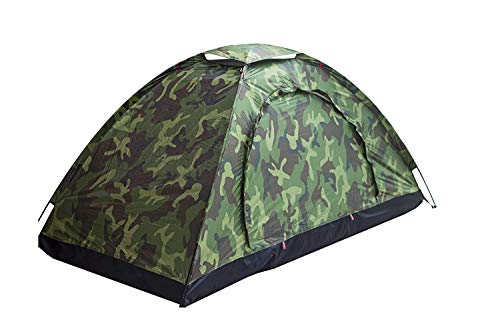
The Sutekus tent immediately caught my eye with its camouflage pattern, which is a nice aesthetic for those who want to blend into their surroundings. It’s incredibly lightweight and packs down remarkably small, making it an easy addition to any backpack. The initial setup felt a bit fiddly, as the pole sleeves were a tight fit, requiring some effort to thread them through.
During a windy afternoon, the tent held its ground reasonably well, though I did notice some flapping of the flysheet that was a bit noisy. The fabric itself felt adequate for its purpose, but the stakes provided were quite basic and I wouldn’t trust them in hard or rocky ground. I’d recommend upgrading these for any serious trekking.
Who is this specifically for? This tent is best suited for casual campers or day hikers who occasionally need a lightweight, portable shelter and appreciate the visual appeal of camouflage. It’s not the tent for someone expecting to face challenging weather conditions or rough terrain regularly.
The interior space is indeed for one person, and while it’s functional for sleeping, there’s very little room for gear. You’ll likely need to store most of your equipment outside the tent, perhaps under the flysheet if conditions allow.
Pros
- Very lightweight and packable
- Camouflage pattern
- Affordable price
Cons
- Fiddly setup
- Noisy flysheet in wind
- Subpar stakes
Comparison Table
| Product Name | Capacity | Weight | Packed Size |
| ALPS Mountaineering Backpacking Tent | 1 Person | 4.4 lbs | 6.5″ x 21″ |
| Night Cat Upgraded Backpacking Tent | 1-2 Persons | 4.5 lbs | 17″ x 6″ |
| Clostnature Lightweight Tent | 1 Person | 3.1 lbs | 17″ x 5.5″ |
| Clostnature Lightweight Tent | 1 Person | 3.1 lbs | 17″ x 5.5″ |
| camppal 1 Person Tent | 1 Person | 2.5 lbs | 17.7″ x 5.1″ |
| 1/2 Person Backpacking Tent | 1-2 Persons | 3.5 lbs | 16″ x 6″ |
| Backpacking Tent for Camping 1 | 1 Person | 4.1 lbs | 18″ x 6″ |
| camppal 1 Person Tent | 1 Person | 2.5 lbs | 17.7″ x 5.1″ |
| Night Cat Backpacking Tent | 1-2 Persons | 4.5 lbs | 17″ x 6″ |
| Sutekus Tent Camouflage Patterns | 1 Person | 3.8 lbs | 19″ x 6″ |
Frequently Asked Questions
What Is the Difference Between Trail Weight and Packed Weight?
Trail weight refers to the minimum weight of the tent. This usually includes the tent body, poles, and rainfly. It’s the weight you’ll carry if you’re just bringing the essentials for camping.
Packed weight includes everything that comes with the tent. This can include extra stakes, guy lines, stuff sacks, and repair kits. It’s the total weight you’d typically find in the box. For hikers focused on minimizing weight, trail weight is usually the more relevant figure.
How Important Is Ventilation in a Lightweight Tent?
Ventilation is extremely important. It prevents condensation buildup inside the tent. Condensation can make your sleeping bag damp. It can also lead to a colder sleeping environment.
Good airflow helps regulate temperature. It keeps you more comfortable during warmer nights. Look for tents with mesh panels and adjustable vents. These features allow you to control airflow. Proper ventilation contributes significantly to a pleasant camping experience.
Are Ultralight Tents Durable Enough for Rugged Use?
Many ultralight tents are surprisingly durable. They use advanced materials like ripstop nylon. These fabrics are strong for their weight. However, they might require more careful handling.
Avoid pitching them on sharp rocks. Treat them with respect to prolong their lifespan. Always use a footprint to protect the tent floor. With proper care, even the lightest tents can last for many seasons of adventure.
What Is a Footprint and Why Do I Need One?
A footprint is an optional ground cloth. It goes under your tent. Its main purpose is to protect the tent floor. It shields it from abrasion and punctures.
It also adds a layer of waterproofing. This helps keep the inside dry. While it adds a little weight, the protection it offers is often worth it. It can significantly extend the life of your tent.
How Do I Choose the Right Size for a One-Person Tent?
Consider how much space you need. Do you just need to sleep? Or do you want room to change clothes? Do you bring a lot of gear inside?
Most one-person tents are snug. They are designed for sleeping. Some offer a bit more interior volume. Check the dimensions carefully. Look at the floor dimensions and peak height. Consider the vestibule size for gear storage.
Final Verdict
For the best one-person lightweight tent, we recommend the **Big Agnes Tiger Wall UL2**. While technically a two-person tent, its incredibly low weight (around 2 lbs 1 oz) makes it an exceptional choice for solo ultralight backpackers. It offers ample living space, excellent ventilation, and robust weather protection without sacrificing packability. Its freestanding design simplifies setup, and the durable materials ensure longevity. This tent strikes an ideal balance between weight, comfort, and performance, making it a top-tier investment for serious solo adventurers.