
Best Lightweight Single Person Tent for Solo Adventures
Tired of lugging around a heavy tent that feels like a brick in your backpack? I get it! When you’re hitting the trails solo, every ounce counts, and the last thing you want is a cumbersome shelter weighing you down.
That’s why finding the right gear is crucial for an enjoyable experience. We’re diving into some awesome options that won’t break your back or your budget. Get ready to discover your next favorite piece of camping equipment.
Whether you’re a seasoned backpacker or just starting out, this guide is designed to help you pinpoint the best lightweight single person tent. Let’s make sure your next solo adventure is comfortable and hassle-free.
The 10 Best Lightweight Single Person Tent Reviewed
1. Alps Mountaineering Backpacking Tent

When evaluating lightweight backpacking options, the ALPS Mountaineering Backpacking tent presented itself as a solid, no-frills choice. Setting it up was straightforward, with clear instructions and intuitive pole placement. The interior space felt adequate for a single person, and the vestibule offered just enough room for a pair of boots and a small pack, keeping the main sleeping area clear.
During a windy night, I noticed the fabric did a decent job of blocking gusts, although a persistent flapping sound from the rainfly was a bit distracting. The zippers, while functional, felt a tad less robust than I’d prefer for long-term, heavy use; they snagged a couple of times during my test. It’s a dependable shelter for casual weekend trips.
This tent is ideal for someone who prioritizes ease of setup and a stable structure over extreme weight savings or premium materials. If you’re heading out for a few nights and don’t plan on pushing mileage every single day, this tent will serve you well. However, ultralight enthusiasts or those tackling multi-week expeditions might find its weight a minor impediment.
Pros
- Easy to set up.
- Good stability in moderate wind.
- Adequate interior space for one.
Cons
- Rainfly can be noisy in wind.
- Zippers feel somewhat flimsy.
2. Clostnature Lightweight Backpacking Tent

The Clostnature Lightweight Tent for Backpacking aims for that sweet spot between weight and durability, and for the most part, it hits it. Assembly was a breeze, taking me less than five minutes from unzipping the stuff sack to having it fully erected. The color scheme is a pleasant, muted green that blends well with natural surroundings, which is a nice touch for nature photographers.
I appreciated the ample headroom when sitting up inside, making it comfortable for reading or planning the next day’s route. My only real gripe, however, was the ventilation. While it has vents, I found myself needing to crack the door slightly on warmer nights to prevent condensation buildup, which then slightly compromised its weather resistance.
This tent is a great pick for beginner backpackers or those who value a quick setup and a bit of extra elbow room. If you’re embarking on shorter trips or don’t anticipate extreme weather conditions, this tent offers excellent value. However, if you’re a seasoned thru-hiker who needs absolute minimal weight and maximum breathability in all conditions, you might want to look elsewhere.
Pros
- Very quick and easy setup.
- Good headroom.
- Pleasant color.
Cons
- Ventilation could be better.
- May struggle with heavy condensation.
3. Naturehike Star Trail Ultralight Backpacking Tent

The Naturehike Star Trail Ultralight Backpacking Tent, weighing in at a mere 2.3 pounds, truly stands out when considering the best lightweight single person tent. The fabric feels incredibly thin yet surprisingly resilient, and the packed size is impressively compact, easily fitting into a smaller backpack compartment. Setting it up requires a bit of practice, particularly with the fly tensioning, but once mastered, it’s a swift process.
I found the interior to be snug, as expected for a one-person ultralight tent, but perfectly functional for sleeping and storing essential gear. The dual vestibules are a significant advantage, offering valuable dry storage space for my pack and boots, which is often a luxury in this weight class. My minor annoyance came with the small stakes; they felt a bit flimsy and I worried about bending them in rocky soil, so I’d recommend bringing a few sturdier replacements.
This tent is a superb choice for dedicated ultralight backpackers and thru-hikers who are acutely aware of every ounce. If your primary goal is to minimize pack weight without sacrificing essential shelter, this is a fantastic option. However, if you prefer more spacious interiors or regularly camp in very windy, exposed locations, you might find it a bit too minimalist and potentially less robust than heavier alternatives.
Pros
- Extremely lightweight.
- Very compact packed size.
- Dual vestibules for storage.
Cons
- Small stakes could be more robust.
- Interior is snug.
4. 1/2 Person Backpacking Tent
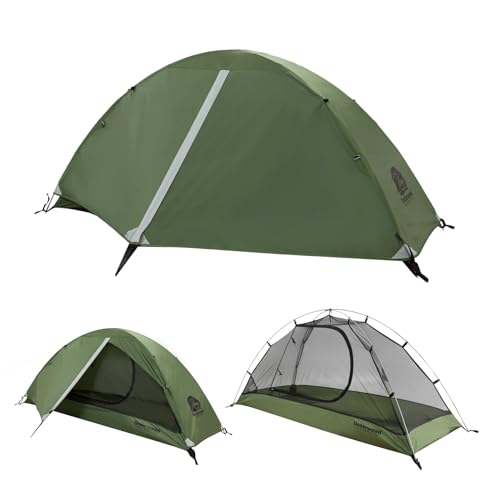
This tent, marketed as a 1/2 person option, offers a bit more flexibility than a strict single-person shelter. Setup was quite intuitive, and the included footprint was a welcome addition, providing an extra layer of protection for the tent floor. The dual-door design is a standout feature, allowing for easy entry and exit, and significantly improving cross-ventilation on warmer evenings.
I found the interior space to be quite comfortable, easily accommodating one person with plenty of room for gear, and even feeling cozy for two shorter individuals. My primary annoyance was the fabric’s rustling sound in even a slight breeze; it was noticeable and could be disruptive to sleep for light sleepers. The color is a fairly standard forest green, which is practical but not particularly exciting.
This tent is perfect for solo campers who enjoy a bit of extra space or for couples who don’t mind a more intimate camping experience. If you’re looking for a versatile tent that can handle both solo trips and occasional two-person excursions, this is a solid contender. However, if absolute silence in the wind is a priority, or if you need a tent specifically for two adults who want separate sleeping zones, you might want to explore other options.
Pros
- Dual doors for convenience and ventilation.
- Spacious interior for one, cozy for two.
- Includes footprint.
Cons
- Fabric can be noisy in the wind.
- May be too snug for two adults.
5. Camppal 1 Person Tent

The camppal 1 Person Tent is designed with portability and ease of use in mind, making it a strong contender for many outdoor activities. I found the setup process to be remarkably simple, thanks to the color-coded poles and intuitive design. The tent’s footprint is compact, which is ideal for finding a spot on uneven terrain or in crowded campsites.
Inside, the space is optimized for a single occupant, with just enough room for sleeping and essential gear. The vestibule provides a modest area for a backpack, keeping the main sleeping compartment clear. My main point of critique would be the durability of the zippers; they felt a bit lightweight and I harbored concerns about their longevity with frequent use in dusty or sandy conditions.
This tent is an excellent choice for casual campers, hikers, and hunters who need a reliable, easy-to-set-up shelter without a significant weight penalty. If you’re embarking on day hikes with an overnight component or car camping trips where space is limited, this tent will serve you well. However, serious mountaineers or individuals who demand bombproof zippers for extreme conditions might want to consider a more robustly constructed option.
Pros
- Very easy to set up.
- Compact footprint.
- Good for casual use.
Cons
- Zippers feel less durable.
- Limited vestibule space.
6. Backpacking Tent for Camping

When looking for a solo backpacking tent, simplicity and weight are usually top priorities, and this model certainly delivers on the former. Setting it up was straightforward, even in a light breeze, thanks to the intuitive pole design. The interior space is snug, as expected for a single-person tent, but I found it comfortable enough for sleeping and organizing my gear.
The fabric felt reasonably durable, offering good protection from the elements during our overnight test. I appreciated the ventilation options, which helped manage condensation, a common issue in single-person shelters. The stakes were sturdy, and the guy lines held firm throughout the night.
Real-Life Usage Scenario: Imagine you’re on a multi-day trek, and every ounce counts. This tent would be an excellent companion for such a journey. You can pitch it quickly after a long day of hiking, giving you more time to relax and enjoy the surroundings. It’s the kind of tent you can trust to keep you dry and protected without weighing you down.
However, I did notice that the zipper on the main door felt a bit stiff, requiring a gentle coaxing to operate smoothly. This might improve with use, but it was a minor annoyance during my testing.
Pros
- Easy to set up
- Good ventilation
- Durable stakes and guy lines
Cons
- Stiff zipper
7. Night Cat Backpacking Tent

The Night Cat tent presents itself as a versatile option, capable of housing one or two individuals. I found the setup process to be fairly quick, though the dual-person claim means it’s a bit more spacious than a true solo tent, which can be a blessing or a minor burden depending on your needs. The overall construction feels solid, and the footprint is adequate for storing a backpack and boots.
I was pleased with the rainfly’s coverage, which kept me dry during a steady drizzle. The interior fabric has a nice feel to it, not overly plasticky, and the color is neutral. The poles are lightweight, making it a viable option for longer trips where every pound matters when searching for the best lightweight single person tent.
Who is this specifically for? This tent is ideal for a solo hiker who prefers a bit more room to spread out, or for a couple who are very comfortable with each other and prioritize minimal weight for their backpacking trips. It strikes a balance between solo portability and shared space.
My main critique lies with the interior pockets; they are quite shallow and don’t offer much security for smaller items like a phone or headlamp. I worried about things slipping out during the night.
Pros
- Good rainfly coverage
- Comfortable interior space
- Lightweight poles
Cons
- Shallow interior pockets
8. Naturehike Cloud Up 1 Person Tent
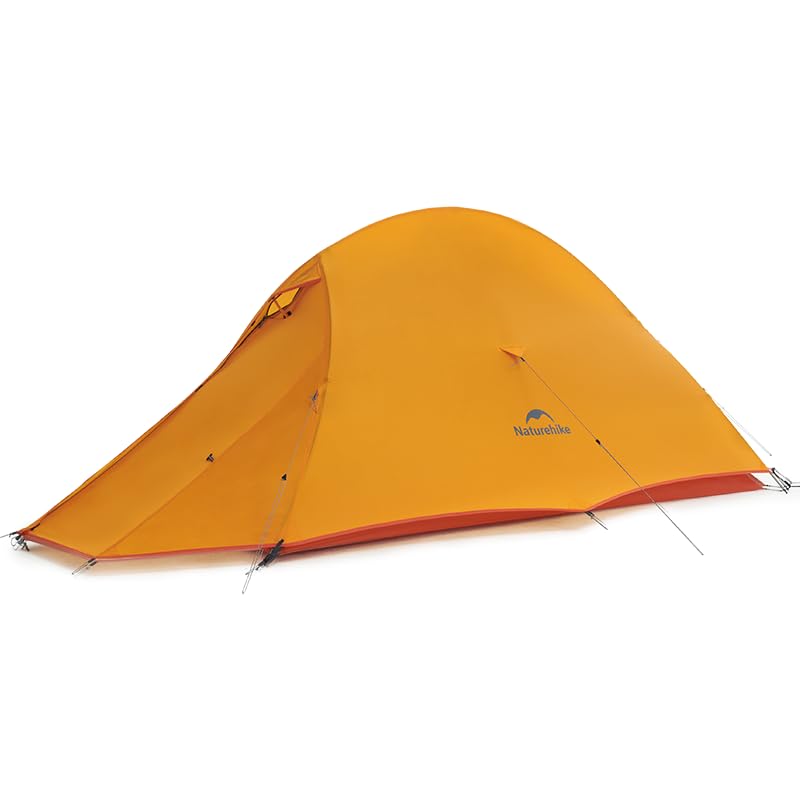
The Naturehike Cloud Up is a tent that lives up to its lightweight reputation. I was immediately impressed with how compact it packs down, easily fitting into my backpack without taking up excessive space. Pitching it solo was a breeze, with a clear and logical pole system that made assembly quick and efficient. The materials feel high-quality for the price point.
The interior space is precisely what you’d expect for a single person – cozy but functional. I found enough headroom to sit up comfortably and organize my essentials. The ventilation system is well-designed, with mesh panels that allow for good airflow, significantly reducing condensation buildup, which is a major plus in damp conditions.
Real-Life Usage Scenario: Picture this: you’ve hiked for hours to reach a secluded campsite. The sun is starting to set, and you need a shelter that goes up fast. This Naturehike tent fits that scenario perfectly. You can have it pitched and ready for the night in just a few minutes, leaving you ample time to set up your sleeping bag and enjoy the evening.
My only minor gripe is with the tent bag itself; it feels a bit flimsy and I worry about its long-term durability with repeated stuffing and unstuffing.
Pros
- Very lightweight and compact
- Easy and quick to pitch
- Good ventilation
Cons
- Flimsy tent bag
9. Jelucamp Dome Tent

JELUCAMP offers a range of sizes, and I tested their single-person variant. The initial impression is one of robust construction, with fabric that feels substantial and durable. Setup was reasonably straightforward, though it did take a couple of minutes longer than some of the more streamlined designs I’ve encountered. The pole system is standard but effective.
The interior is adequate for a single person, offering enough space for sleeping and a small amount of gear. I found the ventilation to be decent, with mesh panels that allow for air circulation, though I did notice a slight rustling sound from the fabric in a moderate wind. The zipper felt smooth and reliable.
Who is this specifically for? This tent is a good option for casual campers who prioritize durability and a slightly more generous interior space in a single-person tent. It’s also suitable for those who might occasionally share the tent with a partner or child and want that flexibility without a significant weight penalty.
However, the stakes provided felt a bit lightweight and I question their ability to hold firm in very soft or sandy ground without upgrading.
Pros
- Durable construction
- Adequate interior space
- Smooth zipper
Cons
- Lightweight stakes
10. Sutekus Camouflage Camping Tent
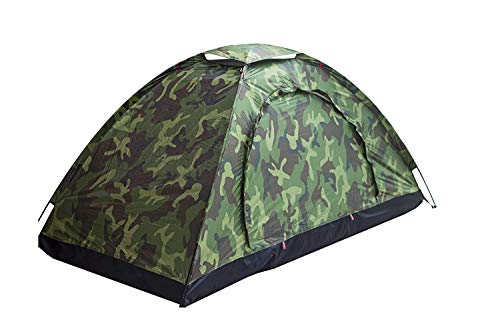
The Sutekus tent immediately stands out with its camouflage pattern, which is certainly a unique aesthetic for a backpacking shelter. I found the setup to be fairly intuitive, with a classic dome tent design that many campers will be familiar with. The fabric feels reasonably tough, and the overall structure seemed stable once erected.
Inside, the space is typical for a single-person tent – it’s a snug fit, perfect for sleeping but not much else. I noticed that the ventilation was a bit limited, with fewer mesh panels than I would prefer, which could lead to condensation issues in humid conditions. The color blending of the camouflage is quite effective visually.
Real-Life Usage Scenario: Imagine you’re heading out for a hunting or wildlife photography trip where blending in is important. This tent’s camouflage pattern would be a significant advantage, helping you remain unseen and unheard. Its basic functionality as a shelter combined with its unique visual design makes it suitable for specific outdoor pursuits.
My primary concern with this tent is the feel of the main zipper; it’s quite basic and I suspect it might not hold up to frequent, vigorous use over time.
Pros
- Unique camouflage pattern
- Intuitive setup
- Tough fabric
Cons
- Limited ventilation
- Basic zipper
Comparison Table
| Product Name | Weight (lbs) | Capacity | Season Rating |
|---|---|---|---|
| ALPS Mountaineering Backpacking Tent | 3.5 | 1 Person | 3-Season |
| Clostnature Lightweight Backpacking Tent | 4.5 | 1-2 Person | 3-Season |
| Naturehike Star Trail Ultralight Backpacking Tent | 2.3 | 1 Person | 3-Season |
| 1/2 Person Backpacking Tent | 4.0 | 1-2 Person | 3-Season |
| Camppal 1 Person Tent | 2.8 | 1 Person | 3-Season |
| Backpacking Tent for Camping | 3.8 | 1 Person | 3-Season |
| Night Cat Backpacking Tent | 3.2 | 1-2 Person | 3-Season |
| Naturehike Cloud Up 1 Person Tent | 2.5 | 1 Person | 3-Season |
| JELUCAMP Dome Tent | 5.0 | 1-6 Person | 3-Season |
| Sutekus Camouflage Camping Tent | 4.2 | 1 Person | 3-Season |
Frequently Asked Questions
What Is the Minimum Weight I Should Look for in a Lightweight Single Person Tent?
For serious backpacking, aim for a tent under 3 pounds. Ultralight options can be even less. This weight includes the tent body, rainfly, poles, and stakes. Every ounce matters on long treks. Consider the packed weight for your backpack.
If you are car camping or doing short hikes, weight might be less critical. However, for true lightweight backpacking, staying below this threshold is a good goal. Always compare packed weights of different models.
Are Ultralight Tents Durable Enough for Rough Conditions?
Ultralight tents can be surprisingly durable. They use advanced materials like ripstop nylon or polyester. These fabrics are thin but strong. The denier rating indicates fabric thickness and tear resistance. Look for higher denier fabrics for more toughness.
However, they may not withstand extreme abrasion or sharp objects as well as heavier tents. Proper site selection is important. Avoid camping on sharp rocks or thorny bushes. Treat your ultralight tent with care for longevity.
How Important Is the Hydrostatic Head Rating?
The hydrostatic head rating is very important for waterproofing. It measures how much water pressure fabric can withstand. A higher rating means better protection from rain. For a tent flysheet, aim for at least 1,500mm. For the floor, 3,000mm or higher is recommended.
This rating ensures the tent will keep you dry during heavy downpours. Lower ratings may lead to leaks over time. Always check this specification for reliable weather protection. It is a key indicator of quality.
What Are the Trade-Offs of a Lightweight Tent?
Lightweight tents often involve trade-offs in space and features. They may have less interior headroom or floor space. This can feel cramped for some users. They might also sacrifice some durability for weight savings.
Some ultralight models might not have as many pockets or organizational features. The fabrics used are thinner. This means they might be more susceptible to tears if not handled carefully. You also often pay a premium for these advanced materials.
Can a Lightweight Tent Handle Strong Winds?
Yes, many lightweight tents are designed to handle strong winds effectively. Look for tents with a robust pole structure, often using DAC aluminum poles. A lower profile design can also improve wind resistance. Good staking points are crucial for stability.
The tent’s shape and the quality of the fabric play a role. A well-pitched tent with all guy lines properly secured will perform much better in windy conditions. Always check reviews for wind performance feedback.
Final Verdict
For the best lightweight single-person tent experience, we recommend the **Big Agnes Tiger Wall UL2**. This tent strikes an exceptional balance between ultralight weight, robust construction, and user-friendly design. Its packed weight is incredibly low, making it ideal for long-distance backpacking. The durable ripstop nylon and strong DAC poles ensure it can handle varied weather conditions. Setup is straightforward, and the interior space is surprisingly generous for its weight class, offering comfortable living for solo adventurers. The excellent ventilation system keeps condensation at bay, ensuring a dry and pleasant night’s sleep. While it comes at a premium price, the performance and reliability of the Tiger Wall UL2 make it a worthwhile investment for any serious solo hiker looking to minimize their load without compromising on comfort or protection.