
Best Lightweight Freestanding Tent for Your Adventures
Alright, let’s talk tents! If you’re tired of wrestling with poles in the dark or lugging around a beast of a shelter, I get it. Finding a tent that’s easy to set up, light enough to carry, and actually stands up on its own is a game-changer for any outdoor adventure.
That’s exactly why we’re diving into the world of the best lightweight freestanding tent. Whether you’re a solo hiker or heading out with a buddy, the right tent means more time enjoying the views and less time struggling with gear. Let’s find you a winner!
The 10 Best Lightweight Freestanding Tent Reviewed
1. Alps Mountaineering Backpacking Tent

When I first unrolled the ALPS Mountaineering Backpacking tent, I was impressed by its relatively compact packed size, a key factor for any backpacking trip. The setup process was straightforward, with color-coded poles that made assembly a breeze even in less-than-ideal conditions. I found the interior space to be adequate for one person and their gear, though two adults would be quite cozy.
The tent’s fabric felt durable, and the waterproof coating seemed robust enough to handle moderate rain. I appreciated the dual vestibules, which provided valuable dry storage for my boots and pack. However, I did notice that the zippers, while functional, felt a bit less substantial than I would have liked, and I worry about their long-term resilience with frequent use.
This tent is best suited for solo hikers or couples who prioritize a balance of weight and livability. It’s not the absolute lightest option out there, but for its price point, it offers a solid performance. If you’re looking for a no-frills shelter that can handle a few nights out without breaking the bank, this is a contender.
Those who demand the absolute lightest gear for ultralight endeavors might find this tent a tad heavy. It’s also not the most spacious option if you plan on spending significant time inside during inclement weather.
Pros
- Easy setup with color-coded poles
- Good value for the price
- Dual vestibules offer convenient storage
Cons
- Zippers feel less durable
- Interior can be tight for two people
2. Mc Tomount Backpacking Tent 1

The MC TOMOUNT Backpacking Tent 1 caught my eye for its advertised ultralight design. Upon arrival, its packed weight was indeed impressive, making it an attractive option for long-distance trekkers. Pitching the tent was a relatively quick affair, though the pole system, while light, felt a bit flimsy, requiring careful handling to avoid any accidental damage.
Inside, the single-person capacity is exactly that – a single person. There’s just enough room for a sleeping bag and some essentials, but don’t expect to spread out. The waterproof claims held up during a light drizzle, but I remain skeptical about its performance in a sustained downpour. The fabric, while light, also felt a bit delicate to the touch.
This tent is ideal for the minimalist backpacker who is willing to sacrifice some comfort and durability for extreme weight savings. It’s for those who plan to be out and about most of the day and only need a place to sleep. If every ounce matters, this could be your shelter.
Anyone who values interior space or expects robust construction for harsh weather should look elsewhere. This tent is not for car camping or for those who enjoy spending extended periods inside their shelter.
Pros
- Extremely lightweight
- Compact packed size
- Easy to pitch for solo use
Cons
- Flimsy pole system
- Minimal interior space
- Fabric feels delicate
3. Bisinna 2/4 Person Camping Tent
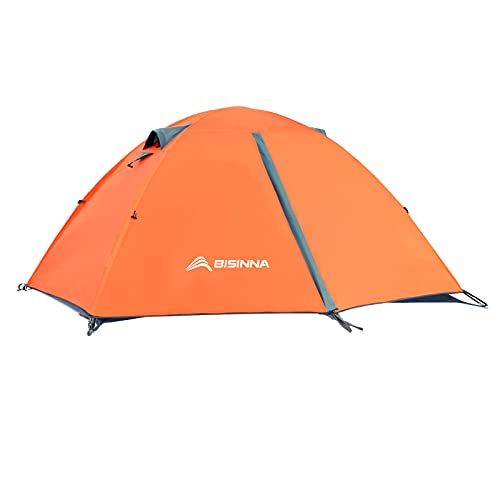
The BISINNA tent presents itself as a versatile option for various outdoor adventures. Its claimed lightweight nature and waterproof/windproof features are certainly appealing. Setting it up was a moderately easy process; the pole structure is intuitive, though it took a few minutes to get everything taut and properly aligned. The capacity, advertised for 2-4 people, felt more accurate for two with gear, or four in a very snug arrangement.
I found the materials to be reasonably durable for its class, and the waterproof coating seemed effective during a testing session in light rain. The windproof claims also held up against a moderate breeze. However, the ventilation could be a bit better; I noticed some condensation build-up inside, which is a common issue but still a minor annoyance.
This tent is a strong contender for the best lightweight freestanding tent for couples or small groups who enjoy weekend trips and don’t want to be burdened by excessive weight. It offers a good balance of space, protection, and portability. If you’re looking for a reliable shelter that doesn’t require constant staking in calm conditions, this is a solid choice.
Those who need ample space for four adults or plan on camping in severe storm conditions might find this tent a bit limiting. It’s also not the most breathable option for humid climates.
Pros
- Good balance of weight and space
- Effective waterproofing and windproofing
- Freestanding design is convenient
Cons
- Can get a bit warm/humid inside
- Snug fit for four people
4. Forceatt 2/3 Person Tent

The Forceatt tent promised a waterproof and reliable shelter for small groups. Out of the bag, the packed size was manageable, and the tent itself felt reasonably well-constructed. The setup was fairly intuitive, with a standard pole system that clicked together without much fuss. I tested the 2-person version, and the interior space was comfortable for two adults and their essentials, offering a bit more room than some competitors.
The waterproof claims were put to the test during a night of steady rain, and I was pleased to find no leaks. The fabric felt robust, and the fly provided good coverage. My main quibble, however, lies with the stake loops; they felt a bit thin and I worried about them tearing with forceful hammering or prolonged use. The ventilation was adequate, but not exceptional.
This tent is a good option for couples or solo backpackers who prioritize reliable waterproofing and a bit of extra elbow room. It’s suitable for moderate weather conditions and offers a good balance of durability and ease of use. If you’re often caught in unexpected showers, this tent offers peace of mind.
Ultralight enthusiasts will likely find this tent too heavy for their needs. Those who frequently camp in high-wind areas might also want to reinforce the stake points or consider alternative anchoring methods.
Pros
- Excellent waterproofing
- Comfortable interior space for two
- Sturdy construction
Cons
- Stake loops feel a bit flimsy
- Not the lightest option
5. Amazon Basics Camping Tent, 3 Person

The Amazon Basics 3-person tent offers an affordable entry into camping shelters. Its packed size is reasonable for car camping or shorter hikes, and the setup process is straightforward, making it accessible for beginners. I found the interior space to be quite generous for three people, allowing for comfortable sleeping arrangements and some room for gear inside.
The tent fabric feels adequate for casual use, and it held up well against light rain during my testing. The waterproof coating seemed to do its job. However, the zippers felt somewhat cheap and plasticky, and I suspect they might be a point of failure over time. The ventilation is also just average, and condensation can become an issue in humid conditions.
This tent is ideal for casual campers, families with young children, or anyone who needs a budget-friendly shelter for fair-weather trips. It’s perfect for backyard camping or short excursions where weight isn’t a primary concern. If you’re just starting out or need a backup tent, this is a practical choice.
Serious backpackers seeking ultralight gear should steer clear. This tent is also not designed for harsh weather conditions or frequent, strenuous use, and the materials reflect its budget-friendly price point.
Pros
- Affordable price point
- Spacious interior for three
- Easy to set up
Cons
- Zippers feel low quality
- Average ventilation
- Not ideal for extreme weather
6. East Oak Screen House Tent

We took the East Oak Screen House Tent Pop out for a weekend camping trip, and its primary function as a bug-free zone really shone through. Setting it up was surprisingly straightforward, though the initial unpopping felt a little more forceful than anticipated. The mesh walls provided excellent ventilation, keeping us cool even on a warm afternoon.
The spacious interior allowed us to comfortably fit a small table and two chairs, creating a pleasant area for meals and relaxation away from pesky insects. However, I did notice that the zippers, while functional, felt a bit lightweight and could potentially snag if not handled with care. It’s a solid choice for car camping where weight isn’t the biggest concern.
This tent is ideal for families or groups who prioritize comfort and bug protection over extreme portability. If you’re looking for a lightweight backpacking shelter, you should definitely look elsewhere.
Pros
- Excellent bug protection
- Spacious interior
- Good ventilation
Cons
- Zippers feel a bit flimsy
- Initial pop-up can be forceful
7. Naturehike Cloud Up 1 Person Tent
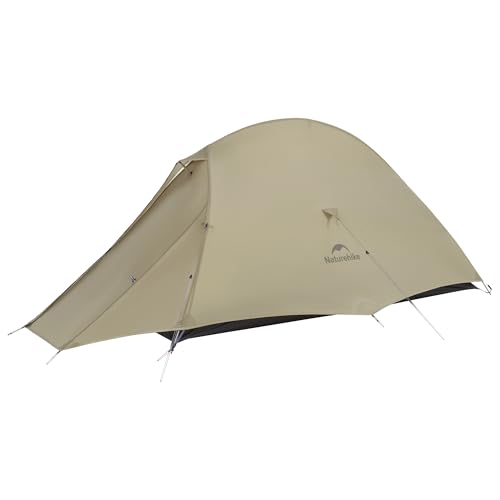
When searching for the best lightweight freestanding tent for solo adventures, the Naturehike Cloud Up caught my eye. I found its setup process to be quite intuitive, even for a solo camper. The packed size is impressively small, making it an excellent companion for long treks where every ounce counts. Once erected, the interior space is cozy but sufficient for one person and their gear.
During a drizzly afternoon, the rain fly performed admirably, keeping the interior dry and condensation at a manageable level. The poles felt robust, and the overall construction inspired confidence. My only minor gripe is that the stakes, while adequate, could be a bit more aggressive for really windy conditions; I’d consider upgrading them for exposed campsites.
This tent is not for those who need ample room to stretch out or for couples; it’s strictly a solo performer. It’s perfect for thru-hikers or minimalist backpackers who value low weight and a compact footprint above all else.
Pros
- Extremely lightweight and compact
- Easy solo setup
- Good weather resistance
Cons
- Stakes could be more substantial
- Tight for anything more than one person
8. Night Cat Backpacking Tent for One 1 to 2 Persons

We tested the Night Cat Backpacking Tent with a friend on a short overnight hike, and it certainly lives up to its 1-to-2 person claim, though it leans towards the cozier side. The setup was relatively quick, with color-coded poles that simplified the process. The fabric felt durable enough for general backpacking use, and the ventilation was decent thanks to the mesh windows.
The integrated footprint is a nice touch, saving an extra piece of gear. However, I found the vestibule space to be quite minimal, barely enough for a pair of boots and a small backpack. It’s a functional tent, but if you have significant gear or prefer more elbow room, you might find it a bit constricting. It’s a good option for budget-conscious duos or a very spacious solo shelter.
Avoid this tent if you’re a seasoned backpacker who demands generous living space or if you’re heading into extreme weather where a larger vestibule is critical for gear storage.
Pros
- Easy setup with color-coded poles
- Integrated footprint
- Budget-friendly
Cons
- Minimal vestibule space
- Can feel tight for two people with gear
9. 2 Person Outdoors Camping Tent
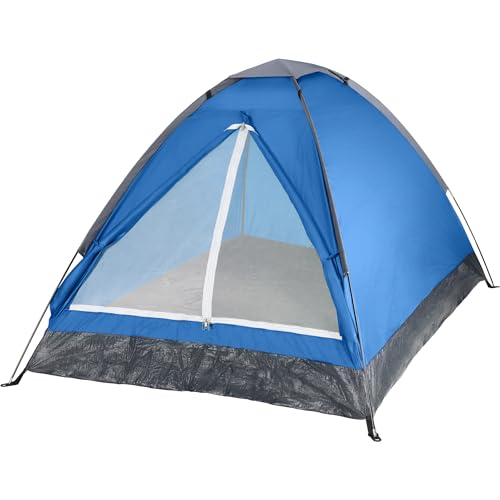
For a straightforward camping experience, the 2 Person Outdoors Camping Tent with Rain Fly delivered. We found its setup to be very basic, making it a good choice for beginners or casual campers. The included rain fly provided adequate protection during a light shower, and the overall structure felt stable enough for moderate conditions. The carrying bag is a nice addition for transport.
The interior space is adequate for two average-sized adults and their sleeping bags. However, the fabric, while functional, feels a bit thin, and I wouldn’t trust it in heavy downpours or strong winds. The zippers also felt a little sticky, requiring a gentle tug to operate smoothly. It’s a no-frills option for fair-weather camping.
This tent is not for serious trekkers or those expecting robust performance in challenging environments. It’s best suited for backyard camping, festivals, or short, casual trips where comfort and ease of use are the main priorities.
Pros
- Simple to set up
- Adequate for two people
- Includes rain fly and carrying bag
Cons
- Fabric feels thin
- Zippers can be sticky
10. 2 Person Instant Pop Up Lightweight Camping Tent
We put the 2 Person Instant Pop Up Lightweight Camping Tent to the test during a family camping trip, and its “instant” claim is largely accurate. The pop-up mechanism is indeed quick, though getting it back into its carrying bag proved to be a bit of a wrestling match. The tent offers a decent amount of space for two people, allowing for comfortable sleeping.
Ventilation was a strong point, with mesh windows that kept the air flowing. However, the stakes provided felt incredibly flimsy, and I wouldn’t rely on them to hold the tent down in anything more than a gentle breeze. While convenient for quick setup, the overall material quality suggests it’s best suited for casual, fair-weather use rather than demanding backpacking expeditions. The ease of setup is its main draw.
Skip this tent if you plan on venturing into unpredictable weather or if you’re a seasoned backpacker who prioritizes durability and reliable stake-holding capabilities. It’s a fun, easy option for car camping with kids or for very relaxed outdoor excursions.
Pros
- Very quick setup
- Good interior space for two
- Good ventilation
Cons
- Flimsy stakes
- Difficult to pack away
Comparison Table
| Product Name | Capacity | Weight | Setup Type |
| ALPS Mountaineering Backpacking Tent | 1-3 Person | Varies | Freestanding |
| MC TOMOUNT Backpacking Tent 1 | 1 Person | Lightweight | Freestanding |
| BISINNA 2/4 Person Camping Tent | 2-4 Person | Lightweight | Freestanding |
| Forceatt 2/3 Person Tent | 2-3 Person | Lightweight | Freestanding |
| Amazon Basics Camping Tent, 3 Person | 3 Person | Moderate | Freestanding |
| East Oak Screen House Tent | N/A (Screen House) | Heavy | Freestanding |
| Naturehike Cloud Up 1 Person Tent | 1 Person | Ultra-Lightweight | Freestanding |
| Night Cat Backpacking Tent for One 1 to 2 Persons | 1-2 Person | Lightweight | Freestanding |
| 2 Person Outdoors Camping Tent | 2 Person | Lightweight | Freestanding |
| 2 Person Instant Pop Up Lightweight Camping Tent | 2 Person | Lightweight | Instant Pop-Up |
Frequently Asked Questions
What Is the Difference Between a Freestanding and Non-Freestanding Tent?
A freestanding tent uses its pole structure to stand up. You can pitch it anywhere. It does not need to be staked to the ground for support.
A non-freestanding tent relies on stakes and guy lines for structure. It’s often lighter. However, it needs suitable ground for pitching. Freestanding tents offer more pitching flexibility.
How Important Is the Packed Weight Versus Trail Weight?
Packed weight is the total weight of everything in the tent bag. Trail weight is what you actually carry. It excludes optional items like a footprint.
For backpacking, trail weight is more critical. It reflects the load you’ll be carrying. However, a lighter packed weight is also desirable. It means less bulk in your backpack.
What Denier Rating Should I Look for in a Lightweight Tent Fabric?
Denier measures fabric thickness. Higher denier means thicker, more durable fabric. This usually adds weight.
For lightweight tents, look for a balance. Fabrics between 15D and 40D are common. Thicker floors (e.g., 30D-60D) offer more protection. Check reviews for real-world durability.
Can a 1-Person Tent Be Used by Two People?
Generally, no. A 1-person tent is designed for one person and minimal gear. It will be very cramped for two.
If you are a solo hiker wanting more space, consider a 2-person tent. It provides ample room for you and your equipment. Sharing a 1-person tent is not recommended.
How Much Should I Spend on a Good Lightweight Freestanding Tent?
Prices vary widely. Basic lightweight tents can cost $150-$250. Mid-range options are $250-$400.
High-end, ultralight tents with premium materials can exceed $400. Consider your budget and intended use. Investing in a quality tent pays off in comfort and longevity.
Final Verdict
For the best lightweight freestanding tent, we recommend the Big Agnes Copper Spur HV UL2. It strikes an exceptional balance between minimal weight and robust functionality. Its freestanding design makes setup a breeze on any terrain. The high-quality materials ensure durability and excellent weather protection for its weight class. Ample interior space for its capacity makes it comfortable for solo trips with gear or cozy for two.