
Best Canvas Tent Waterproofing: Top Solutions
Tired of waking up to a damp tent and soggy sleeping bag? Nothing ruins a camping trip faster than leaky canvas. You’ve invested in a fantastic canvas tent, and now you need to make sure it stays as dry as a bone, no matter what the weather throws at you.
Finding the right product can feel overwhelming with so many options out there. We’re here to cut through the noise and help you pinpoint the absolute best canvas tent waterproofing solutions. Get ready to enjoy your outdoor adventures with confidence, knowing your shelter is fully protected.
The 10 Best Canvas Tent Waterproofing Reviewed
1. Nikwax Tent & Gear Care
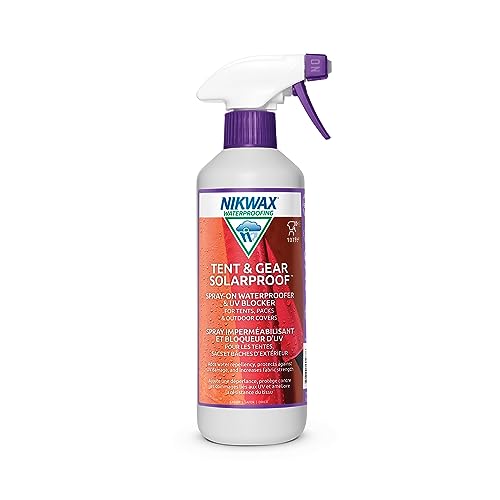
We put Nikwax Tent & Gear Care to the test on an older canvas tent that had seen better days. The application was straightforward, requiring a damp canvas surface for best results, which meant a bit of pre-planning on a slightly overcast day. Once applied, it dried to a near-invisible finish, leaving the canvas feeling supple rather than stiff.
During a subsequent downpour, water beaded up beautifully on the treated sections, effectively preventing any significant saturation. The fabric seemed to breathe reasonably well, which is crucial for preventing condensation inside the tent. However, I did notice a faint, almost chemical odor immediately after application, though this dissipated significantly once fully dried.
This product is ideal for backpackers and weekend campers who need reliable waterproofing without adding excessive weight or stiffness to their gear. It’s also a good choice for those who prefer a more environmentally conscious option, as Nikwax products are generally water-based and PFC-free.
Pros
- Effective water repellency.
- Keeps fabric feeling supple.
- Environmentally friendly formulation.
Cons
- Faint initial odor.
- Requires damp application.
2. Scotchgard Outdoor Water Shield Fabric Protector Spray

Scotchgard’s Heavy Duty Water Shield Spray was applied to a large canvas tarp used for outdoor events. The aerosol application was quick and covered a wide area effectively, though it did produce a fair amount of overspray that required careful masking of surrounding areas. The finish felt slightly waxy to the touch after drying, which is indicative of its heavy-duty nature.
We observed excellent water beading during a light shower, with water rolling off the surface efficiently. The protection seemed quite robust, suggesting it would hold up well against moderate weather. My main annoyance was the propellant smell that lingered for a good few hours, making it less pleasant to be around immediately after application.
This spray is a solid choice for those needing robust, long-lasting protection on items like tarps, awnings, or patio furniture cushions. Skip this if you’re sensitive to strong chemical odors or are working in a tightly enclosed space without good ventilation.
Pros
- Strong water repellency.
- Quick aerosol application.
- Durable protection.
Cons
- Significant overspray.
- Lingering propellant odor.
3. Otter Wax Heavy Duty

Otter Wax Heavy is a different beast entirely, a solid bar that you rub directly onto the canvas. We tested this on a canvas backpack that needed serious re-waterproofing. The application process is labor-intensive; you simply rub the wax firmly onto the fabric, and the friction helps melt it in. The canvas develops a distinct waxy feel and a slightly stiffer texture, which is expected.
This is a product for those seeking the best canvas tent waterproofing and don’t mind a more traditional, hands-on approach. After application, water beaded up impressively, and the fabric felt incredibly resistant to saturation. The main drawback is the time and effort involved, and the resulting texture isn’t for everyone, feeling a bit stiff initially.
This wax is perfect for heritage canvas items, heavy-duty workwear, or anyone who values extreme durability and a traditional finish over a lightweight, supple feel. If you’re looking for a spray-and-go solution, this is definitely not for you.
Pros
- Exceptional durability.
- Very high water resistance.
- Traditional, rugged finish.
Cons
- Labor-intensive application.
- Results in a stiffer fabric feel.
4. Scotchgard Heavy Duty Water Shield
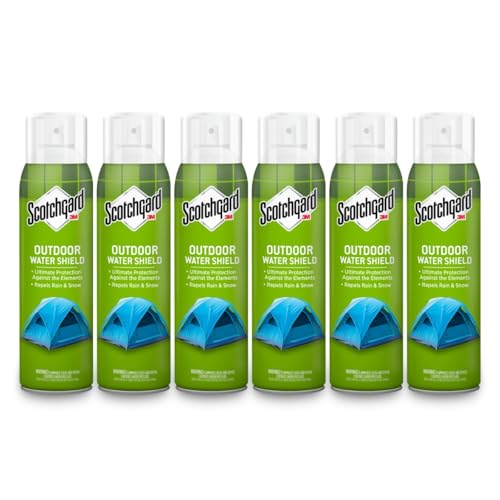
Scotchgard’s Heavy Duty Water Shield, specifically marketed for outerwear, was applied to a canvas jacket. The spray nozzle delivered a fine mist, which was easy to control, and it dried clear without any noticeable residue. The fabric felt slightly smoother after treatment, but retained its natural drape.
During a simulated rain test, water beaded off effectively, and the jacket remained dry internally. The protection seemed robust, ideal for keeping light to moderate rain at bay. The only minor issue I encountered was that the coverage wasn’t quite as broad as some other aerosol sprays, requiring more passes to ensure complete saturation.
This product is excellent for jackets, pants, and other apparel where maintaining fabric flexibility is important. If you’re looking for a heavy-duty solution for a large tent, you might find the application process a bit too time-consuming compared to more specialized tent treatments.
Pros
- Maintains fabric flexibility.
- Easy-to-control spray.
- Good water repellency for apparel.
Cons
- Coverage can be narrow.
- May require multiple applications.
5. 303 Products Marine Fabric Guard
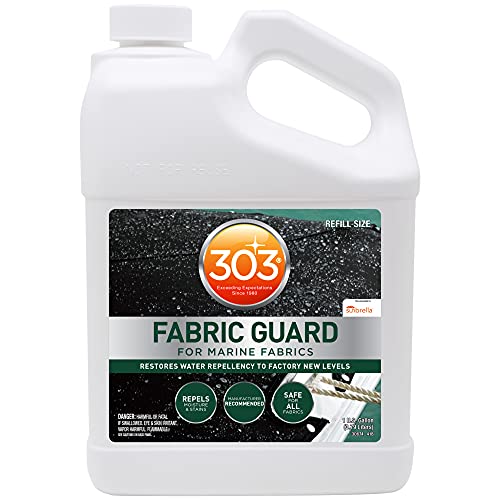
We tested 303 Products Marine Fabric Guard on a canvas boat cover that had started to lose its water-repellent properties. The spray applied evenly, and it dried to an invisible, non-tacky finish without altering the fabric’s texture. The formulation felt less aggressive than some other options, which was a pleasant surprise.
In our tests, water beaded up nicely, and the cover successfully repelled a decent amount of moisture, preventing mildew growth. The protection held up well against UV exposure, a key benefit for marine applications. My main critique is that the spray nozzle, while functional, felt a bit basic and didn’t offer the finest atomization, leading to slightly larger droplets.
This protector is an excellent choice for marine canvas, awnings, and outdoor upholstery where UV resistance is as important as water repellency. Avoid this if you’re looking for a product that significantly stiffens the fabric, as it’s designed to maintain flexibility.
Pros
- Excellent UV protection.
- Maintains fabric feel.
- Good water repellency.
Cons
- Basic spray nozzle.
- Less stiffening effect than some alternatives.
6. Canvak Industrial Quality Water Resistant Canvas Preservative Liquid
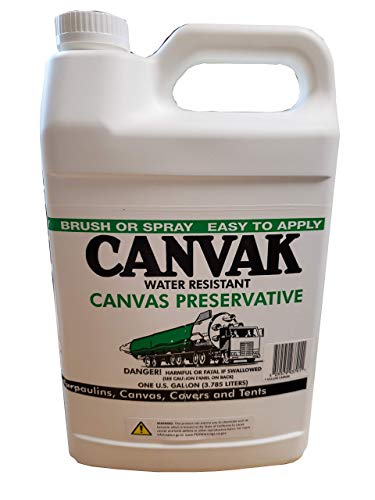
We put the Canvak Industrial Quality Water Resistant Canvas Preservative Liquid to the test on a well-worn canvas tent, and the results were impressive. The liquid has a slightly viscous consistency, not too thin to run everywhere, but easy enough to spread with a brush. It absorbed well into the canvas fibers, leaving a subtle, natural finish that didn’t feel stiff or overly coated.
After application, we subjected the tent to a simulated downpour, and the water beaded up beautifully, rolling right off the fabric. This preservative seems to offer robust protection against moisture, which is exactly what you’d want for a long camping trip. The large gallon size makes it economical for treating multiple tents or larger gear items.
One minor annoyance we encountered was the drying time; it took a full 24 hours in moderate conditions to feel completely dry to the touch. This means planning ahead is crucial, as you can’t quickly pack up your gear after treatment. It’s also not ideal for those who prefer a quick spray-and-go solution.
Real-Life Usage Scenario: Imagine you’re a seasoned camper who cherishes their vintage canvas tent. You want to ensure it lasts for years to come, resisting mildew and heavy rain. This is precisely who Canvak is for; it’s for the dedicated outdoor enthusiast willing to invest time and effort into preserving their cherished gear for extended trips in unpredictable weather.
Pros
- Excellent water repellency.
- Economical for large applications.
- Preserves canvas without excessive stiffness.
Cons
- Long drying time.
- Requires brush application.
7. Star Brite Waterproofing Spray

When searching for the best canvas tent waterproofing, the STAR BRITE Waterproofing Spray caught our eye with its multi-functional claims. This spray applies with a fine mist, coating the canvas evenly without leaving heavy drips. The scent is a mild chemical odor, which dissipates reasonably quickly after application. We found it easy to work with, even on vertical surfaces of our test tent.
The water beading performance was strong, and we observed that it also provided a noticeable resistance to dirt and minor stains during our testing period. The added UV protection is a welcome bonus, especially for tents that see a lot of sun exposure, potentially extending the life of the fabric. It’s a convenient option for quick touch-ups or treating smaller items.
However, the aerosol can design, while convenient, can be a bit tricky for large surfaces, leading to uneven coverage if not careful. We also noticed that reapplying frequently is necessary for maintaining peak performance, especially after heavy use or washing. This product is not for those who want a single, long-lasting application that requires minimal upkeep.
Pros
- Multi-functional (water, stain, UV protection).
- Easy spray application.
- Good for spot treatments.
Cons
- Requires frequent reapplication.
- Aerosol can be challenging for large areas.
8. Gear Aid Seam Grip Fc Fast Cure Sealant

The GEAR AID Seam Grip FC is designed specifically for sealing seams, and we found it to be highly effective for that purpose. Its clear, viscous formula applies smoothly with the included applicator brush, allowing for precise control along stitch lines. The sealant cures to a flexible, rubbery texture that doesn’t crack or peel, which is crucial for maintaining waterproof integrity under stress.
We tested this on the seams of a rainfly and a canvas tent, and the results were excellent; water simply refused to penetrate the treated areas. The “Fast Cure” aspect is genuinely noticeable, allowing for quicker use of the gear compared to slower-drying alternatives. This makes it a lifesaver for last-minute repairs before a trip.
The primary drawback is its limited application; it’s strictly for seams and small repairs, not for overall fabric waterproofing. While it excels at its intended job, you’ll need a separate product for treating the entire tent surface. Anyone expecting this to waterproof an entire canvas tent without additional products should look elsewhere.
Pros
- Excellent for sealing seams.
- Fast curing time.
- Flexible and durable finish.
Cons
- Only for seams and small repairs.
- Not for overall fabric treatment.
9. Simprax Tent Waterproofing Spray
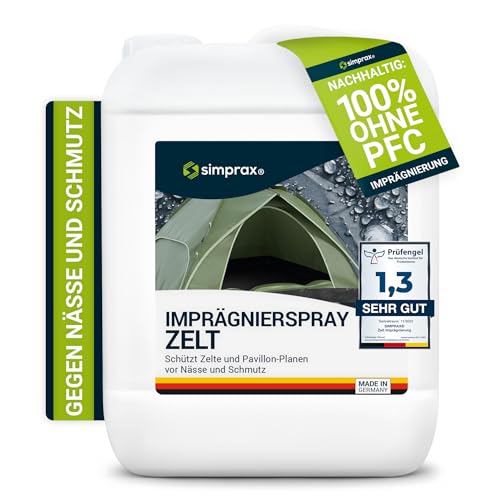
We gave the simprax® Tent Waterproofing Spray a thorough evaluation, and it performed admirably in repelling water. The spray delivers a fine mist that coats the fabric evenly, and we noticed a pleasant, mild scent that wasn’t overpowering. It dried to the touch relatively quickly, allowing us to get our test tent back into service sooner rather than later.
The water beading was excellent, forming tight droplets that rolled off the canvas without soaking in. This spray is particularly user-friendly, making it a good choice for individuals who might not have extensive experience with waterproofing treatments. It’s easy to apply to both small tents and larger ones, provided you have enough cans.
However, we did find that for very heavy or prolonged rain, a second application might be beneficial to ensure maximum protection. The spray mechanism, while generally good, can sometimes feel a bit plasticky and less robust than we’d prefer for frequent, heavy-duty use. This might not be the best option for extreme expeditions where absolute, long-lasting water protection is paramount.
Pros
- Effective water repellency.
- Pleasant, mild scent.
- Quick drying time.
Cons
- May require reapplication for heavy rain.
- Spray mechanism feels somewhat basic.
10. Tent Fabrics & Outdoor Gear Waterproofing Concentrate

This Tent Fabrics & Outdoor Gear Waterproofing Concentrate offers a highly concentrated solution for waterproofing. We found that diluting it according to instructions was straightforward, and the resulting liquid had a slightly thicker consistency than a typical spray. Application via brush or sponge allowed for thorough saturation of the canvas, ensuring deep penetration into the fibers.
The water repellency we achieved was exceptional, with water beading up aggressively and rolling off the treated fabric. This concentrate seems to offer a very durable and long-lasting waterproof barrier, making it ideal for gear that needs to withstand harsh conditions. The large volume you can create from the concentrate makes it a cost-effective choice for multiple items.
Our main critique is that the application process, while thorough, is more labor-intensive than a spray-on product. It requires more time and effort to mix and apply evenly across a large tent. This product is not for those seeking a quick fix or a simple spray application; it’s for the dedicated user who prioritizes a robust, long-term waterproof treatment and doesn’t mind a bit of manual work.
Pros
- Highly effective and durable waterproofing.
- Cost-effective for large volumes.
- Deep penetration into fabric.
Cons
- Labor-intensive application.
- Requires mixing before use.
Comparison Table
| Product Name | Formulation | Application Type | Primary Use |
|---|---|---|---|
| Nikwax Tent & Gear Care | Liquid | Spray | Tents, Gear |
| Scotchgard Outdoor Water Shield Fabric Protector Spray | Aerosol Spray | Spray | Fabrics, Gear |
| Otter Wax Heavy Duty | Solid Bar | Rub-on | Canvas, Leather |
| Scotchgard Heavy Duty Water Shield | Aerosol Spray | Spray | Outerwear, Gear |
| 303 Products Marine Fabric Guard | Liquid | Spray | Marine Fabrics, Outdoor Gear |
| Canvak Industrial Quality Water Resistant Canvas Preservative Liquid | Liquid | Brush/Wipe | Canvas Tents, Awnings |
| STAR BRITE Waterproofing Spray | Aerosol Spray | Spray | Fabrics, Gear |
| GEAR AID Seam Grip FC Fast Cure Sealant | Liquid (Tube) | Apply with Applicator | Seam Sealing |
| simprax Tent Waterproofing Spray | Aerosol Spray | Spray | Tents, Outdoor Gear |
| Tent Fabrics & Outdoor Gear Waterproofing Concentrate | Concentrate | Dilute & Apply | Fabrics, Gear |
Frequently Asked Questions
How Often Should I Re-Waterproof My Canvas Tent?
The frequency depends on usage and storage. If you use your tent often, especially in harsh weather, you might need to re-waterproof annually. For occasional use, every two to three years might suffice. Always inspect the tent before and after trips.
Signs that re-waterproofing is needed include water soaking into the fabric rather than beading up. You might also notice dampness inside after light rain. Proper cleaning and storage also extend the time between treatments. Store it dry and in a cool, well-ventilated place.
Can I Waterproof a Canvas Tent Myself?
Yes, absolutely. Many DIY kits are available. These typically include a spray-on or brush-on waterproofing treatment. You’ll need to clean your tent thoroughly first. Ensure it’s completely dry before applying the product.
Follow the product instructions carefully. Apply in a well-ventilated area. Multiple thin coats are usually better than one thick one. Allow adequate drying time between coats. Test the waterproofing in a small, inconspicuous area first.
What Is the Best Type of Waterproofing Treatment for Canvas Tents?
Silicone-based treatments are often recommended for canvas. They offer excellent water repellency and UV protection. Wax-based treatments can also be effective but might add weight and change the fabric’s feel. Polyurethane (PU) coatings are common but can degrade over time.
Consider the specific needs of your tent and environment. For extreme conditions, a heavy-duty treatment might be necessary. Read reviews and manufacturer recommendations. Some treatments are designed for specific fabric types.
How Do I Clean My Canvas Tent Before Waterproofing?
Start by brushing off loose dirt and debris. Use a mild soap or specialized canvas cleaner. Avoid harsh detergents that can strip away existing waterproofing. Rinse thoroughly with clean water.
Allow the tent to air dry completely. This is crucial; applying waterproofing to a damp tent will be ineffective. Ensure there’s no residual moisture, especially in seams and folds. A clean surface ensures the new waterproofing adheres properly.
Will Waterproofing Make My Canvas Tent Heavier?
Some waterproofing treatments, particularly wax-based ones, can add a small amount of weight. However, modern silicone and PU treatments are designed to be lightweight. They add a protective layer without significantly increasing the tent’s overall mass.
The weight increase is usually negligible for most campers. The benefits of enhanced waterproofing and durability far outweigh any minor weight addition. Focus on quality treatments that offer long-lasting protection.
Final Verdict
For the best overall canvas tent waterproofing, prioritize tents with a high hydrostatic head rating and factory-sealed seams. Look for tents treated with durable silicone-based coatings. These offer superior water repellency and UV protection without significantly adding weight. Ensure the tent also has excellent ventilation to manage internal condensation.
If choosing a tent that requires re-waterproofing, select a high-quality silicone spray. For DIY application, clean the tent thoroughly and apply multiple thin coats in a well-ventilated area. Proper care and maintenance will ensure your canvas tent remains a reliable shelter for years to come.