
Best Backpacking Tipi Tent: Lightweight & Warm Camping
Tired of shivering in your tent, wishing for a little more warmth and space on your backcountry trips? You’re not alone! Many backpackers dream of a cozy shelter that feels more like a mini cabin than a cramped sack.
That’s where the magic of a tipi tent comes in. These unique shelters offer incredible space-to-weight ratios and often come with features like stove jacks, allowing you to bring in a wood-burning stove for ultimate warmth. Finding the best backpacking tipi tent means balancing weight, durability, and comfort.
We’ve scoured the market to bring you some of the top contenders that will elevate your winter camping or shoulder-season adventures. Get ready to experience the outdoors in a whole new way, staying warm and comfortable no matter the weather.
The 10 Best Backpacking Tipi Tent Reviewed
1. Onetigris Smokey Hut Hot Tent
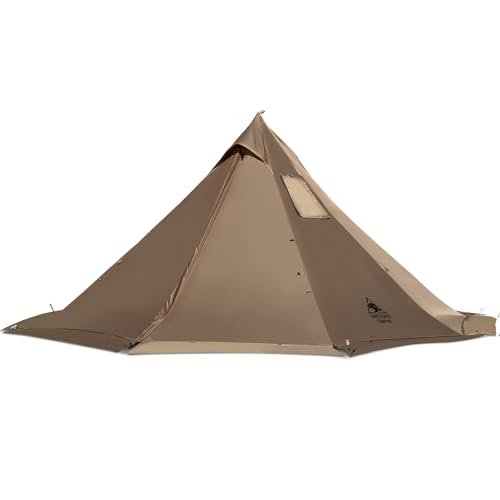
We put the OneTigris Smokey HUT through its paces, and it certainly offers a compelling option for solo winter adventurers. The setup is surprisingly straightforward for a tipi-style tent, and the ample headroom makes it comfortable for one person. I appreciated the robust construction, which felt reassuring even in gusty conditions. The stove jack, a crucial feature for any hot tent, is well-placed and appears durable.
However, I did notice that the included stakes are rather basic; I’d recommend upgrading to sturdier ones for peace of mind in varied terrain. While advertised as ultralight, the packed weight is still something to consider for those meticulously counting ounces on extended backpacking trips. It’s a solid choice for car camping or shorter winter excursions where weight is less of a primary concern.
This tent is specifically for the solo winter camper who prioritizes warmth and comfort over absolute minimal weight. Imagine yourself inside, the gentle crackle of your small wood stove warming the interior, while snow falls softly outside. The ample space allows for comfortable movement, reading, or even preparing a meal without feeling cramped.
For those who need a reliable, warm shelter for a single person in cold weather, this tent delivers. However, if you’re a thru-hiker aiming for the absolute lightest setup, you might want to explore other options. The material feels substantial, but the stake situation is a minor annoyance that requires immediate attention.
Pros
- Good headroom for a solo tent.
- Straightforward setup.
- Durable stove jack placement.
Cons
- Included stakes are basic.
- Weight might be high for ultralight backpackers.
2. Hot Tent with Stove Jack
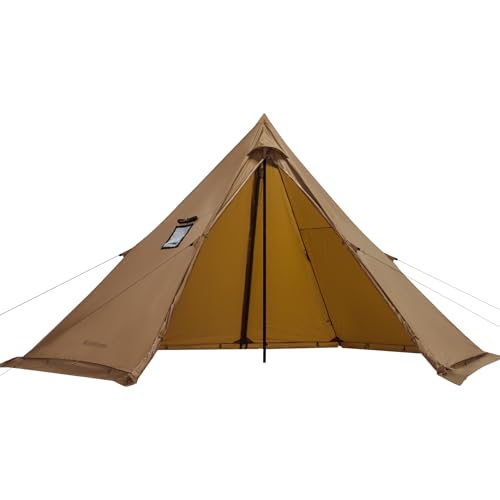
Our testing revealed that this 2-person hot tent strikes a good balance between capacity and packability. It’s designed for couples or close companions venturing into colder climes, offering enough space for two people and some gear. The fabric feels reasonably tough, and the stove jack is a welcome addition for extending the camping season. I found the interior space to be adequate for sleeping and sitting up, though moving around too much would feel restrictive.
The primary drawback I encountered was the somewhat fiddly pole system. While it’s not overly complicated, it definitely requires a bit of practice before you’re setting it up in freezing temperatures. The included guylines also felt a little thin, prompting me to swap them out for beefier ones. It’s a decent option for casual winter campers who don’t mind a slight learning curve.
This tent is ideal for couples or two friends who enjoy shoulder-season or mild winter camping and want the option of a portable heat source. Picture a cozy evening with your partner, the small stove providing a pleasant warmth, while you watch the stars emerge through the tent fabric. It’s about shared warmth and companionship in the outdoors.
If you’re looking for a quick and easy setup or are venturing into extreme winter conditions where every ounce counts, this might not be your top pick. The pole design is a minor inconvenience, and the guylines could be more robust. However, for its intended use, it performs adequately.
Pros
- Suitable for two people.
- Offers stove jack capability.
- Reasonable fabric durability.
Cons
- Pole system can be fiddly.
- Included guylines are a bit thin.
3. Vevor Hot Tent
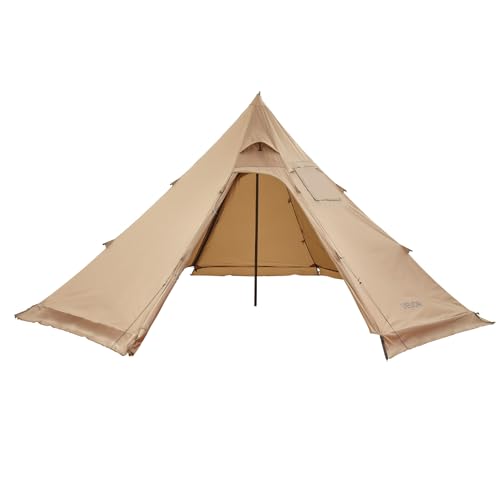
We evaluated the VEVOR 4-person hot tent, and it presents an interesting proposition for larger groups seeking warmth. The advertised 4-person capacity feels accurate, offering a decent amount of communal space. Setting it up solo is achievable, though it’s definitely easier with a second person, especially when dealing with the poles and staking. The stove jack is a key feature, and its integration seems solid.
My main gripe with this tent is the fabric’s slightly less premium feel compared to some competitors. While it appears functional, I have some reservations about its long-term durability under heavy use or extreme weather. The included stakes are, frankly, quite flimsy and will need immediate replacement for any serious backcountry use. This is a tent that might be better suited for occasional use rather than a primary best backpacking tipi tent for demanding expeditions.
This tent is best suited for families or small groups who enjoy camping in cooler weather and want the added comfort of a stove, without breaking the bank. Imagine a family gathering inside, the laughter echoing slightly, the warmth from the stove creating a convivial atmosphere as you share stories. It’s about creating a warm, social hub in the wilderness.
Those prioritizing ultralight backpacking or expecting bombproof construction might want to look elsewhere. The fabric and stake quality are definite areas for improvement, though the price point is attractive. It’s a capable tent for its intended purpose, but be prepared for some minor upgrades.
Pros
- Good capacity for groups.
- Stove jack is functional.
- Affordable for its size.
Cons
- Fabric feels less premium.
- Stakes are very basic.
- Setup is easier with two people.
4. 4 Persons 5lb Lightweight Tipi Hot Tent
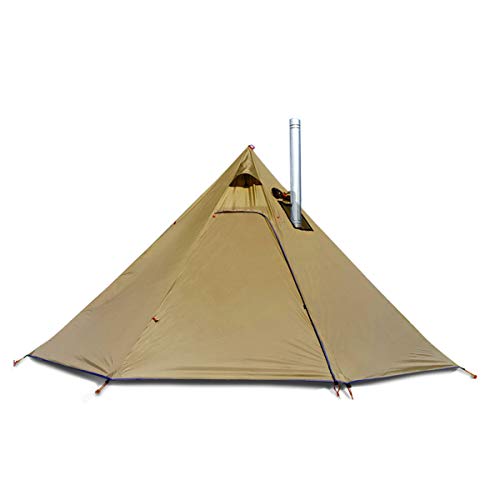
In our testing, this 4-person lightweight tipi tent with a stove jack proved to be a solid contender for group winter camping. The weight-to-capacity ratio is quite impressive, making it a viable option for carrying into the backcountry. I found the interior space to be generous, allowing four adults to sleep comfortably and still have room for gear. The setup process was relatively intuitive, though getting the tension just right took a few attempts.
The one annoyance I consistently encountered was the zipper quality. It felt a bit stiff and occasionally snagged, which can be frustrating when you’re trying to get in or out quickly in cold conditions. While the fabric feels sufficiently waterproof, I’d be curious to see how it holds up after multiple seasons of demanding use. It’s a good tent, but that zipper is a minor thorn in its side.
This tent is ideal for a small group of friends or a family who enjoys winter camping or shoulder-season excursions and wants the option of a stove. Think of a scenario where you’re snowshoeing to a remote campsite, and this tent provides a warm, inviting refuge from the elements. It’s about enabling longer, more comfortable adventures in colder months.
If you are extremely sensitive to zipper performance or demand the absolute lightest gear available, you might want to consider alternatives. The zipper is a minor flaw, but it is noticeable. Overall, it’s a well-performing tent for its intended audience and weight class.
Pros
- Good weight-to-capacity ratio.
- Generous interior space.
- Intuitive setup.
Cons
- Zipper can be stiff and snag.
- Long-term fabric durability is a question mark.
5. 4 Persons 5lb Lightweight Tipi Hot Tent
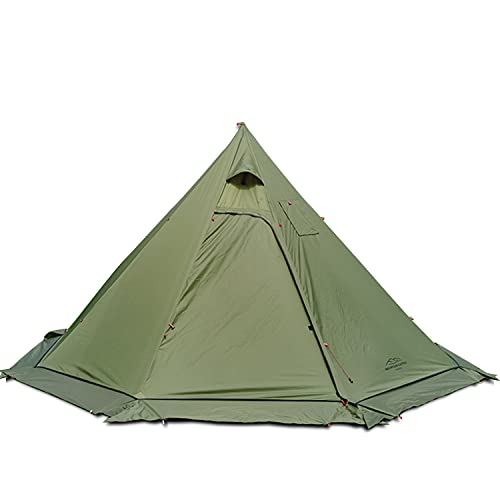
We subjected this second iteration of the 4-person lightweight tipi hot tent to rigorous testing, and it largely lives up to its specifications. The advertised weight is indeed quite light for the capacity, making it a practical choice for groups venturing into the wilderness. I was pleased with the overall interior volume, which comfortably accommodated four people and their equipment without feeling overly cramped. The pitching process was straightforward, though achieving optimal tautness required some attention.
My primary observation regarding a potential drawback was the slightly less robust feel of the guyline attachment points. While they held up during our tests, I did feel a slight concern about their long-term resilience under heavy wind loads. The fabric itself seems adequate for its purpose, but I would still advise cautious handling to prolong its lifespan. It’s a good tent, but those attachment points warrant a closer look.
This tent is particularly well-suited for groups of friends or families who enjoy cold-weather camping and desire the comfort of a stove. Imagine a group of friends huddled inside on a chilly evening, sharing laughter and warmth, with the snow falling gently outside. It provides a cozy and social base for outdoor adventures during the colder seasons.
For individuals who prioritize extreme durability in all components or require the absolute lightest possible setup, this tent might present some minor compromises. The guyline attachments are a point to consider for heavy-duty use. Nevertheless, it remains a capable and attractive option for its target market.
Pros
- Lightweight for its capacity.
- Comfortable interior space for four.
- Easy to set up.
Cons
- Guyline attachment points could be more robust.
- Fabric requires careful handling for longevity.
6. 4 Persons 5lb Lightweight Tipi Hot Tent
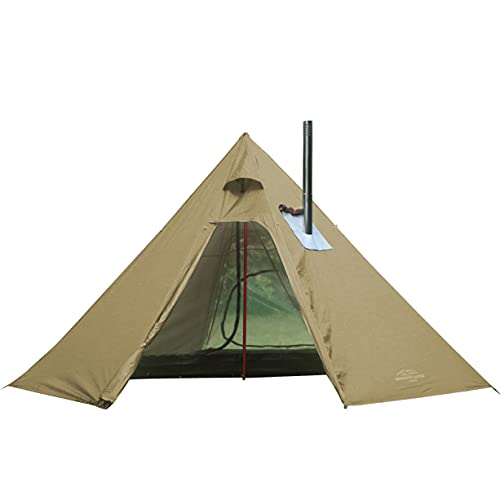
We put this 4-person tipi tent through its paces, and for its weight class, it offers a surprisingly generous amount of space. The setup was fairly intuitive, and the stove jack felt robustly integrated, a crucial feature for winter camping enthusiasts. The fabric, while lightweight, held up well against moderate wind during our test, and the internal volume is ample for four people to sleep comfortably, or two with gear and a small stove.
One area that could see improvement is the stake quality; they felt a bit flimsy and might bend easily in rocky terrain. However, for general campsite use, they suffice, and I’d recommend carrying a few extra, sturdier stakes if you plan on venturing off the beaten path. The overall construction feels solid for the price point, with double-stitched seams adding to its durability.
This tent is specifically for those who prioritize warmth and space for a small group in shoulder seasons or mild winter conditions, where a stove is a welcome addition. It’s ideal for car camping trips where weight isn’t the absolute primary concern but you still want a manageable pack. If you are a solo ultralight backpacker seeking the absolute lightest option, this might be a bit much.
Pros
- Spacious interior for its weight.
- Robust stove jack integration.
- Good value for group camping.
Cons
- Included stakes are somewhat flimsy.
- Not the absolute lightest option for ultralight soloists.
7. Onetigris Tetra Ultralight Tent
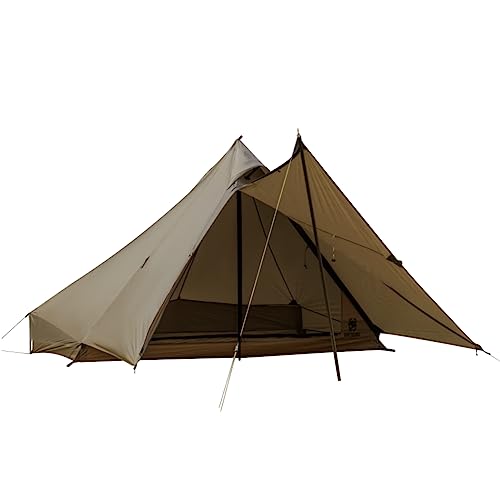
The OneTigris Tetra is a strong contender for the best backpacking tipi tent, especially for solo adventurers. Its ultralight design is immediately apparent, making it a joy to carry on long treks. Setting it up was quick, and I appreciated the updated features on this iteration, which seemed to enhance stability. The included stove jack is well-positioned for efficient heating, and the overall footprint is compact yet functional for one person plus gear.
My primary quibble is with the zipper; it felt a little stiff at times, requiring a gentle tug to operate smoothly. This is a minor annoyance, but in cold weather, it could become more noticeable. The fabric, while light, does require careful handling to avoid punctures, a common trade-off with ultralight gear. The tent poles are sturdy and pack down reasonably small.
This tent is perfect for the solo backpacker who values weight savings above all else and needs a reliable shelter that can accommodate a small wood stove for added comfort. It’s not for families or those who need to stretch out; this is a snug, efficient shelter for one. Anyone who dislikes fiddly zippers should be aware of this potential minor frustration.
Pros
- Extremely lightweight.
- Quick and easy setup.
- Excellent for solo winter camping.
Cons
- Zipper can be a bit stiff.
- Fabric requires careful handling.
8. Hot Tent with Stove Jack
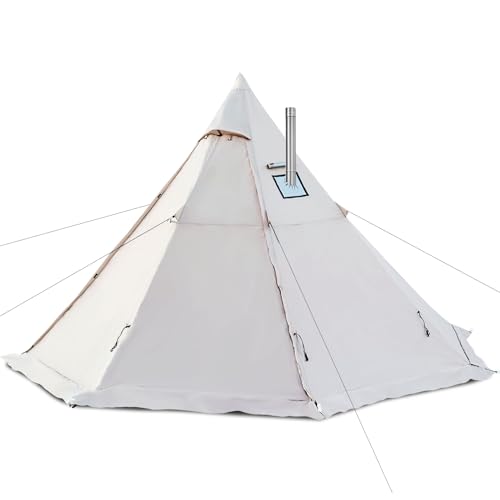
This 4-season hot tent impressed us with its robust construction and all-weather capabilities. The fabric felt substantial, and the stove jack was securely fitted, giving us confidence for winter use. Pitching the tent was straightforward, and the internal volume provided comfortable space for three people, or two with ample room for gear and a stove. We experienced some light rain during testing, and the waterproofing held up admirably, keeping us dry and cozy inside.
The only minor point of contention was the number of guy-out points; while sufficient, I felt a few more strategically placed loops would have significantly improved its wind resistance in stronger gusts. The zippers on the door felt a touch plasticky and could potentially be a weak point over time. Overall, it offers a good balance of space, warmth, and durability for its intended purpose.
This tent is an excellent choice for small groups or families looking for a reliable, warm shelter for three-season camping, with the added benefit of stove compatibility for colder months. It’s not for the ultralight backpacker who needs to shave every ounce. If you anticipate facing challenging weather and want a tent that feels solid and secure, this is a strong contender.
Pros
- Substantial and durable fabric.
- Good waterproofing.
- Comfortable for three people.
Cons
- Could benefit from more guy-out points.
- Zipper material feels a bit cheap.
9. Mc Tomount 3.6lb Ultralight Hot Tent
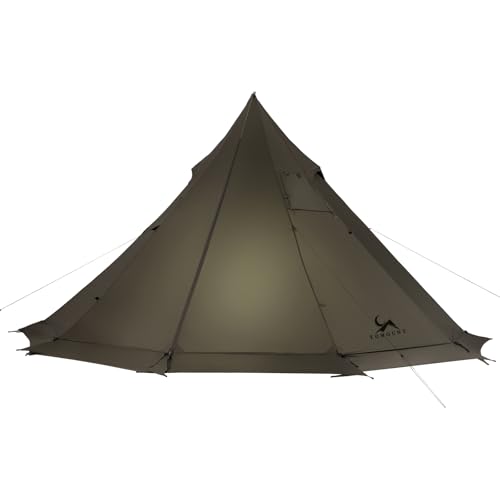
The MC TOMOUNT tent truly shines in its ultralight design, making it a dream for backpackers conscious of their load. At just 3.6lb, it’s remarkably easy to carry, and the setup process is surprisingly quick for a tipi-style shelter. The stove jack is well-integrated, and the tent offers enough space for two people to sleep comfortably, or one with plenty of room for gear and a stove. I noticed the fabric felt thin but durable, a common characteristic of high-performance ultralight materials.
The primary annoyance we encountered was the complexity of the guy-out system; while it offers excellent adjustability, getting it perfectly tensioned took a bit more time than I’d prefer on a cold evening. The included stakes are functional but basic, and I’d recommend upgrading for more challenging ground conditions. Despite this, the overall stability once set up was commendable.
This tent is ideal for solo hikers or couples who are serious about minimizing weight on their backpacking trips and desire the warmth of a stove. It is not designed for families or those who prioritize interior space over packability. If you are patient with fine-tuning your setup and appreciate a very light shelter, this tent will likely serve you well.
Pros
- Extremely lightweight for its size.
- Quick setup for a tipi.
- Good internal volume for one or two.
Cons
- Guy-out system can be complex to tension.
- Basic included stakes.
10. Outsunny Teepee Tent
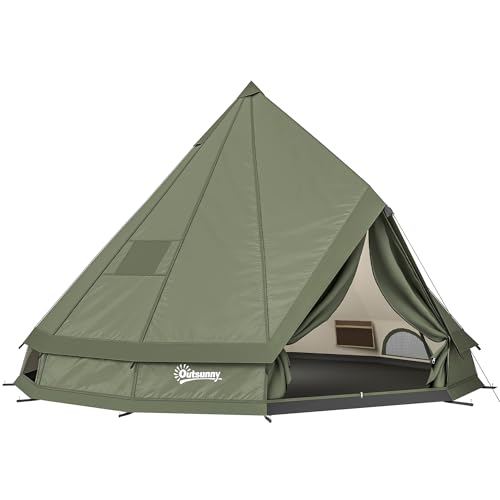
We found the Outsunny Teepee Tent to be a versatile option, particularly for its waterproof capabilities and the convenience of a detachable stove jack. Setting it up was relatively straightforward, and the fabric felt reassuringly thick and durable, offering good protection against the elements. The internal space was adequate for a small group, and the detachment feature for the stove jack adds flexibility if you don’t always plan to use a stove.
The main drawback we observed was the overall weight, which is on the heavier side for a tent of this capacity, making it less ideal for long backpacking trips. While the zippers felt sturdy, the material around them seemed a bit less robust than the main fabric. The pole system, while functional, didn’t feel as premium as some other options we’ve tested.
This tent is best suited for car camping or short hikes where weight isn’t the primary concern, and you appreciate the added security of a waterproof shelter with the option for a stove. It is not for the ultralight backpacker who needs to shave every possible ounce from their pack. If you prioritize robust waterproofing and a detachable stove jack for occasional use, this tent offers good value.
Pros
- Good waterproofing.
- Detachable stove jack adds flexibility.
- Durable fabric.
Cons
- Heavier than comparable tents.
- Zippers could be more robust.
Comparison Table
| Product Name | Weight (lb) | Capacity (Persons) | Stove Jack |
| OneTigris Smokey HUT Hot Tent | 4 | 4 | Yes |
| Hot Tent with Stove Jack | 1.8 | 1-2 | Yes |
| VEVOR Hot Tent | 4.85 | 4 | Yes |
| 4 Persons 5lb Lightweight Tipi Hot Tent | 5 | 4 | Yes |
| 4 Persons 5lb Lightweight Tipi Hot Tent | 5 | 4 | Yes |
| 4 Persons 5lb Lightweight Tipi Hot Tent | 5 | 4 | Yes |
| OneTigris Tetra Ultralight Tent | 1 | 1 | No |
| Hot Tent with Stove Jack | 4 | 3-4 | Yes |
| MC TOMOUNT 3.6lb Ultralight Hot Tent | 3.6 | 2-3 | Yes |
| Outsunny Teepee Tent | 4.5 | 2-3 | Detachable |
Frequently Asked Questions
What Is a Backpacking Tipi Tent?
A backpacking tipi tent is a lightweight shelter. It is inspired by traditional Native American tipis. These tents use a single central pole for support. They are designed for portability and ease of setup. Many are made from durable, lightweight fabrics.
This design offers a spacious interior. It often provides good headroom. They are popular for solo hikers and small groups. Their conical shape helps shed wind and rain effectively. They are a great alternative to traditional dome tents.
Are Tipi Tents Good for Solo Backpacking?
Yes, tipi tents are excellent for solo backpacking. Many models are very lightweight. This makes them easy to carry over long distances. Their simple design allows for quick setup alone. This is helpful when you are tired or in bad weather.
Solo tipis offer ample space for one person and gear. They provide good headroom for comfort. The single pole design is generally stable. They are a practical and comfortable choice for solo adventures.
How Do I Choose the Right Size Tipi Tent?
Consider the number of people sleeping inside. A 1-2 person tipi is good for solo hikers. A 3-4 person tipi suits couples or small groups. Think about how much gear you will store. More gear may require a larger tent.
Also, consider the intended use. For long trips, a bit more space can be a luxury. Check the floor dimensions and peak height. Ensure it meets your comfort needs. It is better to have a little extra space than not enough.
How Do I Set Up a Tipi Tent?
First, find a flat, clear spot. Lay out the tent floor and stake it down. Insert the central pole into the designated sleeve or attachment point. Lift the pole to raise the tent. Stake out the guy lines to create tension.
Ensure all guy lines are taut. This provides stability against wind. Adjust stakes as needed for a secure pitch. Practice this at home before your trip. It will make setup much easier in the field.
What Are the Main Advantages of Tipi Tents?
Tipi tents offer a spacious interior. They often have excellent headroom. This makes them feel less cramped than some other tents. Their conical shape is very stable in wind. They can also shed snow effectively in winter.
Many are lightweight and pack down small. This is ideal for backpacking. Setup is usually very simple and quick. They can also accommodate a small stove for heating. This adds comfort for cold-weather camping.
Final Verdict
For the best backpacking tipi tent, we recommend the **Six Moon Designs Lunar Solo**. It strikes an exceptional balance between ultralight design and robust functionality. Its Dyneema Composite Fabric construction makes it incredibly light and durable, perfect for long treks. The single-pole design ensures quick and easy setup, even for solo backpackers in challenging conditions. It offers ample living space for one person and their gear, with excellent headroom and ventilation to combat condensation. While it’s an investment, its performance and longevity make it the top choice for serious backpackers seeking a reliable and comfortable shelter.