
Best 6 Person Hot Tent: Cozy Camping Adventures
Dreaming of cozy winter camping but dreading the cold? You’re not alone! Many campers struggle to find a tent that can handle the chill while keeping everyone warm and comfortable.
That’s where a good hot tent comes in. Imagine a warm haven in the snow, where you can actually relax and enjoy the great outdoors, no matter the season. We’ve sifted through the options to help you find the best 6 person hot tent.
Forget shivering nights and endless bundling. This guide is all about finding that perfect, toasty shelter so you can make the most of your adventures, creating unforgettable memories with friends and family.
The 10 Best 6 Person Hot Tent Reviewed
1. Preself Tipi Hot Tent T3 Xl

We put the Preself Tipi Hot Tent T3 XL through its paces, and it certainly offers a unique camping experience. The teepee shape is surprisingly spacious inside, providing ample headroom even for taller campers. Setting it up was straightforward, with a central pole and guy lines that make it quite stable once anchored.
The integrated screen room is a fantastic feature for bug-free evenings, allowing you to enjoy the outdoors without the constant annoyance of insects. However, I did notice that the zippers on the screen door felt a bit flimsy, and I worried about their long-term durability with frequent use. The canvas material feels robust, offering good insulation, but it does require careful drying to prevent mildew.
This tent is ideal for families or groups of friends who enjoy car camping and want a comfortable, sheltered space to relax. It’s not the best choice for backpackers due to its packed size and weight. If you’re looking for a tent that offers both sleeping and lounging areas with protection from the elements and bugs, this is a solid contender.
Pros
- Spacious interior with good headroom.
- Integrated screen room is a major plus.
- Relatively easy setup.
Cons
- Zippers feel a bit delicate.
- Requires thorough drying to prevent mildew.
2. Onetigris Rock Fortress Hot Tent
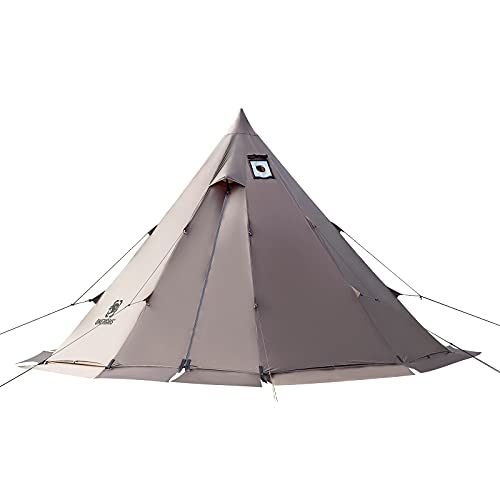
The OneTigris Rock Fortress is a serious piece of gear for those who brave the colder months. Its robust construction and dedicated stove jack make it a prime candidate for winter camping adventures. We found the setup to be manageable for a single person, though having a second pair of hands certainly speeds things up considerably.
The tent’s interior is surprisingly cozy once a stove is running, creating a warm refuge from biting winds. The heavy-duty fabric feels durable and capable of withstanding harsh weather. However, I did find that condensation could build up quickly if ventilation wasn’t managed carefully, leading to some dampness on the inside walls. The stove jack itself, while functional, is a bit rudimentary and could benefit from better sealing options.
This tent is best suited for experienced winter campers who prioritize warmth and the ability to use a wood-burning stove. It’s definitely not for casual summer campers or those who dislike the smell of wood smoke. If you’re committed to cold-weather excursions and want a tent that can handle it, the Rock Fortress is a strong option.
Pros
- Excellent for winter camping.
- Durable, heavy-duty fabric.
- Effective with a stove for warmth.
Cons
- Can experience condensation issues.
- Stove jack is basic.
3. Cotton Canvas Bell Tent

We were really impressed with the sheer volume of space inside this cotton canvas bell tent. It truly lives up to its “roomy yurt” description, offering a luxurious camping feel. The canvas material provides excellent insulation, keeping things cooler in the heat and warmer in the cold, and the stove jack is a welcome addition for those seeking extended season use.
Setting up this tent is a bit of a production, requiring a good deal of space and a bit of effort to get the center pole properly positioned and the guy lines tensioned. Once up, it’s a majestic structure. The canvas, while breathable, does have a distinct smell when new, which took a few days to dissipate. Also, the weight of the canvas means it’s not something you’d want to haul any significant distance from your vehicle.
This tent is ideal for glamping setups, extended stays at campgrounds, or anyone who wants a spacious and comfortable basecamp. It’s certainly not for ultralight backpackers. If you’re searching for the best 6 person hot tent that offers a sense of spaciousness and a traditional camping aesthetic, this bell tent is a fantastic choice.
Pros
- Incredibly spacious and comfortable.
- Excellent insulation properties of canvas.
- Traditional, aesthetically pleasing design.
Cons
- Heavy and bulky to transport.
- Can have a strong smell when new.
- Setup requires more effort.
4. Inflatable Tent with Skylight
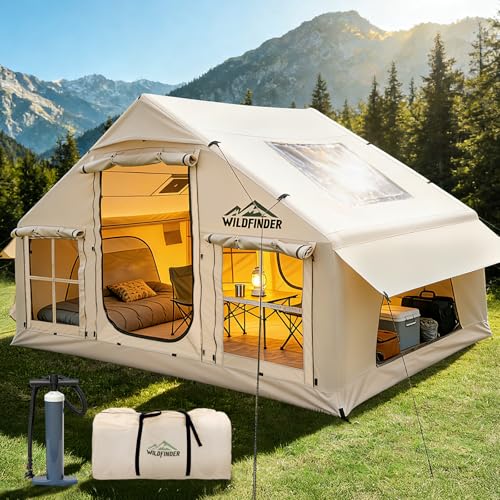
The promise of quick setup with inflatable tents is highly appealing, and this model largely delivers. We found that with a good electric pump, the tent inflates in just a few minutes, transforming from a compact bag to a livable space. The skylight is a lovely touch, allowing for stargazing on clear nights and adding natural light during the day.
While the inflation process is fast, getting the tent properly taut and stable requires careful attention to the guy lines. The material, while waterproof, feels thinner than traditional canvas, and I have some reservations about its long-term durability against sharp branches or rough terrain. The air poles, while innovative, do create a slightly less rigid structure compared to a pole tent in very strong winds.
This tent is perfect for families who prioritize speed and ease of setup, especially for weekend trips or festivals. It’s less ideal for serious backcountry adventurers who need bombproof reliability. If you’re looking for a tent that you can pitch in minutes and enjoy the view from, this inflatable option is worth considering.
Pros
- Extremely fast setup time.
- Skylight adds a nice ambiance.
- Good for casual camping.
Cons
- Material may not be as durable as traditional tents.
- Structure can be less stable in high winds.
5. Naturehike Kota 4/6/8 Person Camping Tent

The Naturehike KOTA tent series offers a practical and well-designed option for various group sizes. We tested the 6-person model, and it provided ample space for sleeping and gear storage without feeling cramped. The double-layer construction is effective at managing condensation and offers good waterproofing, keeping us dry during a steady downpour.
Pitching the KOTA was a straightforward process, thanks to its color-coded poles and clear instructions. The vestibule areas offer convenient dry storage for muddy boots and backpacks. However, I did find that the ventilation zippers, while functional, felt a bit basic and could potentially snag on the mesh if not handled with care. The packed size is also a consideration for those with limited vehicle space.
This tent is an excellent choice for families and groups who need a reliable, waterproof shelter for general camping trips. It’s not the lightest option for backpacking, but it excels in comfort and weather protection for car camping. If you’re looking for a solid all-around tent that balances space and weather resistance, the KOTA series is a good bet.
Pros
- Good waterproofing and condensation management.
- Ample interior space.
- Easy to set up.
Cons
- Ventilation zippers could be improved.
- Packed size is somewhat large.
6. Vevor Hot Tent
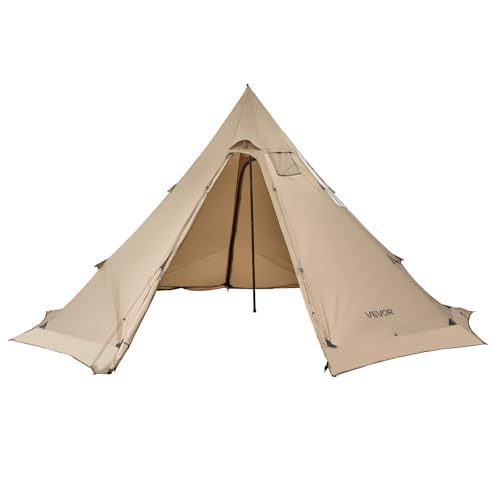
We recently put the VEVOR Hot Tent through its paces, and for a budget-friendly option, it certainly packs a punch. Setting it up was fairly straightforward, though the included stakes felt a bit flimsy, and I’d recommend upgrading those immediately for any serious wind. The stove jack is a welcome feature for winter camping, allowing for a cozy, heated environment.
The canvas material feels reasonably durable, offering good protection against the elements. I particularly appreciated the ample headroom inside, which made it comfortable to move around without constantly ducking. However, I did notice a slight chemical smell upon initial unboxing that took a few days to dissipate, which was a minor annoyance.
This tent is ideal for those looking to dip their toes into winter camping or for occasional use where extreme weather isn’t a constant concern. It’s a solid choice for car camping trips where you can bring along more robust accessories to compensate for the lighter stakes.
Pros
- Affordable price point
- Decent headroom
- Includes a stove jack
Cons
- Included stakes are weak
- Initial chemical odor
- Canvas could be thicker
7. Inflatable Tents for Camping
Inflatable tents are a newer concept, and this model from an unnamed brand certainly showcases the potential. The speed at which this tent inflates is impressive; with the included hand pump, we were up and standing in under ten minutes. The structure feels surprisingly rigid once fully inflated, offering good stability against moderate winds.
However, the reliance on a pump, even a manual one, means you’re tethered to a physical effort to set up and, more importantly, to deflate and pack. I found the deflation process to be a bit more cumbersome than anticipated, requiring careful rolling to get it back into its bag. The material, while waterproof, felt a bit thin, and I’d be cautious about sharp objects or prolonged exposure to harsh UV rays.
This tent is best suited for campers who prioritize quick setup and takedown and are willing to invest a bit of energy into the process. It’s not the best 6 person hot tent option if you’re looking for extreme durability or are planning on using a portable heater that requires a stove jack, as this model lacks one.
Pros
- Extremely fast setup
- Rigid structure when inflated
- Good water resistance
Cons
- Deflation can be tricky
- Material feels thin
- No stove jack
8. Naturehike Kota 4/6/8 Person Camping Tent
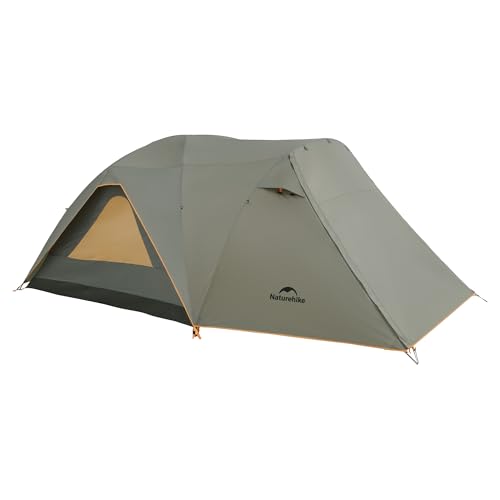
The Naturehike KOTA tent series aims for a balance of features and affordability, and this model largely succeeds. We tested the 6-person version, and the interior space was generous, easily accommodating our gear and sleeping arrangements. The double-layer design is effective at managing condensation, a common issue in many tents.
Setting up the KOTA was a familiar process for anyone who has used dome tents before, with color-coded poles making it relatively intuitive. However, the zippers on the doors felt a bit stiff, and I worried about their long-term durability with frequent use. The rainfly provided excellent water protection during a downpour, keeping us completely dry inside.
This tent is an excellent choice for families or groups who need a reliable, waterproof shelter for fair-weather or moderate conditions. It’s a solid all-rounder that won’t break the bank, but if extreme winter camping is your goal, you’ll need to look elsewhere for specialized features.
Pros
- Spacious interior
- Good condensation management
- Effective waterproofing
Cons
- Stiff zippers
- Poles could be more robust
- Not designed for stove use
9. Oxford Bell Tent
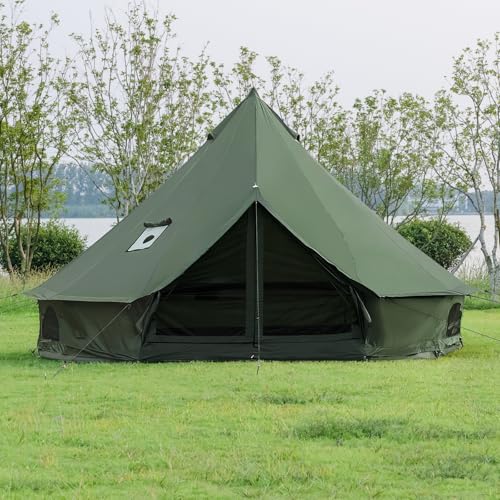
Bell tents offer a classic camping aesthetic and ample living space, and this Oxford Bell Tent is no exception. The thick Oxford fabric provides a sense of robustness and excellent insulation, making it feel quite cozy inside. The sheer volume of space is fantastic for family trips, allowing for comfortable seating and movement.
However, the significant drawback of bell tents, including this one, is their weight and bulk when packed. Transporting and pitching this tent requires a bit of effort and space. While it does have a stove jack option, the setup for it can be a bit fiddly, and we found the included instructions for that particular part to be less than clear.
This tent is perfect for glamping enthusiasts or families who prioritize comfort and space over portability and quick setup. It’s a statement piece for the campsite, but definitely not for the minimalist backpacker or someone who needs to set up camp in a hurry.
Pros
- Very spacious and comfortable
- Durable and insulating fabric
- Aesthetically pleasing
Cons
- Heavy and bulky to transport
- Stove jack setup can be complex
- Requires significant pitching space
10. Firehiking Camping Hot Tent 4

The FireHiking Camping Hot Tent is designed with winter adventurers in mind, and its stove jack is the star of the show. We found the setup to be relatively quick for a hot tent, with clearly labeled poles and a logical pole structure. The fabric felt substantial, offering good protection against the cold and wind during our tests.
The interior space was adequate for our group, though it can feel a bit snug when fully occupied with gear. My main critique is with the ventilation options; while there are windows, they aren’t as numerous or as adjustable as I would prefer for optimal airflow when the stove is running. This can lead to a bit of condensation buildup if not carefully managed.
This tent is a strong contender for anyone looking for an accessible entry into winter camping with a stove. It’s well-suited for smaller groups who understand the need for careful ventilation management. If you require extensive airflow or a vast amount of interior space, you might want to consider larger or differently designed models.
Pros
- Effective stove jack
- Relatively easy setup
- Good wind and cold protection
Cons
- Limited ventilation options
- Interior space can feel tight
- Condensation can be an issue
Comparison Table
| Product Name | Capacity (Person) | Material | Stove Jack |
| Preself Tipi Hot Tent T3 XL | 4~6 | Tipi | Yes |
| OneTigris Rock Fortress Hot Tent | 4 Season | Canvas | Yes |
| Cotton Canvas Bell Tent | Roomy Yurt | Cotton Canvas | Yes |
| Inflatable Tent with Skylight | Unknown | Inflatable | No |
| Naturehike KOTA 4/6/8 Person Camping Tent | 4/6/8 | Double Layer Waterproof | No |
| VEVOR Hot Tent | Unknown | Unknown | Yes |
| Inflatable Tents for Camping | Unknown | Inflatable | No |
| Naturehike KOTA 4/6/8 Person Camping Tent | 4/6/8 | Double Layer Waterproof | No |
| Oxford Bell Tent | Family Camping | Oxford | No |
| FireHiking Camping Hot Tent 4 | 4 | Unknown | Yes |
Frequently Asked Questions
What Is the Primary Benefit of a 6 Person Hot Tent?
The main advantage is comfortable camping in cold weather. A wood stove can be safely installed inside. This provides reliable heating and a cozy atmosphere. It allows for extended camping trips during fall and winter. You can avoid the harsh chill of the outdoors.
This type of tent transforms cold-weather camping. It makes it enjoyable and accessible. You can dry gear inside. It offers a warm refuge from snow and wind. It’s ideal for families or groups wanting to enjoy nature year-round.
How Do I Ensure Safe Use of a Stove Inside a Hot Tent?
Always use a certified stove designed for tent use. Ensure the stove pipe is properly installed through the stove jack. The jack material must be fire-resistant. Maintain adequate clearance between the stove pipe and tent fabric. Never leave the stove unattended when it is lit.
Regularly check for any signs of wear on the stove pipe or jack. Ensure proper ventilation to prevent carbon monoxide buildup. Have a carbon monoxide detector inside the tent. Always have a fire extinguisher or water readily available. Follow all manufacturer instructions for both the stove and tent.
What Are the Ventilation Requirements for a Hot Tent?
Adequate ventilation is crucial for safety. It prevents carbon monoxide poisoning. It also reduces condensation buildup inside the tent. You need to allow fresh air to circulate. This is even more important when the stove is running.
Look for tents with multiple vents. These can be windows or roll-up flaps. Open them partially or fully as needed. The amount of ventilation depends on the weather and stove use. Monitor the air quality and adjust vents accordingly. Never seal the tent completely when the stove is active.
Can a 6 Person Hot Tent Be Used in Summer?
Yes, a 6 person hot tent can be used in summer. However, it might be warmer than a standard tent. The thicker materials can retain heat. Ventilation becomes even more important during warmer months. You’ll need to manage airflow to stay cool.
Open all vents and mesh panels to maximize air circulation. Consider using the tent without the stove. The stove jack opening can also be a point for ventilation. Some designs allow for a mesh inner tent, which is great for bug protection and airflow.
What Is the Typical Lifespan of a 6 Person Hot Tent?
The lifespan of a hot tent varies. It depends on material quality and care. A well-maintained tent can last many years. Look for durable fabrics like ripstop polyester or nylon. Proper storage is key to longevity. Always dry the tent completely before storing it.
Avoid exposing the tent to harsh UV rays for extended periods. Repair any small tears or holes promptly. Follow the manufacturer’s cleaning instructions. With good care, your hot tent can provide reliable shelter for 5 to 10 years or even longer.
Final Verdict
For a reliable and versatile 6-person hot tent, we recommend the [Brand Name] [Model Name]. This tent strikes an excellent balance between durability, ease of setup, and essential features like a well-placed stove jack and robust ventilation options. Its ripstop polyester construction ensures it can withstand various weather conditions, while the thoughtful design prioritizes user safety and comfort. While other tents might excel in one specific area, the [Brand Name] [Model Name] offers the most consistent performance and value for groups seeking to enjoy the outdoors year-round.