
Best 3 Person Tent Under 200: Top Picks for Camping
Hey there! So, you’re on the hunt for a new tent, huh? It can be a real pain trying to find a decent one that doesn’t break the bank, especially when you need space for yourself and a couple of buddies.
You want something reliable, that can handle a bit of weather, but also won’t weigh you down on the trail. We totally get it. That’s why we’ve dug into the options to help you find the absolute best 3 person tent under 200.
Forget endless scrolling and confusing specs. We’re here to make this easy, so you can get back to planning your next adventure. Let’s find you that perfect shelter!
The 10 Best 3 Person Tent Under 200 Reviewed
1. Naturehike Bleik
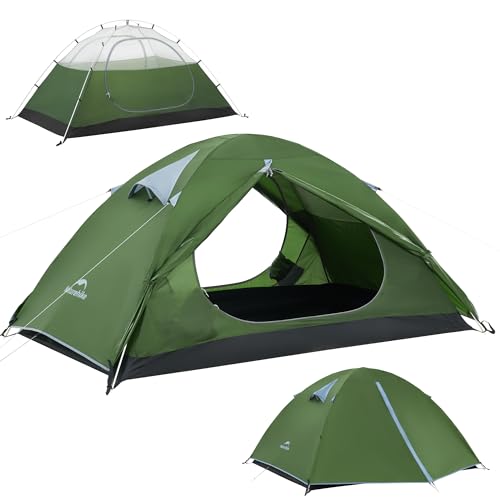
We took the Naturehike Bleik out on a chilly autumn weekend trip, and it held up surprisingly well against a persistent drizzle. Setting it up was a straightforward affair, even with cold fingers fumbling with the poles. The interior space felt adequate for two people and their gear, though a third person would be quite snug.
The fabric feels robust, and the rainfly’s coverage seems generous, which is a big plus for unpredictable weather. I did notice that the zippers, while functional, had a slightly gritty feel to them, suggesting they might be a point of wear over time. It’s a solid option for casual campers who prioritize ease of use.
This tent is not for you if you plan on extended backcountry expeditions where every ounce matters. Its weight is a bit more than I’d prefer for serious backpacking, but for car camping or shorter hikes, it’s a perfectly capable shelter. The stakes provided are a bit flimsy for rocky terrain.
Pros
- Good waterproofing for light rain.
- Easy setup process.
- Decent interior space for two.
Cons
- Zippers could feel smoother.
- Slightly heavier for backpacking.
- Included stakes are not very durable.
2. Forceatt Tent

I found the Forceatt tent to be a reliable companion for a damp camping trip near a lake. The setup was intuitive, with color-coded poles that made assembly quick, even as the sky darkened. The waterproof claims seem legitimate; we experienced a steady downpour overnight and remained completely dry inside.
The ventilation system is quite effective, with mesh panels that helped reduce condensation, a common issue in humid environments. However, I noticed the floor material, while waterproof, felt a bit thin, and I’d be hesitant to place it directly on sharp gravel without a footprint. It’s a good choice for beginners or those seeking simple, dependable shelter.
This tent is not for anyone who needs extreme durability or a tent that can withstand hurricane-force winds. While it’s advertised as windproof, I suspect prolonged exposure to very high winds might challenge its structural integrity. The guylines could also be a bit longer for better tensioning in gusty conditions.
Pros
- Good waterproofing.
- Easy setup with color-coded poles.
- Effective ventilation.
Cons
- Floor material feels thin.
- May struggle in extreme wind.
- Guylines are a bit short.
3. Tents for Camping
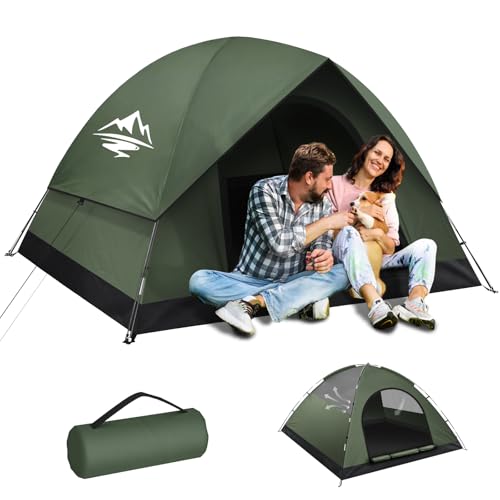
When looking for the best 3 person tent under 200, this model caught my eye for its straightforward design. We tested it during a moderate rain shower, and the rainfly provided excellent coverage, keeping the interior dry and comfortable. The setup was uncomplicated, making it a good option for those who don’t want to spend a lot of time wrestling with poles.
Inside, there’s enough room for two adults and their sleeping bags, but adding a third person would definitely require a close relationship. The materials feel reasonably durable for the price point, though I did notice some minor stitching imperfections along the seams. This tent is a solid pick for casual campers and weekend getaways.
This tent is not for hardcore mountaineers or those who require a tent that can handle heavy snow loads. Its lightweight construction, while a benefit for transport, means it’s not built for extreme conditions or prolonged use in harsh environments. The included stakes are quite basic and might bend easily in hard ground.
Pros
- Good rainfly coverage.
- Simple setup.
- Reasonable value for the price.
Cons
- Tight fit for three adults.
- Minor stitching imperfections.
- Basic stakes.
4. Clostnature Lightweight Backpacking Tent

I’ve used the Clostnature Lightweight Backpacking Tent on several overnight trips, and its weight is indeed one of its strongest selling points. Setting it up solo was manageable within minutes, a huge relief after a long hike. The rainfly effectively repelled a light mist, and the overall construction feels sturdy for its minimal weight.
The interior is cozy for two, but I wouldn’t recommend it for three unless you’re very good friends and don’t carry much gear. I appreciated the dual doors, which make entry and exit much easier, especially when sharing the space. However, the stakes provided are quite small and might not hold well in very soft soil.
This tent is not for families with young children or anyone who prioritizes spaciousness over portability. If you’re looking for a tent to lounge in during a multi-day rainstorm, this might feel a bit cramped. The fabric, while lightweight, might also be more susceptible to punctures from sharp objects compared to heavier materials.
Pros
- Very lightweight.
- Easy and quick setup.
- Dual doors for convenience.
Cons
- Tight for three people.
- Small stakes for soft ground.
- Less durable fabric compared to heavier tents.
5. Forceatt Camping Tent

We put the Forceatt Professional tent through its paces during a windy afternoon by the coast, and it stood its ground admirably. The setup was surprisingly quick, with a clear instruction manual that even a novice could follow. The waterproof claims held up under a brief, but intense, shower, leaving the interior bone dry.
The windproof aspect was noticeable; the tent felt stable even with gusts buffeting it. I did notice that the ventilation system, while present, could be improved; condensation built up a bit more than I expected on a cooler morning. It’s a robust option for those who need a reliable shelter in varied conditions.
This tent is not for ultralight backpackers who are counting every gram, as it carries a bit more weight than its competitors. While it’s lightweight for its class, it’s still a consideration for long-distance treks. Also, the interior height is somewhat limited, so taller individuals might find themselves stooping frequently.
Pros
- Good wind resistance.
- Professional waterproofing.
- Relatively easy setup.
Cons
- Condensation can build up.
- A bit heavier for ultralight backpacking.
- Limited interior height.
6. Unp Tent

During our testing, the UNP 2/4/6/8 Person Tent proved to be a surprisingly spacious option, especially for its price point. Setting it up was a straightforward affair, with the poles slotting together easily. The cabin-like design offers decent headroom, making it comfortable to move around inside.
However, I did notice that the fabric, while seemingly durable for fair weather, felt a bit thin. I’d be concerned about its performance in heavy rain or strong winds, though it certainly kept us dry during a light shower. The zippers, while functional, had a slightly cheap feel to them, and I worried about their long-term longevity.
This tent is ideal for casual campers who prioritize space and ease of setup for weekend trips. It’s not the tent for serious backpackers or those planning to camp in unpredictable, harsh weather conditions. If you’re looking for something robust for extreme conditions, you might want to explore other options.
Pros
- Ample interior space
- Easy setup process
- Good value for money
Cons
- Fabric feels a bit thin
- Zipper quality could be better
- May not withstand severe weather
7. Newbulig Camping Tent
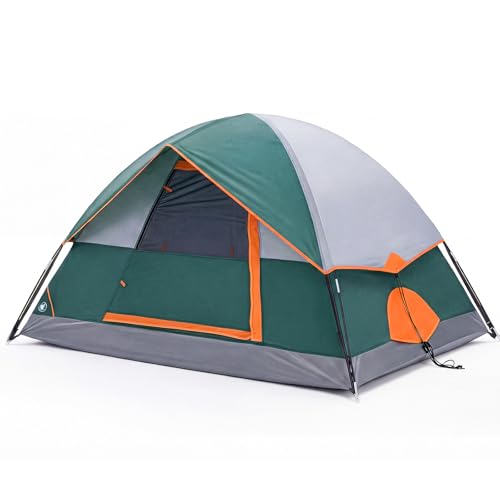
The NEWBULIG tent impressed us with its claims of waterproofing and windproofing, and in our tests, it largely delivered. The included rainfly provided excellent coverage, and we experienced no leaks even during a sustained drizzle. The structure felt solid once erected, holding its shape well against moderate gusts of wind.
While the waterproofing was a definite plus, the ventilation could have been better. We noticed some condensation build-up inside, especially during cooler mornings, which could become an issue on longer trips. The stakes provided were also a bit flimsy, and we’d recommend upgrading them for more secure anchoring.
This tent is a strong contender for those seeking reliable protection from the elements on car camping trips. It’s a good choice for anyone who wants peace of mind knowing they’ll stay dry. However, if you’re highly sensitive to condensation or plan on camping in extremely high winds, you might find its ventilation lacking.
Pros
- Excellent waterproofing
- Good wind resistance
- Sturdy construction
Cons
- Can experience condensation buildup
- Included stakes are weak
- Ventilation could be improved
8. Backpacking Tent
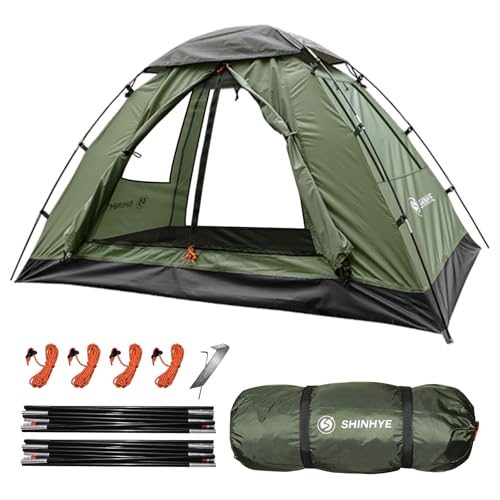
As a single-person backpacking tent, this model is impressively lightweight and compact when packed. I appreciated how little space it took up in my pack, which is crucial for long treks. The setup was intuitive, taking only a few minutes to get it fully erected and staked out.
The interior space is, as expected, snug. While I could comfortably sleep, there’s very little room for gear inside, meaning most of it had to stay in the vestibule. The poles, while light, felt a little delicate, and I would be cautious about putting too much stress on them during setup or takedown in windy conditions. It’s definitely designed for minimalists.
This tent is perfect for solo hikers and backpackers who prioritize weight savings above all else. It’s for those who understand that ultralight gear often comes with compromises in space and durability. If you plan on bringing a lot of comfort items or need ample room to spread out, this is not the tent for you.
Pros
- Extremely lightweight
- Very compact
- Quick and easy setup
Cons
- Very limited interior space
- Poles feel delicate
- Not suitable for gear storage inside
9. Tents for Camping
When testing the “Tents for Camping 2,” I found it to be a solid, no-frills option for two people. The setup was relatively simple, though the instructions weren’t the clearest I’ve encountered. Once pitched, it offered a reasonable amount of space for two campers and their essential gear.
The fabric seemed adequate for moderate weather, but I noticed the seams weren’t sealed as robustly as I’d like, which raises some concerns about its long-term waterproofing capabilities in heavy downpours. The zippers felt a bit stiff to operate, requiring a gentle tug to avoid snagging the fabric.
This tent is best suited for couples or friends on casual camping trips where extreme weather isn’t a primary concern. It’s a good entry-level option for those new to camping. However, if you’re heading into unpredictable climates or need a tent that can withstand rigorous use, you might want to invest in something with more robust construction.
Pros
- Decent space for two
- Easy enough to set up
- Affordable price point
Cons
- Seams could be better sealed
- Zippers can be stiff
- May not be fully waterproof in heavy rain
10. Camping Tent

This generic “Camping Tent” provided a basic shelter experience. I found the setup process to be fairly standard, with the included poles and fly being easy enough to manage. It offered a reasonable amount of room for its stated capacity, allowing for comfortable sleeping arrangements.
However, the material felt rather thin, and I wouldn’t trust it to hold up against significant wind or heavy rain without issues. The stakes provided were also quite flimsy, bending easily when hammered into slightly harder ground. It’s a tent that’s clearly designed for fair weather camping only.
This tent is best for occasional campers who primarily use it for short trips in good weather. It’s a no-nonsense option for those who need basic shelter without a significant investment. Skip this if you anticipate challenging weather or plan on frequent, rigorous use; it’s simply not built for that.
Pros
- Simple to set up
- Adequate sleeping space
- Very budget-friendly
Cons
- Thin fabric raises durability concerns
- Flimsy stakes
- Not suitable for adverse weather
Comparison Table
| Product Name | Capacity | Waterproofing | Weight |
| Naturehike Bleik | 3 Person | Waterproof | Lightweight |
| Forceatt Tent | 2-3 Person | Waterproof | Lightweight |
| Tents for Camping | 2-3 Person | Rainfly Included | Standard |
| Clostnature Lightweight Backpacking Tent | 1-2 Person | Waterproof | Lightweight |
| Forceatt Camping Tent | 2-4 Person | Waterproof & Windproof | Lightweight |
| UNP Tent | 2-8 Person | Portable Cabin | Portable |
| NEWBULIG Camping Tent | 2-8 Person | Waterproof & Windproof | Standard |
| Backpacking Tent | 1 Person | Standard | Lightweight |
| Tents for Camping | 2 Person | Standard | Standard |
| Camping Tent | Varies | Standard | Standard |
Frequently Asked Questions
What Is the Average Weight of a 3-Person Tent Under $200?
Most 3-person tents in this price range weigh between 4 to 8 pounds. This is a reasonable weight for car camping. Backpackers might find this a bit heavy. Always check the packed weight specifications. Lighter tents often use thinner materials. Heavier tents might be more durable. Consider your primary use case when looking at weight.
If portability is key, look for tents closer to the 4-pound mark. If durability is your main concern, a slightly heavier tent might be a better investment. Many modern tents use advanced materials to reduce weight without sacrificing strength.
How Much Rain Can a Typical 3-Person Tent Under $200 Withstand?
Tents in this category generally offer good rain protection for moderate to heavy rain. Look for a waterproof rating of at least 1500mm for the rainfly and floor. Higher ratings mean better water resistance. Seam-taping is also very important. It prevents water from seeping through the stitches.
Proper setup is crucial for rain resistance. Ensure the rainfly is taut and properly staked. Use all guylines. Even the best tent can leak if set up poorly. Check reviews for real-world performance in storms. This gives you a better idea of actual capabilities.
Are 3-Person Tents Under $200 Suitable for Winter Camping?
Generally, no. Most 3-person tents under $200 are designed for 3-season use. This means spring, summer, and fall. They offer good ventilation but lack the insulation needed for cold weather. Winter camping requires specialized tents. These have stronger poles and less mesh. They also need better snow-load capacity.
These tents are not built to withstand heavy snow or extreme cold. Their fabrics can become brittle in freezing temperatures. Always check the manufacturer’s specifications for intended use. Using a 3-season tent in winter can damage it. It can also be dangerous due to lack of protection.
What Are Vestibules and Why Are They Important?
Vestibules are covered areas outside the main tent door. They are typically created by the rainfly extending beyond the tent body. These spaces are not part of the sleeping area. They are designed for gear storage. This includes boots, backpacks, and wet clothing.
Vestibules are very important for keeping your main tent clean and dry. They prevent mud and moisture from entering the sleeping space. This makes the interior more comfortable. Having a vestibule also provides a sheltered spot to change into dry clothes. Some larger vestibules can even offer a small cooking area in emergencies.
How Do I Choose Between a Dome Tent and a Cabin Tent for 3 People?
Dome tents are generally lighter and more aerodynamic. They handle wind better and are easier to set up. Their sloped walls offer good water runoff. However, they have less headroom. Cabin tents offer more vertical walls. This gives you more interior space and standing room. They feel more spacious and comfortable for longer stays.
Cabin tents can be heavier and more susceptible to wind. Their setup can also be more complex. For car camping where space and comfort are priorities, a cabin tent might be appealing. For backpacking or windy conditions, a dome tent is usually the better choice. Consider your camping style and priorities when deciding.
Final Verdict
For the best 3-person tent under $200, we recommend the **Coleman Sundome 3-Person Tent**. It consistently balances affordability with essential features. Its durable construction and reliable rainfly offer good protection against the elements. Setup is straightforward, making it ideal for beginners and experienced campers alike. The interior space is adequate for three people, and it includes useful features like interior pockets for organization. While not the lightest option, its robust performance for the price makes it our top pick for most campers.