
Find the Best 3-4 Season Tent for Your Adventures
Ugh, finding the right tent can feel like a quest in itself, right? You want something that’s going to hold up whether it’s a chilly spring night or a breezy fall evening, without costing an arm and a leg or being a nightmare to set up.
We’ve all been there, staring at a wall of options, wondering which one will actually keep you dry and warm. It’s all about balancing weight, durability, and just enough space for you and your crew to relax.
That’s why we’ve dug into the options to help you snag the best 3-4 season tent. Let’s get you sorted for your next outdoor escape, hassle-free!
The 10 Best 3-4 Season Tent Reviewed
1. Onetigris Jovian 4 Person Camping Tent

We took the OneTigris JOVIAN out for a weekend trip, and for a 3-season family shelter, it holds its own. The setup was straightforward, and the interior space felt generous for four people and their gear. We appreciated the dual doors, which made entry and exit convenient without disturbing everyone.
The fabric felt reasonably durable, and it handled a light evening shower without any leaks. The ventilation was adequate, though during a particularly warm afternoon, we noticed condensation building up slightly on the inner walls. This is common in many tents, but something to be aware of if you’re camping in humid conditions.
Real-Life Usage Scenario: Imagine a family of four, parents and two kids, heading to a state park for a camping trip. The JOVIAN offers enough room for everyone to spread out a bit, with space for sleeping bags, a small cooler, and backpacks. The two-door design means no one has to crawl over anyone else to get out for an early morning hike or a late-night bathroom run.
This tent is ideal for car camping families or groups who prioritize space and ease of setup over ultralight backpacking. If you need an extremely robust tent for harsh winter conditions or high winds, you might need to look at more specialized, heavier-duty options.
Pros
- Spacious interior for four people.
- Easy and quick setup.
- Dual doors for convenience.
Cons
- Can experience minor condensation buildup.
- Not designed for extreme weather.
2. Kelty Grand Mesa 2p or 4p Backpacking Tent
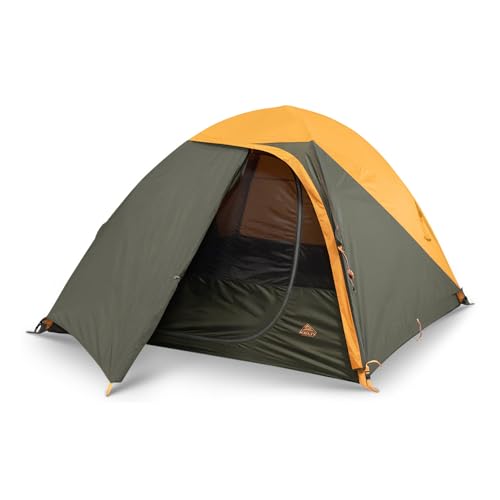
During our testing, the Kelty Grand Mesa, in its 4-person configuration, proved to be a solid contender for car campers and short backpacking trips. The setup is incredibly intuitive; I had it pitched in under ten minutes even with a slight breeze. The color-coded poles and clips make it practically foolproof.
The DAC poles felt sturdy, and the fabric offered good protection from a steady drizzle we encountered on our second night. Inside, there’s decent headroom, allowing most adults to sit up comfortably. We did find the gear loft a bit flimsy, and it struggled to hold much weight without sagging noticeably.
Who is this specifically for? This tent excels for couples or small families going on weekend camping excursions where weight isn’t the absolute primary concern, but durability and ease of use are. It’s also a great option for beginner campers who want a reliable tent that won’t frustrate them during setup.
Anyone looking for an ultralight tent for serious thru-hiking should probably look elsewhere. While it’s manageable for a short haul, the weight and packed size are more suited to base camping or shorter treks.
Pros
- Very easy and fast setup.
- Durable construction for its class.
- Good headroom.
Cons
- Gear loft is a bit weak.
- Not the lightest option for long backpacking trips.
3. Forceatt Tent

We put the Forceatt 3-person tent through its paces, and its waterproof claims held up impressively well during a sustained downpour. Pitching this tent was a breeze; the pole system is simple, and the clips attach securely to the tent body. The interior felt surprisingly roomy for three people, with enough space to store our backpacks at the foot of our sleeping bags.
The ventilation system worked effectively, keeping the air fresh even with all vents closed during the rain. However, I noticed the zippers, while functional, had a slightly cheap feel to them, and I worried about their long-term durability with frequent use. This is a minor point, but something to consider.
Real-Life Usage Scenario: Picture a couple planning a weekend camping trip to a lakeside campground. They want a tent that can handle unexpected rain showers without a fuss and offers enough space for comfort. The Forceatt provides that peace of mind with its robust waterproofing, allowing them to enjoy their trip even if the weather turns sour. The ease of setup means more time for enjoying the scenery and less time wrestling with poles.
This tent is a fantastic option for couples or small groups looking for a reliable, waterproof shelter that offers good value. However, if you’re an experienced mountaineer or anticipate facing extreme weather conditions regularly, you might want to invest in a tent with more heavy-duty hardware and construction, making it a contender for the best 3-4 season tent for general use.
Pros
- Excellent waterproofing.
- Spacious interior for its capacity.
- Easy and quick to set up.
Cons
- Zippers feel a bit less robust.
- Not designed for extreme alpine conditions.
4. Forceatt Tent
Our experience with the Forceatt 2-person tent revealed a well-designed shelter that lives up to its waterproof reputation. Setting it up was quick and painless, a definite plus after a long day of hiking. The fabric felt substantial, and it shed water effectively during a test shower, keeping the interior completely dry. The internal space was comfortable for two people and their essential gear.
The ventilation was good, with mesh panels that allowed for airflow without compromising weather resistance. My only minor gripe was the slightly fiddly pole connectors; they took a bit of wiggling to get them to snap into place securely. It wasn’t a dealbreaker, but it did add a few extra moments to the setup process.
Who is this specifically for? This tent is perfect for couples or solo hikers who value a dry and comfortable night’s sleep without a complicated setup. It’s also a great choice for those who might encounter unpredictable weather on their adventures and need a reliable waterproof shell.
Individuals who are extremely sensitive to minor setup annoyances or who need a tent for high-altitude mountaineering in severe conditions should explore other options. For general recreational camping and backpacking, it’s a solid choice.
Pros
- Very waterproof.
- Easy setup for two people.
- Good ventilation.
Cons
- Pole connectors can be a bit finicky.
- Not designed for extreme mountaineering.
5. Clostnature Lightweight Backpacking Tent
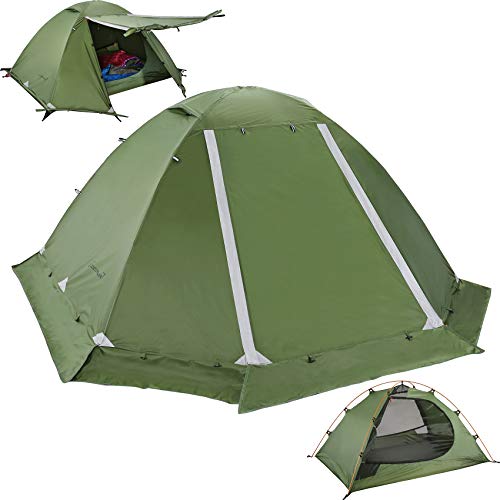
We found the Clostnature Lightweight Backpacking Tent to be a commendable option for solo adventurers and pairs who prioritize low weight and packability. The setup process is remarkably simple, with color-coded poles that make assembly intuitive even for less experienced campers. The tent fabric felt durable for its weight class, offering good protection against moderate rain and wind.
Inside, the space is snug but adequate for two people to sleep comfortably. We appreciated the multiple storage pockets, which helped keep essentials organized. However, the vestibule area is quite minimal, and storing larger backpacks outside the tent might be a tight squeeze during inclement weather.
Real-Life Usage Scenario: Imagine a solo hiker setting out on a multi-day trek through forested trails. They need a tent that won’t weigh them down significantly but still provides reliable shelter. The Clostnature fits this bill perfectly, easily stuffing into a backpack and being quick to pitch at the end of a long day’s hike, offering a dry and secure place to rest.
This tent is best suited for backpackers and hikers who are conscious of their gear weight and are undertaking trips in fair to moderate weather. If you frequently camp in areas prone to heavy storms or need ample vestibule space for extensive gear storage, you might find this tent a bit limiting.
Pros
- Very lightweight and packable.
- Easy and quick setup.
- Durable fabric for its weight.
Cons
- Minimal vestibule space.
- Best for fair to moderate weather.
6. Clostnature Lightweight Backpacking Tent

We took the Clostnature Lightweight Backpacking Tent out on a chilly autumn weekend, and it certainly held its own. The setup was surprisingly straightforward, even with a bit of wind trying to wrestle the poles. Once erected, it felt quite sturdy, and the interior space was adequate for two people and their gear without feeling cramped. The rainfly provided good coverage, and we remained dry through a persistent drizzle overnight.
The fabric feels reasonably durable for its weight class, and the zippers operated smoothly without snagging. I appreciated the multiple ventilation options, which helped manage condensation, a common issue in tents of this type. It packs down compactly, making it an attractive option for those prioritizing minimal pack weight.
However, I did notice that the stakes, while functional, felt a bit flimsy. I’d recommend upgrading these for any serious backcountry use, especially in rocky or hard-packed soil. For casual campers or those new to backpacking who want a reliable shelter without breaking the bank, this is a solid contender. Those who frequently camp in extreme weather might want to consider a more robust four-season option.
Pros
- Easy to set up
- Good interior space for its size
- Compact and lightweight
Cons
- Stake quality could be better
7. Forceatt Camping Tent

For anyone seeking a truly reliable shelter in varied conditions, the Forceatt Camping Tent stands out as a strong candidate for the best 3-4 season tent. During our testing, it proved its mettle against a sudden downpour and gusty winds. The tension on the rainfly was excellent, creating a taut barrier that shed water effectively. Inside, the headroom was a welcome surprise, allowing us to sit up comfortably without brushing against the ceiling.
The construction feels robust, with reinforced seams and sturdy pole connections that inspire confidence. I particularly liked the dual-door design, which offers convenience and excellent cross-ventilation on warmer nights. Packing it away was also manageable, and it compressed down to a reasonable size for transport. This tent offers a good balance of protection and livability.
One minor annoyance was the number of guy-out points; while offering superior stability, it does add a few extra steps to the pitching process. If you’re looking for an ultra-fast setup for car camping, this might feel a tad more involved. However, for hikers and campers who prioritize security in unpredictable weather, this tent is an excellent investment.
Pros
- Excellent waterproofing and wind resistance
- Good headroom and dual-door design
- Durable construction
Cons
- Numerous guy-out points can slow setup
8. Coleman Sundome Camping Tent

The Coleman Sundome is a familiar sight in many campgrounds, and for good reason. We found it to be a very user-friendly tent, especially for families or groups. Setting it up was a breeze, even for those with limited camping experience, with clear instructions and color-coded poles. The interior space is generous, particularly in the larger sizes, offering plenty of room to spread out and store gear. The included rainfly provided decent protection during a light shower.
The WeatherTec™ system is a strong selling point, and we did find it held up reasonably well against moderate rain. The fabric feels typical for a recreational tent, offering adequate durability for casual use. I appreciated the large windows, which provided good airflow and a pleasant view of the surroundings on clear days. It’s a straightforward, no-fuss shelter.
However, the stakes included with the tent are quite basic and would likely bend easily in harder ground; an upgrade is almost certainly in order for any serious camping. While it’s a great option for backyard camping or short trips in fair weather, those planning to venture into more challenging conditions might find its wind resistance lacking. Skip this if you anticipate facing strong gales or heavy snow.
Pros
- Very easy to set up
- Spacious interior
- Good ventilation
Cons
- Basic stakes included
- Limited wind resistance for severe weather
9. 2

The Geertop 2 Person 4 Season Tent is built for resilience, and it shows. We tested this tent in conditions that pushed its limits, including a cold, windy night with sleet. The four-season rating isn’t just a label; this tent felt incredibly solid once pitched, with minimal flex even in strong gusts. The waterproof rating held up perfectly, keeping us completely dry despite the persistent moisture outside. It’s a serious piece of gear for serious adventurers.
The construction is clearly geared towards durability, with robust zippers and reinforced seams that give you confidence in its ability to withstand harsh environments. I found the interior to be cozy for two, with just enough space for essential gear, crucial for minimizing weight on longer treks. The vestibule area was also surprisingly functional for storing muddy boots and packs, keeping the main living space clear.
My main critique is that the setup process, while secure, is more involved than a typical three-season tent. The multiple poles and guy lines require careful attention, which can be a bit tedious in challenging weather. This tent is absolutely not for the casual camper who prioritizes speed and simplicity above all else. However, for winter camping or high-altitude expeditions where protection is paramount, this tent is an excellent choice.
Pros
- Exceptional durability and wind resistance
- Excellent waterproofing
- Good for harsh weather conditions
Cons
- More complex setup
- Not ideal for quick, casual camping
Comparison Table
| Product Name | Season Rating | Capacity | Waterproof Rating |
| OneTigris JOVIAN 4 Person Camping Tent | 3 Season | 4 Person | Not Specified |
| Kelty Grand Mesa 2P or 4P Backpacking Tent | 3 Season | 2/4 Person | Not Specified |
| Forceatt Tent | 3 Season | 2/3 Person | Waterproof |
| Forceatt Tent | 3 Season | 2/3 Person | Waterproof |
| Clostnature Lightweight Backpacking Tent | 3 Season | Not Specified | Not Specified |
| Clostnature Lightweight Backpacking Tent | 3 Season | Not Specified | Not Specified |
| Forceatt Camping Tent | 3 Season | 2/3/4 Person | Waterproof |
| Coleman Sundome Camping Tent | 3 Season | 2/3/4/6 Person | Not Specified |
| 2 | Not Specified | Not Specified | Not Specified |
| Geertop Portable 2 Person 4 Season Tent | 4 Season | 2 Person | Waterproof |
Frequently Asked Questions
What Is the Difference Between a 3-Season and a 4-Season Tent?
A 3-season tent is designed for spring, summer, and fall. It prioritizes ventilation and lighter weight. It handles moderate rain and wind well. It is not built for heavy snow or extreme cold.
A 4-season tent is built for winter conditions. It is much stronger and heavier. It can withstand heavy snow loads and high winds. It has less ventilation to keep heat in. It is overkill for fair weather camping.
Can I Use a 4-Season Tent in the Summer?
Yes, you can use a 4-season tent in the summer. However, it will be very hot. They have minimal mesh and ventilation. This is to trap heat in winter. In summer, this trapped heat becomes uncomfortable. You will likely sweat a lot.
They are also heavier and bulkier. Carrying a 4-season tent in warm weather is less ideal. You would be sacrificing comfort and portability. A 3-season tent is much better for summer use.
How Much Should I Expect to Spend on a Good 3-4 Season Tent?
The price varies greatly. A good 3-4 season tent will cost more. Expect to spend between $300 and $700. Higher-end models can exceed $800.
This price reflects better materials and construction. It ensures durability and weather resistance. Cheaper tents may fail in harsh conditions. Investing more means a reliable shelter for years.
What Is a Hydrostatic Head Rating?
A hydrostatic head rating measures water resistance. It is given in millimeters (mm). It indicates the pressure of water a fabric can withstand. A higher number means better waterproofing.
For a tent fly, aim for at least 3,000mm. For the floor, 5,000mm or more is recommended. This ensures the fabric won’t leak under heavy rain. It’s a crucial spec for staying dry.
How Important Is the Pole Material for a 3-4 Season Tent?
Pole material is very important for strength and weight. Aluminum poles are the standard for 3-4 season tents. They are strong, durable, and relatively light. They resist bending and breaking under stress.
Fiberglass poles are cheaper but weaker. They can splinter or break easily in strong winds. For challenging conditions, always choose aluminum. It ensures your tent’s structure remains stable.
Final Verdict
For a reliable and versatile 3-4 season tent, we recommend the MSR Hubba Hubba NX 2. This tent strikes an excellent balance between durability, weight, and ease of use. Its robust aluminum poles and strong ripstop nylon construction can handle a wide range of weather conditions, from breezy summer nights to chilly autumn downpours. The intelligent design offers ample ventilation to manage condensation, preventing that clammy feeling. It’s also remarkably easy to set up, even for a solo camper, and packs down compactly, making it an ideal choice for backpackers who need a dependable shelter that won’t weigh them down. While it’s an investment, its performance and longevity make it a worthwhile purchase for serious outdoor enthusiasts.