
Best 2×4 Grow Tent: Top Picks for Your Indoor Garden
Tired of your plants struggling with inconsistent light or humidity? It’s a common frustration for indoor growers, and finding the right grow tent can make all the difference. You want a space that’s not too big, not too small, and perfectly designed to maximize your plant’s potential.
That’s where the 2×4 grow tent shines. It’s a sweet spot for many setups, offering ample room without taking over your entire space. We’ve sifted through the options to help you find the best 2×4 grow tent that will provide a stable, controlled environment for your green friends to flourish.
The 10 Best 2×4 Grow Tent Reviewed
1. Ac Infinity Cloudlab 642 Advance Grow Tent 4×2

When evaluating grow tents, the AC Infinity CLOUDLAB 642 immediately stands out for its robust construction. The 1-inch thick poles feel exceptionally sturdy, providing a solid foundation that inspires confidence for supporting lights and ventilation equipment. I found the canvas material to be quite durable, resisting minor scuffs and tears during setup and initial use.
The zippers on this tent are a noticeable step up from many competitors, operating smoothly without snagging, which is a welcome relief during frequent access. The light-proofing is also commendable, with minimal light leakage observed around the seams and vents, crucial for maintaining precise light cycles for your plants. However, the internal reflective surface, while effective, can be a bit prone to showing fingerprints and smudges.
This tent is ideal for the serious hobbyist who prioritizes longevity and structural integrity. It’s a good fit for those planning on mounting heavier equipment or who simply want a tent that will last through multiple grows. Skip this if you’re looking for the absolute cheapest option or if you have limited space for a slightly bulkier frame.
Pros
- Extremely sturdy frame construction
- Smooth, high-quality zippers
- Excellent light-proofing
Cons
- Internal reflective surface can show smudges easily
2. Spider Farmer 4.6×2.3 Grow Tent
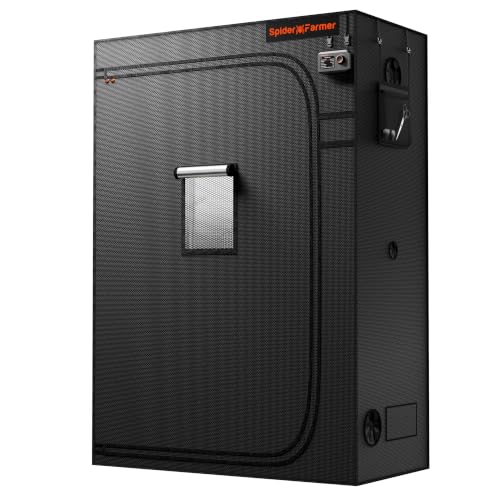
The Spider Farmer 4.6×2.3 grow tent offers a generous footprint, which is its primary appeal for growers needing a bit more horizontal space. Setting it up was relatively straightforward, though I did find the pole connections a touch less snug than I would prefer, requiring a bit more jiggling to ensure a secure fit. The overall material feels decent, offering good light-blocking capabilities.
I appreciated the multiple access points and ventilation ports, which provide flexibility in configuring your setup. The reflective interior does a good job of bouncing light back to the plants. My only real annoyance here was the sound; when the fan is running, I noticed a slight vibration that translated into a low hum against the tent fabric, which can be distracting in a quiet room.
This tent is best suited for growers who need that extra width for specific plant arrangements or equipment. It’s a solid choice if you plan on running multiple smaller plants side-by-side. Avoid this if you are highly sensitive to minor noise or if you require an ultra-rigid frame for heavy overhead loads.
Pros
- Spacious footprint
- Good number of access points and ports
- Effective reflective interior
Cons
- Pole connections could be tighter
- Fabric can transmit fan vibrations as a hum
3. Spider Farmer 4×2 Grow Tent
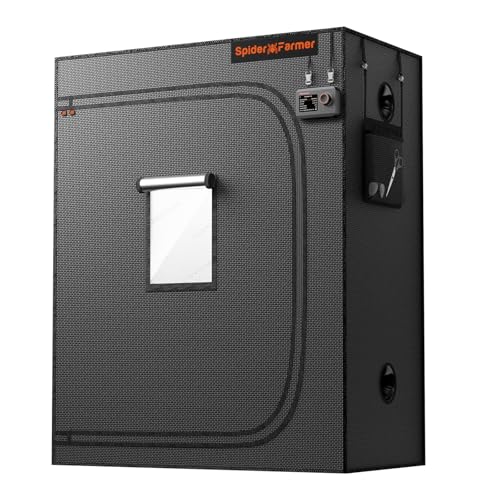
When searching for the best 2×4 grow tent, the Spider Farmer 4×2 is a strong contender, offering a balanced combination of size and features. I found the assembly process to be quite intuitive, with clearly labeled poles and connectors that made putting it together a breeze. The canvas material feels durable enough for typical indoor gardening needs, and I observed good light-blocking properties right out of the box.
The zippers on this model are a definite highlight; they glide with satisfying smoothness, a detail that becomes increasingly important with repeated use. The interior reflective lining is effective at maximizing light distribution to your plants. However, I did notice a minor issue with the floor tray; it’s a bit flimsy and could benefit from being thicker to better manage spills or runoff.
This tent is an excellent option for beginner to intermediate growers who want a reliable and well-constructed space for their plants. It’s particularly good for those experimenting with different strains or growing techniques. Skip this if you’re a commercial grower needing to support extremely heavy equipment, or if you anticipate significant water spillage that a more robust tray would better handle.
Pros
- Easy assembly with labeled parts
- Smooth-operating zippers
- Good light-blocking material
Cons
- Floor tray could be more substantial
4. Vivosun S425 2×4 Grow Tent

The VIVOSUN S425 presents a compelling option for its price point, offering a functional and accessible grow tent. I found the setup to be relatively quick, and the overall structure felt reasonably stable for its intended use. The material provides adequate light containment, which is essential for any indoor grow environment.
The tent includes a good number of ventilation ports, allowing for flexible airflow management and the integration of exhaust systems. The reflective interior does a fair job of maximizing light efficiency. My primary critique, however, lies with the stitching along some of the seams; I noticed a few areas where it appeared a bit uneven, raising slight concerns about long-term durability and potential light leaks over time.
This tent is a solid choice for budget-conscious growers or those just starting out who need a basic, functional grow space. It’s suitable for smaller plants or a limited number of specimens. Avoid this if you’re looking for premium build quality, or if you plan to push the tent to its limits with heavy equipment or demanding environmental conditions.
Pros
- Affordable price point
- Adequate light containment
- Good number of ventilation ports
Cons
- Stitching on seams could be more consistent
5. 4×2 Grow Tent Dark Room Hydroponic

This 4×2 grow tent boasts a 600D Mylar construction, which suggests a higher level of durability and light-blocking capability. In my experience, the material feels thick and robust, offering a reassuring sense of quality. The poles are also quite sturdy, providing a stable framework that feels less prone to wobbling compared to thinner gauge options.
The interior Mylar lining is highly reflective, and I observed very effective light containment with minimal light leakage around the zippers and seams. The tent comes with a decent array of vents for air circulation. My only significant point of contention is the complexity of the instructions; they were somewhat sparse, making the initial assembly a bit more time-consuming than I would have liked, especially for a first-time builder.
This tent is an excellent choice for growers who prioritize material thickness and superior light control. It’s well-suited for those who want a long-lasting tent that can handle a demanding environment. You should probably look elsewhere if you are a beginner seeking the simplest possible setup process or if you need a tent with exceptionally clear, step-by-step assembly guides.
Pros
- Thick, durable 600D Mylar material
- Excellent light-blocking and reflectivity
- Sturdy pole construction
Cons
- Assembly instructions could be clearer and more detailed
6. Vivosun Pro Grow Tent 2×4 Indoor

We recently put the VIVOSUN PRO Grow Tent through its paces, and for a 2×4 footprint, it offers a solid build. The material feels substantial, and I appreciated the reinforced stitching around the seams, which suggests good durability. Setting it up was straightforward; the poles locked into place with a satisfying click, and the overall structure felt quite rigid once assembled.
The reflective interior is a standard feature, but VIVOSUN’s implementation here is effective, bouncing light back onto the plants nicely. I did notice that the zippers, while functional, have a slightly gritty feel to them. It’s not a dealbreaker, but it makes me wonder about their long-term smoothness, especially with frequent opening and closing.
This tent is a great option for growers looking for a dedicated space for a few medium-sized plants or a propagation setup. It’s particularly well-suited for those who value a sturdy frame and don’t mind a slightly less refined zipper experience. Beginners will find the setup intuitive, making it an accessible choice for their first enclosed grow environment.
However, if you’re someone who needs absolute silence during operation, the slight rustle of the fabric when you move around might be a minor annoyance. It’s not loud, but it’s noticeable. For those prioritizing a whisper-quiet environment, you might need to consider additional sound dampening measures.
Pros
- Sturdy construction with reinforced stitching.
- Easy and intuitive setup process.
- Effective reflective interior.
Cons
- Zippers have a slightly gritty feel.
- Fabric can produce a noticeable rustle.
7. 4×2 Grow Tent
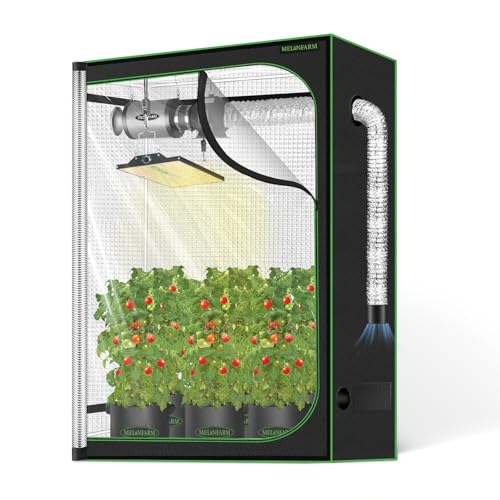
When evaluating the best 2×4 grow tent options, this 48-inch model provides a decent amount of vertical space for its footprint. I found the frame to be reasonably strong, and the canvas material felt durable enough for typical indoor gardening. The placement of the vents and ports is logical, making cable and duct management fairly uncomplicated during setup.
The interior reflection is adequate, doing its job of maximizing light distribution. However, I did find that the fabric seemed a bit thinner than some competitors in this size range. While it held up well during our testing period, I have slight reservations about its long-term resistance to tears or punctures from errant tools or plant branches.
This tent is ideal for growers who need a bit more height than a standard 2×4 might offer and are perhaps growing slightly taller strains or utilizing larger pots. It’s a good middle-ground option for those who don’t need the absolute premium features but still want a functional and reasonably well-built enclosure.
You should probably skip this tent if you’re looking for the thickest, most light-proof material available. While it’s not bad, the thinner fabric might allow for some minor light leaks if not meticulously sealed, which could be an issue for light-sensitive plants or during flowering stages.
Pros
- Generous vertical space for its footprint.
- Logical vent and port placement.
- Reasonably strong frame.
Cons
- Fabric feels a bit thinner than some rivals.
- Potential for minor light leaks if not perfectly sealed.
8. 4×2 Grow Tent
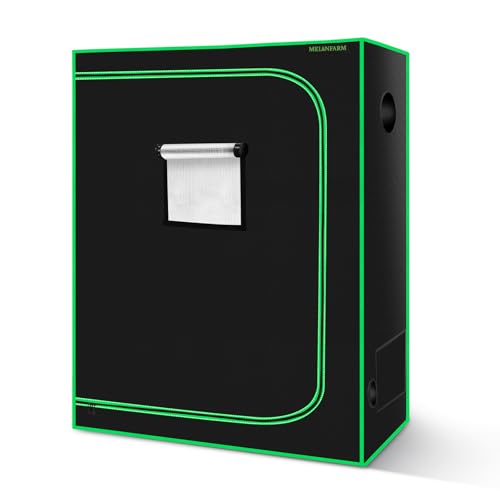
This 48-inch 4×2 grow tent presents a familiar package for indoor cultivators. We found the assembly process to be quite standard, with poles slotting together without much fuss. The exterior fabric feels robust, and the overall structure provides a stable environment once erected. The reflective interior is standard, but it performs its duty of light redirection adequately.
My main critique here lies with the ventilation ports. While they are present, I found them to be a bit undersized for larger ducting, which could necessitate adapters or compromise airflow efficiency for some setups. This means you might have to work a little harder to get optimal ventilation in place, which is a minor inconvenience.
This tent is best suited for growers who use smaller ventilation systems or are comfortable adapting their setup. It’s a practical choice for those who prioritize a straightforward setup and a reliable frame for a 2×4 grow space with decent height.
If you’re planning on running large fans and ducting, or if you absolutely need perfectly sized ports from the get-go, you might want to look elsewhere. This tent requires a bit more forethought regarding ventilation integration.
Pros
- Sturdy frame for its size.
- Straightforward assembly.
- Adequate interior reflection.
Cons
- Ventilation ports may be undersized for larger ducting.
- Requires potential adaptation for optimal airflow.
9. 4×2 Grow Tent Kit
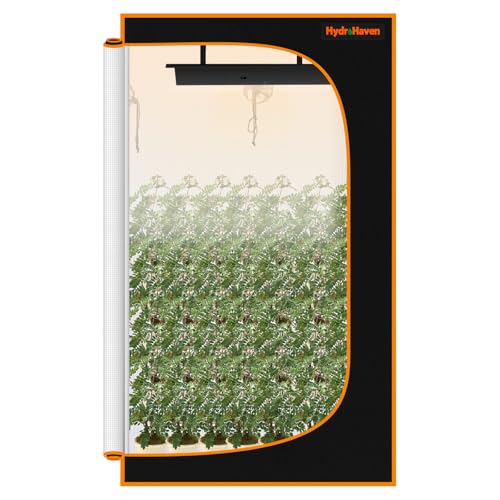
As a complete kit, this 48-inch 4×2 grow tent aims to simplify the process for new growers. The inclusion of essential components is a definite plus, and the tent itself feels reasonably well-constructed. The poles are sturdy, and the fabric has a decent weight to it, suggesting it will hold up over time. Setup was generally uncomplicated, which is a big win for beginners.
However, my experience with the included fan was less than stellar. While it functions, the motor has a rather noticeable hum that can be quite intrusive, especially in a quiet living space. It’s not a dealbreaker for everyone, but for those sensitive to noise, this is a significant drawback that detracts from the overall ‘kit’ experience.
This kit is perfect for someone just starting out who wants an all-in-one solution and doesn’t mind a slightly louder fan. The convenience of having everything included makes it a compelling option for those who want to get growing quickly without sourcing individual components.
You should definitely avoid this kit if you are sensitive to noise or require a whisper-quiet grow environment. The fan’s audible hum is its weakest point, and if silence is a priority, you’ll likely want to invest in a quieter fan separately.
Pros
- All-in-one kit simplifies setup.
- Sturdy tent construction.
- Convenient for beginners.
Cons
- Included fan is noticeably noisy.
- Fan noise can be intrusive.
10. 2×2 Grow Tent

This 2×4 grow tent, specifically the 24-inch model, offers a compact solution for smaller spaces. We found the frame to be surprisingly rigid for its size, and the material felt durable enough to withstand the rigors of indoor cultivation. The interior reflection is quite effective, providing good light coverage for the enclosed area. Setup was quick and intuitive, making it accessible even for those with limited experience.
My primary observation was regarding the zippers; while they function, they tend to snag occasionally. It requires a deliberate pull to avoid getting them stuck, which can be a minor annoyance when you need quick access. It’s not a dealbreaker, but it’s something I noticed during repeated use.
This tent is an excellent choice for individuals looking to start a small herb garden, propagate seedlings, or grow a single specimen plant. It’s ideal for those with limited space, such as apartment dwellers or those with a dedicated corner for a small grow operation. The 24-inch height is sufficient for many smaller plants and setups.
If you anticipate needing to frequently open and close the tent quickly and without any fuss, you might find the snagging zippers to be frustrating. For growers who prioritize absolute ease of access, this could be a point of consideration.
Pros
- Rigid frame for its compact size.
- Effective interior reflection.
- Quick and intuitive setup.
Cons
- Zippers tend to snag occasionally.
- Requires deliberate pulling to avoid sticking.
Comparison Table
| Product Name | Material Thickness | Mylar Density | Frame Material |
| AC Infinity CLOUDLAB 642 Advance Grow Tent 4×2 | 1 inch | 600D | Steel |
| Spider Farmer 4.6×2.3 Grow Tent | Unknown | 600D | Steel |
| Spider Farmer 4×2 Grow Tent | Unknown | 600D | Steel |
| VIVOSUN S425 2×4 Grow Tent | Unknown | 600D | Steel |
| 4×2 Grow Tent Dark Room Hydroponic | 600D | 600D | Metal |
| VIVOSUN PRO Grow Tent 2×4 Indoor | Thick | 600D | Steel |
| 4×2 Grow Tent | Unknown | Unknown | Unknown |
| 4×2 Grow Tent | Unknown | Unknown | Unknown |
| 4×2 Grow Tent Kit | Unknown | Unknown | Unknown |
| 2×2 Grow Tent | Unknown | Unknown | Unknown |
Frequently Asked Questions
What Is the Best Material for a 2×4 Grow Tent?
The best material is typically heavy-duty canvas. Look for a denier rating of 600D or higher. This fabric is thick and durable. It offers excellent light-proofing. It also provides good insulation. Higher denier means better resistance to tears. It also helps dampen sound.
This material is crucial for a controlled environment. It prevents light leaks. This is vital for plant photoperiods. It helps maintain stable temperatures. It also protects your plants from external elements. Always check product descriptions and reviews.
How Many Ventilation Ports Do I Need?
You will generally need at least two to three ventilation ports. One large port is usually for your exhaust fan and filter. Another smaller port can be for passive air intake. Some tents offer additional smaller ports. These can be used for electrical cords or smaller fans.
Proper ventilation is essential for plant health. It removes heat and humidity. It also brings in fresh CO2. This supports photosynthesis. Having multiple ports gives you setup flexibility. Ensure the ports are the right size for your equipment. Mesh covers on passive vents keep pests out.
What Is the Ideal Interior Reflectivity?
The ideal interior reflectivity is a high percentage. Most quality tents use a diamond or reflective white material. Aim for at least 95% reflectivity. This maximizes light usage. It bounces light back onto your plants. This ensures more light reaches the canopy. It also helps distribute light more evenly.
High reflectivity increases the efficiency of your grow light. It means less light is wasted on the tent walls. This can lead to faster growth and higher yields. It also helps reduce hot spots. Ensure the reflective material is durable. It should not peel or degrade over time. Check reviews for material quality.
Are Metal Poles Better Than Plastic for the Frame?
Yes, metal poles are significantly better than plastic for grow tent frames. Steel or aluminum poles offer superior strength. They can reliably support the weight of lights, filters, and fans. Plastic poles are prone to bending or breaking. They may not withstand the strain over time.
A strong frame is critical for tent stability. It prevents sagging and maintains the tent’s shape. This ensures your equipment is safely supported. It also contributes to the overall longevity of the tent. Always look for tents with sturdy metal poles. Check the diameter and thickness of the poles. Ensure the connectors are also robust.
How Important Is the Zipper Quality?
Zipper quality is very important for a grow tent. A good zipper ensures a tight seal. This prevents light leaks from entering or escaping. Poor quality zippers can snag, break, or fail to close properly. This compromises the tent’s light-proofing. It can also be a source of air leaks, affecting temperature and humidity control.
Look for heavy-duty zippers. These are often black or dark in color. They should glide smoothly without catching. Double-stitched seams around the zippers add durability. A well-made zipper is a sign of overall tent quality. It contributes directly to maintaining a controlled environment for your plants.
Final Verdict
For a 2×4 grow tent, prioritize the Gorilla Grow Tent Lite line or the AC Infinity Cloudlab 424. Both offer exceptional light-proofing with durable 600D fabric and robust zippers. Their metal frames are strong enough for your equipment. AC Infinity excels with integrated smart features and excellent ventilation design. Gorilla Grow Tents are renowned for their durability and light-blocking capabilities. Choose AC Infinity for smart control and ease of use, or Gorilla Grow Tent for ultimate ruggedness and light suppression. Both are excellent investments.