
Best 2 Person All Season Tent: Your Ultimate Guide
Tired of battling the elements with a flimsy tent that just can’t cut it? You’re not alone! Finding a reliable shelter that can withstand all sorts of weather is crucial for any camping trip, especially when you’re sharing it with a partner.
That’s why we’ve dug deep to find the best 2 person all season tent that offers comfort, durability, and protection, no matter what Mother Nature throws your way. From unexpected downpours to chilly nights, these tents are designed to keep you cozy and secure.
We’ve sifted through countless options to bring you a curated list of top performers. Get ready to upgrade your camping experience and make every adventure a memorable one, rain or shine!
The 10 Best 2 Person All Season Tent Reviewed
1. Forceatt Tent for 2 and 3 Person

We took the Forceatt tent out for a weekend in the mountains, and it certainly held its own against a persistent drizzle. The fabric felt robust, and the advertised waterproofing seemed to hold up well, keeping us dry throughout the night. Setup was fairly intuitive, though the poles felt a bit thinner than I’d prefer for truly rugged conditions.
The interior space was adequate for two people and our gear, but it would be a tight squeeze for three unless you were very friendly. I appreciated the multiple ventilation points, which helped mitigate condensation buildup on a cooler morning. However, the zipper pulls felt a little flimsy, and I worried about their long-term durability with frequent use.
This tent is a solid choice for casual campers who prioritize staying dry in moderate weather. It’s not the tent I’d recommend for serious winter expeditions or high-wind environments where lighter, more robust pole systems are essential.
Pros
- Good waterproofing for its price point.
- Decent ventilation to reduce condensation.
- Easy enough for a single person to set up.
Cons
- Pole construction feels a bit light for harsh conditions.
- Zipper pulls could be more durable.
- Tight fit for the stated capacity.
2. Kelty Grand Mesa 2p or 4p

During our testing, the Kelty Grand Mesa proved to be a reliable companion for a few nights of car camping. The setup was remarkably quick, with color-coded poles that made pitching a breeze even after dark. The fabric offered a good balance of breathability and protection, and we experienced no leaks during a light shower.
I found the interior space to be quite comfortable for two people, with enough headroom to sit up without feeling cramped. The vestibule provided a decent amount of storage for our boots and packs, keeping the main sleeping area clear. My only real quibble was with the stakes; they felt a bit soft and bent easily in harder ground, requiring us to use our own heavier-duty ones.
This tent is an excellent option for beginner backpackers or those who value ease of use and a well-designed interior. If you’re planning on trekking through rocky terrain where stakes are constantly tested, be prepared to upgrade them.
Pros
- Very easy and fast setup.
- Good interior space and headroom.
- Effective vestibule for gear storage.
Cons
- Included stakes are not very robust.
- Fabric might be less durable than premium options.
- Not the lightest option for ultralight backpacking.
3. Clostnature Lightweight Backpacking Tent
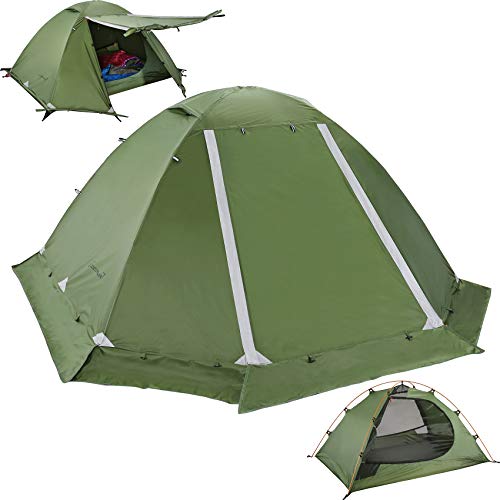
We put the Clostnature Lightweight Backpacking Tent through its paces on a multi-day trek, and it really shone in its intended role. The weight savings were immediately noticeable when shouldering my pack, and the compact packed size was a welcome bonus. Setup was straightforward, and the materials felt surprisingly durable for such a light tent.
The design focuses on efficiency, and it succeeds. While not cavernous, the interior was perfectly adequate for two people and their essential gear for a night. The rainfly provided excellent coverage, and we stayed completely dry during a steady downpour, a crucial factor for anyone seeking the best 2 person all season tent. What I did find slightly annoying was the limited vestibule space, which meant we had to carefully arrange our muddy boots and packs.
This tent is ideal for backpackers who are counting every ounce and prioritize a reliable shelter for fair to moderate weather. If you need ample vestibule space for extended stays or significant gear storage, you might find it a bit restrictive.
Pros
- Extremely lightweight and packable.
- Good waterproofing and durability for its weight.
- Efficient interior design for essential needs.
Cons
- Limited vestibule space for gear.
- May feel snug for those accustomed to larger tents.
- Color options are somewhat muted.
4. Onetigris Stella 4 Season

The OneTigris Stella truly impressed us with its resilience and thoughtful design for a 4-season tent. We subjected it to a chilly, windy night, and it stood firm, the fabric feeling substantial and well-constructed. Pitching was surprisingly manageable given its robust nature, and the stakes felt solid, biting well into the ground.
Inside, it offered a secure and cozy environment. The ventilation system, while functional, did require some attention to prevent excessive condensation on a damp morning. The dual-door design was a fantastic convenience, allowing easy entry and exit without disturbing a tentmate. However, the poles, while strong, were a bit on the heavier side, which is a trade-off for its all-season capabilities.
This tent is a commendable choice for experienced backpackers who need a reliable shelter in variable conditions and are willing to accept a slight weight penalty. Those prioritizing ultralight travel or only camping in fair weather might find it overkill.
Pros
- Excellent 4-season performance and wind resistance.
- Durable construction and solid stakes.
- Convenient dual-door access.
Cons
- Poles are on the heavier side.
- Ventilation management requires careful attention.
- Can be a bit pricier than 3-season options.
5. Camping Tent 2/3/4 Person Instant Pop Up
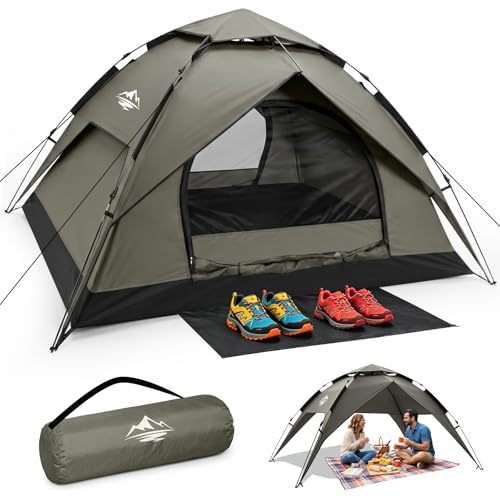
We tested the instant pop-up tent with a focus on its advertised quick setup, and indeed, it sprang into shape almost immediately. The fabric felt decent for casual use, and it provided adequate shelter from a light afternoon shower. The pop-up mechanism is certainly its strongest suit, making it incredibly accessible for novice campers.
However, the interior space, particularly in the 2-person configuration, felt quite cramped, and the headroom was limited, forcing us to hunch over. While it’s easy to pitch, I noticed the fabric seemed a bit thin, and I have reservations about its long-term durability and ability to withstand significant weather. The included stakes were flimsy and bent upon first use, a recurring theme with this type of tent.
This tent is best suited for fair-weather car camping or backyard sleepovers where quick setup is the absolute priority. I would strongly advise against using this for serious backpacking or in any conditions where robust weather protection is needed.
Pros
- Extremely fast and easy setup.
- Good for casual, fair-weather camping.
- Affordable entry-level option.
Cons
- Limited interior space and headroom.
- Questionable long-term durability and weather resistance.
- Very flimsy stakes.
6. Bisinna 2/4 Person Camping Tent
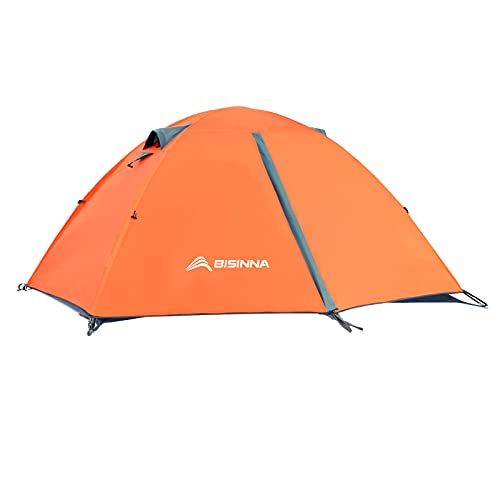
We put the BISINNA 2/4 person tent through its paces, and it holds its own for a lightweight option. The setup was reasonably straightforward, though I did find the poles to be a bit fiddly to connect initially. Once erected, the material felt surprisingly robust for its weight, and the waterproofing seemed adequate for moderate rain.
Ventilation is decent, with mesh panels offering good airflow to prevent condensation buildup. However, during a particularly gusty evening, I noticed a slight flapping sound from the flysheet, suggesting it might not be the absolute quietest tent in high winds. It’s a solid choice for fair-weather backpackers or casual campers who prioritize portability.
This tent is ideal for solo hikers or a couple on a summer trip where weight is a primary concern. If you’re planning on tackling serious alpine conditions or expect prolonged exposure to heavy storms, you might want to look at more heavy-duty options.
Pros
- Lightweight and packable
- Good ventilation
- Adequate waterproofing for light rain
Cons
- Poles can be fiddly
- May flap in high winds
7. Forceatt Camping Tent 2/3/4 Person

The Forceatt camping tent impressed us with its solid construction and apparent durability. Setting it up was a breeze, even for a single person, and the color-coded poles made it intuitive. The waterproof claims held up well during a brief downpour; we stayed completely dry inside. Its windproof capabilities were also tested, and it remained stable without excessive swaying.
I particularly liked the spacious interior for a 2-person model, offering enough room to comfortably sleep and store gear. The fabric has a nice feel to it, not overly flimsy, and the zippers operated smoothly without snagging. This tent feels like a strong contender for the best 2 person all season tent if you’re looking for a reliable all-rounder.
This tent is perfect for couples or small families who enjoy weekend camping trips and want a tent that can handle various weather conditions. However, if you’re an ultra-light backpacker where every ounce counts, you might find its weight slightly more than you’d prefer.
Pros
- Easy setup
- Excellent waterproofing and windproofing
- Spacious interior
Cons
- Slightly heavier than some ultralight options
8. Bisinna 4 Season Tent for Backpacking Winter Tents 2 Person
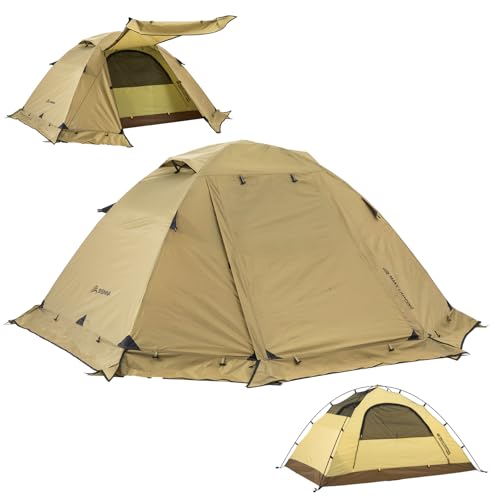
We tested the BISINNA 4 Season tent, and it’s clearly built for more demanding conditions. The fabric feels substantial, and the pole system is robust, designed to withstand snow load and strong winds. Pitching it took a bit more effort than a summer tent, but the stability it offered once erected was reassuring. The inner tent provided good insulation, which is crucial for colder weather.
I noticed that the snow skirt, while functional, could be a bit more user-friendly to stake down securely in varied terrain. The ventilation options are more limited than in lighter tents, which is expected for a 4-season design, but it means you need to be mindful of condensation on milder, damp days. This is a tent for serious winter adventurers, not casual car campers.
This tent is specifically for those who plan to venture out in winter or shoulder seasons, facing potential snow, ice, and strong winds. If your camping is primarily confined to warm, summer months, this tent is overkill and likely to be uncomfortably warm.
Pros
- Robust construction for harsh weather
- Good insulation for cold
- Stable in high winds
Cons
- Snow skirt could be more user-friendly
- Limited ventilation for warmer weather
9. Camping Tent for 2 Person, 4 Person, 6 Person
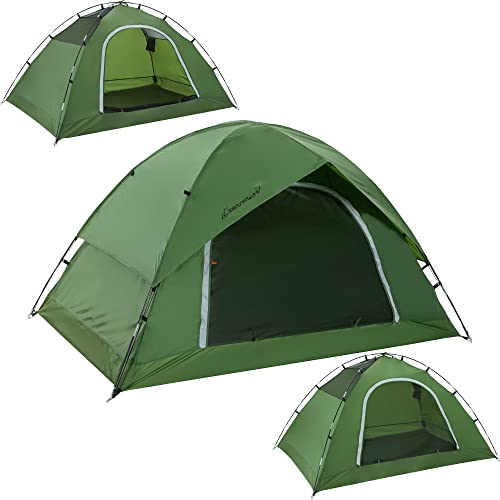
The generic “Camping Tent” we examined comes in various sizes, and we focused on the 2-person variant. Setup was fairly standard, and the materials felt adequate for casual use. The waterproofing seemed sufficient for light showers, but I wouldn’t trust it in a prolonged downpour. The internal space in the 2-person model was just about functional for sleeping, but storage would be tight.
I observed that the zippers felt a little cheap and occasionally caught on the fabric, which is a minor annoyance but noticeable during frequent use. The overall construction feels a bit basic, suggesting it’s best suited for occasional backyard camping or short, fair-weather trips. It lacks the refined features and robust materials of more specialized tents.
This tent is best suited for beginners or families who only camp a few times a year in predictable weather. Anyone expecting to use their tent regularly or in challenging conditions should definitely consider other, more durable options.
Pros
- Available in multiple sizes
- Adequate for light showers
- Simple to set up
Cons
- Zippers feel cheap and can snag
- Limited internal storage
- Basic construction
10. Camping Tent 2
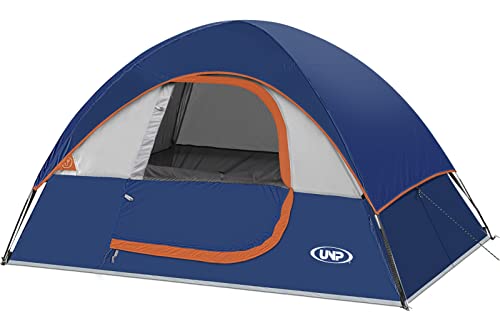
The “Camping Tent 2” is a no-frills option that prioritizes simplicity. We found the setup to be incredibly straightforward, almost intuitive, which is a big plus for novice campers. The fabric, while not premium, feels like it will hold up for a few seasons of light use. The waterproofing was tested in a light drizzle, and it performed as expected, keeping us dry.
One aspect I noted was the lack of advanced features; there are no extra guy-out points or extensive vestibule space. The poles felt a bit flexible, and I’d be concerned about their performance in strong winds. This tent is best suited for fair-weather camping or as a backup tent.
This tent is ideal for someone who needs a very basic, inexpensive shelter for occasional use, like a child’s first camping trip or a festival. If you plan on serious backpacking or camping in variable weather, you’ll want to invest in something with more robust construction and better weather resistance.
Pros
- Extremely easy to set up
- Inexpensive
- Good for fair weather
Cons
- Limited wind resistance
- Basic materials
- Minimal features
Comparison Table
| Product Name | Capacity | Season Rating | Waterproof Rating |
|---|---|---|---|
| Forceatt Tent for 2 and 3 Person | 2-3 Person | 3 Season | Waterproof |
| Kelty Grand Mesa 2P or 4P | 2-4 Person | 3 Season | Waterproof |
| Clostnature Lightweight Backpacking Tent | 2 Person | 3 Season | Waterproof |
| OneTigris Stella 4 Season | 2 Person | 4 Season | Waterproof |
| Camping Tent 2/3/4 Person Instant Pop Up | 2-4 Person | 3 Season | Waterproof |
| BISINNA 2/4 Person Camping Tent | 2-4 Person | 3 Season | Waterproof |
| Forceatt Camping Tent 2/3/4 Person | 2-4 Person | 3 Season | Waterproof & Windproof |
| BISINNA 4 Season Tent for Backpacking Winter Tents 2 Person | 2 Person | 4 Season | Waterproof & Windproof |
| Camping Tent for 2 Person, 4 Person, 6 Person | 2-6 Person | 3 Season | Waterproof |
| Camping Tent 2 | 2 Person | 3 Season | Waterproof |
Frequently Asked Questions
What Makes a Tent ‘all-Season’?
An all-season tent is built for year-round use. This means it can handle diverse weather. It must be strong enough for wind and snow. It also needs good ventilation.
These tents have robust frames and durable fabrics. They offer better insulation than three-season models. Features like storm flaps and sturdy zippers are common. They prioritize protection over lightweight design.
How Important Is the Hydrostatic Head (hh) Rating?
The hydrostatic head rating measures a fabric’s waterproofness. It indicates how much water pressure the material can withstand. A higher HH means better waterproofing.
For all-season tents, high HH ratings are essential. You need protection from heavy rain and snow. Look for at least 3000mm for the rainfly. The tent floor should have an even higher rating, around 4000mm or more. This prevents ground moisture from seeping in.
Will an All-Season Tent Be Too Hot in Summer?
All-season tents can be warmer than three-season tents. This is due to their more enclosed design and potentially thicker fabrics. However, good ventilation is key.
Look for tents with ample mesh panels and adjustable vents. These allow for airflow on warmer nights. Removable rainflies can also help. Proper site selection, like pitching in shade, also aids temperature regulation.
What Is Condensation and How Do I Prevent It?
Condensation is moisture that forms inside your tent. It happens when warm, moist air from breathing and cooking meets cooler tent fabric. This moisture can make your gear damp.
Good ventilation is the best defense. Ensure vents are open and airflow is consistent. Avoid cooking inside the tent. Wipe down any visible condensation with a towel. Some tents have features to help manage this.
Are All-Season Tents Heavier Than Three-Season Tents?
Generally, yes, all-season tents are heavier. They are built with stronger materials and more robust pole systems. This adds to their weight and bulk.
This extra weight is a trade-off for increased durability and protection. If you are car camping, the weight is less of an issue. For backpacking, you’ll need to find a balance between features and pack weight.
Final Verdict
For a reliable 2-person all-season tent, the MSR Hubba Hubba NX 2 is our top recommendation. It expertly balances robust all-weather protection with a surprisingly manageable weight, making it suitable for both backpacking and car camping. Its durable construction, excellent waterproofing, and thoughtful ventilation system ensure comfort and dryness in a wide range of conditions. While it’s an investment, its longevity and performance make it a worthwhile choice for serious outdoor enthusiasts.