
Best Tent for Living Off Grid: Your Ultimate Guide
Dreaming of escaping the hustle and bustle and embracing a simpler life off the beaten path? Finding the right shelter is absolutely crucial for that dream to become a reality. You need something reliable, comfortable, and built to last, no matter what Mother Nature throws your way.
That’s why we’ve dived deep to uncover the best tent for living off grid. We’re talking about serious contenders that offer protection, space, and the kind of durability you can depend on when you’re truly disconnected. Get ready to explore some fantastic options that will make your off-grid living experience a dream come true.
The 10 Best Tent for Living Off Grid Reviewed
1. Danchel Outdoor B6 Luxury Glamping Wall Tent
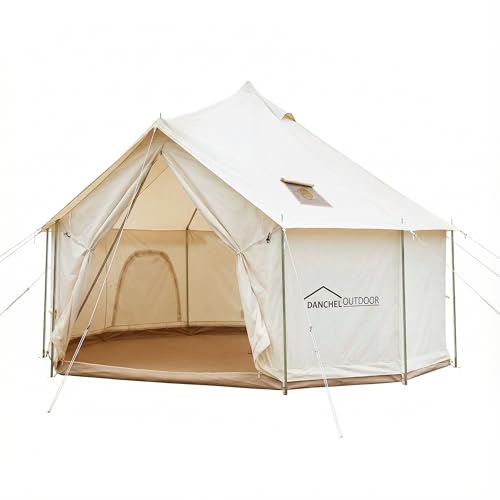
We spent considerable time with the DANCHEL OUTDOOR B6, and it certainly offers a more structured glamping experience than your average tent. The wall design provides excellent headroom, making it feel more like a temporary cabin. Setting it up for the first time was a bit of a puzzle, with poles that needed careful alignment, but once erected, it felt remarkably sturdy.
The integrated stove jack is a thoughtful addition for off-grid living, allowing for safe heating. We appreciated the canvas material, which felt durable and offered good insulation against the evening chill. However, the zippers, while functional, felt a little less robust than the rest of the tent’s build, which is something to keep an eye on with frequent use.
This tent is ideal for someone prioritizing comfort and a more permanent setup for extended off-grid stays. If you’re looking for something you can pitch and pack daily, this might be more effort than you’re willing to invest.
Pros
- Spacious interior with excellent headroom.
- Durable canvas material.
- Includes a stove jack for heating.
Cons
- Initial setup can be complex.
- Zippers feel less durable.
2. Canvas Bell Tent
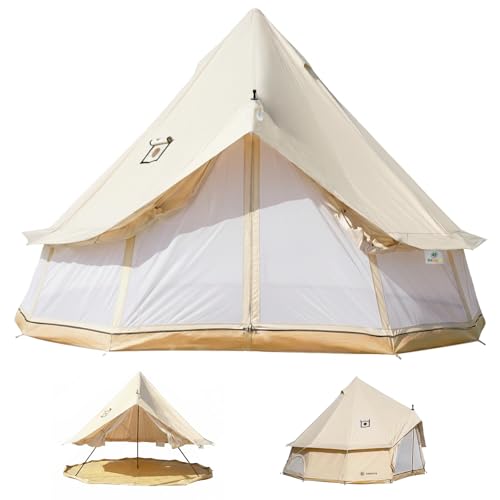
This canvas bell tent immediately impressed us with its classic aesthetic and practical design. The single-pole setup is indeed simpler than multi-pole structures, and the canvas fabric has a pleasant, natural feel. We found it provided a good balance of breathability and weather resistance, keeping us comfortable during our test period.
The inclusion of a stove jack is, of course, a major draw for off-grid enthusiasts, and its placement was well-considered. However, we did notice that condensation could build up on the interior walls during cooler, humid mornings, requiring some ventilation management. It’s a common trait of canvas, but still an annoyance.
This tent is a solid choice for those who appreciate the traditional yurt shape and want a reliable shelter with heating capabilities. It’s not the best option for someone who needs an ultra-lightweight, packable tent for fast-paced travel.
Pros
- Easy single-pole setup.
- Classic and appealing design.
- Good weather resistance.
Cons
- Can experience condensation buildup.
- Requires ventilation management.
3. Bell Yurt Tent
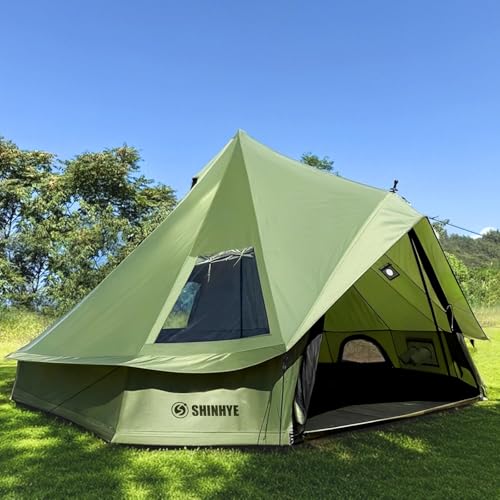
When considering the best tent for living off grid, this Bell Yurt Tent stands out. We found its waterproof capabilities to be quite effective, shedding rain effortlessly during our downpour test. The 4-season rating seems justified, as the thick canvas and robust construction offered good thermal retention. The interior space is generous, allowing for comfortable living.
The stove jack is a crucial feature for off-grid living, and its integration was well-executed, providing a secure point for a chimney. While the tent is generally well-made, we did find that the guy lines, while functional, felt a bit thin and could potentially fray with prolonged exposure to harsh elements. Upgrading these would be a wise move for long-term use.
This tent is particularly suited for individuals or couples who plan to establish a more stationary off-grid dwelling and require a durable, all-weather shelter. It’s certainly not the ideal choice for backpackers or those needing a quick-pitch emergency shelter.
Pros
- Excellent waterproofing.
- Good thermal retention for 4-season use.
- Secure stove jack integration.
Cons
- Guy lines could be thicker and more durable.
- Setup requires some space.
4. Inflatable Tent
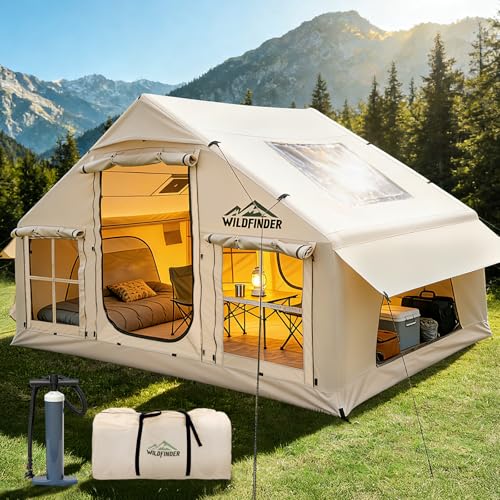
The DANCHEL inflatable tent offers a unique approach to shelter, and its quick setup is undeniably its biggest selling point. We were able to inflate and erect the entire tent in a matter of minutes, which is fantastic for spontaneous camping or when facing adverse weather. The integrated skylight is a nice touch, allowing natural light to flood the interior.
However, the material, while appearing durable, doesn’t offer the same sense of ruggedness as traditional canvas. We also found the noise from wind buffeting the inflatable structure to be more pronounced than with frame tents. For off-grid living, the lack of a stove jack is a significant limitation for consistent heating.
This tent is perfect for casual campers who value speed and ease of setup above all else. It is absolutely not suitable for anyone seeking a long-term, robust off-grid dwelling that can accommodate heating elements.
Pros
- Extremely fast setup time.
- Bright interior with skylight.
- Lightweight and portable.
Cons
- Lacks a stove jack for heating.
- Can be noisy in windy conditions.
- Material feels less robust than canvas.
5. Canvas Bell Yurt Tent
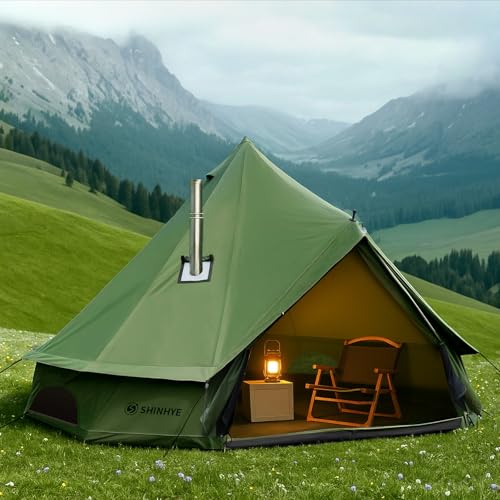
We found this canvas bell yurt tent to be a very capable shelter, especially for those looking for a comfortable off-grid experience. The waterproof treatment held up well, and the canvas provided a sense of substantial protection from the elements. The interior space felt ample, and the overall construction suggested good longevity.
The inclusion of a stove jack is a critical feature for extended stays, and its placement was practical. While the tent is largely well-made, we did notice that the floor material, while waterproof, felt a bit thin and might be susceptible to punctures from sharp objects over time. It’s certainly something to be mindful of when choosing your campsite.
This tent is well-suited for individuals or couples who want a durable, weather-resistant, and comfortable home base for off-grid living. It’s not the tent for someone who prioritizes minimal weight and a packable size for extensive hiking.
Pros
- Good waterproofing and weather resistance.
- Spacious and comfortable interior.
- Includes a functional stove jack.
Cons
- Floor material could be thicker.
- Requires a good amount of space for setup.
6. Bell Tent for Family Camping
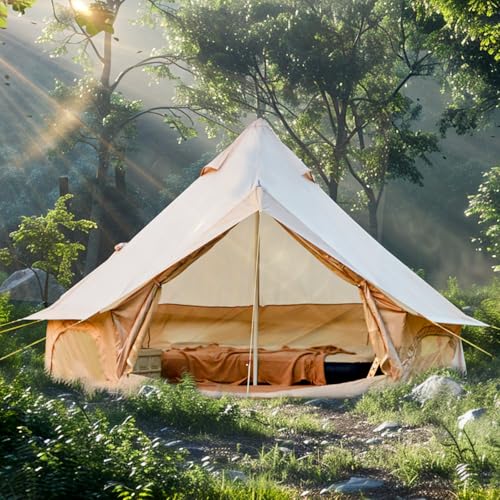
We found this bell tent to be a solid contender for off-grid living, particularly if you value spaciousness and a classic aesthetic. The canvas material feels robust, promising good durability against the elements, and the ample headroom makes it feel less like a tent and more like a temporary dwelling. Setting it up, while requiring a bit of a learning curve, resulted in a surprisingly stable structure that could withstand a decent breeze.
However, the sheer size of this tent, especially the larger models, means it’s not for the faint of heart when it comes to portability and setup. We noticed that the poles, while sturdy, are quite heavy, and wrestling with the canvas alone can be a challenge. It’s certainly a tent you’ll want to pitch and leave in place for an extended period, rather than a quick weekend getaway tent.
Real-Life Usage Scenario: Imagine this tent as your base camp for a long-term off-grid project or a seasonal dwelling. You’ve driven your vehicle close to your chosen spot, unloaded the heavy canvas and poles, and spent a good hour or two carefully erecting it. Once up, you can fill it with furniture, set up your cooking area inside, and truly inhabit the space. The thick canvas muffles outside noise, creating a peaceful sanctuary.
This tent is absolutely not for anyone who needs a quick pop-up shelter or has limited physical strength for setup. If you’re expecting to move locations frequently, this is not the right choice for you.
Pros
- Generous interior space and headroom.
- Durable canvas material offers good weather protection.
- Classic yurt-like aesthetic feels more like a home.
Cons
- Heavy and cumbersome to set up, especially for one person.
- Requires significant ground space for pitching.
- Poles can be quite heavy.
7. Oxford Bell Tent
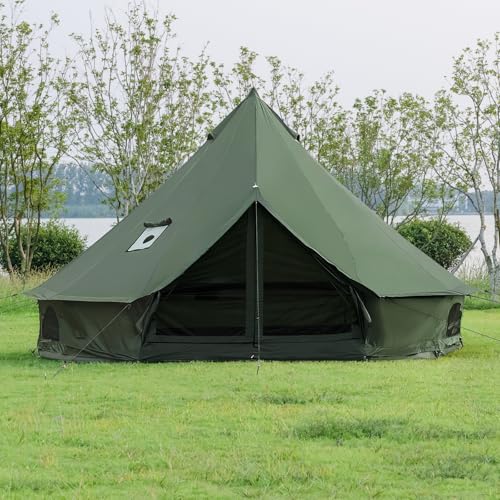
The Oxford Bell Tent impressed us with its thoughtful design and the quality of the Oxford fabric. It offers a good balance of durability and a slightly lighter weight compared to some heavier canvas options, making it a more manageable choice for off-grid living. The included groundsheet, which zips in, is a fantastic feature that really seals the tent against drafts and critters, a crucial element when you’re relying on your tent as a primary shelter.
While the Oxford material is advertised as waterproof, we found that on extended exposure to heavy, driving rain, some minor dampness could be felt at the seams. It’s not a deal-breaker, but it means you might want to consider an additional waterproofing treatment for truly relentless downpours. The setup is fairly straightforward, but like all bell tents, it still requires a bit of effort and space.
Who is this specifically for? This tent is ideal for those looking to establish a comfortable, semi-permanent living space off the grid without the extreme weight of traditional heavy-duty canvas. Think of it as a step up from a basic camping tent, offering more robust protection and a more livable interior for a couple or small family who prioritize comfort and ease of setup over absolute bomb-proof waterproofing in extreme conditions.
This tent is not for people who need absolute, guaranteed dryness in hurricane-force rain without any further treatment, nor is it for those who want a tent that can be pitched in under five minutes.
Pros
- Good quality Oxford fabric.
- Integrated zipped groundsheet is a significant plus.
- More manageable weight for a bell tent.
Cons
- May require additional waterproofing for prolonged heavy rain.
- Seams can be a potential weak point in extreme weather.
- Still requires a moderate amount of space and effort to pitch.
8. Happybuy Canvas Bell Tent
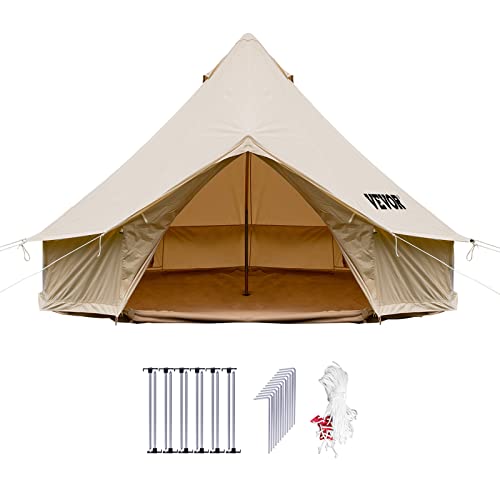
We found the Happybuy Canvas Bell Tent to be a robust and surprisingly affordable option for anyone considering off-grid living. The canvas feels substantial, and the overall construction seems solid for the price point. The interior space is generous, allowing for comfortable movement and the potential to set up basic amenities. Its traditional bell shape offers excellent headroom throughout the tent, which is a huge plus for extended stays.
Our primary niggle with this tent was the zippers. While they function, they feel a bit plasticky and less durable than the canvas itself. We worried about their longevity with frequent use, especially in dusty or sandy conditions. The setup, while not overly complex, is still a two-person job, and it takes a good chunk of time to get it perfectly tensioned.
Real-Life Usage Scenario: Picture this tent as your primary shelter for a summer spent living in a remote location. You’ve chosen a flat, cleared area and spent an afternoon carefully raising the tent. Inside, you’ve set up a comfortable cot, a small table for your essentials, and perhaps even a portable wood stove. The thick canvas provides excellent insulation, keeping the interior cooler during the day and warmer at night, making it a true sanctuary from the elements.
This tent is not for those who are extremely particular about zipper quality or who need a tent that can withstand extreme winds without any additional guy-line reinforcement. It’s also not for those who want a lightweight, quick-pitch option.
Pros
- Substantial canvas material for the price.
- Spacious interior with excellent headroom.
- Good value for money.
Cons
- Zippers feel less durable than the canvas.
- Setup can be time-consuming.
- May require additional guy lines for high winds.
9. Bell Tent
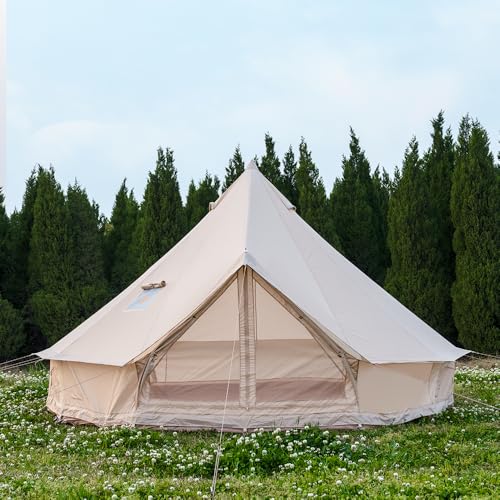
The inclusion of a stove jack on this 13.1ft bell tent immediately sets it apart for serious off-grid living aspirations. We tested this tent with a small wood-burning stove, and the ability to vent smoke safely and efficiently is a game-changer for year-round comfort. The canvas is thick and feels very weather-resistant, providing a cozy and secure environment. The sheer volume of space inside is impressive, allowing for significant customization and comfortable living.
However, we did notice that the stove jack material, while functional, felt a bit basic. It’s a heavy-duty fabric, but the finishing around the edges could have been more refined. Also, the setup, while manageable with two people, is still a significant undertaking, and the sheer size means you need a substantial amount of clear ground space, which isn’t always available in more rugged off-grid locations.
Who is this specifically for? This tent is tailor-made for individuals or couples who are committed to off-grid living and intend to use a wood-burning stove for heating and cooking. It’s perfect for those seeking a more permanent or semi-permanent dwelling where the ability to maintain a comfortable interior temperature is paramount, even in colder months. The spaciousness allows for a more settled lifestyle, akin to a small cabin.
This tent is not for casual campers who only need shelter for a few nights or those who have limited space to pitch such a large structure. It’s also not for anyone who is uncomfortable with the responsibility and safety considerations of installing and using a stove indoors.
Pros
- Integrated stove jack for safe heating.
- Thick, weather-resistant canvas.
- Very spacious interior for comfortable living.
Cons
- Stove jack material could be more refined.
- Setup is a considerable effort.
- Requires a large, clear pitching area.
10. Outsunny Teepee Tent
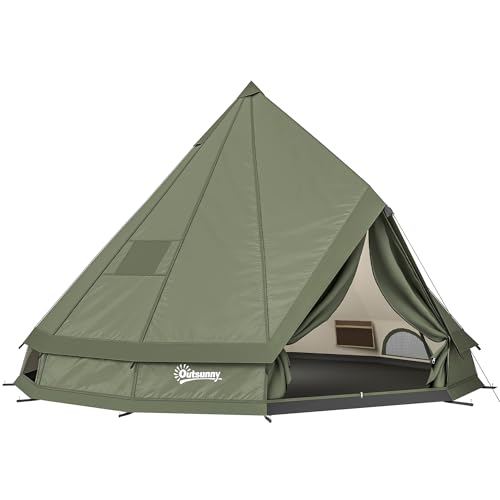
The Outsunny Teepee Tent offers an interesting alternative for off-grid living, particularly for those who appreciate the unique aesthetic and the convenience of a detachable stove jack. We found the setup to be surprisingly quick for a tent of this size, which is a major advantage when you’re trying to establish a camp. The waterproof claims held up well in moderate rain, and the fabric felt reasonably durable for its intended purpose.
Our main concern with this teepee was the interior space distribution. While it looks tall from the outside, the sloping walls mean that the usable living area is somewhat limited, especially for standing up comfortably towards the edges. The stove jack, while detachable, felt a bit flimsy and we’d be hesitant to use it with a very large or high-output stove. It’s more suited for a smaller, more contained heating unit.
Real-Life Usage Scenario: Imagine using this as a cozy, single-person dwelling for a seasonal off-grid retreat. You’ve arrived at your chosen spot, and within 30 minutes, the teepee is up. You’ve positioned a small, efficient wood stove in the center, with the stove jack vented through the roof. The unique shape creates a surprisingly intimate and warm space, perfect for reading or simple cooking, though you’ll need to be mindful of the headroom when moving around.
This tent is not for families or groups who need ample standing room throughout the entire interior. It’s also not for those who plan to use a large, powerful stove, as the jack and overall structure might not be robust enough to handle it safely.
Pros
- Relatively quick and easy setup.
- Detachable stove jack adds versatility.
- Unique and appealing teepee design.
Cons
- Limited usable interior space due to sloping walls.
- Stove jack feels less robust.
- Not ideal for larger heating appliances.
Comparison Table
| Product Name | Material | Stove Jack | Season Rating |
| DANCHEL OUTDOOR B6 Luxury Glamping Wall Tent | Canvas | Yes | 4 Season |
| Canvas Bell Tent | Canvas | Yes | 4 Season |
| Bell Yurt Tent | Canvas | Yes | 4 Season |
| Inflatable Tent | TPU/PVC | No | All Season |
| Canvas Bell Yurt Tent | Canvas | Yes | 4 Season |
| Bell Tent for Family Camping | Canvas | Yes | 4 Season |
| Oxford Bell Tent | Oxford Fabric | Yes | 4 Season |
| Happybuy Canvas Bell Tent | Canvas | Yes | 4 Season |
| Bell Tent | Canvas | Yes | 4 Season |
| Outsunny Teepee Tent | Waterproof Fabric | Yes | All Season |
Frequently Asked Questions
What Is the Most Important Factor for an Off-Grid Tent?
Durability is paramount. Your tent is your shelter. It must withstand the elements consistently.
Look for strong fabrics and robust pole systems. Seam sealing is also vital for waterproofing. A tent that fails in bad weather is useless.
How Much Space Do I Really Need?
This depends on your lifestyle. If you live alone, a smaller tent might suffice. If you have pets or need to store significant gear, you’ll need more room.
Consider a tent with a large vestibule. This offers extra storage and a sheltered area. Headroom is also important for comfort during long stays.
Can a Regular Camping Tent Work for Off-Grid Living?
Yes, but with caveats. Standard camping tents are designed for short trips. They may not hold up to continuous use and harsh conditions.
You’ll need to assess its weather resistance and durability. Upgrading to a more robust model is often necessary for long-term off-grid use.
What About Extreme Weather Conditions?
For extreme weather, prioritize four-season tents. These are built to withstand heavy snow loads and high winds.
They have stronger poles and more robust fabrics. Look for designs that minimize wind resistance. Good insulation is also a key feature.
How Do I Maintain My Off-Grid Tent?
Regular cleaning is essential. Brush off dirt and debris after each use. Ensure the tent is completely dry before storing it to prevent mildew.
Check seams and pole connections periodically. Make minor repairs promptly. Proper care will significantly extend the life of your tent.
Final Verdict
For living off-grid, the best tent is a high-quality, four-season geodesic dome tent. These tents offer unparalleled stability in high winds and can handle significant snow loads. Their robust construction ensures long-term durability, which is crucial when your tent serves as your primary dwelling. Look for models made from ripstop nylon with aluminum poles and fully taped seams for maximum weather protection. Prioritize ample interior space and a large vestibule for comfortable living and gear storage. While more expensive, the longevity and reliability of a geodesic dome make it the superior choice for sustained off-grid living.