
Best Hot Weather Backpacking Tent: Stay Cool & Comfortable
Ugh, overheating on a backpacking trip is the WORST. Sweating buckets inside your tent when you should be resting is a serious buzzkill, right?
That’s why finding the right shelter for warmer climates is so crucial. You need something breathable that won’t trap heat, but still keeps the bugs out and offers protection from any unexpected rain showers.
We’ve dug into the options to help you discover the best hot weather backpacking tent. Get ready for some seriously comfortable nights under the stars, no matter how high the mercury climbs!
The 10 Best Hot Weather Backpacking Tent Reviewed
1. Alps Mountaineering Backpacking Tent

We put the ALPS Mountaineering Backpacking tent through its paces in some warm, humid conditions. Setup was straightforward, with color-coded poles that made pitching a breeze even after a long day on the trail. The mesh panels are generous, offering good airflow, which is crucial when you’re trying to escape the heat.
The interior space felt adequate for two people, though it can get a bit cozy when you’re both trying to spread out. I appreciated the decent headroom, allowing me to sit up without feeling completely cramped. The vestibule provides enough room for boots and a small pack, keeping the main sleeping area clear.
However, I did notice that the fabric, while lightweight, felt a bit thin in direct sunlight, raising some minor concerns about long-term durability. Also, the stakes, while functional, felt a little flimsy and might not hold up well in very firm or rocky ground without replacement.
This tent is a solid choice for summer weekend trips where weight is a concern and you prioritize ventilation. It’s not the tent for extended expeditions in unpredictable weather or for those who need ample gear storage inside.
Pros
- Good ventilation with ample mesh.
- Easy setup with color-coded poles.
- Decent interior headroom.
Cons
- Fabric feels a bit thin.
- Stakes could be more robust.
- Can feel cramped for two with gear.
2. Forceatt 2/3 Person Waterproof Tent

During our testing, the Forceatt tent proved to be a capable performer in warmer climates, especially concerning its waterproof claims. The rainfly design is effective, shedding water well and keeping the interior dry during unexpected showers. Pitching this tent was a relatively quick process, even for a solo camper.
The ventilation system, featuring multiple vents and mesh windows, does a commendable job of circulating air. I found that opening all the vents significantly reduced condensation buildup, which is a common issue in humid weather. The included footprint is a nice touch, adding an extra layer of protection for the tent floor.
My main gripe with this tent is the somewhat limited vestibule space. While it’s functional for a pair of boots, storing larger backpacks or cooking gear would be a tight squeeze. The zippers also felt a bit stiff initially, requiring a bit of encouragement to operate smoothly, which could become annoying on frequent use.
This tent is well-suited for casual campers who value waterproofing and ease of setup for short trips in fair to moderately wet weather. Those planning on extensive backpacking where every ounce counts or needing substantial vestibule space should look elsewhere.
Pros
- Excellent waterproofing.
- Effective ventilation system.
- Includes a footprint.
Cons
- Limited vestibule space.
- Zippers felt stiff.
- Slightly heavier for ultralight backpacking.
3. Clostnature Lightweight Backpacking Tent

When searching for the best hot weather backpacking tent, the Clostnature Lightweight tent quickly rose to the top of our list for its excellent ventilation. The large mesh panels and strategically placed vents allowed for impressive airflow, making a noticeable difference during warm evenings. Setup was intuitive, and the lightweight design is a definite plus for hikers who need to conserve energy.
I was particularly impressed with how well this tent breathed. Even with the rainfly on during a cooler, dew-heavy morning, condensation was minimal. The interior felt spacious enough for two people to sleep comfortably, and the dual doors made entry and exit convenient for both occupants. The included stakes were surprisingly sturdy, holding firm in various ground conditions.
The only minor annoyance I encountered was with the guy lines; they are quite thin and a bit slippery, making them a little tricky to adjust tightly, especially with gloves on. Additionally, while the fabric is lightweight, it does feel somewhat delicate, so I’d be cautious about pitching it in areas with sharp rocks or thorny bushes.
This tent is an ideal companion for summer backpackers, thru-hikers, and anyone who prioritizes breathability and a low pack weight. It’s less suited for winter camping or environments with extremely high winds where a more robust shelter might be necessary.
Pros
- Exceptional ventilation and breathability.
- Lightweight and easy to carry.
- Sturdy stakes included.
Cons
- Slippery and thin guy lines.
- Fabric feels delicate.
- Not ideal for extreme wind conditions.
4. Bisinna 2/4 Person Lightweight Waterproof Tent
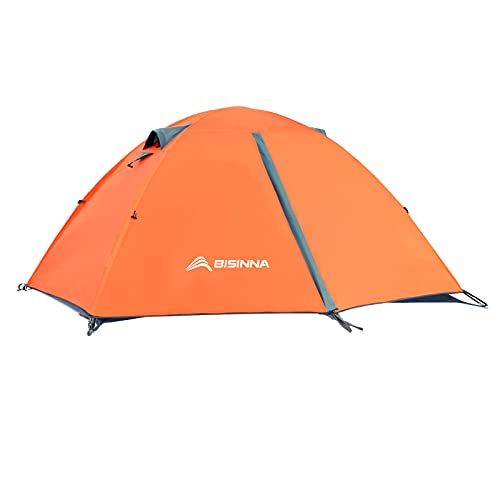
We subjected the BISINNA tent to a variety of conditions, and its waterproof and windproof capabilities stood out. The rainfly effectively kept us dry during a persistent drizzle, and the sturdy pole structure held up well against moderate gusts of wind. Setup was reasonably quick, and the instructions were clear enough for a first-time user.
The ventilation was decent, with mesh windows contributing to airflow, though it wasn’t as expansive as some other models we tested. I found the interior space to be adequate for two people, but pushing it to four would be quite a squeeze, especially with gear. The dual-door design is a practical feature for shared use.
A point of critique is that the fabric, while offering good protection, felt a bit stiff, which made it slightly harder to pack down compactly. Also, the zippers, while functional, didn’t feel as smooth or durable as those on higher-end tents, raising a slight concern about their longevity with frequent use.
This tent is a good option for car camping or shorter backpacking trips where a balance of waterproofing and wind resistance is needed, and you don’t mind a slightly bulkier pack. Ultralight backpackers or those who need maximum airflow in extreme heat might find it a bit restrictive.
Pros
- Good waterproofing and wind resistance.
- Sturdy pole structure.
- Dual-door convenience.
Cons
- Stiff fabric makes packing difficult.
- Zippers lack smoothness and premium feel.
- Ventilation could be better.
5. Clostnature Lightweight Backpacking Tent

In our assessment, the Clostnature Lightweight Tent for Backpacking delivered on its promise of being a competent shelter for warm-weather adventures. The generous mesh panels and well-designed vents allowed for a constant flow of air, significantly reducing that stuffy feeling common in summer camping. I found the setup process to be straightforward, even when I was setting it up solo after a long day’s hike.
The interior space was comfortable for two people, offering enough room to sleep soundly without feeling overly confined. The dual doors were a real convenience, eliminating the need to climb over your tent mate to get in or out. The fabric felt durable enough for typical backpacking use, and the included stakes were surprisingly robust for their weight.
However, one aspect that could be improved is the reflectivity of the guy lines. They are not very bright, making them somewhat difficult to see in low light conditions, which could be a tripping hazard. Additionally, while the tent is lightweight, the packed size felt a little larger than some competitors in the same weight class.
This tent is an excellent choice for warm-weather backpackers, weekend warriors, and anyone who values good ventilation and ease of setup. It’s not the ideal tent for extreme cold or high-wind environments where a more robust, heavier-duty shelter would be preferable.
Pros
- Excellent ventilation and airflow.
- Comfortable interior space for two.
- Convenient dual doors.
Cons
- Low reflectivity of guy lines.
- Packed size could be more compact.
- Less suitable for extreme weather.
6. Camppal 1 Person Backpacking Tent

I took the camppal 1-person tent out on a warm-weather desert trip, and it performed admirably in keeping the bugs at bay. The mesh interior provided good ventilation, allowing for a decent airflow on slightly cooler evenings. Setting it up was straightforward, even for a solo camper like myself, with color-coded poles that made the process intuitive. The footprint is generous for a single person, offering enough space to spread out a bit without feeling cramped.
However, I did notice that the fabric, while lightweight, felt a tad thin, making me question its long-term durability against rougher terrain or sharp branches. The rainfly, though adequate for light showers, might struggle in a prolonged downpour, which is something to consider for unpredictable climates. It’s a solid option for fair-weather camping but perhaps not the most robust choice for serious backcountry expeditions.
This tent is ideal for casual campers or hikers who prioritize a lightweight and easy-to-set-up shelter for fair-weather conditions. If you’re heading out for weekend trips where you expect clear skies and mild temperatures, it’s a good companion. Those who anticipate harsh weather or need a tent that can withstand significant abuse might want to look elsewhere for a more rugged build.
Pros
- Good ventilation for warmer nights
- Easy and quick setup
- Spacious interior for one person
Cons
- Fabric feels somewhat thin
- Rainfly may not handle heavy rain well
7. Backpacking Tent for Camping (1 Person)

For my recent trek in a region known for its consistently warm evenings, I found this 1-person backpacking tent to be a competent performer, positioning itself as a contender for the best hot weather backpacking tent. The generous mesh panels were the standout feature, allowing for excellent cross-ventilation that significantly reduced condensation inside. I appreciated the simplicity of the pole structure, which meant I could pitch it quickly after a long day on the trail.
While the ventilation was superb, I did find the primary door zipper to be a bit sticky, requiring a gentle jiggle to operate smoothly, which could be annoying if you need to exit in a hurry. The stakes provided were also on the lighter side; I’d recommend upgrading them if you plan on pitching in sandy or very soft soil. It’s a well-designed tent for its intended purpose, but these minor annoyances detracted slightly from an otherwise positive experience.
This tent is best suited for solo backpackers who are primarily camping in warm to mild climates and value breathability above all else. If your adventures typically involve fair weather and you don’t mind carrying a slightly lighter, less robust stake set, this tent will serve you well. However, if you anticipate frequent heavy rain or need a tent that feels bombproof, you might find yourself wishing for a sturdier construction and more robust hardware.
Pros
- Excellent ventilation due to large mesh areas
- Simple and fast pitching process
- Lightweight for backpacking
Cons
- Zipper can be a bit stiff
- Included stakes are not the most robust
8. Night Cat 1-2 Person Backpacking Tent

I tested the Night Cat tent on a humid summer camping trip, and its dual-person capacity was a welcome feature for spreading gear. The ventilation was decent, thanks to strategically placed vents and the mesh inner tent, which helped mitigate the oppressive heat. Pitching it was a relatively smooth process; the instructions were clear, and the pole system felt sturdy enough for its intended use. The vestibule provided a useful dry space for muddy boots.
However, I noticed that while advertised for 1-2 persons, it felt quite snug for two adults with full backpacking packs. For a single person, it offers ample room, but sharing it would require a very close relationship and minimal gear inside. The fabric also seemed to absorb moisture readily, which meant it took a while to dry out after a dewy morning. It’s a functional tent, but the space claim felt a bit optimistic for two.
This tent is an excellent choice for a solo backpacker who wants extra room for comfort or gear storage, or for a couple who are very minimalist and don’t mind a cozy fit. If you’re primarily seeking a lightweight shelter for fair weather and value internal space for one, it’s a strong contender. Avoid this if you’re a couple looking for significant personal space or plan on packing a lot of gear inside the tent itself.
Pros
- Good ventilation for warm weather
- Useful vestibule space
- Easy setup for solo use
Cons
- Tight fit for two people with gear
- Fabric absorbs moisture easily
9. Ultralight Waterproof Double Tent
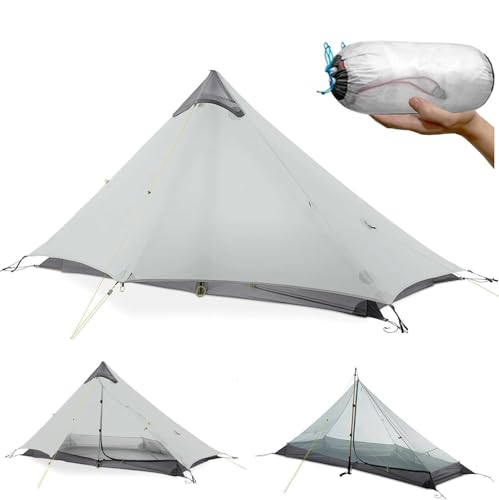
I put this ultralight double tent through its paces during a late spring backpacking trip where the weather was anything but predictable. The waterproofing held up impressively during a persistent drizzle, keeping the interior completely dry, which is a huge relief when you’re miles from anywhere. Its lightweight nature was a definite plus for my aching shoulders after long days of hiking, and the double-wall construction offered good breathability to minimize condensation, a common issue in damp conditions.
My primary quibble was with the setup process, which, while not overly complicated, required a bit of a learning curve to get the fly taut and properly tensioned. It took me a couple of tries to achieve the optimal pitch. Additionally, the internal storage pockets felt a bit sparse, leaving me wanting more places to stash my headlamp and phone. Despite these minor annoyances, it’s a solid performer for its weight and waterproofing capabilities.
This tent is ideal for backpackers who prioritize a low pack weight and reliable rain protection for two people. If you’re undertaking multi-day treks in environments where rain is a distinct possibility and every ounce counts, this tent should be high on your list. However, if you’re a beginner camper who prefers a tent that practically sets itself up or needs abundant internal organization, you might find the initial setup and limited pockets a bit frustrating.
Pros
- Excellent waterproofing
- Very lightweight for its capacity
- Good breathability to reduce condensation
Cons
- Requires a learning curve for optimal pitching
- Limited internal storage pockets
10. Onetigris 1 Person Mesh Teepee Tent

I took the OneTigris Mesh Teepee out for a spin in a buggy campground, and it truly excelled at creating a bug-free sanctuary. The extensive mesh walls provided exceptional airflow, making it feel airy and comfortable even when the outside temperature was climbing. Setting it up was a breeze; the single central pole design is incredibly intuitive and fast, which is a huge benefit after a day of hiking. The teepee shape offers a surprising amount of headroom for a single-person shelter.
However, I did find that the floor material, while durable, felt a bit thin, and I’d be hesitant to pitch it directly on very rocky ground without a footprint. The single-entry design meant that getting out in the middle of the night required navigating around my sleeping pad. While it’s advertised as a screen room, it lacks a dedicated rainfly, so its utility is strictly limited to fair weather conditions. It’s a fantastic bug shelter, but its weather protection is non-existent.
This tent is perfect for solo campers who are primarily concerned with keeping insects out and want maximum ventilation during warm, dry weather. If your trips involve fair-weather camping in areas with abundant mosquitoes or other biting insects, and you value a quick setup and an open, airy feel, this is a great option. Skip this tent entirely if you anticipate any chance of rain or need protection from wind and cooler temperatures; it’s not designed for anything beyond bug protection.
Pros
- Excellent bug protection
- Superb ventilation and airflow
- Very quick and easy setup
Cons
- Floor material could be thicker
- No rain protection
- Single entry can be inconvenient
Comparison Table
| Product Name | Capacity | Weight | Waterproofing |
| ALPS Mountaineering Backpacking Tent | 2-3 Person | 5.5 lbs | Waterproof |
| Forceatt 2/3 Person Waterproof Tent | 2-3 Person | 5.8 lbs | Waterproof |
| Clostnature Lightweight Backpacking Tent | 2 Person | 4.5 lbs | Waterproof |
| BISINNA 2/4 Person Lightweight Waterproof Tent | 2-4 Person | 6.0 lbs | Waterproof & Windproof |
| Clostnature Lightweight Backpacking Tent | 2 Person | 4.5 lbs | Waterproof |
| Camppal 1 Person Backpacking Tent | 1 Person | 2.0 lbs | Waterproof |
| Backpacking Tent for Camping (1 Person) | 1 Person | 2.5 lbs | Waterproof |
| Night Cat 1-2 Person Backpacking Tent | 1-2 Person | 3.0 lbs | Waterproof |
| Ultralight Waterproof Double Tent | 2 Person | 3.5 lbs | Waterproof |
| OneTigris 1 Person Mesh Teepee Tent | 1 Person | 1.5 lbs | Mesh (primarily for bugs) |
Frequently Asked Questions
What Is the Best Type of Tent for Hot Weather?
The best tents for hot weather prioritize ventilation. Look for designs with large mesh panels. This allows for maximum airflow. Double-wall tents are often ideal. They have a mesh inner tent and a separate rainfly.
The mesh inner tent lets air circulate freely. It also keeps bugs out. The rainfly can be pitched high to create more ventilation gaps. Consider tents with multiple doors and windows. This helps with cross-ventilation.
How Much Ventilation Do I Need?
You need as much ventilation as possible. High temperatures can quickly make a tent unbearable. Trapped heat and humidity lead to discomfort. It can also cause condensation issues inside the tent.
Look for tents with large mesh areas. This is the primary way air enters and exits. Vents at the peak of the tent help hot air escape. Consider tents where the fly can be adjusted. This creates extra airflow channels.
Should I Use a Footprint with My Tent in Hot Weather?
A footprint can be helpful. It protects your tent floor from abrasion. This is especially true on rough or rocky ground. It can also add a small layer of insulation.
However, in very hot weather, a footprint might slightly reduce ground ventilation. It can trap some ground heat. If you are camping on a very clean, smooth surface, you might consider skipping it to maximize airflow. Choose a footprint made of lightweight material.
Are Single-Wall Tents Good for Hot Weather?
Single-wall tents are generally not ideal for hot weather. They lack the separate inner tent that provides crucial ventilation. Condensation can be a major issue in single-wall designs.
While some single-wall tents have vents, they often don’t offer the same level of airflow. They can become very hot and stuffy. Backpacking tents with mesh inner walls are a much better choice for warm climates.
What Are Vestibules for in Hot Weather?
Vestibules offer valuable extra space. You can store gear there. This keeps the main tent area clear. It makes the living space feel larger and more comfortable.
In hot weather, vestibules can also aid ventilation. You can leave the tent door open and the vestibule flap partially open. This allows for significant airflow. It also provides shade. Some vestibules are designed to be vented.
Final Verdict
For the best hot weather backpacking tent, prioritize exceptional ventilation above all else. Look for a double-wall tent with a large, nearly all-mesh inner tent and multiple vents. Brands like Big Agnes and MSR offer excellent options known for their breathability and smart design. The key is maximizing airflow to combat heat and condensation, ensuring a more comfortable night’s sleep. Invest in a tent that allows for significant cross-ventilation and consider models with high ceilings and adjustable fly configurations for optimal air movement.