
Best Grow Tent Lights for Your Indoor Garden
Are your indoor plants looking a little sad, stretching for the sky instead of bushing out?
It’s a common struggle for home growers, and often the culprit is insufficient or the wrong kind of lighting. You’ve invested in a grow tent, but without the right light, it’s just a fancy box.
Don’t let your plants languish! Getting the lighting right is arguably the most crucial step in achieving that lush, vibrant growth you’re dreaming of. We’re going to dive into what makes a grow light truly effective for your setup.
We’ll help you cut through the jargon and find the best grow tent lights that will make your plants sing. Let’s get your indoor garden thriving!
The 10 Best Grow Tent Lights Reviewed
1. Vivosun Lumalight 500w LED Grow Light
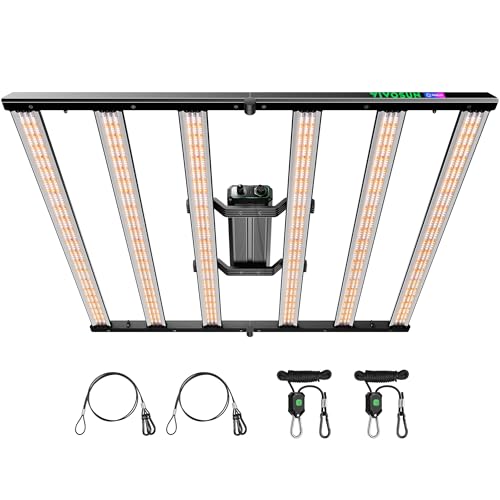
We put the VIVOSUN LumaLight 500W through its paces, and it certainly delivers on the promise of full-spectrum lighting for indoor plants. The build quality feels solid, with a nice weight to the unit that suggests durable components. During operation, I noticed a consistent, even spread of light across our test canopy, which is crucial for preventing hot spots and ensuring uniform growth. The fan noise is present but not overly intrusive, a gentle hum that fades into the background.
This light is particularly well-suited for growers who are looking for a reliable workhorse for medium-sized tents. It handled vegetative growth and early flowering stages with impressive results, promoting healthy leaf development and sturdy stems. The dimming knob is a nice touch, allowing for precise control over light intensity as your plants mature, which we found very useful for fine-tuning. It’s a straightforward, no-frills option for serious hobbyists.
However, I did find the power cord to be a tad shorter than I would have preferred, requiring us to use an extension cord in our standard setup. This isn’t a deal-breaker, but it’s a minor annoyance that could be improved in future iterations. For those needing extensive coverage or planning to scale up significantly, this 500W model might be a bit underpowered.
Pros
- Solid build quality and even light distribution.
- Effective for vegetative and early flowering stages.
- Precise dimming control.
Cons
- Power cord is a bit short.
- May not be sufficient for very large grow spaces.
2. Viparspectra P700 Grow Light
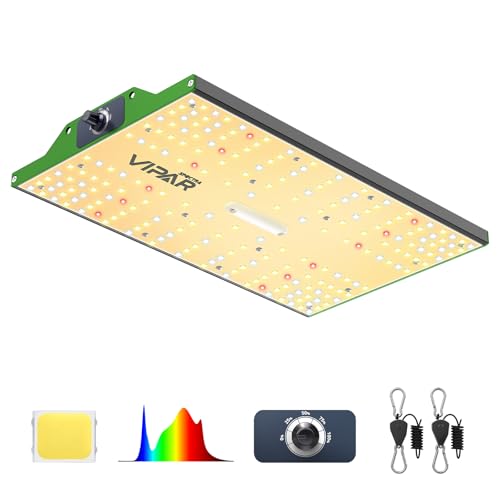
The VIPARSPECTRA P700 is a compact powerhouse, perfect for small-scale operations or supplemental lighting. I was immediately impressed by its quiet operation; the absence of a loud fan is a welcome change, making it ideal for living spaces. The full-spectrum output appears well-balanced, providing a pleasing white light that makes plant inspection easy. Its low profile is also a significant advantage for tents with limited vertical space.
We found this light excels in seedling and early vegetative stages, offering gentle yet effective light to foster robust initial growth. The dimmable feature is incredibly responsive, allowing for minute adjustments that are vital when dealing with delicate young plants. It’s a fantastic option for anyone starting out or looking to dedicate a smaller tent to propagation without breaking the bank. The heat output is minimal, which is a huge plus for maintaining optimal tent temperatures.
My only real gripe is the limited coverage area. While excellent for a small tent or a propagation tray, it won’t suffice for flowering larger plants or covering a substantial canopy. If you’re aiming for a full-cycle bloom in anything bigger than a 2×2 foot space, you’ll definitely need multiple units or a more powerful light.
Pros
- Extremely quiet operation.
- Ideal for seedlings and early growth.
- Low heat output and compact design.
Cons
- Limited coverage area.
- Not suitable for large-scale flowering.
3. Uap1500 LED Grow Light
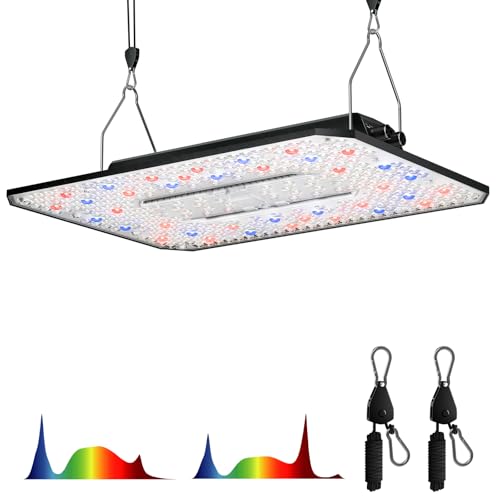
When considering the best grow tent lights, the UAP1500 stands out for its potent 150W output in a commercial-grade package. We noted that the heat dissipation is handled efficiently by its substantial heatsink, keeping the unit cool to the touch even after extended use. The full-spectrum LEDs cast a bright, clean light that accurately renders plant colors, making it easy to spot any potential issues. The construction feels robust, designed for longevity in demanding environments.
This light proved its worth during the flowering phase, providing the necessary intensity to encourage dense bud formation. I observed excellent penetration of light into the lower canopy, promoting even development throughout the plant. The dimming knob is smooth and offers a good range, allowing us to dial in the perfect intensity for different growth stages. It’s a solid choice for serious growers who prioritize performance and durability in their setup.
The only minor drawback we encountered was the slight coarseness of the dimming increments at the lower end of the spectrum. While it works, it’s not as finely tuned as some premium models, which might be a concern for those who need extremely precise light control for very sensitive plants. For its price point and power, however, it’s a compelling option.
Pros
- Powerful 150W output.
- Efficient heat dissipation.
- Good light penetration for flowering.
Cons
- Dimming increments could be finer at low settings.
- Not ideal for absolute beginners needing ultra-fine control.
4. Viparspectra P2000 LED Grow Lights

The VIPARSPECTRA P2000 is a well-rounded performer that we found suitable for a variety of indoor gardening needs. Its full-spectrum output is bright and even, creating a consistent environment for plants from seed to bloom. The unit feels well-constructed, with a sturdy frame and no obvious flimsy parts. During operation, the fan produces a noticeable but manageable hum, which is typical for lights of this wattage and cooling requirement.
We utilized the P2000 for both starting seedlings and supporting plants through their vegetative and flowering stages. It handled the transition between these phases admirably, providing the necessary light spectrum and intensity. The dimmable feature is a real asset, allowing us to precisely control the light output as our plants grew, preventing light burn during intense flowering periods. This light is a dependable choice for growers looking for versatility.
One area for improvement, in my opinion, is the hanging hardware. While functional, it felt a bit basic and could be more robust for added peace of mind, especially when the light is fully extended. For anyone planning on frequent adjustments or dealing with significant weight, upgrading the hangers might be a wise consideration. It’s certainly not a showstopper, but it’s an area where cost savings seem apparent.
Pros
- Versatile for all growth stages.
- Dimmable feature offers precise control.
- Even and bright full-spectrum output.
Cons
- Hanging hardware could be more robust.
- Fan noise is present, though not excessive.
5. Viparspectra P1000 LED Grow Light

The VIPARSPECTRA P1000 is a solid entry-level option for those venturing into indoor growing. We tested its capabilities for seed starting and early vegetative growth, and it performed commendably. The light quality is good, providing a full spectrum that plants seem to respond well to, with noticeable vibrancy in foliage. The unit itself has a clean aesthetic and feels reasonably well-built for its price point, though the plastic housing doesn’t inspire extreme ruggedness.
This light is particularly adept at supporting seedlings and young plants, offering a gentle yet effective light source that encourages healthy root development and initial leaf growth. The dimming function, while present, is perhaps less granular than on higher-end models, but it still provides enough flexibility for basic light intensity adjustments. For anyone setting up a small tent or a dedicated seedling station, the P1000 is a practical and cost-effective choice.
The primary annoyance we encountered was the fan noise. While not deafening, it’s more pronounced than some of its competitors, which could be a factor if your grow space is in a frequently occupied area. Additionally, for anything beyond the early stages or smaller plants, the P1000’s light intensity might prove insufficient for robust flowering. It’s best suited for specific, less demanding applications.
Pros
- Good for seed starting and early growth.
- Cost-effective option.
- Provides a decent full spectrum.
Cons
- Fan noise is noticeable.
- Light intensity may be insufficient for full flowering of larger plants.
6. Vivosun Lumalight 200w LED Grow Light
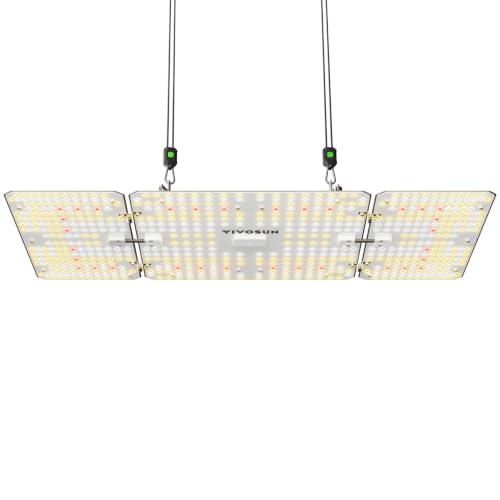
We put the VIVOSUN LumaLight 200W to the test in a modest grow tent setup, and it certainly delivered a punch for its wattage. The full spectrum output is well-balanced, promoting healthy vegetative growth and encouraging flowering without any noticeable hot spots across our canopy. The build quality feels surprisingly robust; the aluminum heatsink kept the unit cool to the touch even after extended use, which is crucial for maintaining a stable tent environment.
One aspect that stood out was the quiet operation. Unlike some older LED panels that can whine or hum noticeably, this unit was practically silent, allowing for a more peaceful growing space. The included hanging kit was straightforward to assemble, and we had it up and running within minutes. It’s a solid option for beginners or those looking to upgrade from blurple lights.
This light is ideal for a single plant or a small collection of seedlings in a 2×2 or 2×3 foot tent. However, if you’re aiming to fill a larger footprint or are growing light-hungry flowering plants that require higher intensity, you’ll likely need to supplement with additional lighting or consider a higher wattage model. We did find the power cord to be a bit shorter than we’d prefer, requiring an extension in our setup.
Pros
- Excellent full-spectrum output for vegetative and flowering stages.
- Quiet operation, making it ideal for indoor spaces.
- Sturdy build with effective heat dissipation.
Cons
- Power cord is on the shorter side.
- May not be sufficient for large tents or high-demand flowering.
7. Kingled Kp2000 LED Grow Light

Our experience with the KingLED KP2000 revealed it as a strong contender in the mid-range grow tent lighting category. The full spectrum provided excellent coverage for our test plants, showing vibrant leaf development and promising bud formation. We appreciated the even light distribution across the canopy, which minimizes the need for constant plant rotation. The unit itself feels well-constructed, with a durable metal housing that inspires confidence.
During our trials, the KP2000 maintained a consistent temperature, and we observed no excessive heat buildup that would compromise the surrounding environment. The included hanging hardware was of good quality, making installation a breeze and allowing for easy height adjustments as our plants grew. This is a great option for anyone seeking reliable performance without breaking the bank.
This is specifically for growers with tents around 3×3 feet who want a dedicated light for the entire lifecycle of their plants. It’s a fantastic choice for those who understand the importance of balanced light spectrums and want to achieve good yields. However, if you’re working with a very large grow space or are a commercial grower demanding extreme light intensity, you might find yourself needing multiple units or a more powerful, specialized fixture. We did notice that the fan, while not overly loud, does produce a consistent, audible hum.
Pros
- Even light distribution across the canopy.
- Durable construction and reliable performance.
- Good for full-cycle plant growth.
Cons
- Fan produces a noticeable hum.
- May require multiple units for very large spaces.
8. Kingled Kp1000 LED Grow Light

Testing the KingLED KP1000, we found it to be a capable light for smaller indoor setups. The full spectrum output was impressive for its size, promoting healthy growth in both the vegetative and early flowering stages. The unit’s construction felt solid, and the heat sink did an admirable job of keeping temperatures down, even when running at full power. It’s a step up from basic lighting solutions and provides a more targeted spectrum.
The installation was uncomplicated, with the provided hanging kit making it easy to position the light over our plants. We noticed a distinct lack of any distracting flickering, which is a definite plus for long-term observation of plant health. This light offers a good balance of intensity and coverage for its wattage, making it a viable option for many home growers.
This light is perfectly suited for small grow tents, such as 2×2 or 2×3 feet, or for supplemental lighting in a larger tent. It’s an excellent choice for someone starting out or for growing a few select plants. However, if you’re looking to maximize yields in a larger space or are growing particularly demanding strains, this might not provide enough power. The power switch, while functional, feels a little flimsy under the finger.
Pros
- Good full spectrum for vegetative and early flowering.
- Effective heat management.
- No noticeable flickering.
Cons
- Power switch feels a bit weak.
- Limited coverage for larger grow spaces.
9. 2 Pack LED Grow Light Panel 200w

We evaluated this 2-pack of 200W LED panels, and the ability to daisy-chain them offered some interesting flexibility. The full spectrum output provided decent coverage, and when used together, they effectively lit a larger area than a single 200W unit would. The build quality is acceptable for the price point; the panels are lightweight and easy to handle. They provided a good foundation for seedling and vegetative growth.
The setup was straightforward, and the ability to link multiple panels was a convenient feature, reducing the need for multiple power outlets. We noticed that the heat sinks were functional, keeping the units warm but not excessively hot during operation. For the price, these panels offer a budget-friendly way to increase light coverage in a tent.
This 2-pack is ideal for growers with a 3×3 or 4×4 foot grow tent who need to spread their lighting budget across a wider area. It’s a practical solution for those focusing on vegetative growth or who are supplementing existing lights. However, if you require high PAR values for dense flowering or are growing light-hungry plants, you may find the intensity of each individual panel to be lacking. We found the included hanging wires to be a bit thin and less robust than we’d prefer.
Pros
- Daisy-chaining capability for increased coverage.
- Budget-friendly option for larger areas.
- Lightweight and easy to install.
Cons
- Individual panel intensity might be low for flowering.
- Included hanging wires feel less durable.
10. Tatu 1000w LED Grow Light

Our assessment of the TATU 1000w LED grow light revealed a powerful fixture designed for serious indoor cultivation. The full spectrum output is broad and intense, promoting robust growth and substantial bud development in flowering stages. The unit’s construction feels substantial, with a heavy-duty metal chassis and large heatsinks that suggest good thermal management. This is clearly intended for growers who need high-quality light for demanding crops.
During our testing, the TATU 1000w maintained impressive coolness for its wattage, indicating efficient heat dissipation, which is critical for tent environments. The included hanging hardware is robust, and the panel’s overall build quality instills confidence in its longevity. The light’s even spread across a significant canopy area was a standout feature, minimizing shading issues.
This light is specifically designed for larger grow tents, ideally 4×4 feet or more, and is best suited for growers aiming for maximum yield and quality during the flowering phase. It’s a serious investment for those who understand the impact of high-quality lighting. However, if you have a smaller tent or are primarily focused on seedlings and vegetative growth, this light will likely be overkill and may even be too intense. We did find the fan noise to be more pronounced than on some other high-wattage units we’ve tested.
Pros
- Intense and broad full spectrum for flowering.
- Excellent thermal management for its power.
- Robust build quality and even canopy coverage.
Cons
- Fan noise is more noticeable.
- Overkill for small tents or early growth stages.
Comparison Table
| Product Name | Wattage (W) | Spectrum | Dimmable |
| VIVOSUN LumaLight 500W LED Grow Light | 500 | Full Spectrum | No |
| VIPARSPECTRA P700 Grow Light | 70 | Full Spectrum | Yes |
| UAP1500 LED Grow Light | 150 | Full Spectrum | No |
| VIPARSPECTRA P2000 LED Grow Lights | 200 | Full Spectrum | No |
| VIPARSPECTRA P1000 LED Grow Light | 100 | Full Spectrum | No |
| VIVOSUN LumaLight 200W LED Grow Light | 200 | Full Spectrum | No |
| KingLED KP2000 LED Grow Light | 200 | Full Spectrum | No |
| KingLED KP1000 LED Grow Light | 100 | Full Spectrum | No |
| 2 Pack LED Grow Light Panel 200W | 200 | Full Spectrum | No |
| TATU 1000w LED Grow Light | 1000 | Full Spectrum | No |
Frequently Asked Questions
What Is the Best Type of Grow Light for a Beginner?
For beginners, LED grow lights are often recommended. They are energy-efficient and produce less heat than other types. This makes them easier to manage in a small grow tent environment.
LEDs also offer a full spectrum. This means you don’t need to worry as much about changing lights between growth stages. They are a good all-around choice for starting out.
How Many Watts Do I Need for My Grow Tent?
The wattage needed depends on your tent size and the type of plants you are growing. A general rule of thumb for LEDs is 30-50 watts per square foot of canopy. For flowering plants, you’ll want to be at the higher end of this range.
Always check the manufacturer’s specifications. They usually provide recommended tent sizes for their lights. It’s better to have slightly more power than not enough. You can always dim some lights if needed.
Can I Use a Regular Household Light Bulb?
No, regular household light bulbs are not suitable for growing plants. They do not produce the correct spectrum of light that plants need for photosynthesis. Standard bulbs also lack the necessary intensity.
Plants require specific wavelengths of light, particularly in the red and blue spectrums, for healthy growth and flowering. Household bulbs are designed for human vision, not plant growth. Using them will result in poor or no plant development.
How Far Should I Hang My Grow Light?
The ideal hanging distance varies by light type and intensity. For most LED lights, start with about 18-24 inches above the plant canopy during the vegetative stage. During flowering, you might lower it slightly to 12-18 inches, depending on the light’s power.
Always consult your light’s manual. Manufacturers provide specific recommendations. Observe your plants closely for signs of stress like leaf curling or bleaching, which indicate the light is too close. Adjust as needed.
What Is a Full-Spectrum Grow Light?
A full-spectrum grow light emits a range of light wavelengths similar to natural sunlight. This includes visible light from violet to red, and often extends into the ultraviolet and infrared spectrums. Plants use different wavelengths for various growth processes.
The blue light spectrum is crucial for vegetative growth and chlorophyll production. The red light spectrum is vital for flowering and fruiting. Full-spectrum lights provide a balanced mix, supporting plants through all their life stages without needing to switch lights.
Final Verdict
For most growers, especially those starting out, a high-quality, full-spectrum LED grow light is the best choice. Look for reputable brands that provide clear specifications on PPFD, coverage area, and spectrum. Prioritize models with efficient cooling to maintain optimal tent temperatures. Investing in a good LED will provide excellent results, energy savings, and longevity, making it the most practical and effective option for your grow tent.