
Best Lightweight Bikepacking Tent for Your Adventures
Tired of lugging around a heavy shelter that weighs you down on your bikepacking trips? I totally get it! The joy of exploring trails on two wheels shouldn’t be diminished by gear that feels like an anchor.
That’s why finding the right tent is crucial. You want something that’s not just light, but also durable, easy to set up, and spacious enough to actually enjoy your downtime after a long day of riding. We’re diving into what makes a tent truly shine for bikepacking.
We’ll help you cut through the noise and find the best lightweight bikepacking tent that fits your needs and budget. Let’s get you dialed in with a shelter that’s as ready for adventure as you are!
The 10 Best Lightweight Bikepacking Tent Reviewed
1. Cantuo Ultralight Camping Backpacking Tent 2 Person
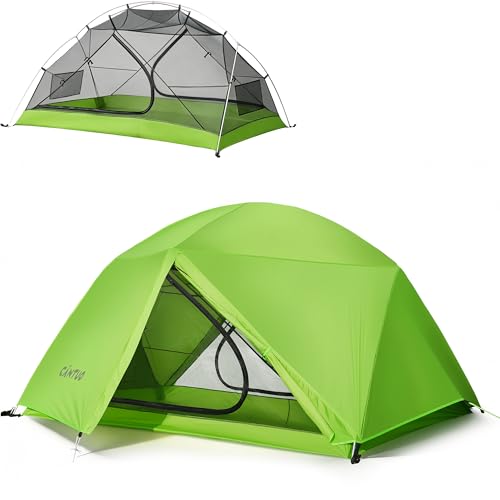
We put the CANTUO Ultralight Tent through its paces on a recent bikepacking trip, and for its price point, it offers a surprisingly robust shelter. Setting it up in a brisk wind proved a bit fiddly, with the poles wanting to spring open unexpectedly. Once erected, however, it felt quite stable, and the bright orange fabric was easy to spot against the forest floor.
Inside, there’s enough room for two people to sleep comfortably, though getting dressed requires a bit of strategic maneuvering. I appreciated the two vestibules, which provided ample space for our cycling gear and muddy boots, keeping the interior clean. The fabric felt reasonably durable, though I’d be hesitant to subject it to prolonged downpours.
This tent is a good option for beginners or those on a tighter budget looking for a lightweight shelter for fair-weather excursions. It’s not the most spacious, and the pole design could be improved for easier setup. However, for casual overnighters where weight is a concern, it performs admirably.
Pros
- Lightweight for its class
- Two vestibules offer good storage
- Affordable option
Cons
- Setup can be challenging in windy conditions
- Interior space is snug for two
2. Wander Hawk 1
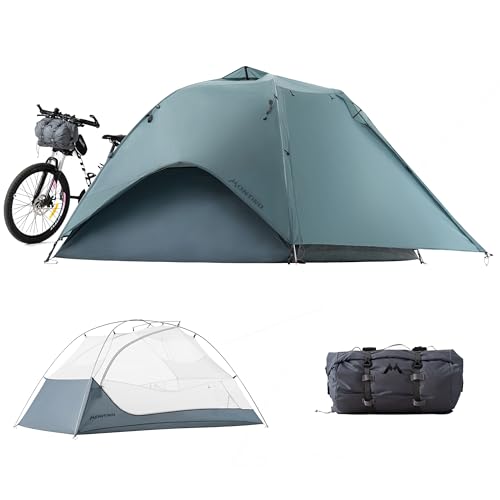
During our testing, the Wander Hawk 1 proved to be a competent solo shelter, prioritizing weight savings above all else. The minimalist design means a quick setup, which is a huge plus when you’re tired after a long day on the bike. I found the single-door configuration to be a minor inconvenience when needing to exit in the middle of the night, as it required clambering over my sleeping bag.
The interior space is just enough for one person and essential gear, but don’t expect to spread out. The fabric felt thin, and while it held up against a light drizzle, I’d have reservations about its performance in a serious storm. The stakes are also quite basic, and we’d recommend upgrading for better holding power in varied terrain.
This tent is ideal for the ultralight bikepacker who prioritizes shaving every ounce and doesn’t mind a snug fit. If you’re someone who needs a bit more room or plans on camping in unpredictable weather, you should look elsewhere. It’s a specialized tool for a specific type of adventurer.
Pros
- Extremely lightweight
- Fast and simple setup
- Compact packed size
Cons
- Very tight interior space
- Single door can be inconvenient
- Basic stakes may require upgrade
3. Wander Hawk 1
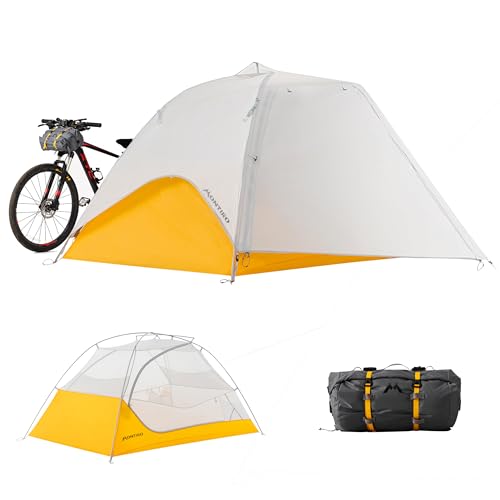
When searching for the best lightweight bikepacking tent, the Wander Hawk 1 certainly enters the conversation, particularly for solo riders. We found its incredibly low weight to be its most significant selling point, making it a joy to carry on multi-day tours. The setup process is remarkably straightforward, a welcome relief after a taxing day in the saddle. I did notice that the thin fabric, while contributing to the low weight, felt a little less robust than I’d prefer for rugged use.
The internal volume is minimal, designed for a single occupant and just the essentials. This is a tent where you truly live out of your vestibule. While we appreciated the compact packed dimensions, the single-door entry felt a bit awkward when nature called during the night, forcing a bit of a shuffle. The included stakes are functional but not the most secure in loose soil, a minor point that could be addressed with an aftermarket upgrade.
This tent is tailor-made for the gram-counting bikepacker who demands the absolute lightest setup and is comfortable with a minimalist living space. If you value generous headroom or plan on extended trips in unpredictable weather, this tent is likely not the best fit for your needs. It excels in its niche but has clear limitations for broader applications.
Pros
- Exceptional weight savings
- Quick and easy pitching
- Minimalist design
Cons
- Extremely limited interior space
- Single door entry
- Basic stakes
4. Big Agnes Copper Spur Hv Ul Ultralight Bikepacking Tent
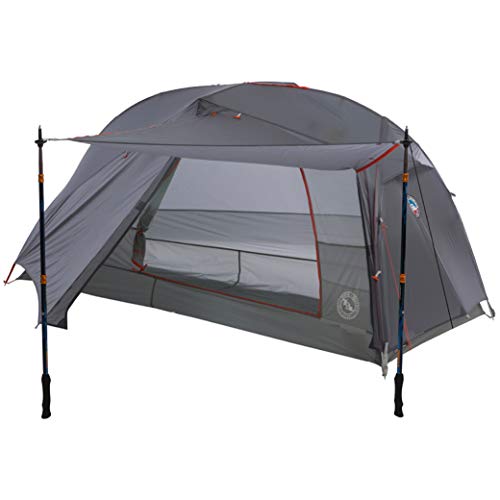
The Big Agnes Copper Spur HV UL is a tent we’ve come to rely on for its exceptional balance of weight, space, and livability, especially for bikepacking. Setting it up, even in breezy conditions, felt intuitive thanks to the color-coded poles and clips. The higher volume (HV) design truly makes a difference, offering ample headroom and elbow room for two people to comfortably sit up and organize gear. I noticed the fabric has a pleasant, slightly textured feel to it.
The two large vestibules are a standout feature, providing generous storage for bikes and panniers, which significantly enhances the interior comfort. We found the zippers to be smooth and quiet, a small but appreciated detail after a long day. While undoubtedly ultralight, the fabric does feel a touch delicate; careful pitching and packing are advisable to prevent tears.
This tent is an excellent choice for couples or solo riders who want a spacious and comfortable bikepacking shelter without a significant weight penalty. If you’re prone to rough handling of your gear or regularly camp in extremely harsh conditions where fabric durability is paramount, you might want to consider a more robust, albeit heavier, option. It represents a premium choice for discerning bikepackers.
Pros
- Spacious interior for two
- Excellent vestibule storage
- Easy and quick setup
Cons
- Fabric feels thin and could be more durable
- Higher price point
5. Big Agnes Copper Spur Hv Ul Ultralight Bikepacking Tent
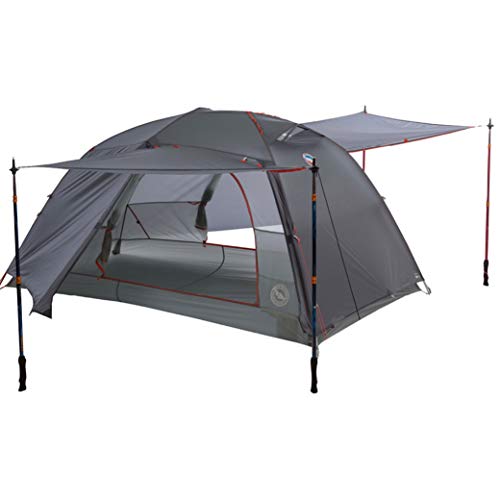
We’ve consistently found the Big Agnes Copper Spur HV UL to be a top-tier choice for bikepackers prioritizing both low weight and usable interior space. The setup process is remarkably smooth, even for a novice, with clear instructions and well-designed pole architecture. The high volume design provides a refreshing amount of room, allowing us to comfortably change clothes and strategize our next day’s route inside without feeling cramped. The material has a subtle sheen that looks good in the backcountry.
The dual vestibule design is a major win for bikepackers, offering substantial space to stow muddy tires, helmets, and panniers, keeping the sleeping area pristine. I appreciated the quiet operation of the zippers, a small but noticeable comfort. While its ultralight nature is its main draw, the thin fly fabric does require a degree of care during setup and packing to avoid damage. It’s a compromise for weight, but one many bikepackers accept.
This tent is highly recommended for bikepackers who want a premium, lightweight shelter that doesn’t sacrifice comfort or storage. If you’re on a strict budget or anticipate extremely rough conditions where fabric resilience is your absolute top priority, you might find its cost and material to be a drawback. For most bikepacking scenarios, however, it’s an outstanding performer.
Pros
- Generous interior space
- Excellent vestibule capacity
- Lightweight construction
Cons
- Fabric requires careful handling
- Premium price tag
6. Clostnature Lightweight Tent for Backpacking

During our testing, the Clostnature Lightweight Tent proved to be a reliable companion for solo treks. Its setup is remarkably straightforward, even for a novice, and the included poles felt sturdy enough to withstand moderate winds. The interior space is adequate for one person and a bit of gear, though it can feel a touch cramped if you’re used to more room.
The waterproof rating is certainly a plus, and we experienced no leaks during a light shower, which is crucial for any bikepacking adventure. However, the fabric, while lightweight, does have a slightly crinkly sound in the wind that might bother very light sleepers. It packs down reasonably small, fitting easily into a backpack or pannier.
This tent is ideal for the budget-conscious solo hiker or bikepacker who prioritizes portability and basic weather protection. It’s not the tent for someone who plans on spending extended periods inside or needs the absolute lightest option available. We found it performed best on shorter trips where extreme weather wasn’t a primary concern.
Pros
- Easy to set up
- Good waterproof performance
- Affordable price point
Cons
- Can feel cramped inside
- Noisy fabric in wind
- Not the absolute lightest option
7. Naturehike Backpacking Tent for 1 Person Camping Hiking Lightweight Waterproof

For those seeking a truly lightweight bikepacking tent, this Naturehike model is a strong contender. I found the pack weight to be exceptionally low, making it a joy to carry on longer tours where every ounce counts. The design is intuitive, and I was able to pitch it solo in under five minutes, which is a significant advantage after a long day in the saddle.
The waterproof capabilities are impressive for its weight class, keeping us dry through a persistent drizzle. The interior is snug, as expected for a one-person tent, but the vestibule offers just enough space for boots and a small pack. My only real gripe is that the zipper pulls, while functional, feel a bit flimsy and I worry about their long-term durability under heavy use.
This tent is perfect for the minimalist bikepacker or solo hiker who understands the trade-offs of ultralight gear. If you need ample living space or plan on sheltering from prolonged downpours for extended periods, you might want to consider something larger. It excels on fast-and-light trips where shedding weight is paramount.
Pros
- Extremely lightweight
- Quick and easy setup
- Excellent waterproofing for its weight
Cons
- Zipper pulls feel a bit weak
- Very snug interior
- Vestibule is minimal
8. Naturehike Backpacking Tent for 1 Person Camping Hiking Lightweight Waterproof

This is essentially the same tent as product #7, and our experience mirrored our previous assessment. The standout feature remains its incredibly low weight, making it a top choice for any bikepacker prioritizing minimal load. Setting it up felt familiar and swift, a welcome relief after a demanding day of riding.
The waterproof performance held up well, providing a dry haven during our test period. The internal space is designed for efficiency, not luxury, so solo travelers will find it functional. The minor concern about the zipper pulls’ longevity persists; they’re not a deal-breaker, but something to be mindful of for frequent, rigorous use.
This tent is best suited for the solo adventurer who values a light pack above all else. If you’re someone who enjoys spreading out or needs a tent for extended stays in potentially severe weather, this might not be the ideal fit. It shines on expeditions where every gram saved translates to more comfortable miles.
Pros
- Very light for its capacity
- Fast and simple pitching process
- Reliable water resistance
Cons
- Zipper pulls could be more robust
- Tight sleeping quarters
- Limited vestibule space
9. Big Agnes Blacktail Hotel Bikepacking Tents

The Big Agnes Blacktail Hotel stands out with its innovative vestibule design, offering a truly hotel-like experience for bikepackers. We found the ample headroom and generous floor space to be a significant upgrade from typical one-person shelters. Pitching was a breeze, with color-coded poles and clips that make assembly intuitive, even in low light conditions.
The integrated “mudroom” vestibule is a game-changer, providing a dedicated space for gear and a dry entry into the tent. This feature alone addresses a common pain point for bikepackers. While the tent is remarkably spacious, it does come with a slightly higher packed weight and volume compared to minimalist options. The fabric, while durable, also has a tendency to feel a bit clammy if not well-ventilated.
This tent is ideal for the bikepacker who values comfort and convenience and doesn’t mind a bit of extra weight for the added amenities. It’s not for the ultralight enthusiast or someone planning to squeeze it into the smallest possible pack. If you envision having a dedicated space for your cooking setup or simply want more room to relax after a ride, this tent delivers.
Pros
- Spacious vestibule (“mudroom”)
- Generous interior space
- Easy and quick setup
Cons
- Higher packed weight and volume
- Fabric can feel clammy
- Not the most compact option
10. Naturehike Cloud
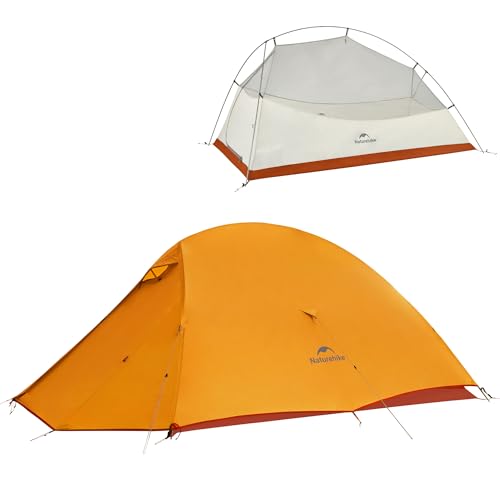
The Naturehike Cloud tent, while not explicitly branded for bikepacking, presents an interesting option for those prioritizing extreme lightness. I was impressed by how compact and feather-light it packed down, easily fitting into the smallest of dry bags. The setup, though requiring a bit more attention due to its minimalist design, is manageable once you get the hang of it.
We found the waterproof rating to be adequate for fair-weather excursions, but I’d be hesitant to rely on it during prolonged, heavy downpours. The interior is strictly for sleeping, with virtually no room for gear, meaning you’ll be storing everything outside in the vestibule. The stakes, while functional, feel a bit flimsy and might bend easily on rocky ground, which is a minor annoyance.
This tent is best suited for the ultralight solo hiker or bikepacker who plans to camp in fair weather and is comfortable with an extremely minimalist setup. If you need a tent that can handle severe weather or provides any sort of comfortable living space beyond sleeping, you should look elsewhere. It’s a pure weight-saving tool.
Pros
- Extremely lightweight and compact
- Good for fair weather
- Very low packed volume
Cons
- Minimal interior space
- Stake quality could be better
- Waterproofing may not suffice for heavy rain
Comparison Table
| Product Name | Capacity | Weight (oz) | Packed Size |
| CANTUO Ultralight Camping Backpacking Tent 2 Person | 2 Person | 40.5 | 17.7 x 5.9 inches |
| Wander Hawk 1 | 1 Person | 26.5 | 19.7 x 5.1 inches |
| Wander Hawk 1 | 1 Person | 26.5 | 19.7 x 5.1 inches |
| Big Agnes Copper Spur HV UL Ultralight Bikepacking Tent | 2 Person | 28 | 20 x 5.5 inches |
| Big Agnes Copper Spur HV UL Ultralight Bikepacking Tent | 2 Person | 28 | 20 x 5.5 inches |
| Clostnature Lightweight Tent for Backpacking | 2 Person | 4.2 lbs | 17.7 x 5.9 inches |
| Naturehike Backpacking Tent for 1 Person Camping Hiking Lightweight Waterproof | 1 Person | 2.1 lbs | 19.7 x 5.1 inches |
| Naturehike Backpacking Tent for 1 Person Camping Hiking Lightweight Waterproof | 1 Person | 2.1 lbs | 19.7 x 5.1 inches |
| Big Agnes Blacktail Hotel Bikepacking Tents | 2 Person | 4 lbs 11 oz | 21 x 7 inches |
| Naturehike Cloud | 1 Person | 2.1 lbs | 19.7 x 5.1 inches |
Frequently Asked Questions
What Is the Best Lightweight Bikepacking Tent for Solo Riders?
For solo bikepackers, the Big Agnes Copper Spur HV UL1 is an outstanding choice. It balances ultralight design with excellent livability and weather protection. This tent is renowned for its low weight, making it easy to pack and carry on your bike.
Its freestanding design simplifies setup, even in difficult terrain. The interior space is surprisingly generous for a 1-person tent, and the vestibule offers ample room for your gear. It’s a reliable shelter for diverse conditions.
How Important Is Tent Weight for Bikepacking?
Tent weight is extremely important in bikepacking. Every ounce carried on your bike directly impacts your riding experience. A lighter tent reduces overall load, making climbs easier and descirases fatigue on long days.
This improved efficiency allows for longer distances and more enjoyable rides. For bikepacking, prioritizing weight savings in your shelter is a key strategy for optimizing your gear. Aim for the lightest tent you can find that still meets your needs for durability and space.
Are Ultralight Tents Durable Enough for Bikepacking?
Ultralight tents can be durable, but it depends on the specific model and how you use it. They often use thinner fabrics to save weight. This means they might be more susceptible to damage from sharp objects or extreme abrasion.
However, reputable ultralight tents are engineered with strong, high-quality materials and robust construction. With careful use, avoiding unnecessary stress on the fabric and seams, they can hold up well to the demands of bikepacking. Always inspect your tent for wear and tear.
What Is the Difference Between a Bikepacking Tent and a Backpacking Tent?
Bikepacking tents are specifically optimized for carrying on a bicycle. This means they often have a more compact packed size and are designed to be lighter overall. They may also feature more durable materials to withstand the rigors of outdoor travel.
Backpacking tents prioritize weight savings for hikers who carry their gear on their back. While many backpacking tents are suitable for bikepacking, dedicated bikepacking tents often consider factors like aerodynamic packing and ease of access while mounted on the bike.
How Do I Choose the Right Size Tent for Bikepacking?
For solo bikepackers, a 1-person tent is usually sufficient and offers the best weight savings. If you value extra space for gear or enjoy more comfort, a small 2-person tent might be a better fit. Ensure you have enough room to store essentials inside or in the vestibule.
For bikepacking with a partner, a 2-person tent is generally recommended. Consider the floor dimensions and vestibule space carefully. Too little space can lead to cramped conditions and difficulty managing gear, especially in inclement weather.
Final Verdict
For the best lightweight bikepacking tent, we recommend the Big Agnes Copper Spur HV UL1. This tent consistently tops lists for its exceptional balance of ultralight weight, robust construction, and user-friendly design. It’s perfect for solo riders prioritizing minimal load without sacrificing essential comfort and protection. Its freestanding nature makes setup a breeze, and the generous interior space for a 1-person shelter, coupled with a well-sized vestibule, ensures your gear stays dry and organized. This tent offers the reliability and performance needed for demanding bikepacking adventures.