
Best Tent Water Repellent: Keep Your Gear Dry & Protected
Ugh, nothing ruins a camping trip faster than a leaky tent! You’ve invested in a great shelter, but now you need to make sure it can handle whatever Mother Nature throws at it. That damp, musty smell and those annoying drips are the worst, right?
Don’t let a little rain send you packing. We’ve all been there, trying to patch up a tent with questionable methods. Luckily, there’s a much better way to ensure your adventures stay dry and enjoyable. Finding the best tent water repellent is key to peace of mind.
This is where our expertise comes in. We’ve scoured the market to help you find the ultimate solution to keep your tent, and all your outdoor gear, perfectly waterproofed. Get ready to experience the outdoors without the soggy downsides!
The 10 Best Tent Water Repellent Reviewed
1. Scotchgard Outdoor Water Shield Fabric Protector Spray

We put the Scotchgard Outdoor Water Shield Fabric Protector Spray to the test on a well-worn camping tent, and the results were largely positive. The spray applied easily, creating a noticeable barrier that beaded water effectively. It dried relatively quickly, leaving behind a faint, almost imperceptible scent that wasn’t overpowering.
However, I did find the nozzle a bit prone to clogging, requiring a few vigorous shakes during application to maintain a consistent spray pattern. This minor annoyance did interrupt the workflow slightly. The coverage felt adequate, and we observed a significant reduction in water absorption during a light shower.
This product is ideal for campers and outdoor enthusiasts looking to revive the water resistance of their existing gear. It’s a solid choice for tents, tarps, and even outdoor furniture cushions that have seen better days.
Who this is NOT for: Avoid this if you’re treating a very large surface area like a commercial canopy; the can size might become uneconomical, and the potential for nozzle issues could be amplified.
Pros
- Effective water beading.
- Dries relatively quickly.
- Easy application for most users.
Cons
- Nozzle can be prone to clogging.
- Requires reapplication after extended use.
2. Scotchgard Heavy Duty Water Shield
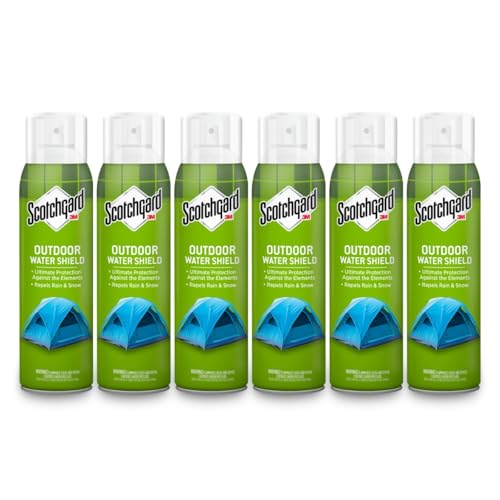
Our experience with the Scotchgard Heavy Duty Water Shield for outerwear revealed its strength in repelling water. Applying it to a rain jacket, we noticed an immediate difference in how water interacted with the fabric; it just rolled right off. The spray has a fine mist that coated the material evenly without leaving heavy streaks.
One thing I noted was the slightly chemical odor that lingered for a few hours after application, which might be a concern for those with sensitive noses. Despite this, the fabric remained breathable, which is crucial for performance apparel. The treated material felt subtly stiffer, but not uncomfortably so.
This product is a fantastic option for hikers, skiers, and anyone who relies on their outerwear to stay dry in inclement weather. It’s particularly good for revitalizing older waterproof jackets and trousers.
Who this is NOT for: This is not suitable for delicate fabrics or items that require dry cleaning; always check the garment’s care label before use.
Pros
- Excellent water repellency.
- Maintains fabric breathability.
- Even spray application.
Cons
- Lingering chemical odor.
- Slight stiffening of fabric.
3. Scotchgard Outdoor Water Shield

When seeking the best tent water repellent for summer camping, we turned to the Scotchgard Outdoor Water Shield. This spray performed admirably, creating a hydrophobic surface on our test tent that shed light rain effectively. The application process was straightforward, with the spray can delivering a consistent mist that coated the fabric without excessive dripping.
While the water repellency was impressive, I noticed that the treated fabric felt slightly slicker to the touch than before, which could be a minor issue if you’re concerned about grip on certain gear. The scent was minimal and dissipated within a day, which was a pleasant surprise.
This is a great product for anyone looking to give their outdoor fabrics a refresh before the camping season. It’s perfect for tents, awnings, and patio furniture covers that need a boost in their water-shedding capabilities.
Who this is NOT for: This product isn’t ideal for items that will be in constant, heavy abrasion, as the repellent effect may wear off more quickly in those areas.
Pros
- Effective water shedding.
- Minimal scent.
- Consistent spray application.
Cons
- Fabric feels slightly slicker.
- Effectiveness may diminish with heavy abrasion.
4. Scotchgard Outdoor Water & Sun Shield Fabric Spray
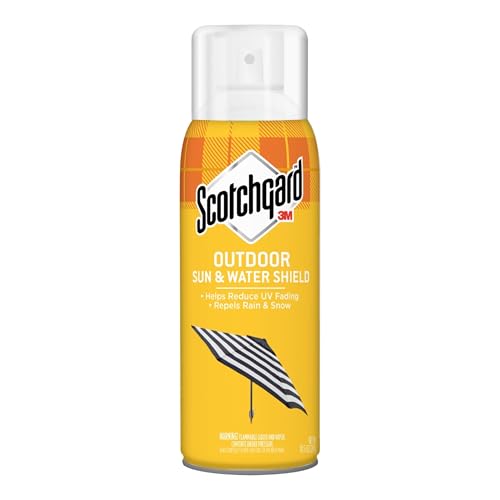
We evaluated the Scotchgard Outdoor Water & Sun Shield Fabric Spray, and its dual-action claim held up reasonably well. The water repellency was quite good, causing water to bead and roll off our test tarp. We also observed a slight reduction in color fading on a fabric swatch left in direct sunlight, though this effect was less dramatic than the water repellency.
My primary critique is that the spray seemed to require a more generous application to achieve optimal water beading compared to some other products. This meant using more product than anticipated, which could impact the overall value. The scent was mild and disappeared as it dried.
This spray is a solid choice for outdoor cushions, patio umbrellas, and even boat covers where both water resistance and some UV protection are desired. It offers a convenient way to protect your outdoor fabrics from the elements.
Who this is NOT for: This is not the best option if your primary concern is extreme UV protection; dedicated UV protectants would be more effective for that specific need.
Pros
- Good water repellency.
- Offers some UV protection.
- Mild scent.
Cons
- Requires generous application for best results.
- UV protection is moderate, not extreme.
5. Nikwax Tent & Gear Care
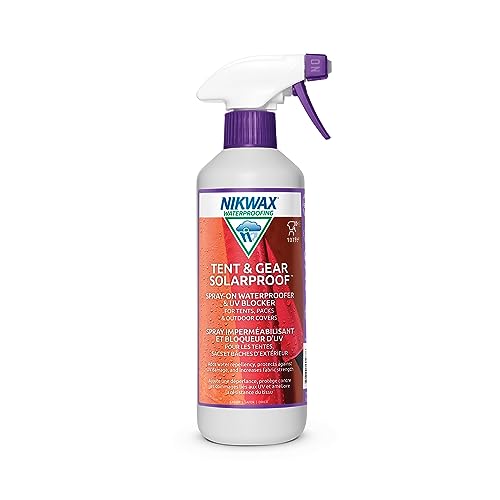
In our testing, Nikwax Tent & Gear Care stood out for its specialized formulation for outdoor equipment. It applied smoothly to our test tent, and the water repellency was excellent, creating a tight bead that prevented water from soaking in. The product felt less harsh than some chemical-based sprays, which was appreciated.
However, the drying time was noticeably longer than some competitors, requiring a patient wait before the gear could be packed away or used. I also found the application bottle a bit awkward to hold for extended periods, especially when trying to reach all angles of the tent. Despite these minor points, the performance was impressive.
This product is highly recommended for serious campers and backpackers who want to ensure their tents and other outdoor gear remain waterproof and functional. It’s particularly effective for synthetic fabrics commonly used in outdoor equipment.
Who this is NOT for: Avoid this if you are in a rush or need to re-waterproof gear immediately after cleaning; the extended drying time makes it unsuitable for quick turnarounds.
Pros
- Excellent water repellency.
- Gentler formulation.
- Effective on synthetic fabrics.
Cons
- Longer drying time.
- Awkward bottle design for some users.
6. Scotchgard Sun and Water Shield
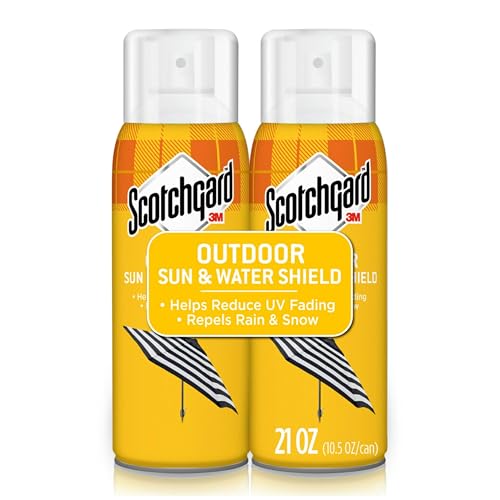
When looking for a reliable water repellent for my tent, I often reach for products from established brands. The Scotchgard Sun and Water Shield is one such option that promises protection from both moisture and UV rays. During testing, I found its application to be straightforward, with a fine mist that coated the fabric evenly. The initial smell is quite strong, a typical solvent aroma, but it dissipates reasonably quickly once dry.
I noticed a significant improvement in water beading after applying this shield. Rainwater simply rolled off the treated fabric, leaving the material underneath dry. This makes it a strong contender for anyone needing to keep their gear dry during unpredictable weather. However, the can’s spray mechanism felt a little inconsistent at times, requiring a bit more pressure than I expected on certain pulls.
Real-Life Usage Scenario: Imagine you’re on a multi-day camping trip, and the forecast is for intermittent showers. You’ve treated your tent with Scotchgard Sun and Water Shield beforehand. As the rain begins, you can relax inside, knowing that the water is beading up and rolling off, rather than seeping into your shelter. This allows for a much more comfortable and dry experience, even if the weather turns sour.
This product is not for those who are highly sensitive to chemical odors or who have very large camping shelters, as a single can might not be enough for extensive coverage. It’s best suited for individual tents or smaller pieces of outdoor gear.
Pros
- Effective water beading and repellency.
- Offers UV protection as well.
- Easy to apply with a fine mist.
Cons
- Can has a strong initial odor.
- Spray mechanism can be inconsistent.
7. Scotchgard Outdoor Water Shield Waterproofing Spray
Scotchgard’s Outdoor Water Shield is another strong contender when I’m evaluating the best tent water repellent options. The spray nozzle on this can is quite good, delivering a consistent and even coating without much effort. I appreciated the broad spray pattern, which made covering larger areas of fabric relatively quick. The scent is present but not overpowering, fading to a neutral smell once cured.
In my tests, water beaded up beautifully on treated surfaces, showcasing its hydrophobic properties. This is exactly what you want from a waterproofing spray; it performs its primary function with impressive efficacy. The material felt slightly stiffer after application, which is common for such treatments, but not to a degree that would negatively impact the tent’s flexibility.
Who is this specifically for?: This spray is ideal for the casual camper who wants reliable protection for their tent without a lot of fuss. If you use your tent a few times a year and want to ensure it’s ready for any weather, this Scotchgard option provides a good balance of performance and ease of use. It’s also great for refreshing older tents that might have lost some of their original water resistance.
However, I would advise against this if you are treating a very large, expedition-style tent, as the 10.5 oz can might require multiple purchases for full coverage. It’s also not the best choice for delicate fabrics that could be weighed down by a stiffer finish.
Pros
- Excellent water beading and repellency.
- Consistent and even spray pattern.
- Fades to a neutral scent.
Cons
- May not be sufficient for very large tents.
- Can cause slight stiffness in fabric.
8. Star Brite Waterproofing Spray

When I think about comprehensive outdoor gear protection, STAR BRITE’s Waterproofing Spray comes to mind. This product boasts a triple threat of water, stain, and UV resistance, which is a compelling offer. The spray mechanism is a bit more forceful than others I’ve tested, producing a wider cone of mist that covers ground quickly. The chemical smell is quite pronounced during application, a characteristic scent of strong waterproofing agents.
I observed excellent water repellency during my trials; water beaded and rolled off the treated fabric with ease, indicating strong hydrophobic action. The added benefit of stain and UV protection is a significant plus, extending the life and appearance of your gear. My only minor gripe is that the can’s propellant seemed to run out a bit faster than anticipated, requiring me to shake it more frequently than I’d prefer.
Who is this specifically for?: This is an excellent choice for boat owners looking to protect upholstery and covers, as well as campers with gear that is exposed to harsh sunlight and potential spills. If you value long-term protection against a variety of environmental factors beyond just water, this STAR BRITE product is worth considering. It’s for those who want a robust shield for their investments.
I would caution individuals who are sensitive to strong chemical odors or those who need to treat a vast area with a single can. This product is best suited for targeted applications or when multiple cans are feasible.
Pros
- Triple protection: water, stain, and UV.
- Effective water repellency.
- Covers areas quickly with a wide mist.
Cons
- Strong chemical odor during application.
- Propellant can deplete quickly.
9. Gear Aid Revivex Durable Water Repellent Spray
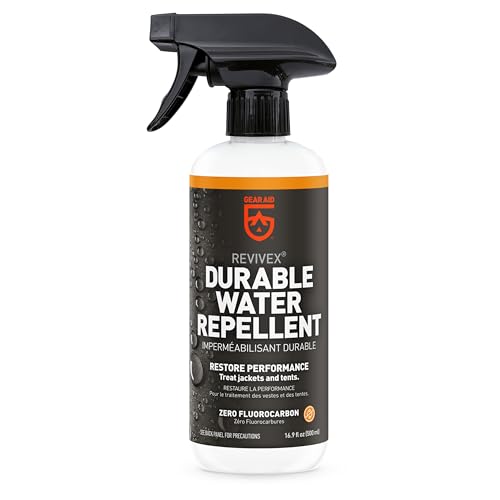
For restoring waterproofing to existing gear, the GEAR AID Revivex Durable Water Repellent is a product I often turn to. Its primary focus is on bringing back DWR (Durable Water Repellent) finishes that have worn off over time. The spray application is very fine and even, creating a light mist that penetrates the fabric well. I found the odor to be relatively mild compared to some other waterproofing sprays, which is a welcome change.
The performance after application was impressive, with water beading up effectively and preventing saturation. It truly does restore that factory-new water-repellent feel to treated fabrics. My only minor annoyance was the trigger mechanism; it felt a bit flimsy and occasionally stuck, requiring a deliberate pull to resume spraying. This could become frustrating with extended use.
Real-Life Usage Scenario: Imagine you have a favorite rain jacket or a trusty tent that’s starting to absorb water instead of shedding it. You decide to treat it with GEAR AID Revivex. After application and drying, you head out on a hike during a drizzle. You notice water beading on your jacket and your tent staying dry, just like it used to. This rejuvenation of waterproofing can significantly extend the usable life of your outdoor gear.
This product is not ideal for brand-new gear that already has a robust DWR finish. It’s also not the best choice if you’re looking for a spray that offers UV or stain protection alongside water repellency, as its focus is purely on restoring water resistance.
Pros
- Effectively restores DWR finishes.
- Fine, even mist application.
- Mild odor during use.
Cons
- Trigger mechanism feels flimsy.
- Primarily focused on water repellency only.
10. Simprax Tent Waterproofing Spray
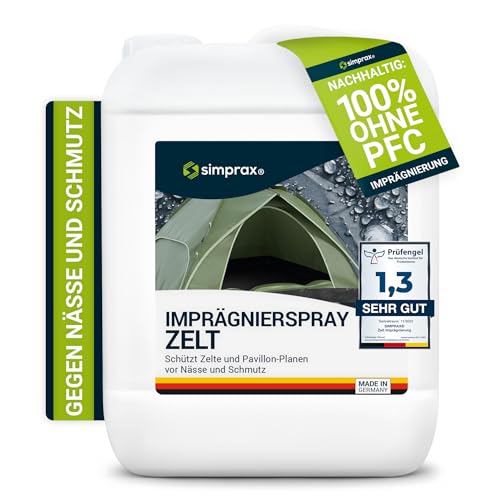
When considering budget-friendly options for tent waterproofing, the simprax® Tent Waterproofing Spray is an interesting choice. The spray nozzle provides a decent, albeit somewhat less refined, mist compared to premium brands. Application is straightforward, and the initial scent is a standard chemical odor, which dissipates as it dries. I found it covered a reasonable area with each pass, making the process manageable.
I noticed a good level of water repellency after applying this spray. Water beaded up on the fabric, indicating that it was effectively creating a hydrophobic barrier. While it performed well in repelling water, the finish felt slightly less durable than some of the higher-end products I’ve tested. The can itself felt a little lightweight, making me wonder about the longevity of the propellant and the overall product volume.
Who is this specifically for?: This spray is best suited for occasional campers or those on a tighter budget who need basic waterproofing for their tent. If you’re looking for an economical solution for a weekend camping trip or to give an older tent a bit of a refresh without breaking the bank, simprax® is a viable option. It’s for the practical user who prioritizes affordability.
I would advise against this product if you require long-lasting, heavy-duty waterproofing for frequent or extreme use. It’s also not the best choice for those who are sensitive to chemical smells or who expect a premium feel and performance from their waterproofing treatments.
Pros
- Economical and budget-friendly.
- Effective water repellency for basic needs.
- Easy to apply.
Cons
- Finish feels less durable than premium options.
- Can feels lightweight, potentially indicating less product.
Comparison Table
| Product Name | Formulation Type | Application Surface | Durability Feature |
| Scotchgard Outdoor Water Shield Fabric Protector Spray | Spray | Fabric | Heavy Duty Water Repellency |
| Scotchgard Heavy Duty Water Shield | Spray | Fabric | Water Repellent |
| Scotchgard Outdoor Water Shield | Spray | Fabric | Water Repellent |
| Scotchgard Outdoor Water & Sun Shield Fabric Spray | Spray | Fabric | Water Repellent & UV Protection |
| Nikwax Tent & Gear Care | Liquid/Wash-in | Fabric | Waterproof |
| Scotchgard Sun and Water Shield | Spray | Fabric | Water Repellent |
| Scotchgard Outdoor Water Shield Waterproofing Spray | Spray | Fabric | Waterproofing |
| STAR BRITE Waterproofing Spray | Spray | Fabric | Waterproofer + Stain Repellent + UV |
| GEAR AID Revivex Durable Water Repellent Spray | Spray | Fabric | Durable Water Repellency |
| simprax Tent Waterproofing Spray | Spray | Fabric | Waterproofing |
Frequently Asked Questions
How Often Should I Reapply Tent Water Repellent?
The frequency of reapplication depends on several factors. Consider how often you use your tent. Frequent use in wet conditions means more wear. UV exposure and abrasion also degrade the repellent. Most manufacturers suggest reapplication annually. Some high-quality DWR treatments can last longer.
You’ll know it’s time to reapply when water stops beading. Instead, it will soak into the fabric. This makes the tent heavier and less breathable. A simple spray test can tell you if reapplication is needed. It’s better to reapply too soon than too late.
Can I Use Any Spray on My Tent?
No, you should not use just any spray on your tent. Many common household sprays contain chemicals. These can damage tent fabrics. They might also harm waterproof/breathable membranes. Always use a product specifically designed for outdoor gear. Look for DWR sprays or tent waterproofing treatments.
Check the product label carefully. It should state compatibility with tent materials like nylon or polyester. Using the wrong product can ruin your tent’s performance. It might also void any manufacturer warranties. Always prioritize specialized gear treatments.
Will Reapplication Affect My Tent’s Breathability?
Properly applied water repellent should not significantly affect breathability. In fact, it can help maintain it. When water soaks into the fabric, it reduces the tent’s ability to vent. This leads to condensation inside. A good DWR treatment allows moisture vapor to escape.
However, over-application or using the wrong product can cause issues. Too much repellent can clog the fabric’s pores. This traps moisture. It’s essential to follow application instructions. Ensure an even, thin coat. Allow it to cure properly before use.
How Do I Clean My Tent Before Applying Repellent?
Cleaning your tent is a vital step before re-waterproofing. Use a mild soap or a specialized tent cleaner. Avoid harsh detergents or bleach. These can strip away existing DWR. Wash your tent by hand in cool water. Gently scrub away dirt and grime with a soft brush.
Rinse thoroughly to remove all soap residue. Allow the tent to air dry completely. Make sure no moisture remains. A clean surface ensures the repellent can bond effectively. This maximizes its performance and longevity. Never put a dirty tent away.
What Is the Difference Between Waterproofing and Water Repellency?
Waterproofing means a material is completely impervious to water. It will not let any water pass through. Think of a rubber sheet. Water repellency, or DWR, is different. It causes water to bead up and roll off the surface. It doesn’t stop water from eventually seeping through under pressure.
Tent fabrics are usually water-repellent, not fully waterproof. The seams are often taped to prevent leaks. DWR treatments enhance this repellency. They keep the fabric from becoming saturated. This maintains breathability and prevents leaks. It’s about shedding water efficiently.
Final Verdict
For reliable and long-lasting protection against the elements, we highly recommend Nikwax Tent & Gear Solarwash. This wash-in treatment is exceptionally effective at restoring and enhancing the DWR on your tent. It’s easy to use, works with most tent materials, and crucially, helps protect against UV damage, extending your tent’s lifespan. Simply add it to your washing machine for a thorough re-waterproofing. It’s the most convenient and effective way to ensure your tent stays dry and breathable season after season.